Overview and Topographic Anatomy
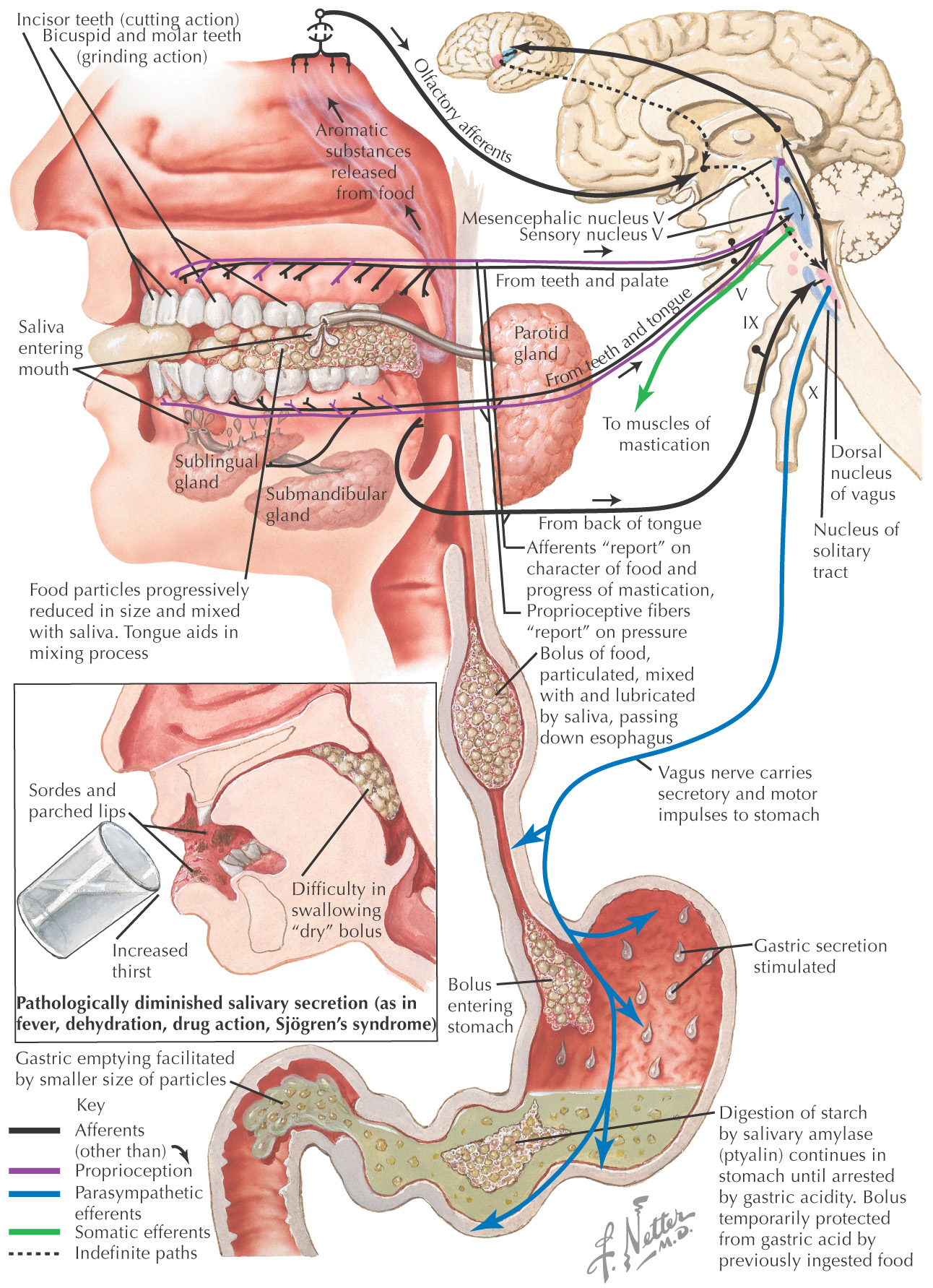
Mastication is the process of chewing food in preparation for deglutition (swallowing) and digestion
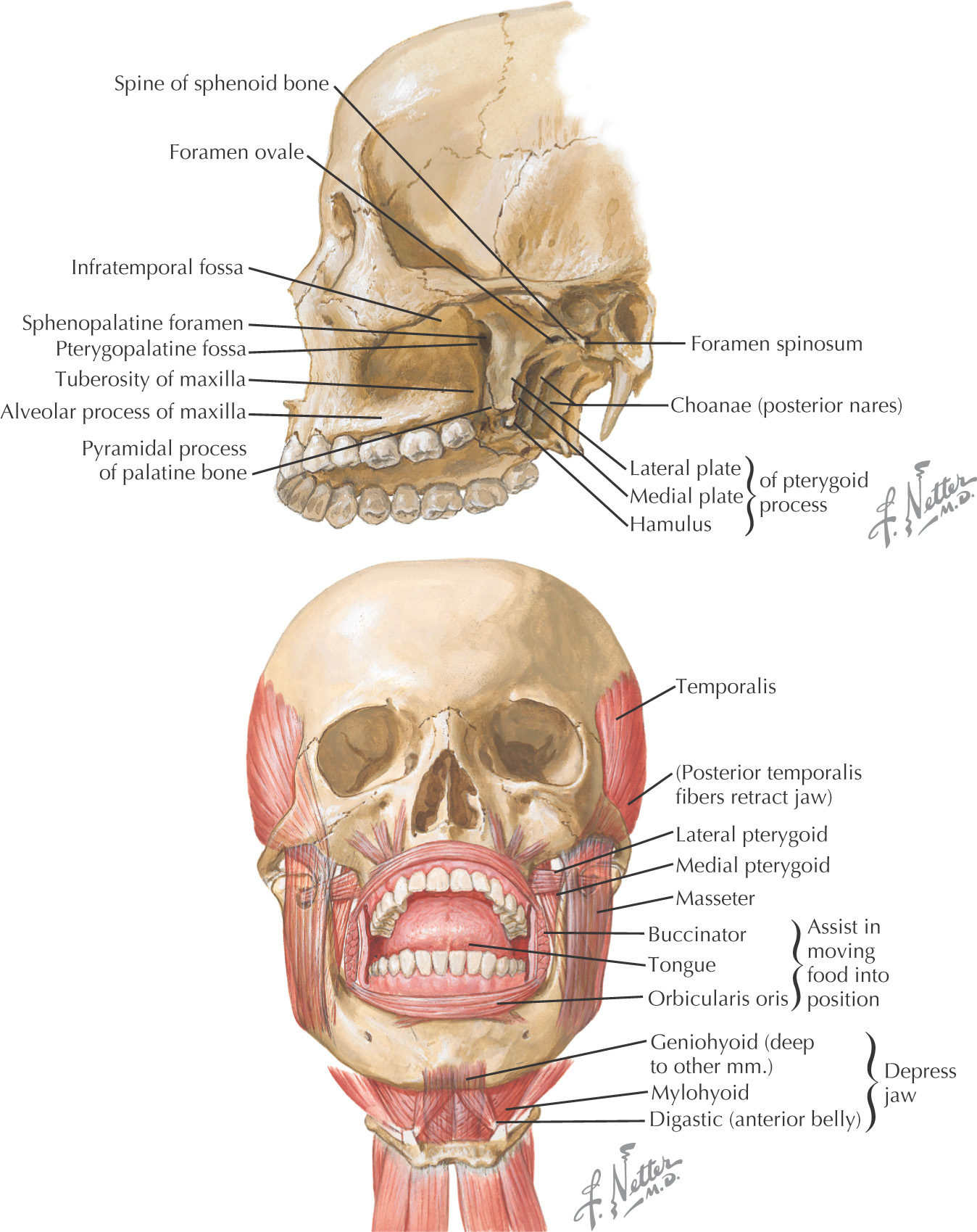
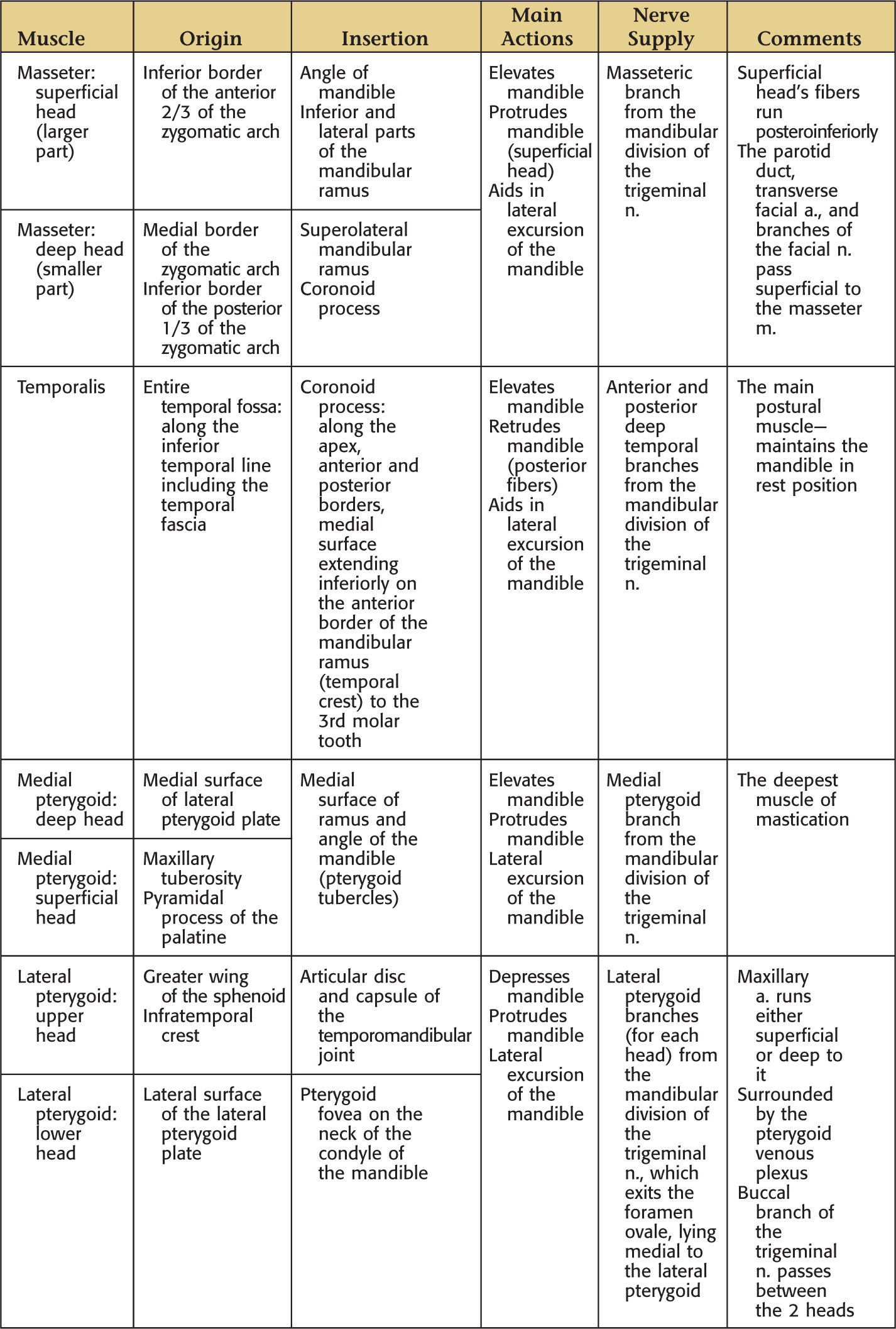
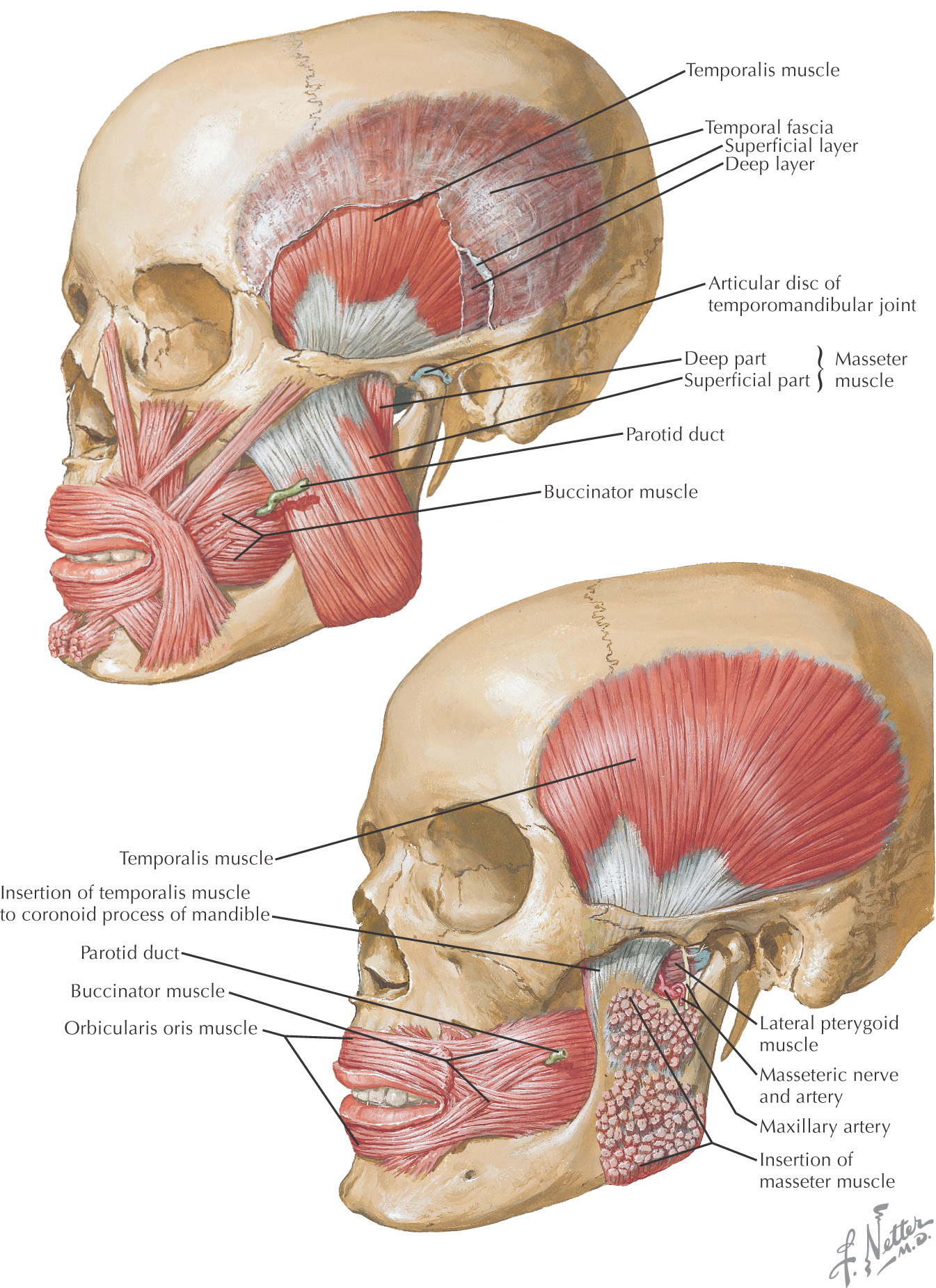
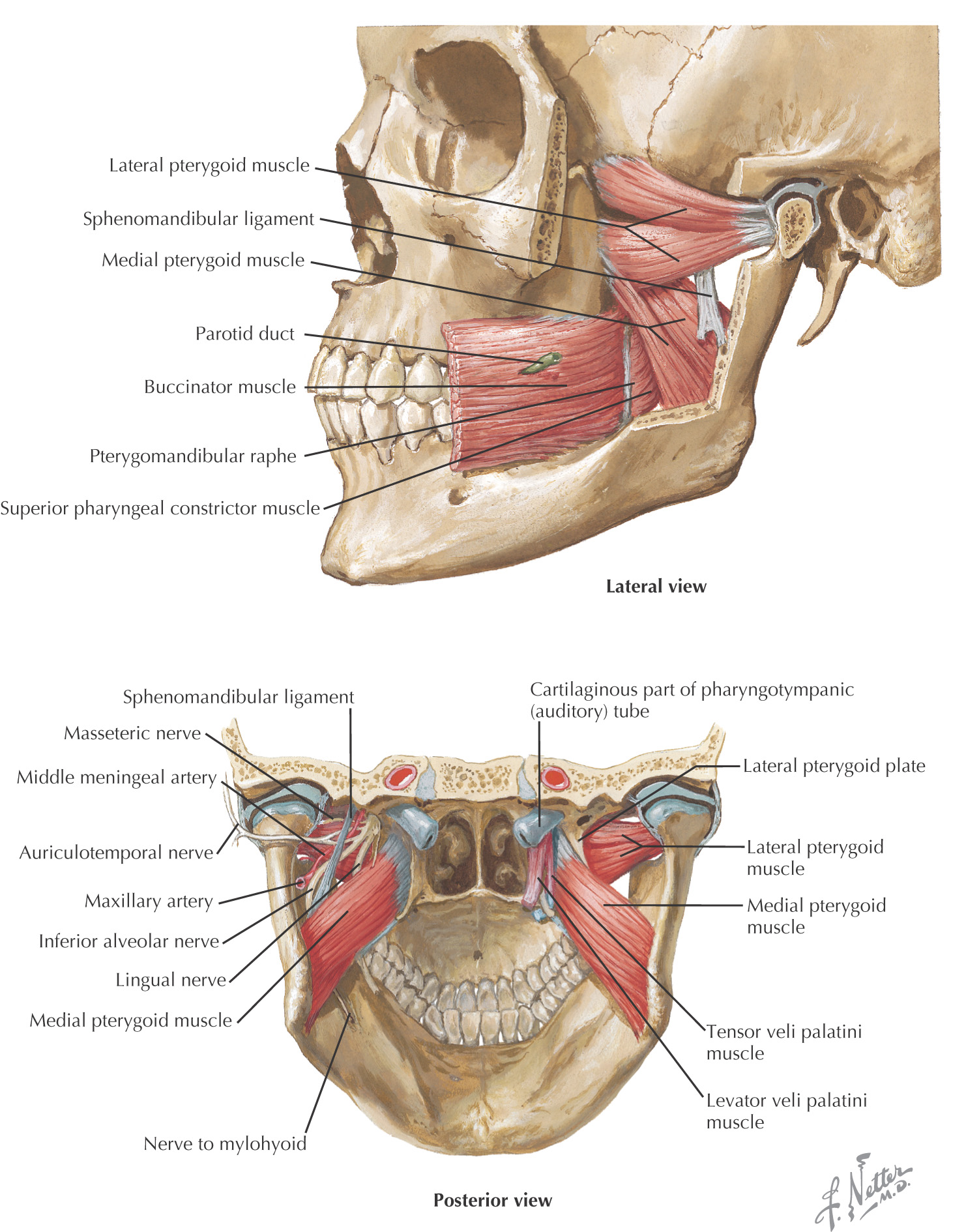
All muscles of mastication originate on the skull and insert on the mandible
All muscles of mastication are innervated by the mandibular division of the trigeminal nerve
All muscles of mastication are derivatives of the 1st pharyngeal arch
Movements of the mandible are classified as:
• Side-to-side (lateral) excursion
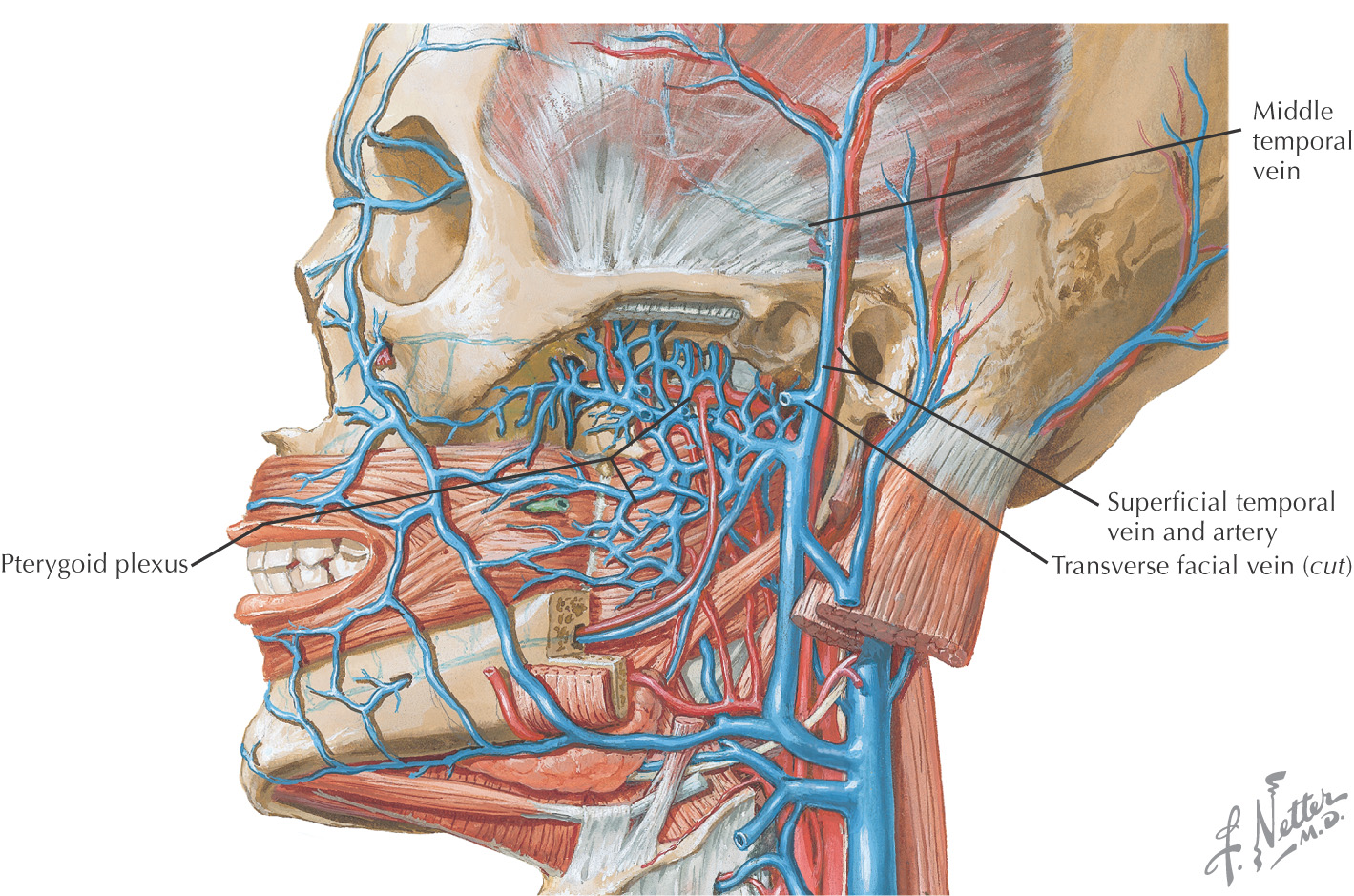
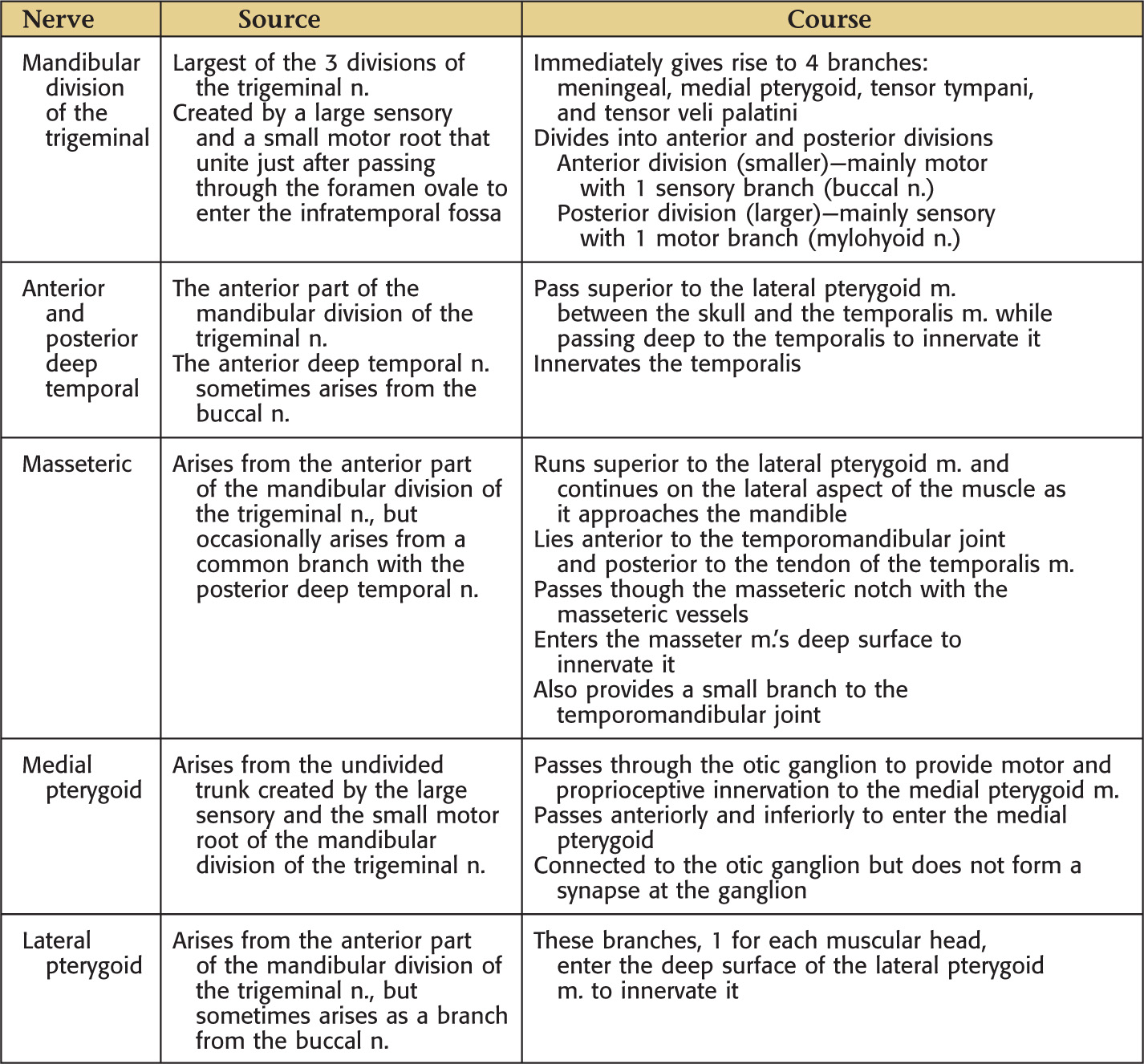
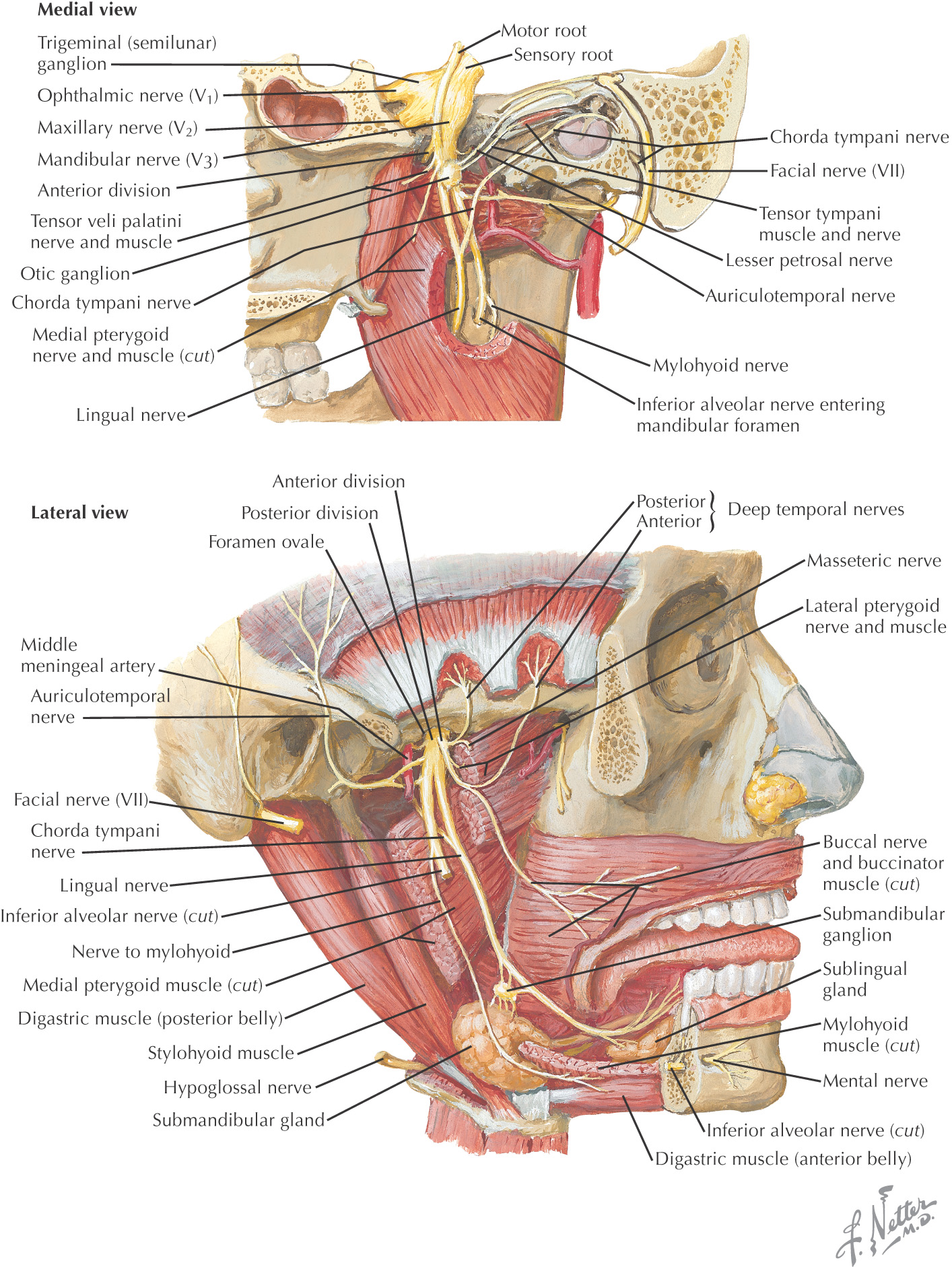
Mastication prepares food by chewing for deglutition and digestion
It is the first step in the breakdown of food by:
• Making smaller pieces from larger pieces (thus increasing the surface area for digestive breakdown)
• Helping soften and lubricate the food with saliva
Base of the skull and the mandible
They articulate at the temporomandibular joint (between the squamous portion of the temporal bone [skull] and the condyle of the mandible)
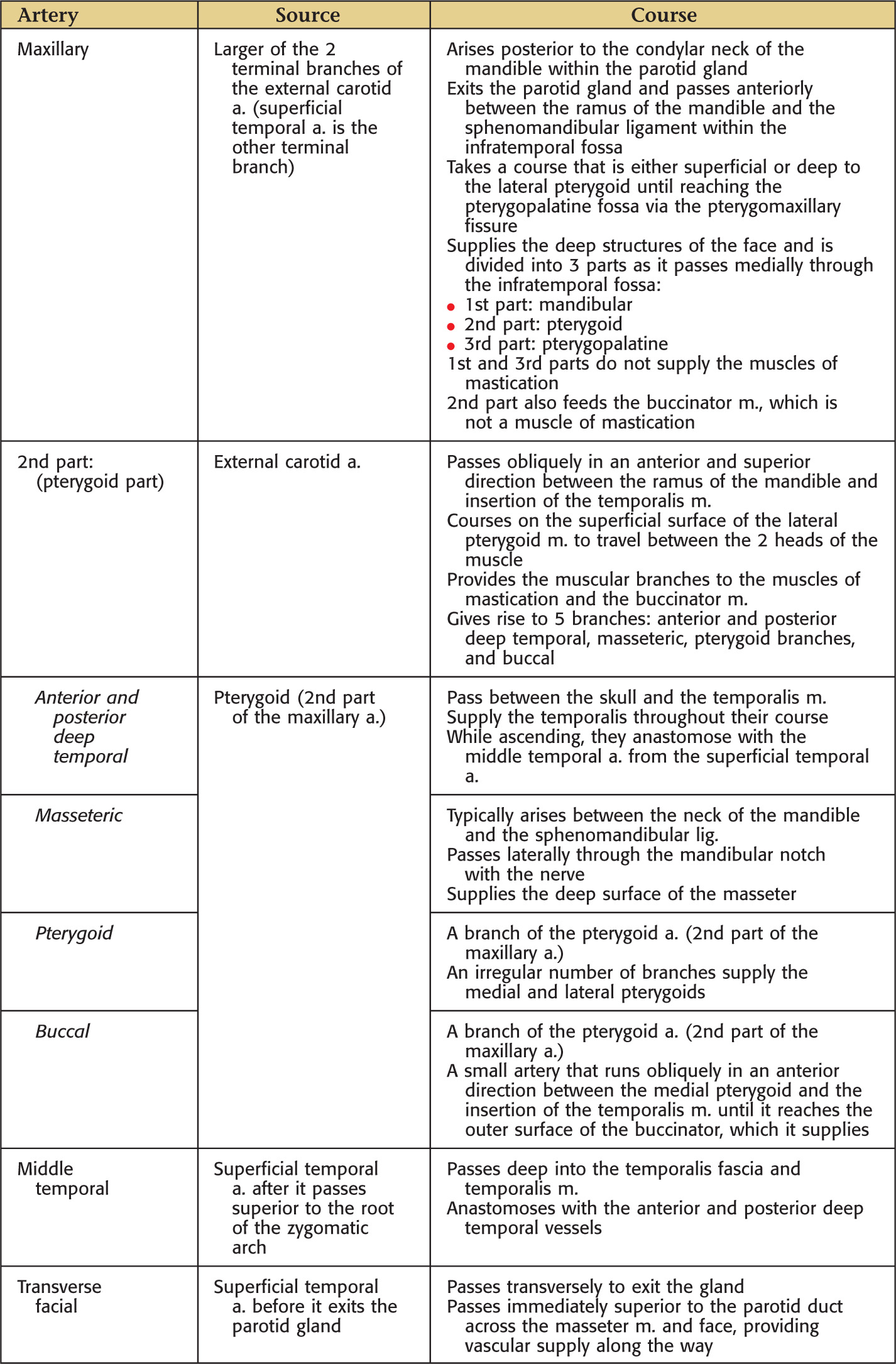
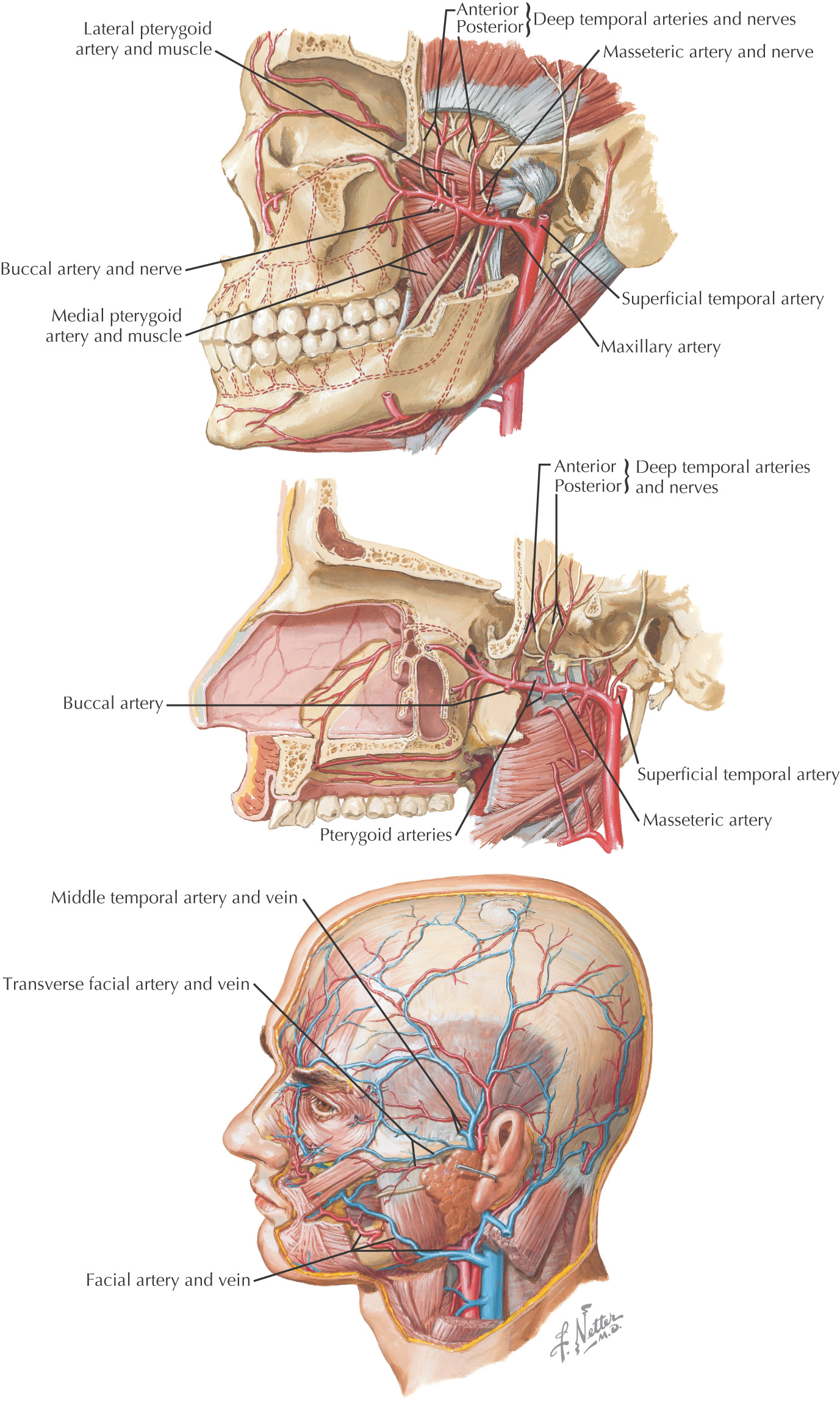
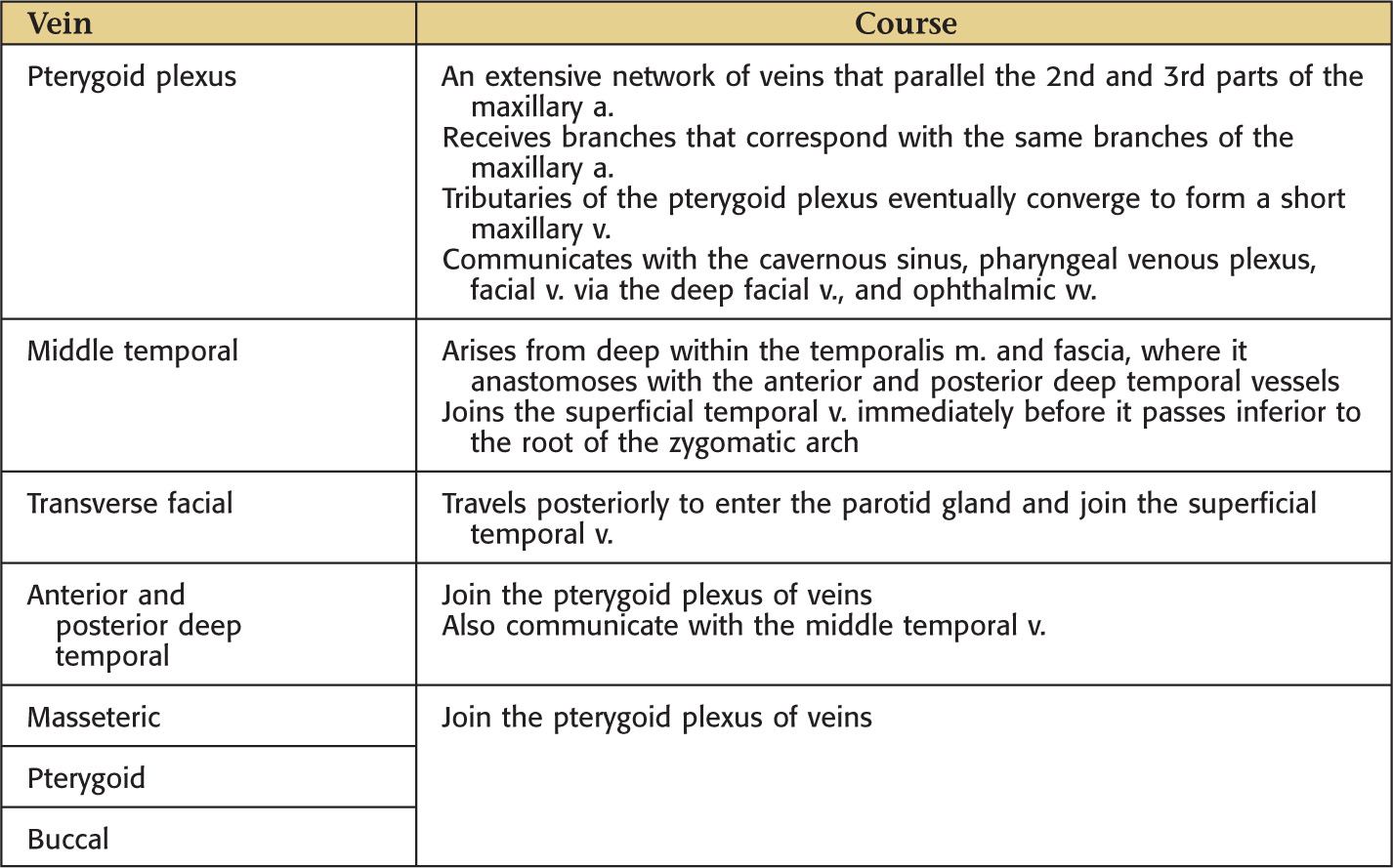
4 muscles of mastication:
All muscles of mastication are innervated by the mandibular division of the trigeminal nerve (nerve of the first pharyngeal arch)
Mastication involves using the muscles of mastication to move the mandible in 1 of 3 planes in an antagonistic fashion:
Although the buccinator is not a muscle of mastication, it aids in keeping the bolus of food against the teeth to help in mastication