Intercultural Communication
At the end of the chapter, the reader will be able to:
1 Define culture and related terms.
2 Discuss the concept of intercultural communication.
3 Describe the concept of cultural competence.
4 Apply the nursing process to the care of culturally diverse clients.
5 Discuss characteristics of selected cultures as they relate to the nurse-client relationship.
This chapter is designed to equip nurses with the knowledge and skills needed to interact with clients from varied cultural backgrounds. The chapter describes communication principles and applications from a multicultural perspective. Included are social and cultural factors associated with the United States’ four major cultural groups.
Basic concepts
Culture is a complex social concept that encompasses the entirety of socially transmitted communication styles, family customs, political systems, and ethnic identity held by a particular group of people. “Culture is primarily learned and transmitted through family and other social institutions” (p. 213), for example schools and church. (Giger, Davidhizar, Purnell, Harden, Phillips, & Strickland, 2007(a)). Exercise 11-1 offers an opportunity to reflect on how culture is learned within the family.
Culture develops from the customs, beliefs, and social institutions associated with different ethnic, racial, religious, and social groups. Cultural patterns shape health-related beliefs, attitudes, values, and behaviors (Kleinman & Benson, 2006). Culture differences relate to some or all of the life issues identified in Box 11-1. Culture is a strong determinant of social behavior. The meaning of the word culture extends beyond country of origin and ethnic background to include professional, organizational, and religious cultures (Betancourt, 2004).
Multiculturalism describes a heterogeneous society in which diverse cultural worldviews can coexist with some general (-etic) characteristics shared by all cultural groups and some (-emic) perspectives that are unique to a particular population.
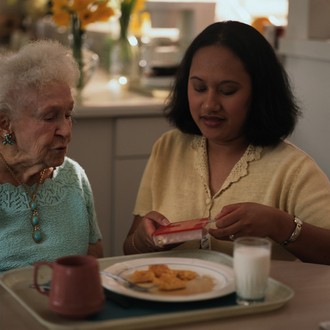
Worldview is defined as “the way people tend to look out upon their world or their universe to form a picture or value stance about life or the world around them” (Leininger & McFarland, 2006, p. 15). It is closely linked to cultural and spiritual beliefs, but it is not the same. Culture describes the social characteristics of a society. Worldview describes an individual’s perceptions of his or her reality within that society. A teenager and an older adult can have similar beliefs about their culture, but their worldviews would be dissimilar because of the age difference.
The existence of cultural patterns as part of personal identity and client preferences is fundamental to understanding nurse and client behavior in therapeutic relationships. Delivering safe, effective, client-centered care requires sensitivity to cultural differences, with specialized skill development in multicultural interpersonal communication skills.
Related concepts
Subculture: Subculture refers to a smaller group of people living within the dominant culture who have adopted a cultural lifestyle distinct from that of the mainstream population. The Amish are an important subculture. Dress, loyalty to a leader or cause, language, social patterns, philosophies, and behavior distinguish members of a subculture. The differences between subculture orientations and mainstream cultural expectations can create conflict (Drench, Noonan, Sharby, & Ventura, 2009).
Ethnicity: Ethnicity is used to describe “groups in which members share a cultural heritage from one generation to another” (Day-Vines et al., 2007, p. 403). Personal awareness of a common racial, geographic, religious, or historical history binds people together, with a strong commitment to ethnic values and practices. Research indicates that ethnicity is an important aspect of a person’s social identity (Malhi, Boon, & Rogers, 2009).
Ethnicity describes a sociopolitical construct, different from race and physical characteristics (Ford & Kelly, 2005). People with similar skin color and features can have a vastly different ethnic heritage: Jamaican versus African American. Ethnicity can reflect spiritually based membership, for example, Amish (Donnermeyer & Friedrich, 2006).
Ethnocentrism: Ethnocentrism refers to a belief that one’s own culture should be the norm because it is considered better or more enlightened than others. Other cultures are judged as inferior (Lewis, 2000). Taking pride in one’s culture is appropriate, but when a person fails to respect the value of other cultures, it is easy to develop stereotypes and prejudice. Ethnocentrism fosters the belief that one culture has the right to impose its standards of “correct” behavior and values on another. Prejudice can be felt or expressed, and directed to either a group as a whole or toward an individual associated with the group (Allport, 1979). The deadly consequences of prejudice were evidenced in the persecution of innocent people during Hitler’s regime, and continue today with terrorist attacks and violence embedded in ethnocentric views and sectarian differences.
A variation of ethnocentrism labels people who are different from the mainstream as being inferior (Canales & Howers, 2001). Examples include physical or mental disability, sexual orientation, ageism, morbid obesity, and unusual physical or personal characteristics.
Cultural Relativism: Cultural relativism holds that each culture is unique and should be judged only on the basis of its own values and standards. Behaviors viewed as unusual from outside a culture make perfect sense when they are evaluated within a cultural context (Aroian & Faville, 2005).
Exercise 11-3 examines how culture shapes values and perceptions.
Cultural Diversity: Cultural diversity refers to variations among cultural groups. People notice differences related to language, mannerisms, and behaviors in people of different cultures, in ways that do not happen with people from their own culture (Spence, 2001). Lack of exposure to and understanding of people from other cultures reinforces stereotypes and creates prejudice.
Diversity exists within a culture too. The Institute of Medicine (2002) identifies economic status and social class as components of diversity related to health risk and treatment outcomes. More differences can exist among individuals within a culture than between cultural groups related to educational and socioeconomic background, age, gender, and life experiences. This is true of providers and clients even when they share the same spoken language. Exercise 11-4 examines cultural diversity in the nursing profession.
Acculturation: Acculturation describes how a person from a different culture initially learns the behavior norms and values of the dominant culture, and begins to adopt its behaviors and language patterns. Physical acculturation takes place before emotional acculturation. Higher socioeconomic status, social support, and education facilitate the process of acculturation. The client’s level of acculturation is a factor in client assessment and nursing care.
Assimilation: Assimilation refers to a person’s full adoption of the behaviors, customs, values, and language of the mainstream culture. By the third generation, people may have little knowledge of their traditional culture and language, or allegiance to their original heritage. Even so, people carry unconscious vestiges of cultural traditions with them throughout life (Bacallao & Smokowski, 2005).
Intercultural communication
Intercultural communication refers to conversations between people from different cultures. The concept embraces differences in perceptions, language, and nonverbal behaviors, and recognition of dissimilar contexts for interpretations (Samovar, Porter, & McDaniel, 2008). It is a primary means of sharing meaning and developing relationships between people of different cultures. Successful outcomes emphasize a common understanding and inclusion of issues and values that facilitate treatment (Purnell, Purnell, Paulanka, et al. 2008).
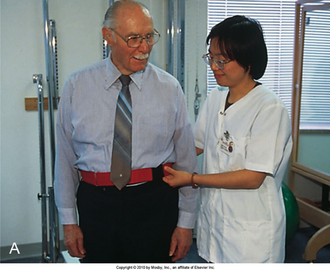
The goal of intercultural communication is to find a common ground through which people from different cultures can connect on many different levels with each other.
With intercultural communication, the perception of relationship between care provider and client is just as important as the words used to communicate. Interactions take place within “transcultural caring relationships” (Pergert, Ekblad, Enskar, & Bjork, 2007, p. 18). Relationships are carefully designed to provide a respectful, encouraging environment in which the client’s cultural values and beliefs can be freely expressed and responded to with empathy (Pergert et al., 2007).
Limited language proficiency
Limited language proficiency is a fundamental barrier to effective health care delivery. Different languages create and express different cultural and personal realities. Understanding vocabulary and grammar is not enough. Language competence requires “knowing what to say, and how, when, where, and why to say it” (Hofstede, Pedersen, & Hofsted, 2002, p. 18).
Linguistic rules, language structures, and meanings vary among cultures. Different dialects even within the same culture create language difficulties. Within the same language, words can have more than one meaning. For example, the words hot, warm, and cold can refer to temperature, or to impressions of strong personal characteristics, or responses to new ideas (Sokol & Strout, 2006). Idioms are particularly problematic because they represent a nonliteral expression of an idea.
Nonverbal behaviors, designed to clarify messages and demonstrate relations, are not the same in different cultures. Most people are reasonably comfortable about the meanings of common nonverbal symbols in their own culture—and even then, they have to clarify that the nonverbal has the same meaning for both parties. But consider going to a different culture, where the same gesture or nonverbal symbol has the opposite meaning or is meaningless (Anderson & Wang, 2008). Understanding cultural differences in nonverbal behavior is a dimension of intercultural communication. Exercise 11-5 provides an opportunity to consider the implications of language barriers.
Cultural competence
Cultural competence is defined as “a set of cultural behaviors and attitudes integrated into the practice methods of a system, agency, or its professionals, that enables them to work effectively in cross cultural situations” (Sutton, 2000, p. 58). The Institute of Medicine (2003) and the American Association of Colleges of Nursing (AACN, 2008) identify cultural competence as an essential skill set required for health care providers.
Self-awareness of unintentional bias in health care is essential. Value judgments are hard to eliminate, particularly those outside of awareness. Developing competence begins with self-awareness of your own cultural values, attitudes, and perspectives, followed by developing knowledge and acceptance of cultural differences in others (Gravely, 2001; Leonard & Plotnikoff, 2000). This allows you to own your own biases and not project them onto clients. Exercise 11-6 provides an opportunity for you to reflect on personal cultural beliefs, values, and behaviors.
Cultural competence is expressed through cultural sensitivity. The Office of Minority Health (U.S. Department of Health and Human Services [DHHS], 2001) describes cultural sensitivity in health care as “the ability to be appropriately responsive to the attitudes, feelings, or circumstances of groups of people that share a common and distinctive racial, national, religious, linguistic, or cultural heritage” (p. 131). Used with clients, cultural sensitivity is expressed through the use of neutral words, categorizations, and behaviors that respect the culture of the client, and avoidance of those that could be interpreted as offensive (AACN, 2008). Practiced by health care providers, cultural sensitivity refers to an understanding of one’s own cultural beliefs, and how these beliefs and values affect their practice with minority clients. The goal of culturally sensitive communication is to find common ground.
A valuable way to learn about another person’s culture is to spend time with them and to ask questions about what is important to them about their culture (Jandt, 2003).
Health disparities
Health disparities is defined as “a chain of events signified by a difference in the environment, access to, utilization of, and quality of care, health status, or a particular health outcome that deserves scrutiny” (Villarruel, 2004, p. 8). In 2002, the Institute of Medicine reported that people of color and ethnic minorities receive a lower quality of care even when insurance and income are considered. This phenomena has been confirmed in a number of research studies (Giger, Davidhizar, Purnell, Harden, Phillips, Strickland, 2007(b)). Healthy People 2010 identifies “eliminating health disparities” and “improving the quality of life” for U.S. citizens as overarching goals. The National Healthcare Disparities Report (2007) confirms that minority status accounts for significant differences and inequality in the quality of health care related to access, screenings, and level of care.
The National Center for Health Statistics (2007) indicates that ethnic and racial minorities, which make up 30% of the adult population, and almost 40% of the U.S. population younger than 18 have greater mortality and morbidity rates (Edwards, 2009; National Center for Health Statistics, 2007). These demographics, coupled with a sharp increase in the number of immigrants entering the United States and Canada, require a special focus on the role of culture in nurse-client relationships. By 2050, ethnic minorities are expected to become a numerical majority (Sue & Sue, 2003).
Applications
Minorities are less likely to participate in screening or to seek early treatment for recognizable symptoms. They have misgivings about the health care system and feel uncomfortable about using it (Johnstone & Kanitsaki, 2009). Fundamental cultural differences in health beliefs, unfamiliarity with the health care system, language or literacy, and fear of discrimination contribute to gaps in assessment and treatment. Healthy People 2010 (DHHS, 2000) identifies eliminating health disparities among different population groups as one of its overarching goals.
Accessing health care for minority clients can be frustrating. Minority populations, especially new immigrants, often are marginalized economically, occupationally, and socially in ways that adversely affect their access to mainstream health care. Seeking treatment and compliance with treatment is complicated by an inability to effectively describe health problems in terms health providers understand. Undocumented immigrants have an added burden of fearing deportation if their legal status is revealed (Chung, Bernak, Otiz, & Sandoval-Perez, 2008).
Care of the culturally diverse client
This section describes the integration of cultural sensitivity into the assessment, diagnosis and treatment planning, implementation, and evaluation of client-centered professional nursing care. When health recommendations conflict with a client’s worldview, it is unlikely they will be followed. Having knowledge and constructive attitudes about health traditions associated with different cultures increases client comfort and engagement with caregivers. Hulme (2010) distinguishes between the folk domain and alternative health care remedies. She emphasizes the need to understand the client’s health care traditions which are “specific to—and fundamentally a part of—an individual’s culture” (p. 276).
Building rapport
Minority clients often have limited firsthand experience with the complexity of the U.S. health care system that could help them negotiate it successfully. They respond better to providers who orient them to the setting and set the stage for a comfortable encounter. Ideally, when meeting a client for the first time, you should perform the following tasks:
• Pronounce the client’s name correctly. Calling the client by title and last name shows respect. If the name presents a challenge, ask the client how to pronounce it correctly.
• Speak clearly and spend time with the client before asking assessment questions to make the client or family comfortable.
• Avoid assumptions or interpretations about what you are hearing without validating the information.
• Allot more time to conduct a health assessment, to accommodate language needs and cultural interpretations.
• Have as your goal the client’s feelings of satisfaction and success in communicating health concerns and expectations.
• Take the position of interested co-learner when inquiring about cultural values and standards of behavior.
• Inquire about individual perceptions, as well as cultural explanatory models associated with the illness, and preferences for treatment.
• Explain treatment procedures at every opportunity and alert clients ahead of time of potential discomfort.
• Ask permission for and explain the necessity for any physical examination and use of assessment tools.
Guides to cultural assessment
Cultural competence is described as “the adaptation of care in a manner that is congruent with the client’s culture” (Giger, Davidhizar, Purnell, Harden, Phillips, & Strickland, 2007(b), p. 98). Madeleine Leininger’s Theory of Culture Care (2006) is recognized as a major contribution to nursing’s understanding of culture in health care. Leininger believes that nurses must have knowledge about diverse cultures to provide care that fits the client. Her sunrise model is composed of “enablers,” which help explain each person’s cultural environmental context, language, and ethnohistory. Enabling factors reflect the person’s worldview and a person’s social and culture structures. Each influences verbal and nonverbal expressions, patterns, and understandings of health and health practices.
Larry Purnell’s model (see Table 11-1) examines cultural competence from both its macro aspects (global society, community, family, and the person), and its micro aspects consisting of 12 interconnected domains at the person level. Using Purnell’s domains as a framework for understanding individual differences dictated by national cultural standards and practices allows for a comprehensive cultural assessment and a culturally congruent, individualized, patient-centered approach to client care.
TABLE 11-1
Purnell’s Domains of Cultural Assessment
| Domains of Cultural Assessment | Sample Areas for Inquiry |
| Personal Heritage | Country of origin, reasons for migration, politics, class distinctions, education, social and economic status |
| Communication | Dominant language and dialects, personal space, body language and touch, time relationships, greetings, eye contact |
| Family Roles and Organization | Gender roles; roles of extended family, elders, head of household; family goals, priorities, and expectations; lifestyle differences |
| Workforce Issues | Acculturation and assimilation, gender roles, temporality, current and previous jobs, variance in salary and status associated with job changes |
| Bioecology | Genetics, hereditary factors, ethnic physical characteristics, drug metabolism |
| High Risk Health Behaviors | Drugs, nicotine and alcohol use, sexual behaviors |
| Nutrition | Meaning of food, availability and food preferences, taboos associated with food, use of food in illness |
| Pregnancy and Childbearing | Rituals and constraints during pregnancy, labor and delivery practices, newborn and postpartum care |
| Death Rituals | How death is viewed, death rituals, preparation of the body, care after death, use of advance directives, bereavement practices |
| Spirituality | Religious practices, spiritual meanings, use of prayer |
| Health Care Practices | Traditional practices, magiocoreligious health care beliefs, individual versus collective responsibility for health, how pain is expressed, transplantation, mental health barriers |
| Health Care Practitioners | Use of traditional and/or folk practitioners, gender role preferences in health care |
Adapted from Purnell, J.D., and Paulanka, B.J. (2008). Transcultural health care: A culturally competent approach (3rd Ed.), FA Davis; and Purnell, J.D. (2009). Guide to culturally competent health care (2nd Ed.), F.A. Davis.
Assessment through a cultural lens
Assessment should start with the client’s reality. Although actual symptoms may be similar, clients will express symptoms consistent with their ethnic beliefs (DHHS, 2001). How clients answer questions about symptoms can reveal which aspects of their complaints are culturally acceptable, and how the client’s culture permits their expression. Asking questions like “Can you tell me about your illness and how it developed?” provides information about cultural explanatory models of illness. The information you need would include the client’s
• Identified cultural affiliation
• Spiritual beliefs and practices
• Culturally specific social structures related to health care
Although clients from a different culture may not spontaneously volunteer information about their cultural practices, they often are willing to share this information when asked by an empathetic, interested health care provider. Table 11-2 provides sample questions to assess client preferences when the client is from a different culture.
TABLE 11-2
Assessing Client Preferences When the Client Is from a Different Culture
| Areas to Assess | Sample Assessment Approaches |
| Explanatory models of illness | “What do you think caused your health problem? Can you tell me a little about how your illness developed?” |
| Traditional healing processes | “Can you tell me something about how this problem is handled in your country? Are there any special cultural beliefs about your illness that might help me give you better care? Are you currently using any medications or herbs to treat your illness?” |
| Lifestyle | “What are some of the foods you like? How they are prepared? What do people do in your culture to stay healthy?” |
| Type of family support | “Can you tell me who in your family should be involved with your care? Who is the decision maker for health care decisions?” |
| Spiritual healing practices and rituals | “I am not really familiar with your spiritual practices, but I wonder if you could tell me what would be important to you so we can try to incorporate it into your care plan.” |
| Cultural norms about cleanliness | “A number of our patients have special needs related to cleanliness and modesty of which we are not always aware. I am wondering if this is true for you and if you could help me understand what you need to be comfortable.” |
| Truth-telling and level of disclosure | Ask the family about cultural ways of talking about serious illness. In some cultures, the family knows the diagnosis/prognosis, which is not told to the ill person (e.g., Hispanic, Asian). |
| Ritual and religious ceremonies at time of death | Ask the family about special rituals and religious ceremonies at time of death. |
Diagnosis
Cultural beliefs and values play a role in the interpretation and response to a clinical diagnosis, especially if the culture relates the development of illness to personal weakness or the will of God. For example, it is not uncommon for Asian and Arab Israeli women to believe that breast cancer is God’s will or fate (Kim & Flaskerud, 2008; Baron-Epel, Friedman & Lernau, 2009). Such cultural beliefs can affect use of early detection mammograms. Nurses need to be aware that the clinical diagnosis of a disease is embedded in cultural understandings about its etiology and its meaning. This is particularly true for the diagnosis and treatment of mental disorders. Cross and Bloomer (2010) caution that culturally specific expressions of mental illness vary and can lead to misdiagnosis.
Client-centered care in the United States advocates for a shared understanding of illness, diagnosis, and prognosis. Some cultures have strong beliefs about providing full disclosure of diagnosis and prognosis to clients. Cultural preference may dictate that the family be notified first. The family then decides when and if the disclosure should be made to the client. Before discussing important health matters, ask the client who should be involved. Careful, unhurried discussion and inclusion of family members in decision-making processes can be helpful. Asian and Hispanic cultures traditionally prefer family centered decision-making about care for a family member with a terminal diagnosis (Kwak & Haley, 2005). Although informed consent forms require full disclosure, the cultural acceptability of autonomous informed consent can be an ethical issue when interacting with clients who hold different cultural values (Calloway, 2009). When the family is authorized by the client to discuss diagnosis and make treatment decisions, the client’s preference should be honored. Exploration of each client’s preferences about disclosure should take place early in the clinical relationship.
Communication issues in planning and intervention
Clients from different cultures often identify language barriers as the most frustrating aspect of communicating in health care situations. Following are communication principles to keep in mind when planning and implementing care.
• Limitations in English proficiency should not be construed as a limitation of intellectual functioning.
• People can be highly literate in their language of origin, but functionally illiterate in English.
• Internal interpretation of a message is often accompanied by visual imagery reflecting the person’s cultural beliefs and experiences. (This can change the meaning of the original message, with neither party having awareness of the differences in interpretation.)
People tend to think and process information in their native language, translating back and forth from English. This results in delayed responses that need to be taken into account, particularly in health teaching. Sometimes the nurse is aware only that the client seems to be taking more time than usual. With clients demonstrating limited English proficiency, speak slowly and clearly; use simple words; and avoid slang, technical jargon, and complex sentences. All written information should be provided in the person’s native language whenever possible, to avoid misinterpretation. It is important that the translator of information be as well versed in medical interpretations as in relevant terms used in both languages.
Role relations
Understanding that role interactions between health providers and clients are embedded in cultural influences helps nurses structure meaningful interactions. In many minority cultures, there is an unspoken tendency to view health professionals as authority figures, treating them with deference and respect. This value can be so strong that a client will not question the nurse or in any way indicate mistrust of professional recommendations. They just do not follow the professional advice.
Asian clients typically respond better to a formal relationship and an indirect communication style characterized by polite phrases and marked deference. They work better with well-defined boundaries and clear expectations (Galanti, 2008). The client waits for the information to be offered by the nurse as the authority figure. Sometimes this gets interpreted as timidity. A better interpretation is that the client is deferring to the health professional’s expertise.
Level of family involvement
Level of family involvement can be an issue for people from collectivistic cultures. Distinctions between male and female roles are well defined in these cultures, and this can affect decision making in health care. In Hispanic and Asian cultures, male family members are likely to be the identified decision makers. Age and position in the family are relevant. Decisions may be deferred to elders, and there may be distinct role expectations of the eldest man, of women, and of children within the family. Identifying and including from the outset all those who will be taking an active part in the care of the client recognizes the communal nature of family involvement in health care. For the Native American client, this may include members of an immediate tribe or its spokesperson.
Time orientation
Galanti (2008) distinguishes between present and future time. American culture is a future-oriented culture in which people are accustomed to meeting exact time frames for appointments and taking medications. Present time cultures do not consider the commitment to a future appointment as important as attending to what is happening in the moment. They deal with things as they come up, and not before. Giger and Davidhizar (1991) note, “A common belief shared by some African Americans and Mexican Americans is that time is flexible and events will begin when they arrive” (p. 105). Usually it is necessary to explain not once but many times why a precise schedule is required, and to extend some flexibility when possible.
Clock time versus activity time also reflects culture (Galanti, 2008). Contrast the difference in time orientation of a clock-conscious German person with that of his Italian counterpart.
Communication principles
Clients from minority backgrounds respond better to health care providers who ask about and take into account their social circumstances, values, and cultural experiences. Framing interventions within a culturally sensitive format that the client recognizes as familiar and valid, and openly discussing differences in backgrounds, norms, and health practices increases client understanding and compliance.
Interventions for culturally diverse clients use the same communication strategies discussed in other chapters, with special accommodation for cultural differences. Client-centered principles include:
• Respect for the client’s belief in folk and natural traditional remedies
• Combining cultural folk treatments with standard medical practices to whatever extent is possible
• Familiarity with formal and informal sources of health care in the cultural community, including churches, Shamans, medicine men/women, curanderos, and other faith healers
• Respect for family position and gender distinctions when relating to family members about health care concerns
• Continuous use of active listening strategies, with frequent validation to ensure the cultural appropriateness of provider assumptions
• Remembering that the client is a person first and a cultural person second
Informed Consent and Client Autonomy
Issues such as client autonomy and informed consent need to be reframed within a cultural context (Calloway, 2009). Without full disclosure, consent forms are not valid.
Philosophical differences about end-of-life care exist between Western values and those of the four major minority groups. Many minority clients believe in prolonging life and are reluctant to use advance directives (Thomas, 2001). Exercise 11-7 provides an opportunity to explore the role of cultural sensitivity in care planning.
Health teaching principles
Health teaching strategies for culturally diverse populations is a challenge. Specific approaches include the following:
• Be patient when teaching; extra time is always needed.
• Look for facial expressions indicating bewilderment, frustration, or being overwhelmed. If the client seems confused, stop and ask the client to explain how it works in his or her culture.
• Use an English-as-a-second-language style of phrasing; that is, speak words slowly, with distinct separation of words and accentuation of important terms.
• Explain information in greater depth. Repeat explanations of important information in another way if the client does not seem to understand the original explanation.
• Use gestures, pantomime, body language, and visual cues to enhance words.
• Acknowledge effort and express belief in the client’s ability to grasp the material (Tong, Huang, & McIntyre, 2006).
Cultural differences affect a nurse’s coaching functions. A useful teaching sequence for clients from culturally diverse backgrounds is to use the mnemonic LEARN: Listen, Explain, Acknowledge, Recommend, and Negotiate (Campinha-Bacote, 1992). With this process, you listen carefully to the client’s perspective on his or her health problem, including cause, expectations for treatment, and information about family and others who traditionally are involved in the client’s care.
Once you have a clear understanding of the client’s perception of the problem, you can explain your understanding, using simple, concrete terminology, and then ask for validation that your perspective is accurate. Acknowledge the differences and similarities between perceptions. Specific recommendations to the client flow from shared understanding of the issues.
The final step is negotiating a mutually acceptable treatment approach. This may take longer because of language and cultural expectations. The client’s right to hold different cultural views and to make decisions reflective of those views must be respected. If family members traditionally are involved in decision making (with the client’s consent), they should be actively involved in decision making. Box 11-2 provides general guidelines for teaching clients from culturally diverse backgrounds.
Use of interpreters
Federal law (Title VI of the Civil Rights Act) mandates the use of a trained interpreter for any client experiencing communication difficulties in health care settings because of language. Interpreters should have a thorough knowledge of the culture, as well as the language. They should be carefully chosen, keeping in mind variations in dialects, as well as differences in the sex and social status of the interpreter and the client if these are likely to be an issue. In general, family members, particularly children, should not be used as interpreters. Box 11-3 provides guidelines for the use of interpreters in health care interviews.
Cultural Brokering
Cultural brokering refers to advocacy actions of mediating between persons or groups from different cultural backgrounds for the purpose of increasing understanding, reducing conflict, or generating change. The cultural broker acts as a go-between and/or advocate for a specified person or group.
Features of key cultural groups
Having basic knowledge of the common cultural features of the four major cultures in the United States enhances service delivery and the nurse’s capacity to respond with sensitivity to client needs and preferences (Eiser & Ellis, 2007). It provides a social context for understanding cultural differences.
As you review characteristics of each culture group, it is important to avoid overgeneralizing or viewing them as applicable to all members of a culture or ethnic group. Each client is a unique individual. Galanti (2008) distinguishes between generalizations, which can be helpful, and stereotypes. The generalization serves as a cue to ask further questions about social factors impacting health care. Stereotypes make an invalid assumption about an individual, based on general data.
Education, income, individual characteristics, and level of acculturation are modifiers to be considered in cultural assessment and treatment planning (Kline & Huff, 2008).
Each minority culture discussed in the following sections is a collectivistic society, compared with the United States, which is an individualistic society. Collectivism views people as being fundamentally connected with each other as an integral part of a larger society. Duty to others is considered before duty to self. Individualism views people as being independent parts of the universe and society. Western health care approaches need to respect this difference in communication.
Hispanic/latino culture
Hispanic Americans account for 15% of the population (Office of Minority Health & Health Disparities [OMHD], 2010), making them the largest minority group in the United States. Identifying themselves as Hispanics, or Latinos, they are more racially diverse, and represent a wider range of cultures than other minority groups. Mexican Americans may refer to themselves as Chicanos.
Current growth in the Hispanic population of the United States consists mainly of first-generation and younger immigrants with lower socioeconomic status and undocumented legal status. Many do not speak English or do not speak it well enough to negotiate the U.S. health care system. Implementation of bilingual education in schools acknowledges the significance of the growth in the Hispanic population and social repositioning of diversity as a fact of life in the United States (Cavazos-Rehg & DeLucia-Waack, 2009).
Family
Familismo is a strong value in the Hispanic community (Juarez, Ferrell, & Boreman, 1998). The family is the center of Hispanic life and serves as a primary source of emotional support. Hispanic clients are “family members first, and individuals second” (Pagani-Tousignant, 1992, p. 10). Family units tend to live in close proximity with each other and close friends are considered a part of the family unit. Latino families have strong cultural values and beliefs about the sanctity of life. Families show their love and concern in health care situations by pampering the client.
Gender roles are rigid, with the father viewed as head of the household. Latino women are socialized to serve their husbands and children without question (la sufrida, or the long-suffering woman; Pagani-Tousignant, 1992). The nurse needs to be sensitive to gender-specific cultural values in treatment situations. Family inclusion in health care planning serves as a focus of care and as a resource to the client.
Religion
Hispanic clients take religion seriously. The predominant religion is Catholicism. Receiving the sacraments is important to Hispanics, and call for family celebration. The final sacrament in the Catholic Church, anointing of the sick, offers comfort for clients and families.
Hispanic clients view health as a gift from God, related to physical, emotional, and social balance (Kemp, 2004). Many believe that illness is the result of a great fright (susto), or falling out of favor with God.
Faith in God is closely linked with the Hispanic population’s understanding of health care problems (Zapata & Shippee-Rice, 1999). Their relationship with God is an intimate one, which may include personal visions of God or saints. This should not be interpreted as a hallucination.
Health Beliefs and Practices
They identify a “hot-cold balance,” referring to a cultural classification of illness resulting from an imbalance of body humors, as essential for health. When a person loses balance, illness follows (Juckett, 2005). “Cold” health conditions are treated with hot remedies, and vice versa. Mental illness is not addressed as such. Instead, a Hispanic client will talk of being sad (triste).
Modesty is important to Hispanic women. They may be reluctant to discuss matters of sexuality. Women may be reluctant to express their private concerns in front of their children, even adult children.
Hispanics use the formal health care system only as a short-term problem-solving strategy for health problems. The value of familisimo discourages revealing problems outside the family. Hispanic men may view asking for help as a weakness, incompatible with being machismo (Ramos-Sánchez & Atkinson, 2009). Many are illegal immigrants and/or have low incomes, limited education, and no health insurance. A source of health care outside the family is the use of curanderos (local folk healers and herb doctors) for initial care. The curandera uses a combination of prayers, healing practices, medicines, and herbs to cure illness (Amerson, 2008).
It is not uncommon for clients to share medications with other family members. Aponte (2009) suggests that nurses should ask Hispanic clients about the use of folk medicine and explain, if needed, the reason and importance of sharing this information with the nurse. A proactive prevention approach tailored to the health care needs of this minority population is essential.
Social Interaction Patterns
Spanish is the primary language spoken in all Latin American countries except Brazil (Portuguese) and Haiti (French). Hispanics are an extroverted people who value interpersonal relationships. They appreciate recognition that their speech comes from the heart. Hispanic clients trust feelings more than facts. Strict rules govern social relationships (respeto), with higher status being given to older individuals and to male over female individuals. Nurses are viewed as authority figures, to be treated with respect. Clients hesitate to ask questions, so it is important to ask enough questions to ensure that they understand their diagnosis and treatment plan (Aponte, 2009).
Hispanic clients look for warmth, respect, and friendliness (personalismo) from their health care providers. It is important to ask about their well-being and to take extra time with finding out what they need. They value smooth social relations, and avoid confrontation and criticism (simpatia). Hispanic people are sensitive and easily hurt.
Hispanic clients need to develop trust (confianza) in the health care provider. They do this by making small talk before getting down to the business of discussing their health problems. Knowing the importance of confianza to the Hispanic client allows nurses to spend initial time engaging in general topics before moving into assessment or care (Knoerl, 2007).
African american culture
African Americans account for 13.5% of the population of the United States (OMHD, 2010), making them the second largest minority group in the nation A smaller group (referred to as African American or Black) emigrated voluntarily from countries such as Haiti and Jamaica.
Purnell and Paulanka (2008) note, “Black or African American refers to people having origins in any of the black racial groups of Africa, and includes Nigerians and Haitians or any person who self-designates this category regardless of origin” (p. 2). Although African Americans are represented in every socioeconomic group, approximately one-third of them live in poverty (Spector, 2004). For many, their cultural heritage traces back to slavery and deprivation. This unfortunate legacy colors the expectations of African Americans with health care issues, and explains the distrust many African Americans have about the American health care system (Eiser & Ellis, 2007). African Americans need to experience feeling respected by their caregivers to counteract the sense of powerlessness and lack of confidence they sometimes feel in health care settings.
The African American worldview consists of four fundamental characteristics:
• Interdependence: feeling interconnected and as concerned about the welfare of others as of themselves
• Emotional vitality: expressed with intensity and animation in lifestyle dance, language, and music
• Harmonious blending: “going with the flow” or natural rhythm of life
• Collective survival: sharing and cooperation is essential to everyone surviving and succeeding (Parham, White, & Ajamu, 2000)
Family
The family is considered the “primary and most important tradition in the African American community” (Hecht et al., 2003, p. 2). Women are often considered the head of the family, consistent with vestiges of a matriarchal tradition in many African villages. Many low-income African American children grow up in extended families. Grandparents assume caregiving responsibilities for working parents. Including grandparents, particularly grandmothers, is useful when caring for African American clients in the community (Purnell & Paulanka, 2005).
African Americans depend on kinship networks for support. Loyalty to the extended family is a dominant value, and family members rely on each other for emotional and financial support (Sterritt & Pokorny, 1998). The combination of strong kinship bonds and the value of “caring for one’s own” are important aspects of the African American culture. Caring for less fortunate family members is viewed as a resource strength of African American families (Littlejohn-Blake & Darling, 1993). When planning interventions, taking advantage of kinship bonds and incorporating family as supportive networks can greatly enhance the quality of care.
Religion and Spiritual Practices
The church serves the dual purpose of providing a structure for meeting spiritual needs and functioning as a primary social, economic, and community life center. Chambers (1997) explains, “Since its inception, the black church has been more than a place of worship for African-Americans. It is where the community has gathered to lobby for freedom and equal rights” (p. 42). African American political leaders (e.g., Jesse Jackson and Dr. Martin Luther King, Jr.) are revered as influential church leaders.
Major religions include Christianity (predominantly Protestant), Islam, and to a lesser extent, Pentecostal. Although fairly rare, beliefs associated with ancient religious practices (voodoo) provide explanatory models for illness and emotional disturbance.
Christianity is often associated with evangelical expression. Prayer and the “laying on of hands” may be very important to the African-American client (Purnell & Paulanka, 2005). Because of the central meaning of the church in African-American life, incorporating appropriate clergy as a resource in treatment is a useful strategy. Readings from the Bible and gospel hymns are sources of support during hospitalization.
African Americans account for approximately 30% of the U.S. Muslim population. Islam influences all aspects of life. Muslim clients are expected to follow the Hallal (lawful) diet, which calls for dietary restrictions on eating pork or pork products, and drinking alcohol (Rashidi & Rajaram, 2001).
Health Beliefs and Practices
Lower income African-American clients statistically are less likely to use regular preventive health services. They frequently delay seeking treatment for serious diseases, which results in a poorer prognosis and fewer, more expensive treatment options. Because of cost, many African Americans use emergency departments as a major health care resource (Lynch & Hanson, 2004).
African Americans tend to rely on informal helping networks in the community, particularly those associated with their churches, until a problem becomes a crisis. Purnell and Paulanka (2005) advise engagement of the extended family system, particularly grandmothers, in providing support and health teaching when working with African American clients in the community.
Social Interaction
Establishing trust is essential for successful communication with African American clients. They are more willing to participate in treatment when they feel respected and are treated as treatment partners in their health care. Allowing clients to have as much control over their health care as possible reinforces self-efficacy and promotes self-esteem.
Recognizing and respecting African American values of interdependence, emotional vitality, and collective survival helps facilitate confidence in health care. Awareness of community resources in the African American community and incorporation of informal care networks such as the church, neighbors, and extended family can help provide culturally congruent continuity of care.
African Americans suffer more health disparities than any other minority population. They have a greater rate of HIV infection and are less likely to be on appropriate treatment. African Americans have greater rates of hypertension, adolescent pregnancy, diabetes, heart disease, and stroke, and male African Americans have a significantly greater chance of developing cancer and of dying of it (Spector, 2004).
Asian american
The third most common minority group in the United States is Asian Americans. Currently, they make up 5% of the population (OHMD, 2010) and represent the fastest growing of all major ethnic groups. Pagani-Tousignant (1992) notes that the cultural community of Asians and Pacific Islanders comprises more than 32 ethnic groups, with the best known being Chinese, Japanese, Indian, Korean, and Vietnamese.
Even within the same geographic grouping, significant cultural differences exist. For example, in India, there are more than 350 “major languages,” with 18 being acknowledged as “official languages,” and a complex caste system defines distinctive behavioral expectations for gender roles within the broader culture (Chaudhary, 2004).
Asian culture values hard work, education, and going with the flow of events. In most Asian countries, there is an emphasis on politeness and correct behavior. The correct cultural behavior is to put others first and not to create problems. This can lead to vagueness in communication that is not always understandable to cultures that use a more direct communication style. Traditionally, the Asian client exercises significant emotional restraint in communication. Interpersonal conflicts are not directly addressed, and challenging an expert is not allowed (Chen, 2001). Jokes and humor are usually not appreciated because “the Confucian and Buddhist preoccupation with truth, sincerity, kindliness and politeness automatically eliminates humour techniques such as sarcasm, satire, exaggeration and parody” (Lewis, 2000, pp. 20–21).
Family
Asian families traditionally live in multigenerational households, with extended family providing important social support. Individual privacy is uncommon. The Asian culture places family before individual welfare. The centrality of the family unit means that individuals will sacrifice their individuality if needed for the good of the family. The need to avoid “loss of face” by acting in a manner that brings shame to the individual is paramount, because loss of face brings shame to the whole family, including ancestors.
The family may consist of father, mother, and children; nuclear family, grandparents, and other relatives living together; or a broken family in which some family members are in the United States and other nuclear family members are still living in their country of origin (Gelles, 1995). There is family pressure on younger members to do well academically, and the behavior of individual members is always considered within the context of its impact on the family as a whole. Family members are obligated to assume a great deal of responsibility for each other, including ongoing financial assistance. Older children are responsible for the well-being of younger children.
Family communication takes place through prescribed roles and obligations, taking into account family roles, age, and position in the family. The husband (father) is the primary authority and decision maker. He acts as the family spokesperson in crisis situations. Elders in the Asian community are highly respected and well taken care of by younger members of the family (Pagani-Tousignant, 1992). The wisdom of the elders helps guide younger family members on many life issues, including major health decisions (Davis, 2000).
The family is a powerful force in maintaining the religious and social values in Asian cultures. “Good health” is described as having harmonious family relationships and a balanced life (Harrison et al., 2005). Tradition strongly regulates individual behavior. Traditional Chinese culture does not allow clients to discuss the full severity of an illness; this creates challenges for mutual decision making based on full disclosure that is characteristic of Western health care. Family members take an active role in deciding whether a diagnosis should be disclosed to a client. They frequently are the recipients of this information before the client is told of the diagnosis, prognosis, and treatment options.
Religion and Spiritual Practices
Religion plays an important role in Asian society, with religious beliefs tightly interwoven into virtually every aspect of daily life. Referred to as “Eastern religions,” major groups include Hindus, Buddhists, and Muslims.
Hinduism is not a homogeneous religion, but rather a living faith and philosophical way of life with diverse doctrines, religious symbols, and moral and social norms (Michaels, 2003). Being a Hindu provides membership in a communal society. Hinduism represents a pragmatic philosophy of life that articulates harmony with the natural rhythms of life, and “right” or “correct” principles of social interaction and behavior. The veda refers to knowledge passed through many generations from ancient sages, which combined with Sanskrit literature provides the “codes of ritual, social and ethical behavior, called dharma, which that literature reveals” (Flood, 1996, p. 11).
Hindus are vegetarians: It is against their religion to kill living creatures. Sikhism is a reformed variation of Hinduism in which women have more rights in domestic and community life.
Buddhism represents a philosophical approach to life that identifies fate, Inn and Ko, as the primary factors impacting health and illness. Buddhists believe that In (cause) and Ko (effect) are variables that interact with fate and can influence people to be righteous and experience less stress and guilt, thereby promoting better health (Chen, 2001). Referred to as the four noble truths, Buddhists believe:
• Suffering is caused by desire or attachment to the world.
• Suffering can be extinguished by eliminating desire
• The way to eliminate desire is to live a virtuous life (Lynch & Hanson, 2004).
Buddhists follow the path to enlightenment by leading a moral life, being mindful of personal thoughts and actions, and by developing wisdom and understanding. Buddhists pray and meditate frequently. They eat a vegetarian diet, and alcohol, cigarettes, and drugs are not permitted.
The Muslim religion (Islam) is a way of life. Muslims adhere to the Quran/Koran, the holy teaching of Muhammad. Faith, prayer, giving alms, and making a yearly pilgrimage to Mecca are requirements of the religion.
Identified as an Eastern monotheistic religion, Islam is practiced throughout the world. Followers are called Muslims. Allah is identified as a higher power or God. Muhammad is his prophet. Muslims submit to Allah and follow Allah’s basic rules about everything from personal relationships to business matters, including personal matters such as dress and hygiene. Islam has strong tenets that affect health care, an important one being that God is the ultimate healer.
Dietary restrictions center on consuming Halaal (lawful) food. Excluded from the diet are pork and pork products, and alcohol. In the hospital, Muslims can order Kosher food because it meets the requirements for Halaal (Davidson, Boyer, Casey, Matzel, & Walden, 2008). The Muslim client values physical modesty, and the family may request that only female staff care for female family members. Physical contact, eye contact, touch, and hugs between members of the opposite sex who are not family are avoided (McKennis, 1999).
Muslims believe death is a part of Allah’s plan, so to fight the dying process with treatment is wrong. They believe that the dying person should not die alone. A close relative should be present, praying for God’s blessing or reading the Quran/Koran. Once the person actually dies, it is important to perform the following: turn the body toward Mecca; close the person’s mouth and eyes, and cover the face; straighten the legs and arms; announce the death to relatives and friends; bathe the body (with men bathing men and women bathing women); and cover the body with white cotton (Servodido & Morse, 2001).
Health Care Beliefs and Practices
Ayurveda represents an ancient system of medicine endogenous to Asian culture, particularly India. The term describes a “way of living with awareness and promoting longevity” (Lic & Ayur, 2006, p. xix). Mind, body, and spirit are considered an integrated whole, and Ayurveda differentiates between substances, qualities, and actions that are life enhancing and those that are not. It is considered a form of complementary alternative treatment consisting of herbs, yoga, and massage, and is designed to reestablish harmony between the mind, body, and spirit.
Health, based on the ayurvedic principle, requires harmony and balance between yin and yang, the two energy forces required for health (Louie, 2001). A blockage of qi, defined as the energy circulating in a person’s body, creates an imbalance between yin (negative energy force) and yang (positive energy force), resulting in illness (Chen, 2001). Yin represents the female force, containing all the elements that represent darkness, cold, and weakness. Yang symbolizes the male elements of strength, brightness, and warmth. Ayurveda emphasizes health promotion and disease prevention.
The influence of Eastern health practices and alternative medicine is increasingly incorporated into the health care of all Americans. Many complementary and alternative medical practices in the United States (acupuncture, botanicals, and massage and therapeutic touch) trace their roots to Eastern holistic health practices. Acupressure and herbal medicines are among the traditional medical practices used by Asian clients to reestablish the balance between yin and yang. In some Asian countries, healers use a process of “coining,” in which a coin is heated and vigorously rubbed on the body to draw illness out of the body. The resulting welts can mistakenly be attributed to child abuse if this practice is not understood. Traditional healers, such as Buddhist monks, acupuncturists, and herbalists, also may be consulted when someone is ill.
Social Interaction Patterns
Health care providers are considered health experts, so they are expected to provide specific advice and recommendations (Lynch & Hanson, 2004). Asian clients prefer a polite, friendly, but formal approach in communication. They appreciate clinicians willing to provide advice in a matter-of-fact, concise manner.
Asian clients favor harmonious relationships. Confrontation is avoided; clients will nod and smile in agreement, even when they strongly disagree (Xu, Davidhizar, & Giger, 2004; Cross & Bloomer, 2010). Nurses need to ask open-ended questions and clarify issues throughout an interaction. If you use questions that require a yes or no answer, the answer may reflect the client’s polite deference rather than an honest response. Explain treatment as problem solving, ask the client how things are done in his or her culture, and work with the Asian client to develop culturally congruent solutions (McLaughlin & Braun, 1998).
Asian clients are stoic. They may not request pain medication until their pain is quite severe (Im, 2008). Asking the client about pain and offering medication as normal management is helpful. Sometimes it is difficult to tell what Asian clients are experiencing. Facial expressions are not as flexible, and words are not as revealing as those of people in the dominant culture.
Health care concerns specifically relevant to this population include a higher-than-normal incidence of tuberculosis, hepatitis B, and liver cancer (OMHD, 2010). People with mental health issues do not seek early treatment because of shame and the lack of culturally appropriate mental health services (Louie, 2001).
Asian men may have a difficult time disclosing personal information to a female nurse unless the nurse explains why the data are necessary for care, because in serious matters, women are not considered as knowledgeable as men. Asian clients may be reluctant to be examined by a person of the opposite sex, particularly if the examination or treatment involves the genital area.
Native american clients
Native Americans account for 1.6% of the U.S. population (OMHD, 2010). They represent the smallest of the major ethnic groups in the United States. There are more than 500 federally recognized tribes, and another 100 tribes or bands that are state-recognized but are not recognized by the federal government. Native Americans include First or Original Americans, American Indians, Alaskan Natives, Aleuts, Eskimos, Metis (mixed blood), or Amerindians. Most will identify themselves as members of a specific tribe (Garrett & Herring, 2001). Tribal identity is maintained through regular powwows and other ceremonial events. Like other minority groups with an oppressed heritage, the majority of Native Americans are poor and undereducated, with attendant higher rates of social and health problems (Hodge & Fredericks, 1999).
Family
The family is highly valued by the Native American. Multigenerational families live together in close proximity. When two individuals marry, the marriage contract implicitly includes attachment and obligation to a larger kinship system (Red Horse, 1997). Both men and women feel a responsibility to promote tribal values and traditions through their crafts and traditional ceremonies. However, women are identified as their culture’s standard bearers. A Cheyenne proverb graphically states, “A nation is not conquered until the hearts of its women are on the ground. Then it is done, no matter how brave its warriors nor how strong their weapons” (Crow Dog & Erdoes, 1990, p. 3), and Cheshire (2001) notes, “It is the women—the mothers, grandmothers and aunties—that keep Indian nations alive” (p. 1534).
Gender roles are egalitarian, and women are valued. Being a mother and auntie gives a social standing as a life giver related to the survival of the tribe (Barrios & Egan, 2002). Because the family matriarch is a primary decision maker, her approval and support may be required for compliance with a treatment plan (Cesario, 2001).
Spiritual and Religious Practices
The religious beliefs of Native Americans are strongly linked with nature and the earth. There is a sense of sacredness in everyday living between “grandmother earth” and “grandfather sky” that tends to render the outside world extraneous (Kavanagh et al., 1999, p. 25).
Health Beliefs and Practices
Illness is viewed as a punishment from God for some real or imagined imbalance with nature. Native Americans believe illness to be divine intervention to help the individual correct evil ways, and spiritual beliefs play a significant role in the maintenance and restoration of health (Cesario, 2001; Meisenhelder, Bell, & Chandler, 2000). Spiritual ceremonies and prayers form an important part of traditional healing activities, and healing practices are strongly embedded in religious beliefs. Recovery occurs after the person is cleansed of “evil spirits.”
Medical help is sought from tribal elders and Shamans (highly respected spiritual medicine men and women) who use spiritual healing practices and herbs to cure the ill member of the tribe (Pagani-Tousignant, 1992). For example, spiritual and herbal tokens or medicine bags placed at the bedside or in an infant’s crib are essential to the healing process and should not be disturbed (Cesario, 2001). Native Americans view death as a natural process, but they fear the power of dead spirits and use numerous tribal rituals to ward them off.
Social Interaction Patterns
Building a trusting relationship with the health care provider is important to the Native American client. Native American clients respond best to health professionals who stick to the point and don’t engage in small talk. On the other hand, they love story telling and appreciate humor.
Nurses need to understand the value of nonverbal communication and taking time in conversations with Native American clients. Direct eye contact is considered disrespectful. Listening is considered a sign of respect and essential to learning about the other (Kalbfleisch, 2009). The client is likely to speak in a low tone. Native Americans are private people who respect the privacy of others and prefer to talk about the facts rather than emotions about them.
Native Americans live in “present” time. They have little appreciation of scheduled time commitments, which in their mind do not necessarily relate to what needs to be achieved. For Native Americans, being on time or taking medication with meals (when three meals are taken on one day and two meals are eaten on another day) has little relevance (Kavanagh et al., 1999). Understanding time from a Native American perspective decreases frustration. Calling the client before making a home visit or to remind the client of an appointment is a useful strategy.
Native Americans are experiential learners.
Their learning style is observational and oral, so the use of charts, written instructions, and pamphlets is usually not well received. Verbal instructions delivered in a story-telling format is more familiar to Native Americans (Hodge et al., 2002).
Native Americans suffer from greater rates of mortality from chronic diseases such as tuberculosis, alcoholism, diabetes, and pneumonia. Domestic violence, often associated with alcoholism, is a significant health concern. Pain assessment is important, because the Native American client tends to display a stoic response to pain (Cesario, 2001). Homicide and suicide rates are significantly greater for Native Americans (Meisenhelder et al., 2000). Health concerns of particular relevance to the Native American population are unintentional injuries (of which 75% are alcohol related), cirrhosis, alcoholism, and obesity.
Culture of poverty
The worldview of those who fall below the poverty line is significant enough to warrant special consideration of their needs in the nurse-client relationship. Raphael (2009) notes, “Poverty is not only the primary determinant of children’s intellectual, emotional, and social development but also an excellent predictor of virtually every adult disease known to medicine” (p. 10).
Health disparities are as clearly tied to economy and social disparities in education as they are to other cultural factors. The uncertainty of today’s economy is further likely to decrease the distribution of resources that influence health in ways we have not seen before.
People without money or insurance, or both, do not have the same access to the health care system that others have. The type of health insurance a person has determines the level of care that a person will receive and what treatments are allowable. Poor people have to think carefully about seeking medical attention for anything other than an emergency situation. Medications are expensive and may not be taken. The emergency department becomes a primary health care resource, and health-seeking behaviors tend to be crisis oriented. Things that most of us take for granted, such as food, housing, clothing, the chance for a decent job, and the opportunity for education, are not available, or are insufficient to meet needs. People at the poverty level have to worry on a daily basis about how to provide for basic human needs.
Poverty is a difficult but important sociocultural concept because it has an adverse effect on a large segment of the population, limiting their options in health care. Lack of essential resources is associated with political and personal powerlessness (Reutter et al., 2009). The idea that the poor can exercise choice or make a difference in their lives is not part of their worldview. People living in poverty may overlook opportunities simply because life experience tells them that they cannot trust their own efforts to produce change. Poor people often look to but do not expect others to work with them in making things better. This mindset prompts the poor to avoid and distrust the health care system for anything other than emergencies. Care strategies require a proactive, persistent, client-oriented approach to helping clients and families self-manage health problems (Minick et al., 1998). Communication strategies that acknowledge, support, and empower the poor to take small steps to independence are most effective.
Respect for the human dignity of the poor client is a major component of care. This means that the nurse pays strict attention to personal biases and stereotypes so as not to distort assessment or implementation of nursing interventions. It means treating each client as “culturally unique,” with a set of assumptions and values regarding the disease process and its treatment, and acting in a nonjudgmental manner that respects the client’s cultural integrity (Haddad, 2001). Ethics become particularly important in client situations requiring informed consent, health care decision making, involvement of family and significant others, treatment choices, and birth and death.
Summary
This chapter explores the intercultural communication that takes place when the nurse and client are from different cultures. Culture is defined as a common collectivity of beliefs, values, shared understandings, and patterns of behavior of a designated group of people. Culture needs to be viewed as a human structure with many variations in meaning.
Related terms include cultural diversity, cultural relativism, subculture, ethnicity, ethnocentrism, and ethnography. Each of these concepts broadens the definition of culture. Intercultural communication is defined as a communication in which the sender of a message is a member of one culture and the receiver of the message is from a different culture. Different languages create and express different personal realities.
A cultural assessment is defined as a systematic appraisal of beliefs, values, and practices conducted to determine the context of client needs and to tailor nursing interventions. It is composed of three progressive, interconnecting elements: a general assessment, a problem-specific assessment, and the cultural details needed for successful implementation.
Knowledge and acceptance of the client’s right to seek and support alternative health care practices dictated by culture can make a major difference in compliance and successful outcome. Health care professionals sometimes mistakenly assume that illness is a single concept, but illness is a personal experience, strongly colored by cultural norms, values, social roles, and religious beliefs. Interventions that take into consideration the specialized needs of the client from a culturally diverse background follow the mnemonic LEARN: Listen, Explain, Acknowledge, Recommend, and Negotiate.
Some basic thoughts about the traditional characteristics of the largest minority groups (African American, Hispanic, Asian, Native American) living in the United States relating to communication preferences, perceptions about illness, family, health, and religious values are included in the chapter. The culture of poverty is discussed.
References
Allport, G. The nature of prejudice. Reading, MA: Addison-Wesley Publishers, 1979.
American Association of Colleges of Nursing (AACN). The essentials of baccalaureate education for professional nursing practice. Washington, DC: AACN, 2008.
Amerson, R. Reflections on a conversation with a curandera. J Transcult Nurs. 2008;19(4):384–387.
Anderson, P., Wang, H. Beyond language: nonverbal communication across cultures. In Samovar L., Porter R., McDaniel E., eds.: Intercultural communication: a reader, ed 12, Belmont, CA: Wadsworth, 2008.
Aponte, J. Addressing cultural heterogeneity among Hispanic subgroups by using Campinha-Bacote’s model of cultural competency. Holist Nurs Pract. 2009;23(1):3–12. [quiz 13–14].
Aroian, K., Faville, K. Reconciling cultural relativism for a clinical paradigm: what’s a nurse to do? J Prof Nurs. 2005;21(6):330.
Bacallao, M., Smokowski, P. “Entre dos mundos” (between two worlds): bicultural skills with Latino immigrant families. J Prim Prev. 2005;26(6):485–509.
Baron-Epel, O., Friedman, N., Lernau, O., et al. Fatalism and mammography in a multicultural population. Oncol Nurs Forum. 2009;36(3):353–361.
Barrios, P.G., Egan, M. Living in a bicultural world and finding the way home: native women’s stories. Affilia. 2002;17:206–228.
Betancourt, J. Cultural competence—marginal or mainstream movement. N Engl J Med. 2004;35(10):953–955.
Callister, L. Culturally competent care of women and newborns: knowledge, attitude, and skills. J Obstet Gynecol Neonatal Nurs. 2001;30(2):209–215.
Calloway, S. The effect of culture on beliefs related to autonomy and informed consent. J Cult Divers. 2009;16(2):68–70.
Campinha-Bacote, J. Voodoo illness. Perspect Psychiatr Care. 1992;28(1):11–16.
Canales, M., Howers, H. Expanding conceptualizations of culturally competent care. J Adv Nurs. 2001;36(1):102–111.
Carrese, J.A., Rhodes, L.A. Bridging cultural differences in medical practice. J Gen Intern Med. 2000;15:92–96.
Cavazos-Rehg P, Delucia-Waack J: Education, ethnic identity, and acculturation as predictors of self-esteem in Latino adolescents, J Couns Dev 87(1):47–54, 2009
Cesario, S. Care of the Native American woman: strategies for practice, education and research. J Obstet Gynecol Neonatal Nurs. 2001;30(1):13–19.
Chambers, V. Say amen, indeed. American Way. 1997;30(4):38–43. [102–105].
Chaudhary, N. Listening to culture: constructing reality from every day talk. Thousand Oaks CA: Sage Publications, Inc, 2004.
Chen, Y.C. Chinese values, health and nursing. J Adv Nurs. 2001;36(2):270–273.
Cheshire, T. Cultural transmission in urban American Indian families. Am Behav Sci. 2001;44(9):1528–1535.
Chung, R.C., Bernak, F., Otiz, D., et al. Promoting the mental health of immigrants: a multicultural/social justice perspective. J Couns Dev. 2008;86:310–317.
Crawley, L., Marshall, P., Lo, B., et al. Strategies for culturally effective end-of-life care. Ann Intern Med. 2002;136(9):673–679.
Cross, W., Bloomer, M. Extending boundaries: clinical communication with culturally and linguistically diverse mental health clients and carers. Int J Ment Health Nurs. 2010;19:268–277.
Crow Dog, M., Erdoes, R. Lakota woman. New York: Grove Weidenfeld, 1990.
Davidson, J., Boyer, M., Casey, D., et al. Gap analysis of cultural and religious needs of hospitalized patients. Crit Care Nurs Q. 2008;31(2):119–126.
Davis, R. The convergence of health and family in the Vietnamese culture. J Fam Nurs. 2000;6(2):136–156.
Day-Vines, N., Wood, S., Grothaus, T., et al. Broaching the subjects of race, ethnicity and culture during the counseling process. J Couns Dev. 2007;85:401–409.
Donnermeyer, J., Friedrich, L. Amish society: an overview reconsidered. J Multicult Nurs. 2006;12(3):36–43.
Drench, M., Noonan, A., Sharby, N., et al. Psychosocial aspects of health care, ed 2. Upper Saddle River, NJ: Pearson Prentice Hall, 2009.
Edwards, K. Disease prevention strategies to decrease health disparities. J Cult Divers. 2009;16(1):3–4.
Eiser, A., Ellis, G. Cultural competence and the African American experience with health care: the case for specific content in cross-cultural education. Acad Med. 2007;82:176–183.
Flood, G. An introduction to Hinduism. Cambridge: Cambridge University Press, 1996.
Ford, M., Kelly, P. Conceptualizing and categorizing race and ethnicity in health services research. Health Serv Res. 2005;40(5 pt 2):1658–1675.
Galanti, G.A. Caring for patients from different cultures, ed 4. Philadelphia: University of Pennsylvania Press, 2008.
Garrett, M., Herring, R. Honoring the power of relations: counseling Native adults. J Humanist Couns Educ Dev. 2001;40(20):139–140.
Gelles, R. Contemporary families. Thousand Oaks, CA: Sage, 1995.
Giger, J., Davidhizar, R. Transcultural nursing: assessment and intervention. St Louis: Mosby, 1991.
Giger, J., Davidhizar, R., Purnell, L., et al. Understanding cultural language to enhance cultural competence. Nurs Outlook. 2007;55(4):212–214.
Giger, J., Davidhizar, R., Purnell, L., et al. American Academy of Nursing Expert panel Report: developing competence to eliminate health disparities in ethnic minorities and other vulnerable populations. J Transcult Nurs. 2007;18(2):95–102.
Gravely, S. When your patient speaks Spanish—and you don’t. RN. 2001;64(5):64–67.
Haddad, A. Ethics in action. RN. 2001;64(3):21–22. [24].
Harrison, G., Kagawa-Singer, M., Foerster, S., et al. Seizing the moment. Cancer. 2005;15(104–112 Suppl.):2962–2968.
Hecht, M., Ronald, L., Jackson, L., et al. African American communication: identity and cultural interpretation. Mahwah, NJ: Lawrence Erlbaum Associates, 2003.
Hodge, F., Fredericks, L. American Indian and Alaska Native population in the United States: an overview. In: Huff R., Kline M., eds. Promoting health in multicultural populations. Thousand Oaks, CA: Sage Publications, 1999.
Hodge, F.S., Pasqua, A., Marquez, C., et al. Utilizing traditional storytelling to promote wellness in American Indian communities. J Transcult Nurs. 2002;13(1):6–11.
Hofstede, G.J., Pedersen, P., Hofsted, G.H., et al. Exploring culture: exercises, stories, and synthetic cultures. Yarmouth, ME: Intercultural Press, Inc, 2002.
Hulme, P. Cultural considerations in evidence-based practice. J Transcult Nurs. 2010;21(3):271–280.
Im, E. The situation specific theory of pain experience for Asian American cancer patients. Adv Nurs Sci. 2008;31(4O):319–331.
Institute of Medicine. Unequal treatment: confronting racial and ethnic disparities in health care. Washington, DC: National Academies Press, 2003.
Institute of Medicine. Speaking of health: assessing health communication strategies for diverse populations. Washington DC: National Academies Press, 2002.
Jandt, F. An introduction to intercultural communication: identities in a global community. Thousand Oaks, CA: Sage Publications, 2003.
Johnstone, M., Kanitsaki, O. Ethics and advance care planning in a culturally diverse society. J Transcult Nurs. 2009;20(4):405–416.
Juarez, G., Ferrell, B., Borneman, T. Influence of culture on cancer pain management in Hispanic patients. Cancer Pract. 1998;6(5):262–269.
Juckett, G. Cross cultural medicine. Am Fam Physician. 2005;1(72):2189–2190.
Kalbfleisch, P. Effective health communication in native populations in North America. J Lang Soc Psychol. 2009;28(2):158–173.
Karim, K. Informing cancer patients: truth telling and culture. Cancer Nurs Pract. 2003;2:23–31.
Kavanagh, K., Absalom, K., Beil, W., et al. Connecting and becoming culturally competent: a Lakota example. Adv Nurs Sci. 1999;21(3):9–31.
Kemp, C. Mexican & Mexican-Americans: health beliefs & practices. Cambridge: Cambridge University Press, 2004.
Kim, S., Flaskerud, J. Does culture frame adjustment to the sick role? Issues Ment Health Nurs. 2008;29:315–318.
Kleinman, A., Benson, P. Antropology in the clinic: the problem of cultural competency and how to fix it. PLOS Med. 2006;3:1672–1675.
Kline M., Huff R., eds. Health promotion in multicultural populations, ed 2, Thousand Oaks, CA: Sage Publications, 2008.
Knoerl, A.M. Cultural considerations and the Hispanic cardiac client. Home Health Care Nurse. 2007;25(2):82–86.
Kwak, J., Haley, W. Current research findings on end-of-life decision making among racially or ethnically diverse groups. Gerontologist. 2005;45(5):634–641.
Leininger M., McFarland M.R., eds. Culture care diversity and universality: a worldwide nursing theory. Sudbury, MA: Jones and Bartlett, 2006.
Leonard, B., Plotnikoff, G. Awareness: the heart of cultural competence. AACN Clin Issues. 2000;11(1):51–59.
Lewis, R. When cultures collide: managing successfully across cultures. London: Nicholas Brealey Publishing, 2000.
Lic, O.H.M., Ayur, H.C.S. Ayurvedic medicine: the principles of traditional practice. Philadelphia: Elsevier, 2006.
Littlejohn-Blake, S.M., Darling, C.A. Understanding the strengths of African-American families. J Black Stud. 1993;23(4):460–471.
Louie, K. White paper on the health status of Asian-Americans and Pacific Islanders and recommendations for research. Nurs Outlook. 2001;49:173–178.
Lynch, E., Hanson, M. Developing cross-cultural competence: a guide for working with children and families, ed 3. Baltimore, MD: Paul H. Brookes Publishing Co, 2004.
Malhi, R., Boon, S., Rogers, T., et al. “Being Canadian” and “being Indian”: subject positions and discourses used in South Asian-Canadian women’s talk about ethnic identity. Culture Psychol. 2009;15(2):255–283.
McKennis, A. Caring for the Islamic patient. AORN J. 1999;69(6):1185–1206.
McLaughlin, L., Braun, K. Asian and Pacific Islander cultural values: considerations for health care decision-making. Health Soc Work. 1998;23(2):116–126.
Meisenhelder, M., Bell, J., Chandler, E., et al. Faith, prayer, and health outcomes in elderly Native Americans. Clin Nurs Res. 2000;9(2):191–204.
Michaels, A. Hinduism: past and present. Princeton, NJ: Princeton University Press, 2003.
Minick, P., Kee, C., Borkat, L., et al. Nurses’ perceptions of people who are homeless. West J Nurs Res. 1998;20(3):356–369.
National Center for Health Statistics Health, United States, 2007 with Chartbook on trends in the health of Americans, Hyattsville, MD, Author, 2007. Available online:, http://www.cdc.gov/nchs/data/hus/hus07.pdf#027. [Accessed February 2, 2009].
Office of Minority Health, U.S. Department of Health and Human Services (DHHS) National standards for culturally and linguistically appropriate services in health care, Washington, DC, Author, 2001. Available online:, www.omhrc.gov/assets/pdf/checked/finalreport.pdf.
Office of Minority Health. Populations. Available at http://www.cdc.gov/omhd/Populations/populations.htm. [Accessed July 20, 2010].
Pagani-Tousignant, C. Breaking the rules: counseling ethnic minorities. Minneapolis, MN: The Johnson Institute, 1992.
Parham, T.A., White, J.L., Ajamu, A., et al. The psychology of Blacks: an African centered perspective. Upper Saddle River, NJ: Prentice Hall, 2000.
Pasco, A., Morse, J., Olson, J., et al. The cross-cultural relationships between nurses and Filipino Canadian patients. J Nurs Sch. 2004;36(3):239–246.
Pergert, P., Ekblad, S., Enskar, K., et al. Obstacles to transcultural caring relationships: experiences of health care staff in pediatric oncology. J Pediatr Oncol Nurs. 2007;24(6):314–328.
Purnell, L., Purnell, J.D., Paulanka, B.J., et al. Transcultural health care: A culturally competent approach, ed 3. Philadelphia, PA: F.A. Davis, 2008.
Purnell, J.D. Guide to culturally competent health care, ed 2. Philadelphia PA: F.A. Davis, 2009.
Raphael, D. Poverty, human development, and health in Canada: research, practice, and advocacy dilemmas. Can J Nurs Res. 2009;41(2):7–18.
Ramos-Sánchez, L., Atkinson, D. The relationships between Mexican American acculturation, cultural values, gender, and help seeking intentions. J Couns Dev. 2009;87:62–71.
Rashidi, A., Rajaram, S. Culture care conflicts among Asian-Islamic immigrant women in US hospitals. Holist Nurs Pract. 2001;16(1):55–64.
Red Horse, J. Traditional American Indian family systems. Fam Syst Health. 1997;15(3):243–250.
Reutter, L., Stewart, M., Veenstra, G., et al. Who do they think we are anyway? Perceptions and responses to poverty stigma. Qual Health Res. 2009;19(3):297–311.
Samovar, L., Porter, R., McDaniel, E., et al. Intercultural communication: a reader, ed 12. Belmont, CA: Wadsworth, 2008.
Searight, H., Gafford, J. Cultural diversity at the end of life: issues and guidelines for family physicians. Am Fam Physician. 2005;71:3.
Servodido, C., Morse, E. End of life issues. Nurs Spectr. 2001;11(8DC):20–23.
Sokol, R., Strout, S. A complete theory of human emotion: the synthesis of language, body, culture and evolution in human feeling. Culture Psychol. 2006;12(1O):115–123.
Spector, R. Cultural diversity in health and illness, ed 6. Upper Saddle River, NJ: Pearson Prentice Hall, 2004.
Spence, D. Prejudice, paradox, and possibility: nursing people from cultures other than one’s own. J Transcult Nurs. 2001;12(2):100–106.
Sterritt, P., Pokorny, M. African American caregiving for a relative with Alzheimer’s disease. Geriatr Nurs. 1998;19(3):127–128. [133–134].
Sue, D.W., Sue, D. Counseling the culturally diverse: theory and practice, ed 4. New York: Wiley, 2003.
Sutton, M. Cultural competence. Fam Pract Manag. 2000;7(9):58–62.
Thomas, N. The importance of culture throughout all of life and beyond. Holist Nurs Pract. 2001;15(2):40–46.
Tong, V., Huang, C., McIntyre, T., et al. Promoting a positive cross-cultural identity: reaching immigrant students. Reclaiming Children and Youth. 2006;14(4):203–208.
U.S. Department of Health and Human Services (DHHS). Healthy People 2010: national health promotion and disease prevention objectives. Washington, DC: Author, 2000.
U.S. Department of Health and Human Services. National standards for cultural and linguistically appropriate services in health care: final report. Washington, DC: Author, 2001.
U.S. Department of Health and Human Services (DHHS), Agency for Healthcare Research and Quality. 2006 national healthcare disparities report. Rockville, MD: Author, 2007.
Villarruel. A Health disparities research: issues, strategies, and innovations. The Journal of Multicultural Nursing and Health. 2004;10(2):7–12.
Xu, Y., Davidhizar, R., Giger, J., et al. What if your nursing student is from an Asian culture. J Cult Divers. 2004;12(1):5–12.
Zapata, J., Shippee-Rice, R. The use of folk healing and healers by six Latinos living in New England. J Transcult Nurs. 1999;10(2):136–142.