chapter 3 The Aging Process
1. Describe the aging process.
2. Explore the concepts of successful, primary, and secondary aging.
3. Discuss usual and pathological aging within the context of age-related physiological changes in the integumentary, cardiopulmonary, musculoskeletal, neurological, and sensory systems.
4. Explore how normal and abnormal changes present in elder clinical case studies.
The process of aging is complex, multidirectional, and influenced by multiple contexts or environments.1,2 Aging is a universal event that is inherent in the individual and occurs within biological and genetic parameters. We all age regardless of race, gender, ethnicity, or geographic location. The variability of the aging process among individuals, however, is not only dependent on our biological and genetic blueprint, but also is highly influenced by other factors such as (1) our lifestyle choices and behaviors over the life span; (2) our proximal contexts or environments (i.e., family, friends, community, culture, etc.), which impact our development, maturation, and function; and (3) the distal contexts (i.e., the historical period within which we develop and the public policies and decisions), which indirectly impact the opportunities afforded us to participate in occupation or the barriers that keep us from reaching our maximum potential. These factors can determine whether we are able to attain an education, engage in valued occupations, including employment, enjoy adequate and safe living conditions, have access to nutritious foods, be healthy, and have access to adequate health care.
Aging
The fact that we all age attests to the biological nature of aging, but although aging itself is universal, the process of aging, that is, the rate at which we age, varies both across individuals and even organ systems within the individual.1,3 That we age differently explains the impact that environments, contexts, and lifestyle behaviors exert on each individual.1,2 Aging is the sum total of our genetic and biological makeup combined with all of the lifestyle decisions, events, and exposures (whether by choice or otherwise), which we experience throughout the life span. Despite arbitrary determinations as to when we become old, aging is really a lifelong process. In fact, aging is a chronic, progressive, and terminal event that begins at the moment of conception. Some authorities, however, would argue that aging begins at age 30 with the onset of decrements in physiological function and efficiency and that changes that occur through childhood and young adulthood are the result of maturation and development, rather than aging. Baltes,4 as early as 1987, and Hayflick3 in 2000 cautioned against that type of differentiation, which has been long adopted by scholars and researchers, because of its implications as to the perceived potential of older individuals of continuing to grow and develop throughout the life span.
Although through time there have been individuals who lived long past the life expectancy of their times, the increased life span of entire cohorts is a more recent occurrence, resulting from advances in public health and medicine during the 20th century.5 This increased longevity has created a growing interest in aging, propelling aging research, theories of aging, and a variety of new aging fields. As health care professionals, learning about the process of aging has implications on several levels. On a personal level, the more we know about aging, the better equipped we are to make lifestyle decisions that have a bearing on our own aging process. On another level, enhancing our knowledge of aging can provide us with useful tools to assist our loved ones through their own aging process, given that most of us are or will be involved as family caregivers of aging parents.
Last, as a result of the changing demographics and the growing numbers of aging consumers of health services, COTAs are likely to provide services to elders. As such, there are several key issues to be aware of regarding services to an aging population:
1. The Institute of Medicine (IOM), in its report on the state of the health care workforce, identified serious gaps in knowledge of the aging process that potentially compromise the care provided to older persons. The IOM’s report, Retooling for an Aging America: Building the Health Care Workforce, calls for actions to prepare competent health care practitioners to meet the health care needs of an aging population and improve the way in which care is delivered to the aging.6
2. The Centers for Disease Control and Prevention’s Healthy People 2010 and Healthy People 2020 established goals for the health of the nation and identified health indicators to track progress toward these goals. These include improving the health and wellness of the aging population, preventing injuries, reducing disabilities, and addressing health disparities.
3. The American Occupational Therapy Association, through the Occupational Therapy Practice Framework, second edition,7 provided the blueprint for the delivery of occupational therapy services. These are the principles and procedures that guide our interventions by delineating the domains and process of occupational therapy practice.7
These key issues are important because occupational therapy is but one component of a large ecological system that is inextricably connected to the public’s health. As a profession and as individual practitioners, we must understand that the impact of our services and the outcomes we achieve extend beyond the clinical environment or in patients’ homes. While we must be accountable to third-party payers and responsive to the fiscal requirements of our employers, we must also be cognizant that the extent and appropriateness of the services we deliver have a significant bearing on the health and functional status of not just our patients, but also on the health of our communities and our nation.
Successful, Primary, and Secondary Aging
Definitions and categories of aging abound in the literature and can be confusing, misleading, and even discriminatory in nature. Rowe and Kahn8 proposed a definition of successful aging as an optimal state that could be attained by avoiding disease and disability, maintaining high cognitive and physical functioning, and continuing to be actively engaged with life. Despite its popularity and the substantial amount of research based on the concept of successful aging, that definition has been called to question by a number of researchers.
Some of the criticisms are based on research findings that indicate that “successful aging,” as defined by Rowe and Kahn8 in their earlier work, describes the aging experience of a very narrow segment of the population. Others have objected to the use of a strictly quantitative research methodology in published studies because it fails to take into account individuals’ constructions of successful aging. Still others propose that the aging experience cannot be understood through the individual alone, but that it must take into account the effect of contexts and environments on aging.9 Labeling optimal or healthy aging as “successful” risks devaluing disabled individuals, institutionalized elders, and those with chronic illnesses who by default age otherwise “unsuccessfully.”
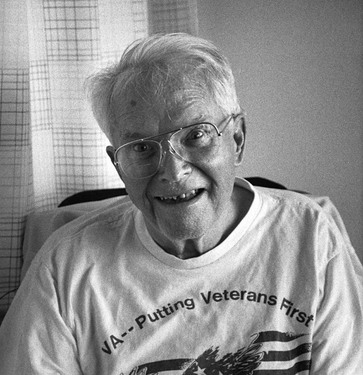
The concepts of primary and secondary aging define the aging process from a different perspective. Primary aging describes the normal, gradual changes in organ systems that, although annoying, are inevitable, experienced by everyone and not associated with disease, impairment, or disability.1 Some changes eventually become visible, as with the loss of moisture and elasticity of the skin that gives it a sagging, tired, and wrinkled appearance; or the changes in texture and color and even the loss of aging hair (Figure 3-1). Others, such as changes in visual and auditory acuity, slowed mobility, and decline in strength1 may only be noticeable by the way in which an individual performs daily routines and/or the use of assistive devices such as eyeglasses and canes. Although primary aging changes manifest themselves later in life, they actually begin to take place much earlier, and it is estimated that organ systems begin to gradually lose function and efficiency at a rate of 1% per year after age 30.1 Secondary aging changes are neither normal nor usual, are experienced by some individuals but not all, are associated with disease, injury, dysfunction, and impairment, and are frequently preventable through lifestyle changes.2
What is certain is that whether primary or secondary, normal or pathological, aging brings about changes. Baltes,4 in his Life Span Perspective, proposed that aging is marked by a series of gains and losses requiring adaptation through a process of selection, compensation, and optimization. That is, as we age and experience changes in our ability to engage in valued occupations, we select domains of function and activities that are important to us and compensate for the losses by changing the task, changing the environment in which we perform the task, or changing the manner in which we perform it. Selection and compensation allow us to optimize our engagement in life through involvement in valued roles and occupations.2 Optimal aging can then be viewed in terms of our successful adaptation and continued participation in life, a premise that Pizzi and Smith10 propose is at the very core of occupational therapy: “Successful aging … is having the physical, emotional, social and spiritual resources, combined with an ability to adapt to life changes, in order to engage in meaningful and important self-selected occupations of life as one ages.”
Aging Changes
The aging are not a homogeneous group or wrinkled versions of their younger selves. Aging is marked by physiological, cognitive, and psychosocial changes that impact a person’s occupational performance and quality of life. It stands to reason that, if aging is the sum total of all we have experienced, consumed, and/or engaged in throughout our lives, individuals who through their lifestyles have built a physiological and cognitive reserve capacity will fare better as they age than will individuals who age with limited reserves.
Having knowledge of the aging process allows COTAs to discriminate between changes that are a normal part of the process and between those that may be a sign of pathology. This knowledge is basic to designing and implementing appropriate and client-centered occupational therapy interventions. Additionally, given the time constraints and demands imposed on practitioners today, there is a risk of becoming so focused on the diagnosis and presenting problem as to exclude signs and symptoms that should not be ignored. There is also the risk of allowing stereotypes of aging to interfere with sound clinical reasoning. Being able to discriminate between what is usual or normal and what may be a manifestation of pathology allows the practitioner to design appropriate interventions, as well as to identify a potential problem and alert the appropriate health care professional(s) (i.e., the OTR, nurse, elder’s physician, etc.), so that the issue can be addressed before it becomes a serious threat to the elder’s well-being and quality of life.
Integumentary System
The integumentary system, consisting of the skin, hair, nails, sebaceous (oil), and sweats glands, has a protective and regulatory function and, indirectly, an aesthetic one as well. Smooth, healthy, and vibrant skin, hair, and nails are appreciated, sought after, and rewarded in our society. For the individual, the integrity and appearance of the integument have important implications in terms of self-appraisal, self-esteem, and self-confidence.
There are noticeable changes associated with primary aging. As we age, there is a decrease in the number of hair follicles, a slowing in the rate of growth of the follicles that remain, and a decrease in the production of melanin. These changes contribute to the loss, but, because hair also shields the scalp from the effects of the sun, the loss and thinning of hair also impair its protective function against exposure to sunlight.11
As the largest organ in the human body, the skin protects internal organs and serves as a barrier to infectious organisms and to noxious and injury-producing agents. The skin also prevents dehydration from the loss of water and is an important part of the immune system.11,12 Through sensory receptors in the skin, we are able to detect temperature, pain, touch, and pressure. Through sweat glands and superficial blood vessels, the skin is able to cool the body and regulate its internal temperature.12,13
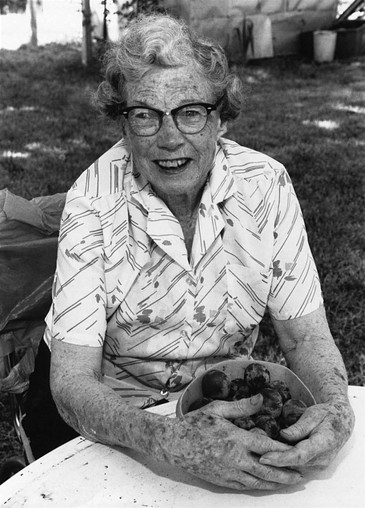
Loss of collagen and elastin, proteins that help the skin maintain its elasticity and tone, contribute to the thinning, sagging, and wrinkling of the skin, which we recognize as signs of aging. In primary aging, normal thinning of the epidermis combined with fragile capillaries and loss of fatty tissue increase the risk of bruising in older adults. These normal changes are further exacerbated in the presence of chronic conditions, such as diabetes, and the use of medications to treat these conditions. Changes precipitated by chronic conditions and medications are not normally experienced by all individuals and are associated with secondary aging.14 These physiological and structural changes in the integumentary system make aging skin more vulnerable to injury and can increase the risk of adverse health outcomes for aging persons. As an example, fatty tissue, which normally cushions the skin, becomes thinner as we age. Aesthetically, this accounts for the structural changes in the face and the aged appearance of hands and feet (Figure 3-2). Physiologically, the loss of fatty tissue increases the risk of injury to the skin and, combined with a decrease in sweat production, interferes with the skin’s ability to effectively regulate the body’s internal temperature. Functionally, the loss of padding in the feet can cause pain and discomfort while walking13 and can have implications as to the elder’s tolerance for footwear and even his or her activity level.
The sluggish replacement of epidermal cells and a decline in the production of melanin decrease the skin’s ability to protect against exposure to the sun’s ultraviolet rays and increase the risk of sunburn and skin cancer in elders.11 Blood supply to the skin, also reduced as we age, impairs wound healing and interferes with what we recognize as signs of inflammation, such as redness and swelling, which is the body’s way to alert us of an infection or injury. Injuries to the skin caused by infection or sunburn may go unnoticed in elders and treatment delayed or not provided.
Inefficient temperature regulation as a result of the reduction in sweat glands and loss of fatty tissue increases the risk of heat stroke in the aged.11 Loss of sensory receptors in the skin affects sensitivity to touch, temperature, and pain, making the elder more susceptible to cuts, abrasions, and burns. These changes in sensory receptors are also responsible for an increase in pain threshold and impaired pain localization in elders and, as in the case of injury to the skin, can preclude prompt intervention and treatment.
Nutrition and hydration play an important part in maintaining the integrity of the skin and other components of the integumentary system. The frailty and decreased resilience of aging skin are further compromised by the use of prescription and over-the-counter medications that make it more susceptible to the effects of sun exposure, more prone to bleeding, and less able to heal. COTAs need to be particularly cautious when working on transfers with elders to prevent skin injuries. Avoiding and addressing pressure areas from splints and braces, from prolonged sitting and improper seating equipment, or from confinement to bed can prevent complications from wounds that endanger the health and well-being of elders.
Neuromusculoskeletal System
Aging of the nervous system is characterized by morphological and biological changes, which have an effect on the integrity and function of other systems as well. Aging brains undergo atrophic changes, decreased weight, and enlargement of the ventricles with loss of adjacent white and gray matter, which affect the normal activity of nerve cells and their processes. Loss of neurons and dendritic changes and impaired nerve conduction velocity affect the neuron’s ability to communicate with other nerve cells.15
This biochemical, structural, and metabolic alterations in the aging nervous system have an effect on sensory and motor function, coordination, reaction time, gait, and proprioception. However, despite their potential effect, research has not been able to clearly establish an association between these aging changes and specific declines in functional performance. One explanation that has been offered is that the aged respond to nervous system changes in individual ways, so that changes that would precipitate functional decline and even dementia in some will not have the same effect on others. Another explanation is that of neuroplasticity, the ability of the brain to reorganize and form new pathways to compensate for atrophic changes and neuronal losses so that functional performance is maintained. Yet another explanation has been that changes in the nervous system may not have implications for the functional performance of daily activities of young-old adults (75 years of age and younger) but that the effect is more significant in those age 75 and older.15
Skeletal System
Skeletal system changes resulting from primary aging are responsible for a decline in bone density, lowered skeletal resistance to stress, and loss of skeletal flexibility and mobility. While both men and women experience age-related changes in bone density, the change is most pronounced in women following menopause and is associated with a decrease in estrogen.16 Structural and physiological changes in muscles contribute to a loss in strength. Weak postural muscles and loss of bone density and cartilage in the vertebrae are responsible for the “shortening” and stooped and round-shouldered posture (kyphosis) often seen in elderly individuals.
While some skeletal changes result from the wear and tear caused by normal aging, others are the result of disease processes or trauma. Degenerative changes in the joints are frequently caused by osteoarthritis (OA), a condition that affects about 50% of the population age 65 years and older. Although OA generally involves weight-bearing joints such as the vertebrae, hips, and knees, it can also affect joints in the elbows, hands, and wrists. Osteoarthritic changes can cause pain and limited range of motion and consequently may have an impact on quality of life, but they are not life threatening and can be treated with medication, joint protection, surgery, therapy, and exercise.15 Rheumatoid arthritis (RA) is a progressive autoimmune disease with onset in young adulthood or midlife. RA initially presents with inflammation and pain in the metacarpophalangeal and interphalangeal joints of the hands and eventually progresses to other organs. Signs and symptoms include inflammation, pain, joint deformities, fatigue, and weight loss. RA severely impairs functional performance and quality of life.
Osteoporosis is a disease that causes bone to become more porous and brittle and more prone to fracture. Although the disease affects both genders, it is more prevalent in women and is associated with drops in estrogen levels experienced with menopause. The risk of osteoporosis is lessened by building up a reserve starting in young adulthood through a diet rich in calcium and vitamins and exercise that includes weight-bearing activities, which are essential for maintaining bone density.2,17 Occupational therapy interventions have shown promise in helping adults with osteoporosis maintain physical health and engagement in valued activities.18
Hundreds of thousands of fibers (muscle cells) make up each of approximately 350 skeletal muscles in the human body. These muscle fibers and the branches of motor nerves that innervate them form motor units (MUs) of varying sizes, depending on the work required of the muscle. At about age 30 we begin to experience declines in physical strength, speed, and control that continue gradually at an estimated rate of 10% to 15% per decade of life.19 The rate of decline increases around our mid-fifties and, compared to young adults, may be as high as 50% for persons in their seventies and eighties.19 This decline in strength, which depending on the muscle can range from 12% to 60%, is mainly due to physiological changes affecting muscle mass.20 This age-associated loss of muscle mass (sarcopenia) involves decrements in both the number of muscle fibers and the size of the fibers, which affect the strength of the muscle contraction. However, research suggests it is the decrease in the number of fibers, rather than a change in their size, that accounts for the decline in strength.21 Additionally, as MUs are lost, remaining units provide compensatory innervations, but these result in altered firing patterns that contribute to deficiencies in speed, motor control, and strength.21
Sarcopenia is responsible for functional declines in older persons22,23 and is associated with physiological changes that increase the risk of disease in this population. Physiologically, as muscle mass declines there is an increase in the deposition of fatty tissue (adiposity) in and around the muscle with a subsequent decline in basal metabolism, which increases the risk for obesity, malnutrition, and diabetes.24 Functionally, changes in strength, motor control, and fatigability contribute to difficulties with balance, activities of daily living (ADL), and instrumental activities of daily living (IADL) performance in elders. Research conducted by McGee and Mathiowetz25 found an association between the strength of shoulder abductors and external rotators on IADL function and elbow extensors on the ability to shop for groceries. Sarcopenia, unaddressed, increases the risk for falls and fractures, frailty, loss of independence, and can lead to a less than optimal quality of life.26
Elders naturally compensate for changes in strength and functional capacity by avoiding tasks that require high levels of force and by performing tasks at a slower pace. Compensation can be observed in gait patterns as well, with elders typically taking shorter steps and walking at a slower pace, maintaining a smaller heel-to-ground angle while walking and exhibiting a wider stance. The key in working with elders is to encourage and maintain a reasonable level of activity and prevent hypokinesis because inactivity can accelerate the loss of strength and endurance and further compromise mobility, ADL, and IADL performance.
Improving muscle strength and endurance in elders is crucial, and research indicates that exercise can reduce and even reverse the effects of sarcopenia.21,27 COTAs working with elders should ensure that exercise programs take into account cultural, gender, and individual factors and preferences and incorporate functional activities because there is evidence of the sustained benefits of functional task exercise programs to improve daily function.28 Community dwelling elders should be encouraged to participate in personally valued occupations that incorporate physical activity such as gardening, grocery shopping, golfing, mall walking, and so on. COTAs should also take advantage of opportunities to educate elders and their caregivers on the importance of proper nutrition and hydration in maintaining muscle strength, endurance, and overall health.
Cardiopulmonary System
With age, the inner lining of the heart (endocardium) becomes fibrotic (more rigid and thicker), fatty tissue builds up in the heart and surrounding area, and there is a decline in the number of pacemaker cells that regulate the rhythm of the cardiac contraction.11 Changes in the elastin of the arterial walls cause the walls to become thicker, more rigid, dilated, elongated, and twisted.29 These arteriosclerotic changes have been associated with the development of systolic hypertension, which increases the risk of cardiovascular disease, disability, and mortality in individuals age 60 years and older.30,31 Loss of elasticity in the heart valves can cause disruptions in the normal rhythm of the flow and may lead to the development of heart murmurs.29 Structural and physiological changes in the heart and cardiovascular system reduce the efficiency of the cardiac muscle and its ability to respond to sympathetic stimulation. As a result, the stroke volume, maximum heart rate, and cardiac output decrease. These changes, which seem to not have a significant effect on the organism at rest, are noticeably altered in response to external stress, as when the organism is challenged during physical exertion. As a result, and compared to younger adults, the elderly have less endurance, tire more quickly, and experience shortness of breath in response to exercise.11 Practitioners should take these changes into account when designing therapeutic interventions for older patients to ensure that exercises and activities meet specific goals and avoid unnecessary exertion.
In the pulmonary system, effective gas exchange is compromised by a decrease in lung volume associated with the loss of elasticity in the lungs and in the medium and small airways. Pulmonary function is further affected by neuromuscular and musculoskeletal changes that increase the effort required to breathe. These changes include weakened respiratory and postural muscles, changes in the costovertebral joints, and increased kyphosis, which affect the flexibility of the thoracic cage and prevent the normal movement of the chest wall, reducing the efficiency of the pulmonary system.32,33,34
Immune System
Immunosenescence is a term that refers to the changes in immune function that contribute to the increased susceptibility to disease in elders. Recent research suggests that immunosenescence is not likely the result of primary aging,35,36 but rather is due to secondary changes caused by environmental and lifestyle factors, even in healthy elders free of chronic illnesses. Nutrition, exercise, and even medications taken over the life span can influence immune function as we age. Over time, the epithelial barriers of the skin, lungs, and digestive tract break down, making us more susceptible to pathogens.37 On a cellular level, immune cells such as T cells and B cells behave differently in the aging body. The ability of these cells to respond to the threat of foreign bodies is diminished, increasing the risk of acquiring infections such as influenza and pneumonia.38 Immunosenescence not only affects the immune system’s ability to protect against disease, but also has a suppressant effect on vaccines, making them less effective in the aging. Elders should consult with their physicians and keep their influenza and pneumonia vaccinations up to date.39 As a way of counteracting the effects of immunosenescence, physicians may recommend proper nutrition, vitamin and nutritional supplements, hormone therapy, or the administration of multiple doses of vaccines to boost their effectiveness.39
Given the effect of the aging immune system on its ability to protect against infections, COTAs should be aware of other factors that increase the risk of infection in older individuals. Hospitalized and institutionalized elders are at risk of acquiring serious and sometimes fatal iatrogenic (caused by medical treatment) and nosocomial (facility acquired) infections such as methicillin resistant Staphylococcus aureus (MRSA), Clostridium difficile (C-Diff), and vancomycin resistant Enterococcus (VRE). COTAs should observe universal precautions with elders and be alert for signs of possible infection and report them to the nurse, nurse practitioner, or physician so that proper assessment and treatment can be provided and preventable and life-threatening complications avoided.
Cognition
As with the effect of aging on other bodily systems and physical abilities, the effect of aging on cognitive abilities is influenced by both personal and environmental factors. Cognition is influenced by our genetic makeup, lifestyle choices, health status, and by the external environments that have either provided opportunities for optimal development throughout our life span or have precluded us from achieving our optimal capacity. Just as reserve capacity in muscular strength varies across individuals based on their habitual level and types of activity, maintaining good intellectual functioning has been associated with factors such as achieving a high level of education and employment, having an intact family, engaging in activities that enhance cognitive abilities, enjoying good health, and having good sensory function.
In terms of age-related changes, research studies indicate that elders experience a slowing in information processing and psychomotor speed, deficits in tasks requiring abstraction, set-shifting, and divided attention, and declines in fluid intelligence. The latter, contingent on the health of the central nervous system (CNS), reflects intellectual processes that impact numerical reasoning and logic. Fluid intelligence allows us to solve novel problems and “think on our feet” when presented with new situations. It represents intelligence that is not a product of learning and is not influenced by social or cultural factors. In contrast is crystallized intelligence, the knowledge accumulated through the life span.40
For elders, executive function is crucial in setting and managing doctors’ appointments, anticipating medication refills, anticipating and identifying hazards, and problem-solving their way out of situations, including those that may be potentially dangerous. Fluid abilities play an important part when faced with new situations, such as those patients often encounter in rehabilitation when they have to learn novel ways of doing routine activities, manage new medical and dietary regimes, or apply safety precautions.
Studies also indicate that factors such as physical illness, chronic conditions, depression, neurological damage, medication side effects, drug interactions, and the effects of surgery and anesthesia may also cause varying degrees of cognitive impairment.41-43 Impairment of cognitive function is known to affect treatment and rehabilitation outcomes for elders and increases their likelihood of institutionalization.
Differentiating between normal age-related alterations in cognition and abnormal changes in cognitive function is crucial in geriatric rehabilitation. Screening/assessing the cognitive status of elders in occupational therapy is useful in establishing treatment plans based on ability to function, determining the type and extent of assistance needed, and addressing safety issues. Identification of cognitive impairment can lead to referrals for further evaluation, allow for treatment of reversible conditions, provide early intervention in cases of progressive decline, and assist with caregiver education.
Suitable screening and assessment instruments should be standardized, valid, and reliable, and explore the individual’s capacity to problem-solve, shift, and divide attention. Conversing with a patient and/or observing the individual perform a familiar ADL can be misleading because people frequently retain social skills in the presence of a cognitive impairment, and ADL are overlearned activities and therefore not a good measure of ability to problem-solve, learn, and safely engage in ADL and IADL.
Sensory System
In our later years, almost every aspect of our sensory systems experiences a change in functioning. These changes can negatively impact social participation, occupational engagement, physical health, and overall quality of life.44,45 When designing and implementing treatment activities for elders, occupational therapy professionals should understand the nature and consequences of age-related sensory changes and how elders typically respond to such changes.
Olfactory and Gustatory
It is estimated that almost a quarter of adults age 50 years and older experience impaired olfaction, and that the prevalence of this sensory impairment increases with age, as the number of olfactory receptor neurons and supporting cells in the olfactory epithelium decrease.46 It is unclear whether anatomical changes in the taste system are to blame for changes in taste sensation, but it has been suggested that there may be a loss of taste buds or age-related changes to the taste cell membranes.46 It is difficult to differentiate between primary and secondary changes to olfaction and taste. Like many other age-related changes, factors such as age, gender, and lifestyle are most commonly linked to chemosensory changes. Medical conditions, including neurological disorders such as Alzheimer’s disease, endocrine disorders, nutritional deficiencies, cancer, and viruses, as well as medications taken, can all be contributors to alterations in taste and smell function.46,47
Age-related changes in the chemical senses of smell and taste are less apparent than many other sensory changes and therefore are typically less likely to be addressed. Impairment of chemical senses is really an issue of safety. Proper olfactory function alerts us to noxious odors that may themselves be detrimental to health or may indicate the presence of harmful gases such as methane. If the olfactory sense is impaired, an older adult may not realize that he or she has failed to turn off a gas stove or may not notice the smell of smoke. Impairment in taste may also pose a safety threat because an elder with diminished taste may not realize when food is spoiled. Because these changes are not reversible, it is important that elders learn to compensate for impairment of these senses.
Beyond concern for safety, changes in smell and taste function can impact quality of life.47 Some studies have found that elders with chemosensory impairments report changes in mood, functional impairments such as difficulties with cooking and preparing foods, and lowered enjoyment in other areas of life.44,46 Additionally, changes in taste and smell can negatively impact social participation. In many cultures, occupations of preparing food and sharing meals are central and profoundly influence quality of life. Chemosensory impairments can lead to decreased engagement or enjoyment of such activities. Impairments in olfaction may also be a source of uncertainty or vulnerability for elders because they may not be aware of personal body odor or the presence of dangerous fumes.44
Perhaps the most important issue regarding impairment in chemosensory functioning is the impact on physical health. Alterations in taste and smell have been found to be associated with decreased food intake and nutritional status.46-48 The literature refers to this phenomenon as the “anorexia of aging.” Many elders experience a loss of appetite,44,46-48 perhaps because it is the enticing aroma of food that stimulates hunger or because a decreased intake of food leads to decreases in the need for food or, as some research suggests, because elders may experience changes in the digestive system that make them feel satiated sooner.47,48 The issue of excessive weight gain or loss is also of concern for elders. Changes of taste and smell have been linked to a reduction in the consumption of nutrient-rich foods and overconsumption of foods high in fat, sugar, and salt.46 Anorexia of aging has been linked to protein deficiencies that may contribute to impaired muscle function, impaired cognition, decreased bone mass, immune dysfunction, anemia, poor wound healing, and generally increased morbidity and mortality.49
There are several ways that COTAs can help remediate the negative consequences of olfactory and gustatory sensory impairments. The first is to educate elders about proper nutrition and appropriate food intake. The next is to make adaptations to food by adding flavorings that enhance taste without excessive salt, sugar, or fat or by designing meals that provide a variety of flavors, textures, and temperatures.46 Collaborating with nutritionists and speech therapists whenever possible is recommended to address nutritional needs of elders. Last, because the social and temporal contexts in which meals take place can influence food intake, encouraging elders to consume meals with others and by creating a socially enriching environment for mealtime, COTAs may be able to ensure adequate nutritional intake.
Somatosensory and Kinesthetic
Proprioception is the sense that makes us aware of our body’s position in space and gives us information about the static position as well as the kinesthetic movement of our joints.50 Somatosensory and kinesthetic senses are clinically tested through passive movement to determine whether individuals are able to detect changes in joint position.
Proprioceptive function in the lower extremities has been extensively researched and found to decline with age and to affect elders sensorimotor performance, particularly balance. Problems with balance not only increase elders’ risks for falling, but also may lead to restricted activity in response to a fear of falling and ultimately contribute to further decline. Less research has been conducted on the effect of aging on upper extremity somatosensory and kinesthetic function, but there is evidence of an age-related decline that contributes to decreased coordination during tasks involving the upper extremities. Research also suggests that declines in kinesthetic memory, the ability to perceive and remember movement patterns, may contribute to difficulty in learning new motor tasks.51
Studies indicate that, compared to younger subjects, elders experience more difficulty sensing joint movement and that this may result from the combined effect of changes in the peripheral nervous system and in central processing abilities.50 There are also indications that age-related somatosensory and kinesthetic changes progress from distal to proximal joints. Exercises such as Tai Chi, with its slow and deliberate movements and a constant focus on monitoring motion, have been successful in improving position sense in elders.50
As with other declines in function, elders appear to compensate for these somatosensory changes by reducing the amplitude and the speed of their movements to maintain balance.52 This type of compensation, mediated by the CNS, allows older individuals to remain functional. Conversely, changes leading to the loss of integrity of the CNS interfere with this integrative function, leading to disability.52
Summary
Aging is marked by physiological, sensory, cognitive, and psychosocial changes that impact a person’s occupational performance and quality of life. The process of aging is universal in that we all experience age-related changes; however, the rate at which we age varies both across individuals and even organ systems within the individual. Aging is the product of our genetic and biological makeup, our life’s experiences, our lifestyle decisions and choices, and the effect of the contexts or environments of which we have been a part. Therefore, it stands to reason that individuals who, through their lifestyles, have built physiological and cognitive reserve capacity will fare better as they age than individuals who age with limited reserves.
This chapter explored two major categories of aging—primary aging, the normal gradual changes in organ systems experienced by everyone and not associated with disease, impairment, or disability; and secondary aging, changes that are experienced by some individuals but not all, are associated with disease, injury, dysfunction, and impairment, and are frequently preventable through lifestyle changes.
Baltes’ Life Span Perspective4 proposes that aging is marked by a series of gains and losses (multidirectionality) requiring adaptation through a process of selection, compensation, and optimization. That is, as we experience changes in our ability to engage in valued occupations, we select domains of function and activities that are important to us and compensate for the losses by changing the task, changing the environment in which we perform the task, or changing the manner in which we perform it. Selection and compensation allow us to optimize our engagement in life through involvement in valued roles and occupations. Elders compensate for changes in strength and functional capacity by avoiding tasks that require high levels of force and performing tasks at a slower pace. Compensation can be observed in gait patterns as well, that is, shorter steps, slower pace, and maintaining a wider stance when walking.
Having knowledge of the aging process allows OTRs and COTAs to discriminate between changes that are a normal part of the process and those that may be a sign of pathology. This knowledge is basic to designing and implementing appropriate and client-centered occupational therapy interventions and proactively identifying abnormal conditions that may require treatment or referral to other professionals.
Musculoskeletal changes affect our strength and predispose us to conditions such as osteoporosis and osteoarthritis. Sensory changes affect our ability to receive and process sensory stimulus and can lead to isolation, depression, and impaired quality of life. Cardiovascular and pulmonary changes, which seem to not have a significant effect on the organism at rest, are noticeably altered during physical exertion. As a result, and compared to younger adults, the elderly have less endurance, tire more quickly, and experience shortness of breath in response to exercise. Practitioners should take these changes into account when designing therapeutic interventions for older patients to ensure that exercises and activities meet specific goals and avoid unnecessary exertion.
Immunosenescence not only affects the immune system’s ability to protect against disease, but also has a suppressant effect on vaccines, making them less effective in the aging. Given the effect of aging on the immune system’s ability to protect against infections, COTAs should be aware of other factors that increase the risk of infection in older individuals, observe universal precautions with all of their patients and residents, and be alert for signs of possible infection and report them to the nurse, nurse practitioner, or physician so that proper assessment and treatment can be provided and preventable and life-threatening complications avoided.
Information processing and psychomotor speed slow down with aging, and we experience deficits with tasks requiring abstraction, set-shifting, and divided attention. Fluid intelligence has an important function in dealing with new situations, such as those patients often encounter in rehabilitation when they have to learn novel ways of doing routine activities, manage new medical and dietary regimes, or apply safety precautions. Whereas fluid intelligence declines with normal aging, crystallized intelligence, the knowledge we accumulate, increases throughout the life span.
Age-related changes affecting smell and taste are less apparent and frequently not addressed. Taste and smell have a safety function in that they allow us to identify spoiled food and smell leaking gas or smoke. In terms of quality of life, they are important for food consumption, cooking, and social participation. Ultimately, these sensory impairments affect nutritional status, may lead to anorexia, and impact physical health.
Practitioners working with elders should provide client-centered, occupation-based interventions. The key in working with elders is to promote engagement in valued roles and occupations. Elders should be encouraged to remain active and prevent hypokinesis because inactivity can accelerate the loss of strength and endurance and further compromise mobility, ADL and IADL performance, and increase the risk of falling.
Case Study
Shirley is a 68-year-old married woman admitted to a skilled nursing facility (SNF) after a 5-day hospital stay for a left hip replacement secondary to a fall in her home. Tasha is the COTA working with Shirley. On reviewing Shirley’s OT evaluation, Tasha noted that Shirley had been diagnosed with multiple sclerosis (MS) approximately 20 years earlier, had a history of osteoporosis and panic disorder, and had recently experienced several falls. At the time of evaluation, Shirley required moderate assistance with ADL and mobility.
Over the course of Shirley’s 15-day stay at the SNF, Tasha found a client-centered approach to be helpful, especially in helping Shirley manage her increased anxiety and feelings of loss of control within the environment. Because Shirley’s MS was affecting her ability to remember new information, Tasha included Shirley’s husband when providing patient/caregiver education. Tasha also suggested placing a cue card on the front-wheeled walker listing the steps for incorporating total hip precautions during mobility, as a memory aid for Shirley. Based on Shirley’s goals to be more independent in ADL, Tasha instructed her and her husband in the use of adaptive equipment for the lower extremities and provided them with information on the senior citizens group that furnished loaner durable medical equipment for the bathroom. Shirley called to arrange for a shower seat and bedside commode to be delivered to her home before discharge. In addition, Shirley also pursued ordering the adaptive equipment that Tasha had recommended through a local vendor and had the items sent to the SNF. As part of Shirley’s plan of care to improve IADL performance, Tasha established a home exercise program to increase upper extremity strength and instructed both Shirley and her husband to promote compliance and safety.
In terms of IADL, Tasha also spent several sessions focusing on Shirley’s goal of improving function with simple meal preparation and laundry tasks. Tasha incorporated total hip precautions and energy conservation/work simplification techniques with the IADL tasks to prevent fatigue and reduce the risk of falling. Responding to Shirley’s concerns about being able to manage safely at home, Tasha recommended a home visit to assess home safety. On her discharge from the facility, Shirley’s anxiety and low frustration level had markedly diminished. Involving Shirley in the treatment plan allowed her to become independent in performing occupations that she valued. Use of the recommended adaptive and durable medical equipment facilitated her post-surgical recovery and improved her functional status while preventing undue fatigue and decreasing her risk for falls.
Case Study Review Questions
1. List the strategies used by the COTA to compensate for the primary and secondary aging process changes exhibited by the patients.
2. Identify possible negative outcomes if there had been no OT intervention.
3. What are the positive outcomes that were achieved?
4. Discuss the influence of a client-centered approach with the case study.
1. Explain the differences between primary and secondary aging.
2. Summarize primary and secondary changes, and describe possible functional implications of these changes for each of the following: cognitive, integumentary, cardiopulmonary, skeletal, muscular, neurological, and sensory systems.
3. Discuss why COTAs should have knowledge of sensory and physiological changes in elders.
1 Erber J. Aging and Older Adulthood. Belmont, CA: Thomson Learning; 2005.
2 Kail R., Cavanaugh J. Human Development: A Lifespan View, 4th ed. Belmont, CA: Thomson Learning; 2007.
3 Hayflick L. The future of aging. Nature. 2000;408:267-269.
4 Baltes P. Theoretical propositions of life-span developmental psychology: On the dynamics of growth and decline. Developmental Psychology. 1987;23(5):611-626.
5 Ferrucci L., Giallauria F., Guralnik J. Epidemiology of aging. Radiologic Clinics of North America. 2008;46(4):643.
6 Institute of Medicine. Retooling for an aging America: Building the health care workforce. Retrieved from www.iom.edu/Reports/2008/Retooling-for-an-Aging-America-Building-the-Health-Care-Workforce.aspx
7 AOTA Commission on Practice. Occupational therapy practice framework: Domain and process, 2nd ed. American Journal of Occupational Therapy. 2008;62(6):625-683.
8 Bonder B. Growing old in today’s world. In: Bonder B., editor. Functional Performance in Older Adults. Philadelphia: FA Davis, 2009.
9 McLaughlin S., Connell C., Heeringa S., Li L., Roberts R. Successful aging in the United States: Prevalence estimates from a national sample of older adults. Journal of Gerontology: Social Sciences. 2009;Dec:1-11.
10 Pizzi M., Smith T. Promoting successful aging through occupation. In: Scaffa M., Reita T., Pizzi M., editors. Occupational Therapy in the Promotion of Health and Wellness. Philadelphia: FA Davis, 2010.
11 Sandmire D. The physiology and pathology of aging. In: Chop W.C., Robnett R.H., editors. Gerontology for the Health Care Professional. Philadelphia: FA Davis, 1999.
12 Boelsma E., Hendricks H., Roza L. Nutritional skin care: Health effects of micronutrients and fatty acids. American Journal of Clinical Nutrition. 2001;73(5):853-864.
13 Framgen B., Frucht S. Medical Terminology: A Living Language, 3rd ed. Upper Saddle River, NJ: Pearson; 2005.
14 Mosqueda L., Burnight K., Liao S. The life cycle of bruises in older adults. Journal of the American Geriatrics Society. 2005;53:1339-1343.
15 Dal Bello-Haas V. Neuromusculoskeletal and movement function. In: Bonder B.R., Dal Bello-Haas V., editors. Functional Performance in Older Adults. Philadelphia: FA Davis; 2009:130-176.
16 Warming L., Hassager C., Christiansen C. Changes in bone mineral density with age in men and women: A longitudinal study. Osteoporosis International. 2002;13:105-112.
17 Yee B., Williams B. Medication management and appropriate substance use for elderly individuals. In: Lewis C.B., editor. Aging: The Health-Care Challenge. Philadelphia: FA Davis; 2002:243-274.
18 Randles N., Randolph E., Schell B., Grant S. The impact of occupational therapy intervention on adults with osteoporosis: A pilot study. Physical & Occupational Therapy in Geriatrics. 2003;22(2):43-56. doi:10.1300/J148v22n02_04
19 Rice C. Muscle function at the motor unit level: Consequences of aging. Topics in Geriatric Rehabilitation. 2000;15(3):70-82.
20 Frontera W., Hughes V., Fielding R., Fiatarone M., Evans W., Roubenoff R. Aging of skeletal muscle: A 12-year longitudinal study. Journal of Applied Physiology. 2000;88(4):1321-1326. doi:8750-7587/00
21 Williams G., Higgins M., Lewek M. Aging skeletal muscle: Physiological changes and the effects of training. Physical Therapy. 2002;82(1):62-68.
22 Kamel H. Sarcopenia and aging. Nutrition Review. 2003;61(5):157-167. doi:10.131/nr.2003.may.157-167
23 Lauretani F., Russo R., Bandinelli S., Bartali B., Cavazzini C., Di Iorio A., et al. Age-associated changes in skeletal muscles and their effect on mobility: An operational diagnosis of sarcopenia. Journal of Applied Physiology. 2003;95:1851-1860.
24 Jaaffe D., Marcus R. Musculoskeletal health and the older adult. Journal of Rehabilitation Research and Development. 2000;37(2):245-254.
25 McGee C., Mathiowetz V. The relationship between upper extremity strength and instrumental activities of daily living performance among elderly women. OTJR: Occupation, Participation, and Health. 2003;23(4):143-154.
26 Faulkner J., Brooks S. Skeletal muscle. In: Schulz R., Naelker L., Rockwood K., Sprott R., editors. The Encyclopedia of Aging. New York: Springer; 2006:107-1077.
27 Larsson L., Ramamurthy B. Age-related changes in skeletal muscle: Mechanisms and interventions. Drugs and Aging. 2000;17(4):303-316. doi:1170-229X/00/0010-0303
28 De Vreede P., Samsom M., Meeteren N., Duursma S., Verhaar H. Functional-task exercise vs. resistance strength exercise to improve daily function in older women: A randomized controlled trial. Journal of the American Geriatrics Society. 2005;53(1):2-10.
29 White H., Sullivan R. Cardiovascular aging. In: Schulz R., Noelker L., Rockwood K., Sprott R., editors. The Encyclopedia of Aging. New York: Springer, 2006.
30 McEviery C., Yasmin, Hall I., Qasem A., Wilkinson I., Cockroft R. Normal vascular aging: Differential effects on wave reflection and aortic pulse wave velocity: The Anglo-Cardiff Collaborative Trial (ACCT). Journal of American Cardiology. 2005;46:1753-1760.
31 Najjar S., Scuteri A., Lakatta E. Arterial aging: Is it an immutable cardiovascular risk factor? Hypertension. 2005;46:454-462.
32 Dean E., DeAndrade A.D. Cardiovascular and pulmonary function. In: Bonder B.R., DalBello-Haas V., editors. Functional Performance in Older Adults. Philadelphia: FA Davis, 2009.
33 Ekstrum J., Black L., Paschal K. Effects of a thoracic mobility and respiratory exercise program on pulmonary function and functional capacity in older adults. Physical and Occupational Therapy in Geriatrics. 2009;27(4):310-327.
34 Gonzalez J., Coast J.R., Lawler J.M., Welch H.G. A chest wall restrictor to study effects on pulmonary function and exercise. Respiration. 1999;66(2):188-194.
35 Ahluwalia N. Aging, nutrition, and immune function. Journal of Nutrition, Health, and Aging. 2004;8(1):2-6.
36 Drela N., Kozdron E., Szczypiorski P. Moderate exercise may attenuate some aspects of immunosenescence. BMC Geriatrics. 2004;29:4-8.
37 Gomez C., Boehmer E., Kovacs E. The aging innate immune system. Current Opinion in Immunology. 2005;17:457-462.
38 Hodes R. Aging and the immune system. Current Opinion in Immunology. 2005;17:455-456.
39 Kumar R., Burns E. Age-related decline in immunity: Implications for vaccine responsiveness. Expert Review of Vaccines. 2008;7(4):467-479.
40 Perez-Riley K. Mental function. In: Bonder B.R., Dal Bello-Haas V., editors. Functional Performance in Older Adults. Philadelphia: FA Davis, 2009.
41 Cohen-Zion M., Stepnowsky C., Johnson S., et al. Cognitive changes and sleep disordered breathing in the elderly: Differences in race. Journal of Psychosomatic Research. 2004;56(5):549-553.
42 Cohendy R., Brougere A., Cuvillon P. Anesthesia in older patients. Current Opinion in Clinical Nutrition and Metabolic Care. 2005;8(17):17-21.
43 Raz N., Rodrigue K., Acker J. Hypertension and the brain: Vulnerability of the prefrontal regions and executive function. Behavioral Neuroscience. 2003;117(6):1169-1180.
44 Hummel T., Nordin S. Olfactory disorders and their consequences for quality of life. Acta Oto-Laryngologica. 2005;125(2):116-121.
45 Teitelman J., Copolillo A. Psychosocial issues in older adults’ adjustment to vision loss: Findings from qualitative interviews and focus groups. American Journal of Occupational Therapy. 2005;59:409-417.
46 Seiberling K., Conley D. Aging and olfactory and taste function. Otolaryngologic Clinics of North America. 2004;37:1209-1228.
47 Donini L., Savina C., Cannella C. Eating habits and appetite control in the elderly: The anorexia of aging. International Psychogeriatrics. 2003;15(1):73-87.
48 Chapman I. The anorexia of aging. Clinics in Geriatric Medicine. 2007;23:735-756.
49 Harris C., Fraser C. Malnutrition in institutionalized elders: The effects on wound healing. Ostomy Wound Management. 2004;50(10):54-63.
50 Goble D., Coxon J., Wenderoth N., Van Impe A., Swinnen S. Proprioceptive sensibility in the elderly: Degeneration, functional consequences, and plastic-adaptive processes. Neuroscience and Biobehavioral Reviews. 2009;3:271-278.
51 Fry-Welch D., Campbell J., Foltz B., et al. Age-related changes in upper extremity kinesthetics. Physical and Occupational Therapy in Geriatrics. 2009;20(3):137-154.
52 Paquette C., Paquet N., Fung J. Aging affects coordination of rapid head motions with trunk and pelvic movements during standing and walking. Gait and Posture. 2006;24:62-69.