APPENDIX 4 Shampoo therapy
Shampoo therapy is frequently of value in the management of skin disease, either as a sole therapy or used as an adjunct to systemic treatment.
There are a wide variety of shampoos available and shampoo selection depends on the therapeutic goal.
The most common uses for shampoo therapy are:
A shampoo may be required to address more than one of these indications at a time.
SHAMPOO TERMINOLOGY
Moisturizers increase the water content of the stratum corneum, and by doing so soften the skin and hair coat. There are two types of moisturizers: humectants and emollients. Humectants are hygroscopic; they draw water into the skin by absorbing many times their own molecular weight of water. Emollients are oils or other occlusive substances which trap water next to the skin. They work best if applied immediately after bathing.
Antiseborrhoeics reduce scaling and have keratoplastic and/or keratolytic activity. Keratoplastic products reduce scaling by slowing down epithelial turnover time, whereas keratolytics break down adhesions between corneocytes, increasing desquamation.
Microvesicle. Many shampoos contain microvesicle technology. These are microscopic, layered spheres that have greatly benefited shampoo treatments by giving a sustained release of the active ingredient over time. The microvesicle binds to skin and hair and is not rinsed away.
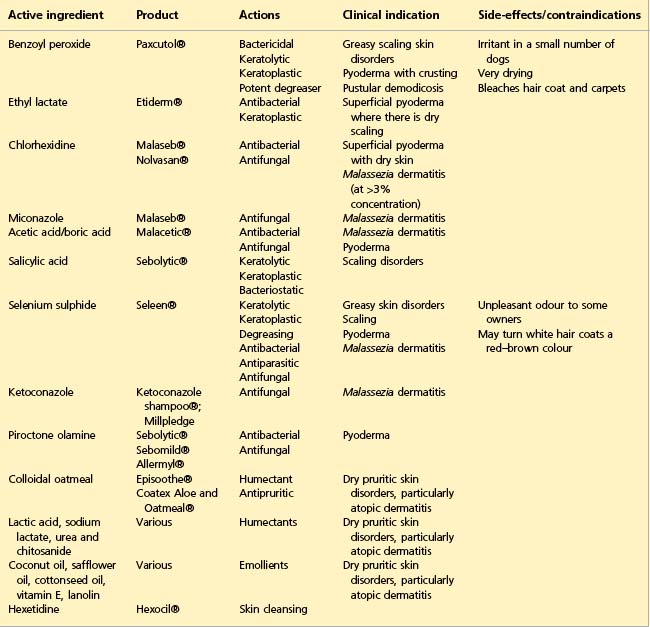
Table A4.1 shows a list of the more common ingredients and actions of shampoos currently available in the UK. The list is not comprehensive and there are additional, effective products that are not listed.