Page 102 

Chapter 9 Companion animal health and welfare

Jane Williams

CHAPTER CONTENTS

Buying and choosing a pet 102
Spread of infection 102
Promotion of health 106
Infectious diseases of companion animal species 109

This chapter introduces the general principles of animal health and welfare, and then continues to apply these to dogs and cats specifically. The impacts of the five needs for the average pet owner are considered to promote responsible pet ownership. Routine prophylactic measures that should be employed in companion animal species are described and the pathogens they often serve to prevent are discussed.

BUYING AND CHOOSING A PET

For many people buying a pet happens as a result of a ‘spur of the moment’ decision. Pets can become ideal companions or your worst nightmare. Pet owners have a legal responsibility to their pet to keep it in good health and in suitable conditions; in the UK this is governed by the Animal Welfare Act 2006.

The Animal Welfare Act 2006 states that all animal owners have a legal ‘duty of care’ to ensure the welfare of their pet. It identifies the five freedoms or key needs of every animal:

1. The need for a proper diet (including water)
2. The need for somewhere suitable to live
3. The need to be housed with, or apart from, other animals (as appropriate)
4. The need to express their normal behaviour
5. The need to be protected from pain, suffering, injury and disease.

While many pet owners already provide for these needs, anyone who fails to do so could be liable for a fine or even a prison sentence. The duty of care can be applied to the owner of the animal, any person in charge of the animal in lieu of the owner, e.g. veterinary surgeon or boarding kennels, and a parent or guardian if the owner is under 16 years of age and legally not an adult.

The five key needs provide legal definitions which quantify animal health and welfare not just for companion animal species but for all farm animals and wild animals kept in captivity. The achievement of some of the key needs, for example the need for a proper diet, can appear relatively clear to the pet owner whilst others require a more thorough understanding of the animal species, for example the need to express normal behaviour. The definition of the key needs has provided a forum for animal welfare organisations to police pet owners and animal keepers to enable animals to be seized and prosecution to occur if intent or neglect is intended without the need for suffering to have actually taken place. Tables 9.1 and 9.2 identify some of the factors prospective pet owners should consider when choosing a suitable pet.

Table 9.1 Factors to consider when choosing a pet

Who is the pet for?
Young family
Elderly person
Working owner
Does the owner work?
Full-time
Part-time
Can the pet go to the workplace?
Would there be a pet sitter?
Is the owner disabled?
How severely?
Does the owner have any assistance?
Will there be contact with children? What are their ages?
Own children
Neighbours
Friends or family
Who is going to be responsible for the pet?
Adult
Children (legally, pet owners must be over 16 years of age)
How much time will be dedicated to looking after the pet?
Cleaning
Walking
Training
Companionship
How often do the owners go on holiday? Will the pet go with them?
Pet travel scheme
Cost of kennels/cattery
Who will look after the pet?
Where do the owners live? What type of house?
Garden
Back yard
Flat
Communal
Neighbours
What type of pet would be considered?
Species
Breed
Short or long hair
Age
Specialist knowledge/equipment required
Rehoming

Table 9.2 Factors to consider when assessing suitability of animals as family pets

Family
Children: will they treat the animal as a toy? Could they be bitten?
Lack of free time
Possible behavioural/hierarchy problems
Teach responsibility
Working owners
How much spare time will they have?
Housing animal whilst at work
Provision of exercise
Financial implications
Vet bills: provision of basic annual cost and emergencies throughout the pet’s life
Feeding costs
Housing/bedding costs
Lighting costs
Insurance – legal cover in case the pet causes an accident
Other pets – lots of potential problems
Dogs
Age
Neutered or intact
Breed suitability
Long/short-haired
Amount of exercise required
Insurance costs
Vet bills – microchip, vaccinations, neuter, worm, flea
How much food will the dog need?
Hereditary problems
Cats
Age
Neutered or intact
Breed suitability
Long/short-haired
Does the cat require company?
Vet bills
Insurance
Food
Rabbits
Food
Housing
Indoor or outdoor pet?
Vet bills
Management, e.g. stop breeding, keep in same-sex groups or individually
Exotic species
Housing – special tanks and environmental considerations, e.g. light, humidity
More expensive and specialised veterinary care
Special diet
Disease implications (zoonoses)/handling, e.g. Escherichia coli, Salmonella
Growth – too small for tank
Moral ground

SPREAD OF INFECTION

Disease in animal species is the result of the infiltration of pathogens into the body systems. Pathogens are disease-causing microorganisms; the most common encountered in companion animal species are bacteria, viruses, fungi and protozoa. The animal body is adapted to fight infection from pathogens via a range of strategic defences (Box 9.1).

Box 9.1

DEFINITIONS

Infectious disease

Disease caused by microorganisms/microbes, e.g. Salmonella

Non-infectious disease

Disease not caused by microorganisms, e.g. diabetes mellitus

Contagious disease

Disease that is capable of being transmitted by direct contact or indirect contact from one animal to another

Incubation period

The interval of time between the animal coming into contact with a microorganism and the development of the clinical signs of the disease

  Page 103 

Carrier status

Animals may occasionally come into contact with a microorganism and not exhibit any clinical signs of the disease – these animals are termed carriers.

  Page 104 

Carriers are important in veterinary medicine because even though they show no clinical signs they may still shed/excrete the microorganism and infect other animals. There are two types of carrier: healthy carriers and convalescent carriers. A healthy carrier is an animal that has been exposed to an infectious disease but has never shown any clinical signs. Healthy carriers will carry the microorganism and shed it into the environment, posing a potential health risk, e.g. Haemobartonella felis and Campylobactor. Convalescent carriers are animals that have recovered from a clinical disease; these animals may shed large quantities of microorganism for variable time periods after recovery, e.g. leptospirosis.

Routes of transmission

Animals do not magically become infected by microorganisms. The microorganism has to find a way into the animal’s body and a multitude of methods are utilised. When considering how a microorganism has passed to an animal you have to establish:

The routes by which an organism may have left an animal
The routes of transmission from one animal to another
The routes of entry into the new host.

Routes by which a microorganism may leave an animal include the following:

Oral, nasal and ocular discharges, e.g. distemper
In urine, e.g. leptospirosis
In faeces, e.g. parvovirus
In vomitus, e.g. parvovirus
In blood, e.g. Haemobartonella felis
Via the skin, e.g. ringworm
In milk (from dam to pup), e.g. Toxocara, feline leukaemia virus (FeLv)
Venereal contact (semen/parturition), e.g. Brucella
From dead animals, e.g. Echinococcus granulosus.

Routes of transmission from one animal to another include:

Direct contact
Indirect contact
Aerosol transmission
Contamination of food and water
Carriers.

Direct contact involves actual physical contact from an infected animal with an uninfected one, usually via body secretions or parasites. Indirect contact involves spread from one animal to another one via other objects, known as fomites, e.g. food bowls and bedding, or spread from one animal to another through other animals, known as vectors, e.g. mice, fleas and sheep.

Routes of entry into a new host include:

Ingestion
Inhalation
Through the skin
Via mucous membranes
Congenital route.

Ingestion

The infectious microorganism is taken into the body. The level of clinical disease depends on the quantity of microorganism ingested and the health status of the animal.

Inhalation

The number of air changes in animal accommodation can also affect the numbers of pathogens present in the environment.

Through the skin

The skin is one of the body’s defence mechanisms to prevent pathogenic infections penetrating the skin.

Congenital

Congenital transfer of pathogenic organism occurs from dam to fetus during pregnancy via the placenta.

At this point it worth remembering that the incubation period for any disease will depend upon:

  Page 105 
The dose of microorganisms
Immune status of the animal
General health of the animal
Age of the animal
Route of entry.

Methods used to control infection

The study of animal diseases has provided clues on how to prevent them spreading. These include:

Avoiding direct contact between animals, i.e. isolation/quarantine
Very high hygiene levels for animals and fomites
Housing – reducing numbers in an area and ensuring good air movement
Early and effective treatment
Routine vaccination/control
Strict import controls into a country
Routine health checks.

Routine hygiene

The use of safe but effective disinfectant products combined with strict hygiene controls is essential to reduce the risk of infection. Schedules of work for any animal establishment should detail what is to be cleaned, the order of cleaning (cleanest to dirtiest to prevent contamination) and a record of cleaning. The disinfection of housing, bedding, feeding utensils and equipment, use of disinfectants at the correct dilution for the appropriate contact times, good practice between animals by staff washing their hands or using alcohol gels to reduce spread of infections and isolation protocols can reduce risk.

Isolation/quarantine

The availability of an isolation facility can aid in the control of infectious disease outbreaks and provides a relatively safe environment for the assessment of animals whose previous infection status is not known. Quarantine enables the isolation of potential disease-harbouring animals, thus reducing the risk of introducing a disease into a population. Strict controls are required to manage the facility, including:

Limiting the people who can enter
Strict controls between animals
No direct contact
No indirect contact
Barrier nursing
High standards of hygiene
Simultaneous treatment with drugs.

What happens when an animal is exposed to a disease?

The animal body has a range of non-specific defence mechanisms that aim to prevent infection or combat the initial invasion. These include:

Phagocytosis – neutrophils/monocytes
Natural barriers – skin, mucous membranes
Skin secretions, which prevent the multiplication of pathogens
Blood clotting
Mucus secretion in the respiratory system
Ocular secretions
Wax in ear
Stomach acids
Macrophages in tissues
Inflammatory response.

These are complemented by specific defence mechanisms; these are mechanisms that are activated within the body in response to the entry of a pathogen. They are collectively known as the immune system and involve the lymphatic and circulatory systems. There are different types of immune response and these vary depending on:

The age of the animal – young and old are less effective
The health status of the animal.

An antigen is a foreign protein that initiates an immune response. Antibodies are complex proteins produced by B lymphocytes. Specific antibodies are produced for specific diseases and their role is to destroy or inactivate specific antigens.

T lymphocytes play an active role in immunity and have the ability to destroy virus-infected cells and tumours without antibodies. The immune system begins to act the instant a foreign pathogen invades the body but it takes time for the levels of T and B lymphocytes to build up to sufficient numbers to be effective. During this time the animal will feel unwell and demonstrate the clinical signs of the disease.

The body has special memory cells that remember which diseases the body has encountered in the past and if that disease invades again the antibody response is triggered by these memory cells. Memory cells can remember some diseases for a lifetime, e.g. smallpox, but others need to be regularly updated by booster vaccination.

Vaccination

Vaccination introduces specially treated non-infective versions of diseases to initiate an immune response to achieve antibodies and give memory cells an encounter with the disease. Vaccination does not begin in very young animals because there are two types of immunity. Active immunity occurs due to stimulation of T and B lymphocytes whereas passive immunity is a short-lived immunity which can be transferred from dam to offspring or by an injection of antibodies. There are many different brands of vaccine available and each has a specific protocol that should be adhered to.

  Page 106 

Zoonotic infection

A zoonosis is an infectious disease that can be passed from animals to humans. If an animal has a zoonotic disease then strict protocols should be adhered to when handling, cleaning and generally doing anything with that animal. Examples of zoonotic diseases include:

Leptospirosis or Weil’s disease
Cheyletiella spp.
Sarcoptes scabeii
Dermatophytosis (ringworm)
Toxocara canis
Toxoplasmosis
Salmonellosis
Feline chlamydophilia.

PROMOTION OF HEALTH

A number of generic factors can be considered by the informed observer regardless of the animal species; refer to Tables 9.3 and 9.4. The evaluation of the specific animal and the observer’s responses can provide essential clues to animal health, particularly in wild species housed in captivity where comprehensive health checks are prohibitive for safety reasons. The physical and clinical parameters for individual animals can be considered to provide a picture of the animal’s health status, but the environment the animal has had access to may directly influence health. Good husbandry is essential to health and knowledge of species and breed requirements is required by handlers and keepers. The five key needs must be met by the animal accommodation but their implementation will vary depending on the ultimate destination of the animal; for example, an intensively farmed pig would experience a very different environment than a free-range pig.

Table 9.3 Types of immunity

Type Description
Active Active response by immune system
Naturally acquired Active response due to natural exposure, e.g. infection
Artificially acquired Active response due to artificial exposure, e.g. vaccination
Passive artificial Ready-made antibodies, e.g. tetanus antitoxin injected
Passive natural Antibodies cross the placenta or are present in milk and transmitted from dam to offspring
Innate Certain species are immune to certain diseases

Table 9.4 Factors that indicate health status

Factor Good health Poor health
Appetite Normal
Increased
Decreased
Dysphagia
Mastication problems
Vomiting
Regurgitation
Pica
Skin/coat condition
Groomed
Shiny
Complete
Alopecia
Greasy
Scurf/flaky
Matts
Dull
Pustules
Parasite in faeces
Pruritus
Mobility Normal gait
Lameness
Reluctance to move
Abnormal gait
Activity levels Normal
Reduced
Increased
Abnormal patterns
Urinary output Normal
Oliguria
Anuria
Polyuria
Haematuria
Faecal output Normal
Tenesmus
Diarrhoea
Constipation
Presence of endoparasites
Presence of blood
Behaviour Normal interactions observed
Abnormal reactions
Stereotypies
Lethargy
Hyperactive
Unreactive to stimuli
Hyperreactive to stimuli
Injury No signs
Wounds
Haemorrhage
Fractures
Temperature Normal range considering animal’s activity, e.g. if temperature is slightly increased after exercise, this would be considered normal Outside normal range
Pulse rate Normal range
Outside normal range
Abnormal rhythm
Disparity to heart rate
Heart rate Normal range and heart sounds Abnormal range, rhythm or heart sounds
Respiratory rate Normal range Abnormal range, pattern or noise
Inflammation/localised heat None Presence suggests injury or infection
Sleep patterns Normal for activity level, environment Abnormal – prolonged or shortened
Social interaction Normal for species
Inappropriate behaviour
Solitude
Negative response to social stimuli
Reduction in social position within hierarchy
Discharges None observed Presence of discharges, e.g. ocular, aural
Environment
Clean
Recommended density
Safe materials
Hygiene practice implemented
Shelter and warmth
Quarantine/isolation employed for illness/new arrivals
Dirty
Presence of pathogens
Infected/ill animals
Overstocked
Inadequate shelter/warmth
Vocalisation Normal
Excessive vocalisation
No vocalisation
Whimpering, crying
Capillary refill time 1–2 seconds 3+ seconds
Mucous membrane colour Salmon pink Brick red – poisoning, cyanotic (blue), grey, white – all may be due to reduced oxygen
Petechia – pinpoint haemorrhage

All handlers and keepers should be trained in systems to ensure consistency of practice; this can be achieved by utilising schedules of work for common tasks, staff training, mentor schemes and monitoring the environment. Careful consideration of construction materials, the order of work, products used for disinfection, equipment employed, sharing of utensils and food bowls can improve or reduce the probability of cross-contamination. Establishing strict hygiene controls in association with a quarantine or isolation protocol if disease is suspected and for new arrivals should reduce the risk of infection spreading. Prophylactic measures should be employed via vaccination, routine parasite control and regular health checks to promote health.

Disinfection

Disinfection can be defined as the destruction or reduction of microorganisms that are pathogenic, not including bacterial spores. Transient bacteria numbers will be affected. Disinfectants are classified into different compound groups, each of which is developed for a specific use:

Phenolics offer a wide range of bactericidal action but have a variable action against viruses and are a poor response to reducing bacterial spores. They are relatively inexpensive but are absorbed by rubber and some plastics, therefore equipment choice needs to be considered. They have a distinctive strong smell and can be toxic to some species, e.g. cats
Halogens: this group includes iodines and iodophors. These are solutions that have a wide range of activity, often stain and are utilised for skin disinfection e.g. Pevidine
Hypochlorites: this group includes bleach. They show good action against pathogens and are inactivated by organic material. They are often used for environmental cleaning
  Page 107 
  Page 108 
Quaternary ammonium compounds: these are used in the environment and on the skin, with a wide range of action e.g. Trigene. Their cost is relatively low and they are inactivated by hard water, organic material and soap
Peroxides are oxidising agents with a wide rangeof bactericidal, fungicidal and virucidal activity, but this is reduced if organic matter is present
Alcohols are very effective except for bacterial spores and some viruses but organic material must be removed as it inactivates them. They are often employed in hand rubs and solutions for personal hygiene between patients. Care should be taken as they are flammable
Aldehydes are another group which have a wide range of bactericidal action, including spores and virucidal activity. However they are relatively slow-acting and require longer contact times than other products. Organic matter does not greatly reduce efficiency but they do have high toxicity and may irritate skin, mucosa and eyes. They are not often used as a general disinfectant but may be used as a method of cold sterilisation.

Using a disinfectant can still be ineffectual if you do not follow the core steps listed below or ignore the manufacturer’s instructions.

Prior to disinfection

1. First clean with soap or detergent to remove any organic material
2. Rinse thoroughly with plain water
3. Make up the disinfectant solution accordingly to the manufacturer’s instructions
4. Check Control of Substances Hazardous to Health regulations and adhere to them
5. Use disinfectant for appropriate contact time.

Inactivation of disinfectants

Disinfectant compounds vary in the extent their efficiency can be compromised by external factors. The presence of organic material, mixing products, the addition of detergent, hard water, dilution rate, contact time, temperature and presence of bacteria can all inactivate specific products and it is essential that the manufacturer’s instructions and datasheet should be meticulously followed to ensure the product used is effective.

  Page 109 

How can you categorise the risk?

Any indidivual who is responsible for cleaning and reducing the risks of cross-contamination and infection within the animal environment should be able to identify and categorise risk areas within the business and select suitable products and suitable cleaning regimes.

Low-risk areas

Areas of general traffic
No specific points of multiple contact
Product used usually has detergent action and some bactericidal action.

Medium-risk areas

Areas of concentrated traffic
Areas of possible multiple contact
Areas where there is no continuous risk of body fluids/material present
Instruments used on intact skin surfaces
Product usually has detergent action, some bactericidal action, some virucidal action.

High-risk areas

Areas of concentrated traffic
Areas of repeat multiple contact
Confined spaces of known infection
Areas of continuous risk of contact with mucosal membranes, body fluids or material
All areas known to have been in contact with an infected animal or material
Equipment, instruments or hands likely to enter the body cavity
Product usually has detergent, bactericidal, virucidal and fungicidal action (sterilisation maybe!).

How often should you clean?

Cleaning regimes, including frequency, should be considered on an individual basis but a general guideline would be:

Weekly: areas of low use or low risk
Daily: areas of concentrated traffic and low/medium risk
Twice daily: areas of concentrated traffic and medium/high risk
Between clients/animals: areas of multiple contact and high risk.

INFECTIOUS DISEASES OF COMPANION ANIMAL SPECIES

An infectious disease is defined as a disease that is capable of being passed from one animal (it may be restricted to one species) to another and that can be described as contagious (Box 9.2).

Box 9.2

DEFINITIONS

Aetiology

Investigation of the cause or orgin of a disease

Epidemiology

Study of disease origin and spread, including the pattern of disease development

Pathogenesis

The cause, development and effects of a disease

Lability

Liable to change: a measure of how long a pathogen can survive away from its ideal environment

Virulence

A measure of strength or infectiveness of a pathogen

Feline infectious diseases

There are numerous feline infectious diseases that should be considered, including:

Feline infectious respiratory disease
Feline chlamydophilia
Feline panleukopenia
Feline coronavirus (FeCoV)
FeLv
Feline immunodeficiency virus (FIV)
Toxoplasmosis
Feline infectious anaemia
Feline infectious peritonitis.

Feline infectious respiratory disease

This is a viral respiratory disease, of which there are two types: feline calicivirus and feline rhinotracheitis virus or feline herpesvirus (FHV). The condition can also be known as feline upper respiratory tract disease, feline influenza or cat flu.

  Page 110 

Feline rhinotracheitis

Aetiology 

Alpha-herpesvirus: double-stranded DNA and glycoprotein lipid envelope
Only one serotype but different strains are identified
Labile for up to 24 hours depending on temperature and humidity
Envelope is affected by common disinfectants, including hypochlorites and quartenary ammonium compounds
It only affects the cat family.
Pathogenesis and pathology 

Infection is via intranasal, oral or conjunctival contact
The virus replicates in the nasal passages, then travels to mandibular lymph nodes and the trachea
Mucupurulent exudates are produced from nasal passages and the nasal turbinates
It results in inflammation in the trachea and conjunctiva.
Clinical signs 

Severe upper respiratory disease, particularly in young animals
Incubation period is 2–6 days, but can be up to 12 days
Depression, sneezing, inappetance, pyrexia
Ocular and nasal discharges
Leukocytosis with left shift
Mortality rate is not high
Resolution is usually within 2–3 weeks: the animal may present with a chronic rhinitis/sinusitis and recurrence is a possibility.
Treatment 

Broad-spectrum antibiotics
Vitamin supplementation
Fluid therapy, as often the cat will be dehydrated
Tender loving care (TLC)
Strong-smelling food to tempt the animal to eat, as nasal discharge reduces olfaction
Nebulisers/steam/decongestants.
Prevention 

Annual vaccination
Isolation of infected individuals.

Feline oral calicivirus

Aetiology 

Small undeveloped, single-stranded RNA virus
One main serotype but there is antigenic variation
Can survive up to 1 week in the environment
Susceptible to low pH but not all disinfectants
Only affects cats
Incubation period: 2–12 days.
Pathogenesis/pathology 

Intranasal, oral or conjunctival infection
Virus multiplies in the oral cavity and upper respiratory tract and conjunctiva
Ulcers are a common symptom.
Clinical signs 

Feline calicivirus can be mild or severe in presentation
It presents as a general malaise
Transient pyrexia, mild sneezing, conjunctivitis
Less ocular and nasal discharge
Mouth ulceration present.
Treatment 

As per FHV.
Carriers 

Carriers shed virus continuously
Some are lifelong carriers whilst some spontaneously recover.
Prevention

Vaccination as per FHV.

Feline chlamydophilia

Aetiology

Highly specialised obligate intracytoplasmic bacteria
Similar to Gram-negative bacteria
Has the potential to be zoonotic in felines but is not common (the avian strand is zoonotic).

Epidemiology

Problem in colonies of cats
Transmitted by direct and fomites contact from ocular discharges
Natural immunity is ineffective.

Pathogenesis

Bacteria multiply in the conjunctiva and oral cavity
Incubation period: 3–10 days
Persistent conjunctivitis
Secondary infections
Acute – serous ocular discharge, blepharospasm
Can be unilateral or bilateral discharges
Can display mild nasal discharge, sneezing, pyrexia, coughing
Takes 3–4 weeks to recover and the animal often suffers episodic recurrences.

Treatment

Systemic and topical antibiotics
All cats in a household must be treated simultaneously for at least 3–4 weeks or until 2 weeks after the clinical signs have disappeared.

Prevention

Annual vaccination
Colony testing
Colony control – isolation of infected individuals and treating all cats.

Feline panleukopenia

This is also known as feline infectious enteritis and also affects cats, mink, ferrets and racoons. It is characterised by a decrease in white blood cells or a panleukopenia and the destruction of intestinal mucosa or enteritis.

Aetiology

Parvovirus, 20 nm (small), undeveloped, single DNA
Only one serotype
Closely related to canine parvovirus
Very stable in the environment; can last for up to a year
Requires active mitotic cells to multiply
Hypochlorite, gluteraldehydes and formaldehydes are effective.

Pathogenesis

Mitotic cells required primarily in intestine, lymph and bone marrow.

Pathology

Changes are slight
Dehydration
Vomiting and fetid diarrhoea
Intestines have petechial haemorrhage
Mesenteric lymph nodes are enlarged.

Clinical signs

More severe in young animals
Incubation period: 2–10 days
Lethargy, fever, anorexia, thirsty but refusal to drink
Vomiting
Enlarged abdomen (due to gas/fluid)
After 2–3 days diarrhoea may develop, which may lead to dehydration
Subnormal temperature
Very poor prognosis with a mortality rate of 25–75%.

Treatment

Supportive
Control of secondary infections
Fluids/antiemetics to combat dehydration
Correction of electrolyte imbalance
Vitamin therapy
TLC.

Epidemiology

Direct contact in the environment or with immune carriers.

Vaccination

Very successful
Natural and vaccine-induced immunity is high and long-lived.

Feline coronavirus

This virus predominantly affects young cats. It has intrauterine transmittal and has a variable incubation period. There are two types:

Feline infectious peritonitis virus (FIPV)
Feline enteric coronavirus (FECV).

Pathogenesis

Dependent upon age, immune status, strain, dose of virus
Cell-mediated immunity (CMI) response plays an important role
Infection is transplacentally or via oronasal direct contact
The virus replicates in lymph nodes in the gastrointestinal tract, then the endothelium, throughout the body, kidneys, eyes and blood vessels
If there is a moderate CMI response, the condition is dry FIP
If there is a poor CMI, the condition is wet FIP
Dry FIP can easily progress to wet FIP
Individuals can become persistently shedding carriers and pose a significant disease risk to other animals.

Clinical signs

Dry FIP

Granulomatous lesions on viscera, e.g. liver and kidneys
Central nervous system infection produces neurological signs, e.g. ataxia, paresis, fits.
Wet FIP 

The cat may develop ascites and lose weight, and have depression and anaemia, leading to death
Pleural/pericardial effusion, causing dyspnoea
Uveitis
Jaundice.

With wet FIP a peritoneal tap is often performed aseptically to obtain a fluid sample:

Fluid is generally cloudy and straw- or yellow-tinged
It foams when shaken due to increased protein
It clots on exposure to air.

Treatment

Non-specific, symptomatic treatment – the condition has a poor prognosis.

Vaccination

A temperature-sensitive vaccine is available in the USA and some EU countries; effectiveness is debatable
It gives good mucosal immunity although poor systemic immunity, but still appears to be effective.

Feline leukaemia

This disease is often seen in the younger members of multicat households and in cats that have direct contact with other felines as it is spread by direct contact.

Aetiology

Retrovirus
Three subtypes: A, B, C – only FeLv A is transmissible in felines.

Pathogenesis

Route may be direct infection, transplacental or transmammary
Virus is shed in saliva, urine, faeces, milk, by licking and via close contact
Virus multiplies in the oropharynx and lymphoid tissue, particularly the bone marrow
A transient viraemia is observed between 2 days and 8 weeks
Others will present with a persistent infection then clinical disease and will be a main infective source for other cats
Kittens are more susceptible; once over 16 weeks of age only 1 in 5 cats get persistent infection
Dose is dependent on environmental and colony conditions
FeLv is the most common cause of death in young cats.
  Page 113 

Clinical signs

Often die within 4 years
Infection occurs in the haemopoietic system
Neoplasia (lymphosarcoma) is often present
Anaemia and leukopenia resulting in reduced weight, anorexia, pyrexia
Immunosuppression leading to secondary infection, which is often the cause of death
Associated reproductive failure.

Treatment

Non-specific, supportive therapy
Poor prognosis.

Diagnosis

Enzyme-linked immunosorbent assay (ELISA)/serum assays
Should retest after 12 weeks to determine if viraemia is transient or persistent.

Control

Test all cats
Separate positive from negative cats
Retest after 12 weeks
Remove all positive cats
Retest all cats every 6–12 months
Test and isolate new members then retest after 12 weeks before introducing to others.

Vaccination

Recommended from 9 weeks of age
Pre-blood test advised
Vaccines are not live, therefore do not give lifelong protection.

Feline immunodeficiency virus

This disease is most common in entire cats aged between 5 and 9 years which are allowed to roam.

Aetiology

Retrovirus
Related to human immunodeficiency virus (HIV) but is not zoonotic.

Epidemiology

Domestic and wild felines are affected
More common in male, unneutered cats over 5 years as free-roaming and sexually active
Main route of transmission is via inoculation of the virus, i.e. bites/sexual transmission
Incubation periods vary from a few weeks to a few months.
  Page 114 

Clinical signs

Lymphadenopathy
Mild pyrexia, depression, leukopenia after 4 weeks
Less severe in older cats
Can be healthy for years
Usually die from secondary infections
Clinical signs seen in middle-aged plus cats
Common ones:
image Chronic stomatitis and gingivitis
image Chronic upper respiratory tract disease
image Muscle wasting
image Pyrexia
image Lymphadenopathy
image Anaemia
image Chronic skin disorders/diarrhoea
image Neurological signs
image May increase risk of neoplasia.

Diagnosis

ELISA kits are available
Assays are sent to external labs.

Pathogenesis

Not fully understood
Initial lymphadenopathy between 4 and 6 weeks which resolves after 2–3 months
The cat can be healthy for several years before exhibiting clinical signs and only presenting with secondary infections.

Treatment

Systemic and supportive therapy
Surgery to remove neoplasms
Corticosteroids may have a short-term beneficial effect
Nothing will cure the disease.

Prevention/control

No vaccine available
Avoid cat-to-cat transmission
Prevent infective cats roaming
Same-cat household should be OK (if they get on and no fighting occurs!).

Toxoplasmosis

Aetiology

Caused by a protozoan – Toxoplasma gondii.

Pathogenesis

Transmission is by ingestion of infected cat faeces to other species
Transmission is by eating raw meat from an infected animal in felines
Incubation period of 2–5 weeks
The cat is the end host where the protozoan remains in the small intestine.

Clinical signs

Asymptomatic but diarrhoea, lethargy and jaundice may occur.

Treatment/control

Diagnosis by blood test
Treat with antibiotics and ensure cooked-meat diet to prevent
Regular cleaning of litter trays removes the faeces before the oocysts reach their infective stage
Pregnant women should avoid cleaning litter trays for this reason.

Canine infectious diseases

There are a number of canine infectious diseases that should be considered, including:

Canine parvovirus
Canine distemper
Canine leptospirosis
Infectious canine hepatitis
Canine infectious tracheobronchitis (kennel cough)
Borreliosis (Lyme’s disease)
Leishmaniasis
Giardia

Canine parvovirus

Aetiology

Canine parvovirus type 2 (CPV-2).

Pathogenesis

Virus is related to feline panleukopenia and was first seen in the 1970s with a high mortality rate
Virus is shed in the faeces during the incubation period and can survive in the environment for up to 6 months
It is very virulent and correct disinfectant protocols and barrier nursing of patients are essential to control spread of infection
Transmission is via direct or indirect contact with faeces
The incubation period is 4–7 days
The virus requires mitotic cells to replicate and concentrates in the lymph nodes, bone marrow and linings of the lungs, liver and intestines
It has an increased incidence in puppies and there appears to be a breed prevalence to greater susceptibility in Rottweilers, German Shepherds and Dobermans.

Clinical signs

Depression, vomiting, anorexia
The disease is characterised by profuse, violent haemorrhagic diarrhoea
Animals become severely dehydrated and it is this which most often is the cause of death
Diagnosis is via history and ELISA test.

Treatment

Isolation
Barrier nursing
Antibiotics for secondary infections and fluid therapy.

Prevention

Vaccination of breeding females and puppies.

Canine distemper

Aetiology

Morbillovirus (related to measles).

Pathogenesis

The virus is labile and is quickly destroyed by sunlight, heat and desiccation
It can remain in a chronic form in infected animals for many years
Transmission is via aerosol droplets and ingestion
The virus replicates in lymphoid tissue (tonsils and lymph nodes) causing a viraemia
If an animal has a compromised immune status then the virus continues to replicate in respiratory and gastrointestinal epithelial cells and causes keratinisation of the nose and pads; hence the lay term ‘hard pad’
If an animal has a good immune status mild signs are often seen
The nervous system is affected by the virus in all animals.

Clinical signs

Pyrexia, nasal discharge, coughing, vomiting, diarrhoea, chorea (twitching) and hyperkeratosis of pads
Chronic signs include encephalitis and rheumatoid arthritis
Diagnosis is by blood test, which will exhibit a lymphopenia and cells will have inclusions present.

Treatment

Supportive therapy – antibiotics, fluids, antiemetics, antitussives and anticonvulsants
Euthanasia.

Prevention

Vaccination.

Canine leptospirosis

Aetiology

Bacterial infection with multiple serotypes, of which there are two types most common in the UK:
image Leptospira canicola – affects the kidneys
image L. icterohaemorrhagiae – affects the liver
The disease is zoonotic and the bacterium is a spirochaete and can penetrate intact skin (it works its way through like a corkscrew).

Pathogenesis

Transmission is by direct or indirect contact with contaminated urine or water
It is also known as Weil’s disease and can be spread via rat urine and lamppost disease (as dogs tend to urinate on and sniff lampposts)
It can also be transmitted via transplacental and transmammary routes
The bacteria can be shed for months or years after recovery
Bacteria penetrate the skin or mucous membranes and replicate in the liver and kidney, depending on which species is implicated
This causes acute kidney failure, hepatitis and intravascular coagulation.

Clinical signs

Pyrexia, vomiting, shock, interstitial nephritis and hepatitis
Diagnosis via blood test to evaluate liver and kidney enzyme levels.

Treatment

Fluid therapy, including plasma or blood (to correct intravascular coagulation)
Antibiotics, antiemetics and prescription diets.

Prevention

Vaccination
Good hygiene.

Infectious canine hepatitis

Aetiology

Canine adenovirus (CAV-1).

Pathogenesis

Transmission is by direct or indirect contact with faeces, urine, saliva and fomites
Incubation period: 5–9 days
Virus enters via the oral cavity and replicates in lymphoid tissue (nodes and tonsils) causing viraemia
It then travels to the vascular epithelium and replicates, causing pericardial effusions, hepatitis and vasculitis.

Clinical signs

Anorexia, pyrexia, vomiting and diarrhoea, hepatomegaly, conjunctivitis, photophobia, petechia and jaundice
Death can be imminent
Diagnosis via blood evaluation of liver enzymes and clinical signs.
  Page 116 

Treatment

Supportive therapeutic care
Fluids, antibiotics, antiemetics.

Prevention

Vaccination
The live CAV-2 strain used in vaccination may cause ‘blue eye’ in certain breeds, e.g. Collies.

Canine infectious tracheobronchitis (kennel cough)

Aetiology

A range of pathogens, including Bordetella bronchioseptica, canine herpesvirus, CAV-2 and bacterial agents.

Pathogenesis

Transmission by aerosol droplets via direct or indirect routes
Common in boarding kennels and multidog environments
Incubation period is 5–7 days
The pathogens replicate in the upper respiratory tract, resulting in secondary infections in damaged tissue.
  Page 117 

Clinical signs

Dry cough, often with associated retching, especially after exercise, excitement or on palpation of the trachea/larynx
Mucopurulent nasal and ocular discharge
May develop into pneumonia
Diagnosis is by clinical signs and history.

Treatment

Antibiotics, antitussives, restrict exercise and rest.

Prevention

Vaccination – parenteral and intranasal vaccines are available.

Borreliosis (Lyme’s disease)

Aetiology

Borrelia burgdorferi (bacterium).

Pathogenesis

Transmitted by Ixodes spp. (ticks) during feeding on the host
No specific incubation period.

Clinical signs

Lameness, pyrexia, lethargy, lymphoadenopathy and cardiac arrhythmias
Diagnosis by blood tests.

Treatment

Remove ticks
Antibiotics and supportive therapy.

Prevention

Prophylaxis with reputable veterinary ectoparasiticide. Vaccine available in the USA.

Leishmaniasis

Aetiology

Protozoal parasite Leishmania infantum, which is transmitted by sandfly bites
Zoonotic.

Pathogenesis

Transmitted by sandfly bites which inhabit Mediterranean and tropical countries
Increased movement of dogs to these countries is thought to be responsible for cases seen in the UK and USA
Sandfly injects protozoa during feeding on the host, usually the ear or muzzle, leaving a small lesion or chancre; it then replicates in the internal organs and compromises the immune system.

Clinical signs

Weakness
Weight loss
Depression
Inappetance
Gastrointestinal signs – vomiting and diarrhoea
Skin disease
Swollen legs and joints
Respiratory signs – pneumonia, cough
Jaundice
Fever
Death.

Treatment

Supportive therapy
Diagnosis – blood test.

Prevention

Ectoparasiticide deltamethrin, available in collars, will kill sandflies.

Giardia

Aetiology

Common in young dogs under 6 months of age and immunosuppressed animals in the USA
Notifiable disease in the UK
Protozoa.

Pathogenesis

Transmission via direct contact with faeces, indirect contact with contaminated water or cysts in the environment
Infective form: the Giardia trophozoite attached to the intestine of infected animals replicates and releases into the gastrointestinal tract and is passed in the faeces
The parasite can also form infective cysts which survive longer in the environment.

Clinical signs

Light-coloured, greasy soft faeces as population increases and interferes with absorption
Profuse diarrhoea as it progresses
Mild anaemia, increased eosinophil count.

Treatment

Supportive therapy – antibiotics and fluids
Endoparasiticide (although no product is specifically licensed for Giardia).

Prevention

Vaccine is available in the USA. Its effectiveness is debatable.

Equine infectious diseases

Equine herpesvirus (EHV)

Aetiology

There are four causal agents which are endemic worldwide:
1. EHV-1: respiratory disease (neurological rhinopneumonitis) and abortion, stillbirth and high mortality in neonates
2. EHV-2: not apparently pathogenic
3. EHV-3: genital problems
4. EHV-4: respiratory disease (upper respiratory tract disease in young animals)
Breeders can be heavily affected financially by the agents and they are also a major cause of lack of performance in horses
Also known as equine rhinopneumonitis.

Pathogenesis

Transmission is via direct contact with respiratory discharges or fetal tissue and membranes
Virus replicates in the respiratory tract, then migrates transplacentally in pregnant mares to infect offspring.

Clinical signs

Pyrexia, inappetance, nasal discharge, pharyngitis, depression and limb oedema
Diagnosis is by antibody assays or histopathological examination/virus isolation of fetal tissue and membranes.

Treatment

Symptoms are treated and antibiotic therapy indicated for secondary infections.

Prevention

Vaccination: routine and pregnant mares should be vaccinated during the 5th, 7th and 9th month of gestation with inactivated EHV-1 vaccine but even this does not afford full protection from abortion
Mares and stallions are usually swabbed for EHV prior to breeding.

Equine influenza

Aetiology

Orthomyxoviruses
Numerous versions which are constantly changing (antigenic drift)
Outbreaks often occur in young horses (1–3 years) when mixing with others at the racecourse or shows
Older horses can be infected but often show milder clinical signs.

Pathogenesis

Transmission is via droplet and aerosol contact
Incubation period: 1–5 days
Infected animals present with a persistent cough which can result in rapid infection within populations
Virus replicates in ciliated epithelium of the respiratory tract, causing them to lose the cilia, which causes oedema and reduces the respiratory tract’s ability to remove pathogens, thus increasing the possibility of secondary infections.

Clinical signs

Pyrexia, coughing, serous nasal discharge which progresses to purulent discharge, inappetance, muscular soreness and enlarged mandibular lymph nodes
Diagnosis is by nasopharyngeal swab and culture of virus.

Treatment

One week of complete rest for every day of raised temperature
Non-steroidal anti-inflammatories
Antibiotics for secondary infections.

Prevention

Vaccination – inactivated as attenuated live versions are subject to mutation
In the USA equine influenza virus A/1 and A/2 are of importance and vaccines are available but duration of action is short-lived, with race horses and show animals required to be revaccinated every 2–3 months.

Equine viral arteritis (EVA)

Aetiology

Virus similar to coronavirus
Worldwide problem for the equine industry as it results in abortion
Notifiable disease in the UK.

Pathogenesis

Transmission is by direct contact with respiratory and venereal discharges or indirect contact via fomites; aborted fetuses and fetal membranes are also laden with the virus
Virus tends to colonise the arterial walls, resulting in necrotic arteritis.

Clinical signs

Range from subclinical to severe disease and death
Pyrexia, depression, nasal discharge, lacrimation, coughing, limb oedema, stiffness in gait, inflammation of the conjunctiva
Diagnosis is by serology and virus isolation.

Treatment

Supportive therapy and rest; most horses recover.

Prevention

Restriction of movement of horses from affected premises
Vaccination (permission is required in the UK).

Tetanus

Aetiology

Bacterium: Clostridium tetani.

Pathogenesis

Bacteria are present in equine faeces and that of other herbivores and in the soil
Bacteria are anaerobic and it is the toxins produced as they replicate which cause clinical signs
Incubation varies from 1 to 3 weeks.

Clinical signs

Inability to retract nictitating membrane, spasms in facial muscles, ears are pricked, muscular stiffness, dysphagia, convulsions
Death usually occurs within 1 week of clinical sign onset and is as a result of respiratory arrest or convulsions
Diagnosis is by bacterial culture.

Treatment

Active immunity via injection of tetanus toxoid provides immediate protection for approximately 2 weeks.

Prevention

Vaccination.

Streptococcus equi (strangles)

Strangles is the most common bacterial disease in horses; it is highly contagious and can spread through stables rapidly. Horses present depressed and dull, and stop eating. They exhibit pyrexia and the lymph nodes around the throat swell, forming abscesses. The horse can have difficulty breathing and swallowing (hence the name ‘strangles’). A nasal discharge is at first clear and then becomes purulent after the abscesses have ruptured in the nasal passages; abscesses may be lanced. Abscesses that rupture shed highly infective pus into the environment, which can infect other horses. In some outbreaks and in up to 10% of cases, these abscesses spread to other parts of the body (a condition known as ‘bastard strangles’), which is nearly always fatal. Diagnosis is via nasopharyngeal swab. Treatment is supportive therapy and strict isolation and hygiene controls in the yard.

  Page 118 

In the USA and Canada a number of other equine infectious diseases are considered, including:

Equine encephalomyelitis – a viral neurological disease, maintained by bird and animal vectors and transmitted via biting insects to horses; it is prevalent in South and Central America. Horses on the border states with the USA are commonly vaccinated as a preventive measure
Potomac horse fever – equine monocytic ehrlichiosis: the causal agent is Ehrlichia risticii, and it is prevalent in eastern USA and near to waterways. It is thought that aquatic insects, ticks and snails are vectors for the disease. A vaccine is available
Botulism – a bacterial disease which affects horses worldwide; the causal agent is Clostridium botulinum which can be present in fermented forage. A type B toxoid is available and in the USA the vaccine is often given to mares 30 days before they foal to prevent shaker foal syndrome in areas of high incidence.

Rabbit infectious diseases

Respiratory disease

Aetiology

Pasteurella multocida, Staphylococcus aureus, Enterobacter spp. and Pseudomonas aeruginosa.

Pathogenesis

Transmission via direct and indirect contact
Once infected, many rabbits remain as asymptomatic carriers, leading to widespread infection
Organisms replicate in the upper respiratory tract and often an ocular or nasal serous discharge is observed which progresses to become mucopurulent
Nasolacrimal ducts and the inner ear may become infected and septicaemia may result, as can pneumonia.

Clinical signs

Ocular/nasal discharge
Rhinitis, sneezing, pneumonia, otitis media, conjunctivitis, abscesses, genital infections and septicaemia.
  Page 119 

Treatment

Antibiotics – though care should be taken as dysbiosis and enteritis can result, which can lead to death.

Prevention

Isolation of new animals into a colony
Detection and cull of carriers
Isolation of infected animals.

Myxamatosis

Aetiology

Poxvirus
Endemic in European rabbit species – domestic and wild.

Pathogenesis

Transmitted by vector – bites from mosquitoes, flies and fleas and by direct contact
Virus replicates and damages the dermis, with lesions present in the mucous membranes and fibrous nodules occurring over the nose, ears and feet.

Clinical signs

Physical appearance – conjunctivitis with a thick ocular discharge
Lethargic, anorexia, abnormal behaviour, pyrexia, oedema of the lips, nose, eyes, ears and coat
Mucopurulent discharge and dyspnoea
Death occurs within 1–2 weeks.

Treatment

Supportive therapy; euthanasia should be considered

Prevention

Vaccination (every 6 months if endemic in local area).

Viral haemorrhagic disease (VHD)

Aetiology

Parvovirus (thought to be related to porcine parvovirus).

Pathogenesis

Aerosol and discharge transmission via direct/indirect contact; also vectors such as rodents are implicated
Rapid replication occurs within 24–72 hours: animals are found dead although still appearing in good condition
Lesions present in respiratory tract and liver with frothy congestion in the lungs and trachea
Focal, coagulative hepatic necrosis is present.

Clinical signs

Protracted cases – dyspnoea, congestion of eyelids, orthopnoea, abdominal breathing and tachycardia
Just before death a violent episode similar to a fit occurs, with the animal flipping and turning rapidly.

Treatment

None: the disease is always fatal.

Prevention

Vaccination
Quarantine for rabbits entering countries which do not have the disease.

All species: infectious diseases

Salmonellosis

Aetiology

Bacterium: Salmonella typhimurium.

Pathogenesis

Zoonosis
Transmitted by eating raw, uncooked meat
Salmonella organisms are transient bacteria which are normally present in the gastrointestinal tract. Immunosuppressed animals can be susceptible to infection due to increased populations or by direct contact with faeces from infected animals containing shed bacteria, e.g. foals
Incubation period is variable.

Clinical signs

Acute or chronic gastroenteritis
Drooling saliva, pyrexia, colic, abdominal pain, icterus and breeding problems
Diagnosis by faecal analysis.

Treatment

Isolation and barrier nursing
Fluid therapy, rest and supportive therapeutics
Antibiotics are often not used as they destroy the normal gut flora.

Prevention

Reduction in unnecessary antibiotic use
Feed cooked meat.

Rabies

Aetiology

Rhabdovirus (Lyssavirus)
Zoonotic; notifiable in UK.

Pathogenesis

Transmitted by direct contact with saliva from bite wounds
Incubation varies between 1 and 6 months (this is why quarantine in the UK is 6 months for countries in which the Pet Travel Scheme does not apply)
Endemic in North America
Onset of clinical signs depends on the immune status, dose of virus and location of bite
The virus replicates in the muscles before it enters the nervous system
Antibodies are effective against the virus whilst it is contained in the muscle but once the nervous system has been entered the prognosis is death.

Clinical signs

There are two forms: furious and dumb rabies.

Furious rabies 

Hyperexcitability interspersed with periods of calm, pica, aggression often directed at unseen objects, ataxia, progressive facial paralysis, drooling, dysphagia, frothy saliva and convulsions, which may lead to death.
Dumb rabies 

Timid, often affectionate, generalised paresis leading to paralysis and ataxia; respiratory muscles become paralysed, which may lead to death
Diagnosis is via histopathology of the brain (once the animal is dead) – lesions are present.

Treatment

In the UK – all animals are euthanised and the Department for Environment, Food and Rural Affairs must be informed.

Prevention

Vaccination – routine in North America and other countries
In the UK only animals who enrol on the Passports for Pets scheme are vaccinated.

Parasites

A parasite is defined as a plant or an animal that lives on or in another, usually larger, host organism in a way that harms or is of no advantage to the host.

Ectoparasites are parasites that live on or in the body surface, i.e. the skin. There are two categories:

1. Surface parasites
2. Subsurface parasites.

Endoparasites are parasites that live inside the body, usually in the gastrointestinal tract, respiratory tract or heart.

  Page 120 

Parasiticides are products that kill parasites; care should be taken as they will only kill if administered at the correct dose rate, and if the manufacturer’s instructions are followed.

Ectoparasites

Most ectoparasites are of the phylum Arthropoda. They include fleas, lice, mites, ticks, chiggers and flies. There are many treatments available and control can be challenging, as the animal itself, its environment and the animals it has interacted with require consideration. It is recommended to consult a veterinary surgeon before choosing a suitable product as many commercial variations are available.

Fleas: Ctenophalides canis, C. felis 

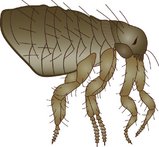
Both dogs and cats are commonly infested with cat fleas, Ctenophalides felis (Figure 9.1). Fleas are not host-specific and prefer to inhabit a warm and humid environment akin to many human households. Fleas feed on blood, injecting an anticoagulant into the animal to prevent clotting occuring during feeding, and it is this substance which causes pruritus and allergic responses in animals, e.g. miliary dermatitis in cats and flea-allergic dermatitis in dogs. Signs of infestation include pruritus, loss of coat condition and flea dirt in the coat. In young and immunosuppressed animals a heavy flea burden can result in severe anaemia due to excessive blood loss. Flea dirt is flea faeces and a simple test is to use a fine-toothed comb to collect coat debris then place it on damp paper and the dirt will make the paper a red/brown colour as it comprises digested blood.
image

Figure 9.1 Flea.

(Reproduced from Aspinall V 2006 The Complete Textbook of Veterinary Nursing. Butterworth Heinemann, London, with permission.)

The flea lifecycle can be completed in favourable conditions in as little as 12–16 days; adult fleas lay eggs in the fur of animals; they are not sticky so fall off the coat into the environment. In houses with carpeted surfaces these provide an ideal environment for the flea eggs to hatch. The eggs hatch into larval stages which feed on adult flea dirt, skin flakes and organic debris in their environment; they undergo two moults before they pupate and then emerge as adults. Fleas act as an intermediate host for numerous diseases and parasites, including Dipyldium caninum. Affected animals should be treated with insecticide and their environment should be treated concurrently, placing special attention on moving furniture and not forgetting all areas they inhabit, e.g. the car. Flea eggs can remain dormant for up to 2 years in the environment until movement vibrations from animals or humans stimulate them to hatch.

Ticks: Ixodes ricinus, I. hexagonas, Dermacentor reticulatus, Rhipicephalus sanguineus 

There are many different species of tick and all species feed on blood from a host animal. The larval and adult ticks feed until engorged and can then drop off into the environment; females lay their eggs on the ground in a moist location before they die. A heavy infestation can result in anaemia and incorrect removal may leave the mouthparts in situ, and these mouthparts could become infected. Ticks are also important vectors for babesiosis. Treatment is insecticide and ticks themselves should be removed using a proprietary tick removal device.

Lice 

Lice are host-specific, possess claws to attach themselves to their host and feed on blood. Lice can be described as biting or sucking depending on whether their mouthparts have evolved to chew the skin to feed or to pierce the skin to enable them to suck. Lice eggs are known as nits and are sticky, enabling them to attach to the coat hairs and complete their lifecycle on the host.

The biting louse of the dog is Trichodectes canis and in the cat is Felicola subrostratus. Dogs also have a sucking louse, Linognathus setosus. In horses the sucking louse is Haematopinus asini and the biting louse Damalinia equi.

Animals with a lice infestation are described as having a pediculosis and exhibit pruritus; their coat condition is poor and nits or lice may be observed. Anaemia can result and young, old and debilitated animals are most affected. Treatment is a suitable insecticide and, as the nits are not usually killed, treatment should be repeated 10 days after the first application.

Mites: subsurface and surface mites 

Subsurface mites live in the dermis and present with short legs whilst surface mites live on the epidermis and tend to have longer legs.

Ear mites: 
Otodectes cynotis 

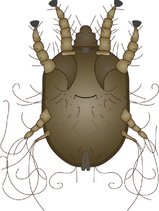
Otodectes cynotis are surface mites that possess suckers and hairs to grasp the walls of the ear canal (Figure 9.2). They present on examination as off-white dots on ear wax; infected animals will shake, scratch and rub their head and their ears will be excessively waxy and often smell. They are spread by direct contact and treatment by acaricidal product is required.
image

Figure 9.2 Otodectes cynotis.

(Reproduced from Aspinall V 2006 The Complete Textbook of Veterinary Nursing. Butterworth Heinemann, London, with permission.)

Chorioptes equi 

A similar surface mite to Otodectes which infects horses, this mite infects the skin, particularly the feathers, in heavy breeds of horse.

Psoroptes equi/P. cuniculi 

These are two closely related surface mites which look identical and have suckers on stalks; in the rabbit P. cuniculi causes ear infections and in horses P. equi produces a pruritic dermatitis.

Cheyletiella spp. 

These surface mites affect dogs, cats and rabbits; each has its own specific mite. They are relatively large and can just be seen with the naked eye. They cause a scurfy, flaky coat and are known as ‘walking dandruff’ as the mites are often found under skin debris. They are capable of surviving away from the host so both the animal and its environment should be treated.

Harvest mites: 
Neotrombiculus autumnalis 

Another surface mite, this is prevalent in late summer/early autumn and will feed then drop off infected animals. They are an orange/red colour and may result in pruritus and dermatitis.

Sarcoptes scabeii 

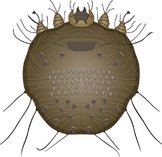
Sarcoptes scabeii (Figure 9.3) is a subsurface mite that is zoonotic, although it only survives for up to 3 weeks in humans. It affects dog, foxes and sometimes horses, cats and rabbits and is commonly known as mange. The mite lays its eggs in burrows it creates in the skin and it causes an erythematous, alopecic dermatitis characteristically of the pinna, hock and elbow and which expands to cover the animal. It is highly pruritic. Treatment is via application of insecticide.
image

Figure 9.3 Sarcoptes.

(Reproduced from Aspinall V 2006 The Complete Textbook of Veterinary Nursing. Butterworth Heinemann, London, with permission.)

Demodex spp. 

Demodex (Figure 9.4) is a characteristically cigar-shaped subsurface mite which is thought to be normally present with no ill effects in healthy animals. It can overpopulate at times of stress or immunosuppression to produce a widespread alopecic dermatitis with secondary bacterial infections common. Treatment is by acaricide.

image

Figure 9.4 Demodex.

(Reproduced from Aspinall V 2006 The Complete Textbook of Veterinary Nursing. Butterworth Heinemann, London, with permission.)

Endoparasites

Endoparasites can be broadly divided into four main groups:

1. Nematodes – roundworms
2. Cestodes – tapeworms
3. Trematodes – flukes or flatworms
4. Protozoa – unicellular organisms.
Nematodes 

Nematodes are known as roundworms as they are cylindrical in cross-section and look a little like spaghetti. Ascarids are large roundworms found in the intestines of the horse, dog and cat. Ascarids include:

Dog: Toxocara canis
Cat: T. cati, T. leonina
Horse: Parascaris equorum.
Toxocara canis 

Eggs from infected animals are passed in the faeces and are ingested from the environment or via eating animals which are already infected. The larvae migrate through the liver and lungs to the gastrointestinal tract to mature to adult worms (Figure 9.5); some larvae remain in somatic cells and are stimulated during pregnancy to migrate transplacentally to the developing fetuses. They can also migrate in a transmammary route after birth, which is is why it is important to treat puppies regularly with an appropriate endoparasiticide. Heavy burdens can result in loss of condition and an enlarged abdomen or ‘worm belly’ and may result in intussusception or intestinal obstruction. T. canis are zoonotic and in humans develop in the eye and viscera, which can result in ocular and liver disease.

image

Figure 9.5 Toxocara canis.

(Reproduced from Aspinall V 2006 The Complete Textbook of Veterinary Nursing. Butterworth Heinemann, London, with permission.)

Toxocara cati 

The lifecycle is similar to that of T. canis but no prenatal migration occurs in cats, with infection via the transmammary route in kittens. Again there is zoonotic potential.

Toxocara leonina 

This may affect dogs and cats and is zoonotic; infection occurs by ingesting eggs or paratenic hosts (intermediate hosts that are not needed in the lifecycle).

Parascaris equorum 

These are usually only problematic for foals and younger horses. Eggs can remain viable in the soil for many years and horses usually ingest them as they graze. The eggs hatch in the gastrointestinal tract and the larvae migrate into the veins, then move to the lungs where they are coughed up, reswallowed and passed into the small intestine. Once in the small intestine the larvae develop into adult roundworms. The adults, which can grow up to about 50 cm long, lay eggs which are passed out in the faeces. Prevention by suitable anthelminthic is required as well as pasture management.

Hookworms 

Hookworms are named after the appearance of their mouthparts. They are parasites of the small intestine with numerous species affecting a range of animals. Eggs hatch in the environment and develop into larvae, which are ingested or may enter through the skin.

Uncinaria stenocephala 

This is endemic in the UK in dogs. Larvae are either ingested or can penetrate the skin: animals living in a kennel environment are most susceptible. Dogs present with diarrhoea.

Ancyclostoma caninum 

This is endemic in the EU and occasionally in the UK. The larvae thrive in warm environments and infection is by ingestion or skin penetration; transmammary infection can occur. Infected animals often exhibit melaena due to the presence of undigested blood in the faeces. It also occurs in foxes, coyotes, wolves and raccoons.

Ancyclostoma tubaeforme 

This feline hookworm affects cats in the EU and causes anaemia.

Whipworms 

These are so called as their anterior end is thin and whip-like. The adults inhabit the intestine.

Trichuris vulpis 

Canine, fox and coyote whipworm eggs are passed into the environment in faeces and require a temperate climate to develop; larvae are enclosed in a shell and may remain viable for up to a year until favourable conditions present. Heavy burdens can result in diarrhoea and metabolic disturbances.

Strongyloides spp. 

Infections are common in young animals, with Strongyloides westeri affecting foals through transmammary migration of larvae or ingested from the environment. Larvae mature to adult worms in the small intestine. Infection can occur by eating infective larvae or by penetration through the skin. If the larvae enter the horse’s system through its skin, they move to the lungs, then up the windpipe where they are coughed up and swallowed. They mature in the small intestine, where adult females lay the eggs that are passed out in the manure.

If the larvae enter through the skin the next stop is the lungs, where they can cause bleeding and respiratory problems. Inflammation and rashes can develop where the larvae penetrated the skin. The worst damage occurs in untreated foals. Infected through their mother’s milk, they can suffer diarrhoea, weakness, weight loss and failure to thrive and grow at a normal rate. Dogs may also present with diarrhoea from Strongyloides infestation.

Strongyles 

Equids can potentially be infected by a range of nematodes. Control by pasture management and regular anthelminthics is required.

Small redworms (cyathostomins) 

These worms are the most common horse parasites. Adults living in the large intestine lay eggs that are passed out in the faeces. The worm eggs hatch and develop through three stages, with the third being the infective stage. If a grazing horse eats the infective stage the larvae will migrate to the intestinal lining, where they can remain dormant for long periods of time. Vast numbers of larvae can potentially build up in this area, then suddenly reactivate and erupt out of the gut wall, which can cause extensive damage to the gut wall. Larvae emerge into the large intestine and develop into adults which lay eggs that are passed out in the droppings, completing the cycle.

Large redworm (Strongylus vulgari, S. equinus and S. edentatus) 

The large redworm differs from small redworms in size and lifecycle. Horses become infected by ingesting larvae as they are grazing. The larvae of large redworms migrate through the blood vessels to the arteries of the intestinal tract where they can cause severe damage. After about six months they return to the intestine as egg-laying adult worms. Adult worms vary in size between 1.5 and 5 cm and, in large numbers, can cause several different disease problems including clot formation in mesenteric arteries resulting in necrosis of the intestine and ulceration of intestinal tissue.

Pinworm (Oxyuris equi) 

Pinworms are so called as they look like carpet tacks; they are not thought to be harmful but can provoke irritation around the tail. Pinworms inhabit the large and small colon and have a relatively simple lifecycle. The females lay their eggs around the anus of the horse, using a sticky substance which is irritating to the horse. The eggs are dislodged as droppings are passed and fall on to the pasture where they are eaten by horses.

Lungworms 
Dictyocaulus arnfieldi 

The equine lungworm is long and slender; the larvae go through the walls of the intestine and into the circulatory system. They are carried in the circulatory system into the lungs, where they mature. The eggs pass through the horse’s system through the manure. Female lungworms lay eggs containing larvae. The horse eats the eggs of the lungworm off damp grasses. If there are large numbers of the larvae present, the lungs may become irritated, causing the horse to have a severe cough, difficulty breathing and loss of appetite.

Infection is usually light in older horses because they develop resistance to the parasite and usually have no signs. If foals are infected, they could die from a lungworm infection because they have less immunity.

Heartworms 

Heartworms are nematodes that colonise the heart. There are three canine heartworms of note: Angiostrongylus vasorum (which can also affect foxes), Dirofilaria immitis and Dipetalonema reconditum. D. immitis and D. reconditum are not endemic in the UK but are endemic in the USA and some parts of Europe. Prevention is essential for animals inhabiting or travelling in affected areas as surgical removal and anthelminthics can be used as treatment but both pose risks.

Cestodes 

Cestodes are commonly known as tapeworms. They are flat in appearance and have a head or scolex and a chain of segments or proglottids. The tapeworm attaches to the intestinal wall and produces gravid segments full of eggs which move out of the animal via the anus. They resemble grains of rice and are sticky and mobile. Most have intermediate hosts and control is via an anthelminthic with cestodial action.

Anoplocephala perfoliata 

This is an equine tapeworm which can grow to about 8 cm long and about 1.5 cm wide. It lives in the midpart of the gut at a junction between the small and large intestine, known as the ileocaecal junction. Infected horses pass eggs on to the pasture. These eggs are eaten by tiny oribatid mites which are present in their thousands in every square metre of grass. Once inside the mite, the eggs hatch and develop into an intermediate infective stage. Grazing horses inadvertently eat mites with almost every mouthful. The adults attach in clusters to the lining of the gut at the ileocaecal junction and release eggs, thereby completing their lifecycle; recent research implicates tapeworm infestation with certain types of colic.

Dipylidium caninum 

This tapeworm affects both dogs and cats, with intermediate hosts being fleas and other biting lice. Infection usually occurs when an infected intermediate host is ingested and there are few signs of infestation unless present in large numbers.

Taenia spp. 

There are a number of Taenia spp. that affect animals:

T. pisiformis: dog and fox (intermediate host – rabbit)
T. hydatigena: dog and fox (intermediate hosts – cattle and sheep)
T. multiceps: dog (intermediate hosts – sheep and cattle)
T. ovis: dog and fox (intermediate hosts – sheep and goat)
T. serialis: dog (intermediate host – rabbit)
T. taeniaeformis: cat (intermediate host – rodents).

Infections occur when infected intermediate hosts are ingested.

Echinococcus granulosus 

This is a very small tapeworm that affects dogs and foxes and huge numbers must be present before signs of infestation are observed. It occurs worldwide and it is zoonotic; if humans ingest eggs a hydrated cyst can develop in the lungs, requiring surgery or anthelminthic treatment. Infection in dogs usually occurs by eating raw offal of infected animals (sheep is the intermediate host).

Trematodes 

Flukes or trematodes are found in the intestine, bile ducts, blood and lungs of domestic animals.

Common liver fluke: Fasciola hepatica 

Adult flukes in the liver lay eggs in the bile, which carries them into the intestine. They leave in the host’s faeces. After hatching, the immature fluke must penetrate a snail for the lifecycle to continue. Multiplication occurs within particular species of snail. After leaving the snail the flukes encyst on grass where they are eaten by horses. The young parasites penetrate the gut and pass to the liver. The snails live in swampy, wet areas. F. hepatica occurs worldwide in wet areas where Lymnaea snails may exist. Animals experience anaemia and decreased growth. Liver damage results in organ condemnation at slaughter.

Protozoa 

These are unicellular organisms which can be parasitic.

Coccidiosis 

Isopora spp. are parasites of the gastrointestinal tract in dogs and cats; some animals tolerate them well whereas others will present with diarrhoea. Horses and rabbits may be infected by Eimeria spp., resulting in diarrhoea. Sarcocystis neurona produces a severe neural disease in horses – equine protozoal myeloencephalitis.

Insects 

Horses may be affected by parasitic infection by insects, including:

Bots – Gastrophilus spp.
Culcoides – midges/sweet itch
Habronema spp. – fly bites.

Rabbits and sheep may be affected by:

Myiasis – fly strike from bluebottle eggs.

Bibliography

Appleby M. What should we do about animal welfare. Oxford: Blackwell Science; 1999.

Appleby M C, Hughes B O. Animal welfare. Oxford: CABI Publishing; 1997.

Aspinall V. The complete textbook of veterinary nursing. London: Butterworth Heinemann; 2006.

Blood D C, Studdert V P. Bailliere’s comprehensive veterinary dictionary. London: Baillière & Tindall; 1998.

Chandler E A, Gaskell C J, Gaskell R M. Feline medicine and therapeutics, 2nd edn. Oxford: Blackwell Sciences/BSAVA; 1994.

Dawkins M S. Animal suffering. The science of animal welfare. London: Chapman & Hall; 1980.

Garner R. Animals, politics and morality. Manchester: Manchester University Press; 1993.

Gaskell R M, Bennett M. Feline and canine infectious disease. Oxford: Blackwell Science; 1996.

Gorman N. Canine medicine and therapeutics, 4th edn. Oxford: Blackwell Science/BSAVA; 1998.

Lane D R, Cooper B, Turner L. BSAVA Textbook of Veterinary Nursing. Oxford: BSAVA; 2007.

Meredith A, Redrobe S. Manual of exotic pets, 4th edn. Gloucester: BSAVA; 2002.

Ramsey I, Tennant B. Manual of canine and feline infectious diseases. Oxford: BSAVA; 2001.

1998, Sainsbury D. 2nd edn. Oxford: Blackwell Science, 1998.

2000, Spedding C. London: Earthscan, 2000.

Torrance A G, Mooney C T. Manual of small animal, 2nd edn. Oxford: BSAVA; 1998.

Warren D M. Small animal care and management. New York: Delmar; 1995.