Research Problems, Purposes, and Hypotheses
After completing this chapter, you should be able to:
1. Identify research topics, problems, and purposes in published quantitative, qualitative, and outcomes studies.
2. Critically appraise the significance of research problems and purposes in published studies.
3. Critically appraise the feasibility of a study problem and purpose by examining the researcher’s expertise; money commitment; availability of subjects, facilities, and equipment; and the study’s ethical considerations.
4. Differentiate among the types of hypotheses (simple versus complex, nondirectional versus directional, associative versus causal, and statistical versus research) in published studies.
5. Critically appraise the quality of objectives, questions, and hypotheses presented in published studies.
6. Differentiate the types of variables in published studies.
7. Critically appraise the conceptual and operational definitions of variables in published studies.
 Study Tools
Be sure to visit http://evolve.elsevier.com/Burns/understanding/ for additional examples and self-tests.Also, a review of this chapter’s concepts and practice exercises can be found in Chapter 5 of the StudyGuide for Understanding Nursing Research: Building an Evidence-Based Practice, 5th edition.
We are constantly asking questions to gain a better understanding of ourselves and the world around us. This human ability to wonder and ask creative questions is the first step in the research process. By asking questions, clinical nurses and nurse researchers are able to identify significant research topics and problems that will generate research findings that can ultimately be used to make evidence-based changes in practice. A research topic is a concept or broad issue that is important to nursing, such as acute pain, chronic pain management, coping with illness, or health promotion. Each topic contains numerous potential research problems to guide quantitative, qualitative, and outcomes studies. For example, chronic pain management is a research topic that includes such potential problems as, “What is chronic pain?” and, “What is it like to live with chronic pain?” Qualitative research might be used to investigate these problems or areas of concern in nursing. Quantitative research might be used to study such problems as, “What is the most accurate way to assess chronic pain?” and, “What are effective interventions for managing chronic pain?” Outcomes research methodologies might be used to examine patient outcomes and the cost effectiveness of care provided in a chronic pain management clinic.
The problem or area of concern provides the basis for developing the research purpose using a variety of methodologies, quantitative, qualitative, and outcomes research. The purpose or goal of a study guides the development of the objectives, questions, or hypotheses in quantitative and outcomes studies. The objectives, questions, or hypotheses bridge the gap between the more abstractly stated problem and purpose and the detailed design for conducting the study. Objectives, questions, and hypotheses include the variables, the relationships among the variables, and often the population to be studied. In qualitative research, the purpose and often broadly stated research questions guide the study of selected research concepts.
This chapter includes content that will assist you in differentiating a problem from a purpose in published quantitative, qualitative, and outcomes studies. Objectives, questions, and hypotheses are discussed, and the different types of study variables are introduced. Also presented are guidelines that will assist you in critically appraising the problems, purposes, objectives, questions, hypotheses, and variables or concepts in published quantitative, qualitative, and outcomes studies.
What Are Research Problems and Purposes?
A research problem is an area of concern in which there is a gap in the knowledge base needed for nursing practice. Research is required to generate essential knowledge to address the practice concern, with the ultimate goal of providing evidence-based nursing care (Brown, 2009; Craig & Smyth, 2007; Cullum, Ciliska, Haynes, & Marks, 2008). In a study, the research problem (1) identifies an area of concern for a particular population, (2) indicates the significance of the problem, (3) provides a background for the problem, and (4) outlines the need for additional study in a problem statement. The significance of a research problem indicates the importance of the problem to nursing and health care and to the health of individuals, families, and communities. The background for a problem briefly identifies what we know about the problem area, and the problem statement identifies the specific gap in the knowledge needed for practice. Not all published studies include a clearly expressed problem, but the problem usually can be identified in the first page of the paper. The research purpose is a clear, concise statement of the specific goal or focus of a study. In quantitative and outcomes studies, the goal of a study might be to identify, describe, or explain a situation; examine the effectiveness of an intervention; or determine outcomes of health care. The purpose also includes the variables, the population, and often the setting for the study. A clearly stated research purpose can capture the essence of a study in a single sentence and is essential for directing the remaining steps of the research process. The research problem and purpose from Schultz and colleagues’ (2008) study of the effectiveness of gel pillows for reducing bilateral head flattening in preterm infants are presented as an example. This research example is critically appraised using the following questions.
 CRITICAL APPRAISAL GUIDELINES
Problems and Purposes in Studies
1. Is the problem clearly and concisely expressed early in the study?
2. Does the problem include significance, background, and problem statement?
3. Is the problem significant to study to generate essential knowledge for practice?
4. Does the purpose clearly express the goal or focus of the study?
5. Does the purpose identify the variables or concepts and population for the study?
 Research Example Problem and Purpose of a Quantitative Study
Survival rates for very low birth weight (VLBW) infants, defined as infants weighing <1500 g [grams] at birth, continue to rise (Kenner, Lott, & Flandermeyer, 1997). In the 1990s, an alarming rise in the number of premature infants presenting with plagiocephaly without synostosis (i.e., head flattening without fusion of normally separate bones, due in part to head molding) has been reported by several craniofacial centers (Argenta, 2004; Najarian, 1999). This increasing incidence has been linked to the American Academy of Pediatrics’ (1996) recommendation regarding sleep positions (supine and side lying) to prevent sudden infant death syndrome and to the increase in the survival of VLBW infants … (Schultz et al., 2008, p. 191)
Although this outcome [head molding] has been minimized with some success by repositioning, in very tiny infants with delayed motor development, the head may retain the abnormal shape for a much longer period, even into adulthood … (Shin & Pershing, 2003) … Studies have been conducted to examine the effectiveness of various surfaces, pillows, and turning protocols designed to reduce bilateral head molding in preterm infants. … (Schultz et al., 2008, pp. 191-192)
Early studies suggest that water pillows and air-filled mattresses are effective for preventing undesirable bilateral head molding in preterm infants; however, no studies measuring the effectiveness of gel pillows, a newer product on the market, for reducing bilateral head molding have been found. (Schultz et al., 2008, p. 193)
to examine the effectiveness of gel pillows for reducing bilateral head molding (plagiocephaly) in preterm infants, as determined by the cephalic index (CI). (Schultz et al., 2008, p. 191)
Schultz and colleagues (2008) presented a clear, concise research problem or area of concern and included the following parts of the problem: (1) significance, (2) background, and (3) problem statement. In this study, the first paragraph clearly identified the area of concern (plagiocephaly or bilateral head flattening caused by head molding) for a particular population (preterm infants). Head molding is a significant problem because it is increasing with the survival of more VLBW infants and the positioning of infants in supine and side-lying positions during sleep. In addition, the abnormal shape of the head can continue into adulthood. The second paragraph provided a concise background indicating various interventions have been studied to determine their effectiveness in preventing or reducing head molding.
The discussion of the problem concluded with a concise problem statement that indicated the gap in the knowledge needed for practice and provided a basis for the study conducted by Schultz and colleagues. Each problem provides the basis for generating a variety of research purposes; and in this study, the knowledge gap regarding the effectiveness of gel pillows on head molding provides clear direction for the formulation of the research purpose.
 Research Purpose
In a published study, the purpose frequently is reflected in the title of the study, stated in the study abstract, and restated after the literature review. Schultz et al. (2008) included the purpose of their study in all three places. The goal of this quasi-experimental study was to examine the effectiveness of the nursing intervention gel pillows (independent variable) in reducing bilateral head molding (dependent variables) for preterm infants (population). The purpose was clearly stated, indicated the type of study conducted (quasi-experimental), included the study variables and population, and inferred the study was conducted in a neonatal intensive care unit (NICU) (setting).
(This critical appraisal was based on the Critical Appraisal Guidelines in the previous box on page 146.)
The findings from the Schultz et al. (2008, p. 191) study indicated “the trend was toward less molding over time for smaller infants on gel pillows who were hospitalized longer; however, the sample size was too small to detect statistical significance.” Thus, additional research with a larger sample is needed to determine if gel pillows are effective in reducing head molding in preterm infants before this product is purchased for use in NICUs.
Identifying the Problem and Purpose in Quantitative, Qualitative, and Outcomes Studies
Quantitative, qualitative, and outcomes research approaches enable nurses to investigate a variety of research problems and purposes. Examples of research topics, problems, and purposes for different types of quantitative, qualitative, and outcomes studies are presented in this section.
Problems and Purposes in Types of Quantitative Studies
Example research topics, problems, and purposes for the different types of quantitative research (descriptive, correlational, quasi-experimental, and experimental) are presented in Table 5–1. If little is known about a topic, the researcher usually starts with a descriptive study and progresses to quasi-experimental and experimental studies. An examination of the problems and purposes in Table 5–1 will reveal the differences and similarities among the types of quantitative research. The research purpose usually reflects the type of study that was conducted (Burns & Grove, 2009). The purpose of descriptive research is to identify and describe concepts or variables, identify possible relationships among variables, and delineate differences between or among existing groups, such as males and females or different ethnic groups.
Table 5–1
Quantitative Research: Topics, Problems, and Purposes
| Type of Research | Research Topic | Research Problem and Purpose |
| Descriptive research | Educational preparation, associate degree prepared nurse, baccalaureate degree prepared nurse, registered nurses, individual (job satisfaction), social return on investment (career retention) |
Title of study: “Education as a determinant of career retention and job satisfaction among registered nurses” (Rambur, McIntosh, Palumbo, & Reinier, 2005, p. 185) Problem: “As the current nursing shortage increases concerns about staff of healthcare facilities’ ability to provide high quality care (Aiken, Clarke, Sloan, Sochalski, & Silber, 2002), many initiatives are being aimed at the recruitment and retention of the nursing workforce. The pressing need to educate more nurses should stimulate reconsideration of how limited resources for nursing education are spent as educational capacity is increased. … Although many studies have been aimed toward understanding the outcomes of baccalaureate and associate degree education for nurses, few studies have been focused on education as an individual or social return on investment or in years contributed to the profession” (Rambur et al., 2005, pp. 185–186). Purpose: The purpose of this study was “to compare job satisfaction and career retention in two cohorts of RNs, those whose highest degrees were the associate’s degree (AD) or the bachelor’s degree (BS) in nursing” (Rambur et al., 2005, p. 185). |
| Correlational research | Hypertension, blood pressure, psychosocial factors, biological factors |
Title of study: “The relationships among anxiety, anger, and blood pressure in children” (Howell, Rice, Carmon, & Hauber, 2007, p. 17). Problem: “Hypertension affects over 50 million Americans aged 6 and over and is a recognized risk factor for the development of cardiovascular disease (American Heart Association, 2004). Although few children have hypertension or cardiovascular disease, biological and psychosocial risk factors for the development of hypertension in adulthood are estimated to be present in children by the age of 8 (Solomon & Matthews, 1999). … Although the contribution of these factors to the development of hypertension has been investigated in adults and adolescents. … much less research has been done with children (Hauber et al., 1998; Howell et al., 2007, p. 17). Purpose: “The purpose of this study was to determine the relationships between trait anxiety, trait anger, height, weight, patterns of anger expression, and blood pressure in a group of elementary school children” (Howell et al., 2007, p. 18). |
| Quasi-experimental research | Nurse-case-managed intervention, hepatitis A and B vaccine completion, sociodemographic factors, risk behaviors, and homeless adults |
Title of study: “Effects of a nurse-managed program on hepatitis A and B vaccine completion among homeless adults” (Nyamathi et al., 2009, p. 13). Problem: “Hepatitis B virus (HBV) infection poses a serious threat to public health in the United States. Recent estimates place the true prevalence of chronic HBV in the United States at approximately 1.6 cases per 100,000 persons (Centers for Disease Control & Prevention [CDC], 2008). It is estimated that there were 51,000 new cases of HBV infection in 2005 (Wasley, Miller, & Finelli, 2007), a financial burden reaching $1 billion annually (Cohen et al., 2007). … Homeless populations are at particularly high risk of HBV infection due to high rates of unprotected sexual behavior and sharing of needles and other IDU [injection drug user] paraphernalia. Previous studies have reported that HBV infection rates among homeless populations range from 17% to 31% (i.e., from 17,000 to 31,000 per 100,000…) compared with 2.1 per 100,000 in the general United States population (CDC, 2006b) … Vaccination is the most effective way to prevent HBV infection (CDC, 2006a) … Improving vaccination adherence rates among homeless persons is an important step toward reducing the high prevalence of HBV infection in this population. … Thus, little is known about adherence to HBV vaccination among community samples of urban homeless person[s] or about the effect of stronger interventions to incorporate additional strategies, such as nurse case management and targeted HBV education along with client tracking” (Nyamathi et al., 2009, pp. 13-14). Purpose: The purpose of this study was to determine the “effectiveness of a nurse-case-managed intervention compared with that of two standard programs on completion of the combined hepatitis A virus (HAV) and HBV vaccine series among homeless adults and to assess socio-demographic factors and risk behaviors related to the vaccine completion” (Nyamathi et al., 2009, p. 13). |
| Experimental research | Pain management, analgesics, morphine, beta-endorphin (BE), circadian rhythm, animals |
Title of study: “Effects of morphine and time of day on pain and beta-endorphin (BE)” (Rasmussen & Farr, 2003, p. 105). Problem: “Although narcotics have been used as analgesics for many years, clients still are experiencing pain. … Morphine is an important pharmacological modulator of pain and initiator of analgesia. … Circadian (approximately 24 hours) rhythms influence the expression of pain and the body’s responsiveness to analgesic mediations. … Endogenous opioids, such as morphine, activate the descending pain control system. … Currently, the timing of the administration of morphine is not based on its circadian effects. Both PLRL [paw-licking response latency in mice] and BE are known to exhibit a circadian rhythm, or a rhythm that repeats once in a 24-hour period. Yet no well-controlled, time-based studies have been conducted to test the effects of morphine on pain response (PLRL) and plasma BE when administered at different times of day” (Rasmussen & Farr, 2003, pp. 105-107). Purpose: “The purpose of the study … was to investigate whether there were time-of-day differences in the effects of morphine on the pain tolerance threshold and the circadian plasma BE response to pain” (Rasmussen & Farr, 2003, p. 107). |
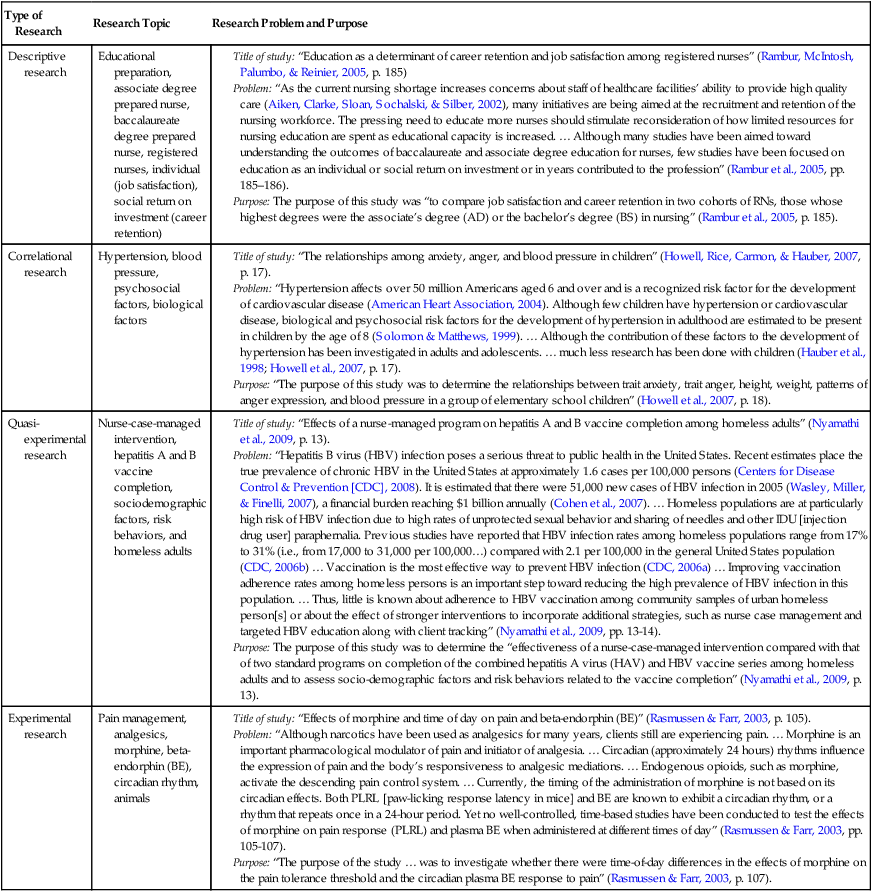
Rambur, McIntosh, Palumbo, and Reinier (2005) conducted a descriptive study to compare job satisfaction and career retention for registered nurses (RNs) whose highest degree was Associate Degree in Nursing (ADN) or Bachelor of Science in Nursing (BSN). The RNs with a BSN had “significantly higher job satisfaction related to: (a) opportunity for autonomy and growth, (b) job stress and physical demands, and (c) job and organizational security” (Rambur et al., p. 185). Thus, these findings support the preparation of RNs with a BSN versus an ADN for greater individual and social return on the educational investment.
The purpose of correlational research is to examine the type (positive or negative) and strength of relationships among variables. In their correlational study, Howell, Rice, Carmon, and Hauber (2007) examined the relationships among anxiety, anger, and blood pressure (BP) in children (see Table 5–1). “This study supports the belief that certain modifiable risk factors [anger expression, anxiety, height, and weight] for hypertension are present at an early age” (Howell et al., 2007, p. 22). Thus, the researchers recommended the BP should be monitored at all scheduled physical exams for every child age three and older.
Quasi-experimental studies are conducted to determine the effect of a treatment or independent variable on designated dependent or outcome variables. Nyamathi and colleagues (2009) conducted a quasi-experimental study to examine the effectiveness of a nurse-case-managed intervention on hepatitis A and B vaccine completion among homeless adults. The research topics, problem, and purpose for this study are presented in Table 5–1. The findings from this study “revealed that a culturally sensitive comprehensive program, which included nurse case management plus targeted hepatitis education, incentives, and client tracking, performed significantly better than did a usual care program” (Nyamathi et al., 2009, p. 21). Thus, the researchers recommended that public health program planners and funders use this type of program to promote increased completion of hepatitis A and B vaccinations with high risk groups.
Experimental studies are conducted in highly controlled settings, using a highly structured design to determine the effect of one or more independent variables on one or more dependent variables. Rasmussen and Farr (2003) conducted an experimental study of the effects of morphine and time of day on pain and beta-endorphin (BE) in groups of mice in a laboratory setting (see Table 5–1). In this basic research, the investigators found that morphine abolishes the BE response to pain but does not inhibit pain equally at all times of the day. Thus, morphine doses should be titrated to maximize pain control, with less medication. Additional research in humans is needed, however, before the findings will have implications for nursing practice.
Problems and Purposes in Types of Qualitative Studies
The problems formulated for qualitative research identify areas of concern that require investigation to gain new insights, expand understanding, and improve comprehension of the whole (Munhall, 2007). The purpose of a qualitative study indicates the focus of the study, which may be a concept such as pain, an event such as loss of a child, or a facet of a culture such as the healing practices of a specific Native American Indian tribe. In addition, the purpose often indicates the qualitative approach used to conduct the study. The basic assumptions for this approach are discussed in the research report (Creswell, 2008). Examples of research topics, problems, and purposes for the types of qualitative research—phenomenological, grounded theory, ethnographic, and historical—commonly conducted in nursing are presented in Table 5–2.
Table 5–2
Qualitative Research: Topics, Problems, and Purposes
| Type of Research | Research Topic | Research Problem and Purpose |
| Phenomenological research | Lived experience of fathers, understanding childhood asthma, chronic illness |
Title of study: “The lived experience of fathers who have children with asthma: A phenomenological study” (Cashin, Small, & Solberg, 2008, p. 327). Problem: “Asthma is an inflammatory disorder of the airways characterized by paroxysmal or persistent symptoms such as shortness of breath, chest tightness, wheezing, and cough (Becker et al., 2005). It is a common chronic illness of childhood … and a major cause of school absenteeism (Global Initiative for Asthma, 2006). It impacts various functional domains, including the physical, social, and psychological (Halfon & Newacheck, 2000) … Although there is a growing body of knowledge concerning parenting children who have asthma, the research had predominantly been about mothers, with fathers’ perspectives receiving little attention. The same has been noted within the vast body of literature concerning parents and childhood chronic illness in general in that much of the research had focused on mothers, not fathers” (Cashin et al., 2008, p. 327). Purpose: “The purpose of this study was, therefore, to attain an understanding of what it is like to be the father of a child with asthma” (Cashin et al., 2008, p. 372). |
| Grounded theory research | Self-care, poverty, schizophrenia, diabetes mellitus |
Title of study: “Doing my best: Poverty and self-care among individuals with schizophrenia and diabetes mellitus” (El-Mallakh, 2007, p. 49). Problem: “Mental health clinicians and researchers increasingly recognize that individuals with schizophrenia have a high risk of developing diabetes mellitus (DM) (Bushe & Holt, 2004). Whereas rates of diabetes in the general populations range from 2% to 6%, prevalence rates of diabetes among individuals with schizophrenia range from 15% to 18%, and up to 30% have impaired glucose tolerance (Bushe & Holt, 2004; Schizophrenia and Diabetes Expert Consensus Group, 2004). … The recent mental health literature has focused on the screening, diagnosis, and treatment of diabetes in this population, including discussions of the risks and benefits of atypical antipsychotic use. … However, few researchers have investigated the influence of social and demographic characteristics on diabetic self-care among individuals with schizophrenia and diabetes” (El-Mallakh, 2007, pp. 49-50). Purpose: “A grounded theory study was conducted to examine several aspects of diabetic self-care in individuals with schizophrenia and DM” (El-Mallakh, 2007, p. 50). |
| Ethnographic research | Critical illness, mechanical ventilation, weaning, family presence |
Title of study: “Family presence and surveillance during weaning from prolonged mechanical ventilation” (Happ, Swigart, Tate, Arnold, Sereika, & Hoffman, 2007, p. 47). Problem: “During critical illness, mechanical ventilation imposes physical and communication barriers between family members and their critically ill loved ones. … Most studies of family members in the intensive care unit (ICU) have focused on families’ needs for information, access to the patient, and participation in decisions to withdraw or withhold life-sustaining treatment. … Although numerous studies have been conducted of patient experiences with short- and long-term mechanical ventilation (LTMV), research has not focused on family interactions with patients during weaning from mechanical ventilation. Moreover, the importance of family members’ bedside presence and clinicians’ interpretation of family behaviors at the bedside have not been critically examined” (Happ et al., 2007, pp. 47-48). Purpose: “With the use of data from an ethnographic study of the care and communication processes during weaning from LTMV, we sought to describe how family members interact with the patients and respond to the ventilator and associated ICU bedside equipment during LTMV weaning” (Happ et al., 2007, p. 48). |
| Historical research | History, Cold War, mass disaster, nursing research, 1950s, Harriet H. Werley, Army Nurse Corps |
Title of study: “Planning for mass disaster in the 1950s: Harriet H. Werley and nursing research” (Leifer & Glass, 2008, p. 237) Problem: “Americans were continually aware of the potential for nuclear disaster during the Cold War era. … Because the fear of nuclear war was ever present, military and civil defence programs were developed to help Americans prepare for disaster. … Military and civilian healthcare personnel were mobilized to prepare for any mass casualties caused by a nuclear attack. In the 21st century, world events remind nurses of the need to be prepared to respond to disaster. Since the events of September 11, 2001; the Southeast Asian tsunami in 2004; and the Gulf Coast hurricanes in 2005, there has been an increased emphasis on preparedness and response planning for man-made or natural disaster. … During the turbulent Cold War era, Harriet H. Werley, an Army Nurse Corps (ANC) major, was a pioneer in mass disaster education and nursing research. She served as the first nursing consultant in the newly formed Department of Atomic Casualties Studies (DACS) from 1955-1958. … When working with military officials in Washington, DC, including the ANC, the Office of the Surgeon General, the Army Institute of Research, and the Walter Reed Army Hospital, Werley shared her vision of an evolving role for nurses that included increased opportunities for leadership, research, and expanded practice. … Primary and secondary sources regarding Werley’s work in the DACS and the field of disaster nursing were examined to obtain data for this historical study” (Leifer & Glass, 2008, pp. 237-238). Purpose: The purpose of this historical study “was to analyze nurses” involvement in research and mass disaster preparations during the Cold War era and to describe the role of Harriet H. Werley and the Army Nurse Corps” (Leifer & Glass, 2008, p. 237). |
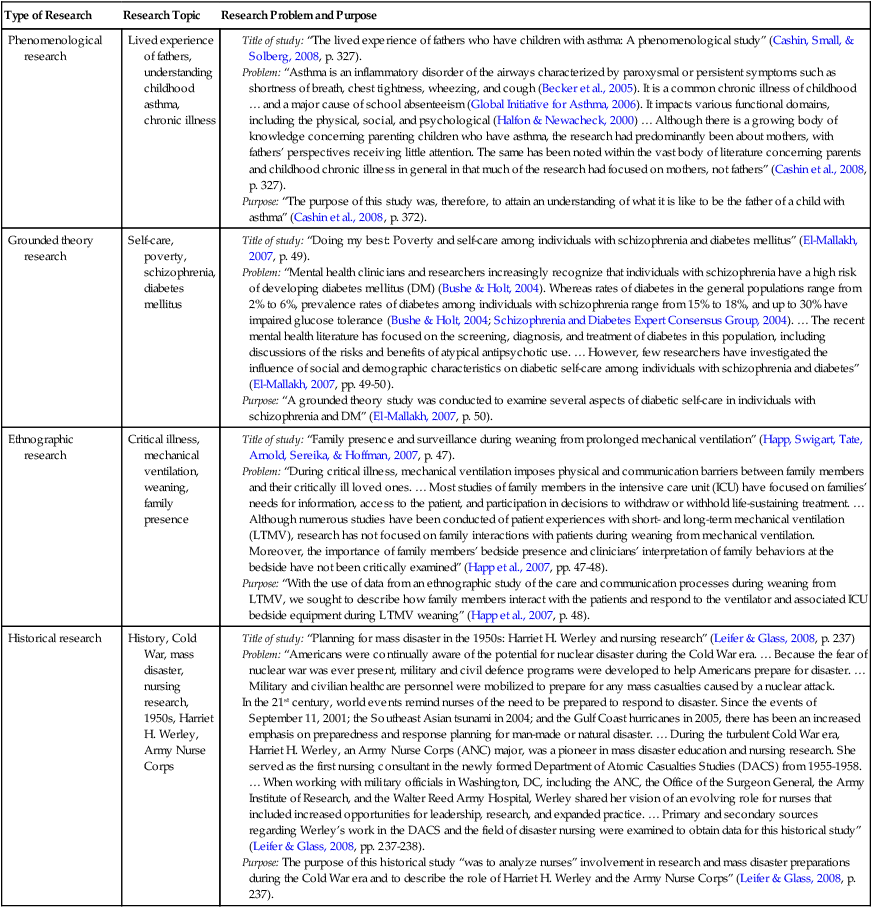
Phenomenological research is conducted to promote a deeper understanding of complex human experiences as they have been lived by the study participants (Munhall, 2007). The study by Cashin, Small, and Solberg (2008) entitled “The Lived Experience of Fathers Who Have Children with Asthma: A Phenomenological Study” is presented as an example (see Table 5–2). Cashin and colleagues (2008, p. 372) identified five themes important to fathers: “feeling relief in knowing the diagnosis, learning the ropes, being vigilant, living with concern, and being comfortable with asthma management. Understanding the experience of fathers who have children with asthma and gaining insight into their needs and concerns are essential first steps to providing supportive nursing care.”
In grounded theory research, the problem identifies the area of concern and the purpose indicates the focus of the theory to be developed to account for a pattern of behavior for those involved in the study (Wuest, 2007). For example, El-Mallakh (2007) investigated the poverty and self-care among individuals with schizophrenia and diabetes mellitus. The research topics, problem, and purpose for this study are presented in Table 5–2. Based on the findings from this grounded theory study, El-Mallakh (2007, p. 49) developed a “model, Evolving Self-Care, that describes the process by which respondents developed health beliefs about self-care of dual illnesses. One subcategory of the model, Doing My Best, was further analyzed to examine the social context of respondents’ diabetic self-care.”
In ethnographic research, the problem and purpose identify the culture and the specific attributes of the culture that are to be examined, described, analyzed, and interpreted to reveal the social actions, beliefs, values, and norms of the culture (Wolf, 2007). Happ, Swigart, Tate, Arnold, Sereika, and Hoffman (2007) conducted an ethnographic study of family presence and surveillance during weaning of their family member from a ventilator. Table 5–2 includes the research topics, problem, and purpose for this study. These researchers concluded that “this study provided a potentially useful conceptual framework of family behaviors with long-term critically ill patients that could enhance the dialogue about family-centered care and guide future research on family presence in the intensive care unit” (Happ et al., 2007, p. 47).
The problem and purpose in historical research focus on a specific individual, a characteristic of society, an event, or a situation in the past and usually identifies the time period in the past that was examined by the study (Fitzpatrick, 2007). For example, Leifer and Glass (2008, p. 237) conducted a historical study entitled “Planning for Mass Disaster in the 1950s: Harriet H. Werley and Nursing Research” (see Table 5–2). Harriet Werley had a vision for nursing research and was a strong advocate for research-based disaster management in the 1950s. Werley’s “actions influenced the nursing community to consider its professional responsibility as a key provider in disaster management and partner in interdisciplinary research” (Leifer & Glass, 2008, p. 237). The work of Werley provides a basis for understanding what faces nursing professionals in meeting the demands and challenges involved in disaster management preparations for the twenty-first century. The problems and purposes investigated in qualitative research are discussed in greater detail in Chapter 3.
Problems and Purposes in Outcomes Research
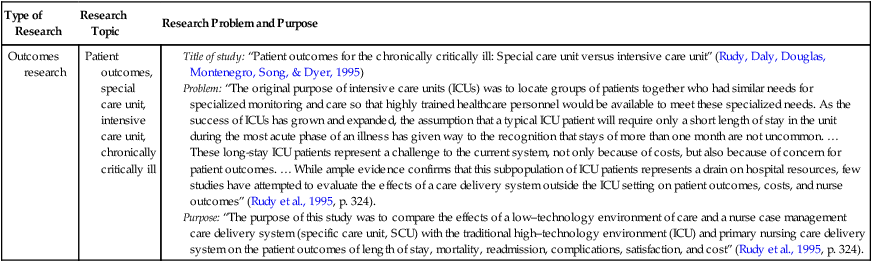
Outcomes research is conducted to examine the end results of care. Table 5–3 includes the topics, problem, and purpose from an outcomes study by Rudy, Daly, Douglas, Montenegro, Song, and Dyer (1995). This study was conducted to determine the outcomes for patients who are chronically critically ill in the special care unit (SCU) compared with the intensive care unit (ICU). Common health outcomes—cost, patient satisfaction, length of stay, complications, and readmissions—were examined to determine the impact of care in these two units on the patients and the healthcare system. The findings from this 4-year study demonstrated that nurse case managers in an SCU setting can produce patient outcomes as good as or better than those obtained in the traditional ICU environment, for long-term critically ill patients. In addition, caring for patients in the SCU was more cost effective than caring for those in the ICU.
Table 5–3
Outcomes Research: Topics, Problem, and Purpose
| Type of Research | Research Topic | Research Problem and Purpose |
| Outcomes research | Patient outcomes, special care unit, intensive care unit, chronically critically ill |
Title of study: “Patient outcomes for the chronically critically ill: Special care unit versus intensive care unit” (Rudy, Daly, Douglas, Montenegro, Song, & Dyer, 1995) Problem: “The original purpose of intensive care units (ICUs) was to locate groups of patients together who had similar needs for specialized monitoring and care so that highly trained healthcare personnel would be available to meet these specialized needs. As the success of ICUs has grown and expanded, the assumption that a typical ICU patient will require only a short length of stay in the unit during the most acute phase of an illness has given way to the recognition that stays of more than one month are not uncommon. … These long-stay ICU patients represent a challenge to the current system, not only because of costs, but also because of concern for patient outcomes. … While ample evidence confirms that this subpopulation of ICU patients represents a drain on hospital resources, few studies have attempted to evaluate the effects of a care delivery system outside the ICU setting on patient outcomes, costs, and nurse outcomes” (Rudy et al., 1995, p. 324). Purpose: “The purpose of this study was to compare the effects of a low–technology environment of care and a nurse case management care delivery system (specific care unit, SCU) with the traditional high–technology environment (ICU) and primary nursing care delivery system on the patient outcomes of length of stay, mortality, readmission, complications, satisfaction, and cost” (Rudy et al., 1995, p. 324). |
Determining the Significance of a Study Problem and Purpose
A research problem is significant in nursing when it has the potential to generate or refine relevant knowledge for practice (Brown, 2009). When critically appraising the significance of the problem and purpose in a published study, you need to determine whether the knowledge generated in the study (1) influences nursing practice, (2) builds on previous research, (3) promotes theory testing or development, and/or (4) addresses current concerns or priorities in nursing (Burns & Grove, 2009).
Influences Nursing Practice
The practice of nursing needs to be evidence-based or built on empirical knowledge that is generated through research (Craig & Smyth, 2007; Melnyk & Fineout-Overholt, 2005). Thus, studies that address clinical concerns and generate findings to improve nursing practice are considered significant. Several research problems and purposes have focused on the effects of nursing interventions or on ways to improve these interventions. For example, researchers have examined the effects of (1) hygienic hand washing on infection control (Celik & Kocasli, 2008); (2) gel pillows for reducing bilateral head flattening in preterm infants (Schultz et al., 2008); and (3) guided health imagery to promote smoking cessation (Wynd, 2005). Intervention-focused studies generate significant empirical knowledge that moves nursing toward evidence-based practice and the delivery of quality care for patients and their families.
Builds on Previous Research
A significant study problem and purpose are based on previous research. In a research article, the Introduction and Literature Review sections include relevant studies that provide a basis for the current study. Often, a summary of the current literature indicates what is known and not known in the area being studied. The gaps in the current knowledge base provide support for and document the significance of the study’s purpose. The study by Schultz and colleagues (2008), introduced earlier in this chapter, indicated what was known about the effectiveness of selected interventions (bed surfaces, pillows, and turning protocols) on bilateral head flattening. What was not known was the effectiveness of a new product, gel pillows, on head flattening in preterm infants. Schultz et al. (2008) built on previous research in conducting their study, identified the initial effectiveness of gel pillows, and indicated the need for additional research before these pillows are used in NICU.
Promotes Theory Testing or Development
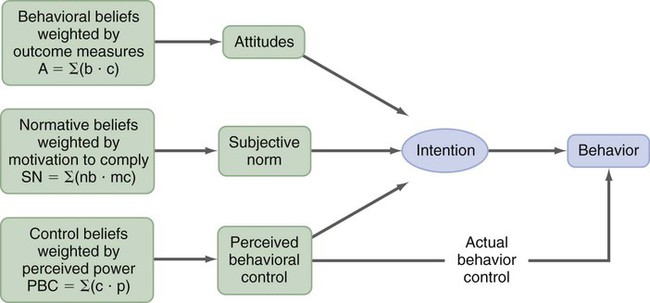
Significant problems and purposes are supported by theory, and the study may focus on either testing or developing theory (Chinn & Kramer, 2008). For example, Steele and Porche (2005) conducted a study to test the theory of planned behavior by Ajzen (2002). A model of Ajzen’s theory is presented in Figure 5–1. This theory was used to predict the intentions of rural southeastern Louisiana women to obtain a mammogram. The model indicates that behavioral belief strength influences attitude, normative belief strength influences subjective norm, and control belief strength influences perceived behavior control. Attitude, subjective norm, and perceived behavioral control are predictive of a person’s intention, and intention is predictive of behavior. The researchers found that perceived behavior control was the most predictive of a woman’s intention to get a mammogram, and attitude was the second greatest predictor. The woman’s intention to get a mammogram was predictive of her behavior of obtaining the mammogram. Thus, Ajzen’s theory was supported by the conduct of this study, and it can be used to explain the mammography intentions of rural women (Steele & Porche, 2005). Ajzen’s theory and the findings from this study can be used to develop educational programs to encourage rural women to get mammograms.
Addresses Nursing Research Priorities
For the last 30 years, nurse leaders, professional nursing organizations, and federal institutes and agencies have developed research priorities and agendas to identify the significant research needed to build an evidence-based practice for nursing. The first research priorities were developed in 1975 for clinical practice under the leadership of Dr. Lindeman. These research priorities included nursing interventions focused on care of the elderly, patient education, and pain management, which continue to be important areas for research today.
Many professional organizations have identified research priorities that are communicated through their websites. For example, the American Association of Critical-Care Nurses (AACN) published its most current research priorities on its website (http://www.aacn.org and search for Research Priorities). The AACN (2009) identified five broad research areas: (1) effective and appropriate use of technology to achieve optimal patient assessment, management, and/or outcomes; (2) creation of a healing, humane environment; (3) processes and systems that foster the optimal contribution of critical care nurses; (4) effective approaches to symptom management; and (5) prevention and management of complications.
The Oncology Nursing Society (ONS) conducted a study of their membership in 2008 to determine the research priorities for oncology nursing (Doorenbos et al., 2008). The ONS identified their top 20 research priorities, which will be used in the development of the 2009-2013 ONS Research Agenda. The top five research priorities identified were: (1) quality of life, (2) pain, (3) late effects of treatment, (4) access to care, and (5) palliative care. The ONS Research Agenda and research priorities can be viewed on the ONS website at http://www.ons.org/Research/.
The American Organization of Nurse Executives (AONE) established their 2009 Education and Research Priorities and provided it on their website at http://www.aone.org/aone/edandcareer/priorities.html. The priorities were organized into four major areas of (1) design of future patient care delivery systems, (2) healthful practice environments, (3) leadership, and (4) positioning nurse leaders as valued healthcare executives and managers. These four general areas included 30 different priorities that can be viewed online (AONE, 2009).
A significant funding agency for nursing research is the National Institute of Nursing Research (NINR). A major initiative of NINR is the development of a national nursing research agenda that will involve identifying nursing research priorities, outlining a plan for implementing priority studies, and obtaining resources to support these priority projects. NINR (2009) developed four strategies for building the science of nursing for 2006-2010: (1) “Integrating biological and behavior science for better health; (2) adopting, adapting, and generating new technologies for better health care; (3) improving methods for future scientific discoveries; and (4) developing scientists for today and tomorrow.” The areas of research emphasis for 2006-2010 include: (1) Promoting health and preventing disease, (2) improving quality of life, (3) eliminating health disparities, and (4) setting directions for end-of-life research (NINR, 2009). Specific research priorities were identified for each of these four areas of research emphasis and included in the NINR Strategic Plan for 2006-2010. Details about the NINR mission, strategic plan, and research priorities are available on their website at http://www.nih.gov/ninr/.
Another important federal agency involved in funding healthcare research is the Agency for Healthcare Research and Quality (AHRQ), formerly the Agency for Health Care Policy and Research (AHCPR). The purpose of the AHRQ (2009) is to enhance the quality, appropriateness, and effectiveness of healthcare services, as well as the access to such services, through the establishment of a broad base of scientific research and the promotion of improvements in clinical practice and in the organization, financing, and delivery of healthcare services. Some of the current funding priorities are research focused on prevention; health information technology; patient safety; long-term care; pharmaceutical outcomes; system capacity and emergency preparedness; and cost, organization, and socioeconomics of health care. For a complete list of funding opportunities and grant announcements, see the AHRQ website at http://www.ahrq.gov/.
Expert researchers, professional organizations, and federal agencies have identified research priorities to direct the future conduct of healthcare research. When conducting a critical appraisal of a study, you need to determine whether the problem and purpose are based on previous research, theory, and current research priorities. Whether the study findings will influence nursing practice also needs to be determined. These four elements, discussed in this section, document the significance of the study in developing and refining nursing knowledge to build an evidence-based practice for nursing (Brown, 2009; Craig & Smyth, 2007).
Examining the Feasibility of a Problem and Purpose
A critical appraisal of research begins by determining the feasibility of the problem and purpose of the study. The feasibility of a study is determined by examining the researchers’ expertise; money commitment; availability of subjects, facilities, and equipment; and the study’s ethical considerations (Rogers, 1987). The feasibility of Schultz and colleagues’ (2008) study of the effectiveness of gel pillows on bilateral head flattening in preterm infants is critically appraised and presented as an example. The critical appraisal involved answering the following questions: Was it feasible for the researchers to study the problem and purpose identified? Did the researchers have the expertise to conduct the study? Did they have adequate money, subjects, setting, and equipment to conduct the study? Was the purpose of the study ethical?
Researcher Expertise
The research problem and purpose studied need to be within the area of expertise of the researchers. Research reports usually identify the education of the researchers and their current positions, which indicate their expertise to conduct a study. Also examine the reference list to determine if the researchers have conducted additional studies in this area. If you desire more information, you can search the web for the researchers’ accomplishments and involvement in research (Burns & Grove, 2009). Schultz, for example, has a doctoral degree and is part of the Center for the Advancement of Evidence-Based Practice at Arizona State University. Her educational preparation and academic position support her research expertise. Goodwin, Jesseman, and Toews are nurses employed in the neonatal intensive care unit at Barbara Bush Children’s Hospital at Maine Medical Center, which supports the strength of their clinical expertise in managing preterm infants. In addition, Jesseman is a neonatal nurse practitioner (NNP), which indicates educational preparation with specialization in the care of preterm infants. Lane is a family nurse practitioner at Maine Centers for Healthcare, and Smith is employed by the Visiting Nurse Association of Brooklyn. The two nurse practitioners also have research expertise in implementing evidenced-based practice for their patients. Thus, Schultz and her co-authors have strong research and clinical expertise to conduct this study. The study would have been strengthened if the researchers had conducted additional research in this area.
Money Commitment
The problem and purpose studied are influenced by the amount of money available to the researchers. The cost of a research project can range from a few dollars for a student’s small study to hundreds of thousands and even millions of dollars for complex projects. In critically appraising a study, you must determine if the researchers had adequate financial resources to complete their study. Sources of funding for a study usually are identified in the article. For example, a study may have been funded by a federal research grant from the NINR or a professional organization such as Sigma Theta Tau or the AACN.
The researchers may have received financial assistance from companies that provided necessary equipment or support from the agency where they work. Receiving funding for a study indicates that it was reviewed by peers who chose to support the research financially. Schultz et al. (2008, p. 198) indicated their study “was supported, in part, by Children’s Medical ventures, which donated the gel pillows.” Nurses at the Barbara Bush Children’s Hospital participated in this study as part of their employment in the neonatal intensive care unit (NICU), indicating agency financial support of the study.
Availability of Subjects, Facilities, and Equipment
Researchers need to have adequate sample size, facilities, and equipment to implement their study. Most published studies indicate the sample size and setting(s) in the Methods section of the research report. Often nursing studies are conducted in natural or partially controlled settings, such as a home, hospital unit, or clinic. Many of these facilities are easy to access, and the hospitals and clinics provide access to large numbers of patients. Schultz and colleagues’ (2008, p. 194) study included 52 neonates who were obtained from “a tertiary level III NICU that averages more than 600 admissions annually.” The researchers recognized the small sample size as a study limitation and a possible cause of the nonsignificant findings. The enrollment of infants was limited to the time that the researchers were available in the NICU; thus, only 81 infants were enrolled in the study. In addition, the attrition in the study by five weeks was high (35%) because of discharge, transfer, and scheduling errors. In this study, an adequate number of subjects were available but because of other circumstances the sample completing the study was small.
A review of the Methods section of the research article will determine if adequate, accurate equipment was available. Nursing studies frequently require a limited amount of equipment, such as a tape or video recorder for interviews, or physiological instruments, such as an electrocardiogram (ECG) or thermometer. Schultz et al. (2008) conducted a quasi-experimental study that examined the effectiveness of gel pillows (independent variable) on head flattening in preterm infants and a company provided the pillows for the study. Head molding (dependent variable) was measured with digital calipers that were available in the NICU. Thus, the researchers had adequate support to implement the independent variable and measure the dependent variable in their study.
Ethical Considerations
The purpose selected for investigation must be ethical, which means that the subjects’ rights and the rights of others in the setting are protected (Burns & Grove, 2009). An ethical study confers more benefits than risks in its conduct and will generate useful knowledge for practice. The Schultz et al. (2008) study carried limited potential risk of increased head molding with the gel pillows and a great potential benefit of reduced head flattening. The researchers obtained Institutional Review Board approval from their clinical agency and informed consent from the parents of the infants. Thus, this is an ethical study that protected the rights of the subjects and has a potential to improve preterm infants’ outcomes.
Examining Research Objectives, Questions, and Hypotheses in Research Reports
Research objectives, questions, and hypotheses evolve from the problem, purpose, literature review, and study framework, and direct the remaining steps of the research process. In a published study the objectives, questions, or hypotheses usually are presented after the Literature Review section and right before the Methods section. The content in this section is provided to assist you in identifying and critically appraising the objectives, questions, and hypotheses in published studies.
Research Objectives or Aims Implemented in Quantitative Studies
A research objective is a clear, concise, declarative statement that is expressed in the present tense. The objectives are sometimes referred to as aims and are used most often in descriptive and correlational quantitative studies. For clarity, an objective or aim usually focuses on one or two variables and indicates whether they are to be identified or described. Sometimes the purpose of objectives is to identify relationships among variables or to determine differences between two or more existing groups regarding selected variables. Duffy, Reeves, Hermann, Karvonen, and Smith (2008) conducted a descriptive study to determine the wants and needs of Veteran Affairs (VA) patients and staff for in-hospital smoking cessation programs. This study demonstrates the logical flow from research problem and purpose to research objectives in a quantitative study. The following questions are used to conduct a critical appraisal of this research example.
Research Example Problem, Purpose, and Objectives from a Quantitative
Tobacco use is the leading cause of mortality in the United States, with an estimated 18.1% of total deaths in the year 2000 attributed to Tobacco (Mokdad, Marks, Stroup, & Gerberding, 2004). Smoking rates are higher in the veteran populations (33% vs. 22% of nonveterans) (Center for Disease Control, 2003b; Office of Quality and Performance, 2001). Psychiatric comorbidities, which are associated with smoking and are common among veterans, may contribute to elevated mortality rates from cancer, cardiovascular disease, and hepatic disorders [problem significance]. … The majority of smoking services in the VA are provided by outpatient programs. Although efficacious, outpatient smoking cessation programs are poorly attended, and few smokers are reached (Cromwell et al., 1997). In contrast, inpatient programs, compared to outpatient programs, enroll a higher percentage of patients who smoke and result in higher cessation [problem background]. … However, inconsistent or minimal cessation services are provided to inpatients in the VA system. … In preparation for delivering an inpatient smoking cessation intervention, veteran inpatient smokers and their staff caregivers at two Michigan VAs were surveyed and interviewed. [problem statement] (Duffy et al., 2008, pp. 199-200)
The purpose of this study was to determine the motivation of veterans to quit smoking and to identify facilitators and barriers to inpatient staff delivery of inpatient cessation services. (Duffy et al., 2008, p. 199)
The objectives of the study were to: (1) determine the motivation of inpatient veterans to quit smoking and the types of services they would prefer; (2) determine facilitators and barriers to inpatient staff delivery of inpatient cessation services; and (3) seek suggestions and insight from inpatients and staff about what would be important to include in an inpatient smoking cessation program. (Duffy et al., 2008, p. 200)
Duffy and colleagues (2008) identified a significant problem of smoking or nicotine addiction that can be linked to cancer, cardiovascular disease, and hepatic disorders. They also provided a background for the problem that indicated what was known in this problem area. The problem statement clearly indicates what is not known and provides a basis for the purpose and objectives of this study. The purpose clearly indicates this is a descriptive study that is focused on a population of inpatient veterans who smoke to determine their motivation to quit smoking and the facilitators and barriers to conducting smoking cessation services (research variables). The study objectives build on the problem and purpose and provide more clarity regarding the focus of the study. All three objectives focused on description, with the first objective focused on describing inpatient veterans’ motivation to quit. The second objective focused on describing the facilitators and barriers to smoking cessation services. The third objective focused on describing what to include in the smoking cessation program. Thus, this study identified a significant problem and a feasible purpose for research. In addition, the study objectives provided clear direction for the conduct of the study and the interpretation of the study results.
This critical appraisal is based on the Critical Appraisal Guidelines for Research Objectives in Studies presented in the previous box on page 160.
Duffy et al. (2008) found that two thirds of the veterans surveyed were motivated to quit smoking and were able to identify many benefits associated with smoking cessation. Barriers to conducting smoking cessation programs were identified by the staff, but also they noted the importance of developing inpatient smoking cessation services to meet the specific needs of veterans. This descriptive study provides a background for the development of an inpatient smoking cessation program that could be tested in future studies to determine if it improves smoking cessation for veterans.
Research Objectives or Aims Implemented in Qualitative Studies
Qualitative research is most appropriate when the focus of the study is to obtain a personal perspective of a situation, experience, or event (Hale, Treharne, & Kitas, 2007). The research objectives or aims formulated for quantitative and qualitative studies have some similarities because they focus on exploration, description, and determination of relationships. However, the objectives directing qualitative studies commonly are broader in focus and include concepts that are more complex and abstract than those of quantitative studies. The aims or objectives focus on obtaining a holistic, comprehensive understanding of the area of study (Creswell, 2008; Munhall, 2007). A qualitative study by Wickman, Anderson, and Greenberg (2008) demonstrates the logical flow from the research problem and purpose to the study aims or objectives. This phenomenological study focuses on adolescent perception of invincibility and how it influences teens’ acceptance of health promotion strategies.
Research Example Problem, Purpose, and Aims in a Qualitative Study
Behavioral patterns begun during adolescence have a long-term impact on health and well-being. The common adolescent belief of invincibility, however, leads to the perception that somehow the consequences of high-risk behavior will not happen to them. … Morbidity and mortality statistics in teens indicate otherwise. High-risk behaviors have significant adverse outcomes for teens including infection with sexually transmitted infections (STIs), HIV, temporary and permanent injury and disability, and even death. … (Centers for Disease Control and Prevention, 2003a, 2006b) [problem significance]. … Although community and school-based programs have enhanced awareness of these problems, teen involvement in risk behaviors continues to be challenging because of the physical, social, and cognitive development capabilities of this age-group. … (Erikson, 1968)
Although quantitative studies clearly reinforce increased vulnerability to risk outcomes for the teen who believes he or she is invincible, these studies typically focus on the frequency of risk-taking behaviors [problem background]. … A lack of research in this area reinforces the need to learn more about the meaning of invincibility and risk perception for this age-group to intervene most effectively with the teen who believes he or she is invincible. [problem statement] (Wickman et al., 2008, pp. 460-461)
The purposes of this study were to explore the phenomenon of invincibility and to identify key factors contributing to risk behavior involvement in teens. (Wickman et al., 2008, p. 460)
1. define the concept of invincibility from the teen perspective
2. identify the characteristics of adolescent thinking that typify invincibility
3. explore the relationship between invincibility and risk behavior involvement
4. identify strategies for working with teens that take into consideration developmental characteristics of teen thinking (Wickman et al., 2008, p. 461)
In this phenomenological study, the problem significance, background, and statement provide a basis for the purpose of this study, which is to gain an understanding of adolescents’ perception of invincibility. The stated aims or objectives further clarify the purpose or focus of this qualitative study. The first aim focused on defining invincibility (study concept), and the second aim focused on identification of adolescent characteristics of thinking that typify invincibility. The third aim focused on exploring relationships between invincibility and risk behavior involvement (study concept), and the fourth aim focused on identification of strategies for working with teens (study concept). This study is concerned with complex, abstract concepts, rather than variables, to promote understanding of adolescent invincibility. Thus, Wickman and colleagues’ (2008) problem provided a basis for identifying a feasible, focused qualitative study purpose, and the aims provided additional clarification of the study focus.
Wickman and colleagues (2008) found that spending time with teens and sharing personal stories made the experiences about risk behaviors more real.
Focusing on the here and now versus teaching about long-term health consequences of risk behaviors is an important guiding principle in health teaching mentioned by participants. … These findings provide direction for public policy and reinforce the need for programs that empower both teens and parents in creating relationships that ‘bridge the gap’ between parents, teens, and society. Programs targeting risk behaviors can optimally empower teens by recognizing and building on teen strengths and maximizing protective factors in the teen’s environment. (Wickman et al., 2008, p. 466)
This study also provides the basis for conducting quantitative studies to examine the effectiveness of teen programs to manage risk behaviors.
Research Questions Implemented in Quantitative Studies
A research question is a clear, concise interrogative statement that is worded in the present tense, includes one or more variables, and is expressed to guide the implementation of quantitative studies. The foci of research questions are description of variable(s), examination of relationships among variables, and determination of differences between two or more groups regarding selected variable(s). The research questions for quantitative studies are usually concisely and narrowly focused and inclusive of the study variables and population. It is really a matter of choice whether researchers identify objectives or questions for their study. Celik and Kocasli (2008) conducted a comparative descriptive study of the hygienic hand washing activities among nursing students in a hospital setting. Research questions were developed to direct the conduct of this study. The flow from research problem and purpose to research questions is demonstrated in the following excerpts from this study. The following questions are used to conduct a critical appraisal of this research example.
Research Example Problem, Purpose, and Questions from a Quantitative Study
Hospital infections develop in 5% to 15% of patients. These infections are a major source of mortality and morbidity and contribute to high costs of health care [problem significance]. … Nurses are sources of contamination in their nursing roles, which include getting patients out of bed, taking pulse rates, measuring arterial blood pressure and body temperature, performing various invasive interventions, as well as dressing and feeding patients (French & Friedman, 2003). Hygienic hand washing before and after these procedures is a simple, cheap, and applicable key component of the reduction and prevention of infections during patient care (Jumaa, 2005). … A review of previous studies on hand washing shows that these studies have primarily been conducted with healthcare professionals and school children [problem background]. However, not much is known about hand washing among nursing students. [problem statement] (Celik & Kocasli, 2008, p. 207)
The purpose of this study was to determine the application status of hand washing information given within the context of infection control measures in practice areas among nursing students. (Celik & Kocasli, 2008, p. 207)
1. In what situations do the students wash their hands in clinical areas?
2. Is there a significant difference between the number of patient care activities of students in clinical areas and the frequency of hand washing?
3. Do they wash their hands for a sufficient period?
4. What are the agents that they use for hand washing? (Celik & Kocasli, 2008, p. 208)
Celik and Kocasli (2008) provide a clearly stated, significant problem of hand washing by nursing students in a hospital setting. The problem statement indicated what was not known and provided the basis for the research purpose. The four research questions provided clear direction for the conduct of the study. Question 1 focused on identification of the situations for hand washing. Question 2 focused on the difference between the number of care activities and hand washing frequency. Questions 3 and 4 focused on description of hand washing time period and types of agents used. These questions were presented immediately before the Methods section of the research report and were used to direct the implementation of the study procedures, organize data analysis, and facilitate the interpretation of the findings.
(This critical appraisal was based on the Critical Appraisal Guidelines for Research Questions in Studies presented in the previous box on page 163.
Celik and Kocasli (2008) found that the student responses indicated they had knowledge about hand washing; however, their practice of hand washing in the clinical setting was inadequate and careless. The researchers stressed the importance of faculty in serving as role models for hand washing and that they need to provide frequent feedback to the students to increase their rate of hand washing. Further quasi-experimental studies are needed to determine the most effective strategies for faculty to implement to promote quality hand washing behaviors of students in clinical settings.
Research Questions Implemented in Qualitative Studies
The research questions directing qualitative studies are often limited in number, broadly focused, and inclusive of variables or concepts that are more complex and abstract than those of quantitative studies. Marshall and Rossman (2006) indicate that questions developed to direct qualitative research might be theoretical ones, which can be studied with different populations or in a variety of sites, or the questions could be focused on a particular population or setting. The specific study questions formulated are very important for the selection of the qualitative research method to be used to conduct the study (Hale et al., 2007). Polzer (2007) conducted a qualitative study to describe African Americans with type 2 diabetes perceptions of the spiritual role of health care providers (HCPs) and the effects of that role on their self-management of their diabetes. The problem, purpose, and research questions used to direct this study are presented in the following excerpts.
Research Example Problem, Purpose, and Questions from a Qualitative Study
The establishment of quality patient/provider relationships is paramount in empowering patients to manage chronic illnesses. … Type 2 diabetes mellitus is a major health problem for African Americans, and is one of the primary causes of morbidity and mortality in this population (Center for Disease Control [CDC], 2005) [problem significance]. … For many African Americans, spirituality is a source of support in managing diabetes. … Some, however, may also turn their self-management practices over to God in lieu of following health provider recommendations. … In a recent grounded theory study (Polzer & Miles, 2007; parent study), the researchers examined how spirituality affected self-management of diabetes in African Americans. The core construct identified in this study was self-management through a relationship with God. Based on their views, participants fell into one of three typologies: Relationship and Responsibility: God is in the Background; Relationship and Responsibility: God is in the Forefront; and Relationship and Relinquishing of Self-Management: God is Healer. … The three typologies shed light on how African Americans viewed their relationship with God, its impact on self-management, and how these perceptions affected their beliefs about HCPs helping them manage their diabetes [problem background]. Knowledge of these perceptions of spiritual care is important as there is little information related to spiritual interventions for African Americans. [problem statement] (Polzer, 2007, pp. 164-166)
Based on the grounded theory study [Polzer & Miles, 2007], a qualitative descriptive study was conducted to examine these perceptions of spiritual care, and further extend the three typologies. (Polzer, 2007, p. 166)
The research questions addressed in this analysis were:
(1) What are the perceptions of African Americans with diabetes regarding how, if, and when nurses and other HCPs should address spirituality in their care?
(2) How do these perceptions differ by typology of self-management through a relationship with God? (Polzer, 2007, p. 166)
Polzer (2007) identified a significant problem of determining how HCPs should address spirituality in their care and how African Americans’ self-management of their type 2 diabetes is influenced by their relationships with God. The problem statement indicated what was not known and provided the basis for the research purpose. The research questions provided clear direction for the conduct of this qualitative study. The first study question focused on description of African Americans’ (population) perceptions of the complex concept of HCPs addressing spirituality in their care. The second question focused on examining differences in the African Americans’ perceptions based on their relationship with God.
(Critical Appraisal is based on Critical Appraisal Guidelines for Research Questions in Studies presented in the box on page 163.)
Based on her study findings, Polzer (2007) identified the following implications for practice: “The model of the three typologies may help health providers understand the importance of spiritual care for some African Americans, as well as how this care can affect self-management. This information also may assist in developing culturally sensitive interventions to improve self-management of diabetes among African Americans” (p. 173).
Hypotheses
A hypothesis is a formal statement of the expected relationship(s) between two or more variables in a specified population. The hypothesis translates the research problem and purpose into a clear explanation or prediction of the expected results or outcomes of selected quantitative and outcome studies. A clearly stated hypothesis includes the variables to be manipulated or measured, identifies the population to be examined, and indicates the proposed outcomes for the study. Hypotheses also influence the study design, sampling method, data collection and analysis process, and interpretation of findings. Quasi-experimental and experimental quantitative studies are conducted to test the effectiveness of a treatment or intervention, and these types of studies should include hypotheses to predict the study outcomes. In this section, types of hypotheses are described and the elements of a testable hypothesis are discussed.
Types of Hypotheses
Different types of relationships and numbers of variables are identified in hypotheses. A study might have one, four, or more hypotheses, depending on its complexity. The type of hypothesis developed is based on the purpose of the study. Hypotheses can be described using four categories: (1) associative versus causal, (2) simple versus complex, (3) nondirectional versus directional and (4) null versus research.
Associative versus Causal Hypotheses
The relationships identified in hypotheses are associative or causal. An associative hypothesis proposes relationships among variables that occur or exist together in the real world, so that when one variable changes, the other changes (Reynolds, 2007). Associative hypotheses usually are expressed using one of the following formats:
• Variable X is related to variables Y and Z in a specified population (predicts relationships among variables but does not indicate the types of relationships).
• An increase in variable X is associated with an increase in variable Y in a specified population (predicts a positive relationship).
• A decrease in variable X is associated with a decrease in variable Y in a specified population (predicts a positive relationship).
• An increase in variable X is associated with a decrease in variable Y in a specified population (predicts a negative relationship).
• Variables X and Y can be used to predict variable Z in a study (independent variables used to predict a dependent variable in a predictive correlational study).
Associative hypotheses identify relationships among variables in a study but do not indicate that one variable causes an effect on another variable.
Reishtein (2005) conducted a quantitative, predictive correlational study to predict if the symptoms of dyspnea, fatigue, and sleep difficulty were predictive of the functional performance of individuals with chronic obstructive pulmonary disease (COPD). The research problem, purpose, and associative hypotheses from this study are presented as an example. The following questions were used to critically appraise this research example.
CRITICAL APPRAISAL GUIDELINES
Hypotheses in Studies
1. Are the hypotheses formally stated in the study? If the study is quasi-experimental or experimental, hypotheses are needed to direct the study.
2. Do the hypotheses clearly identify the relationships among variables of the study?
3. Do the hypotheses clearly predict the outcomes of the study?
4. Are the hypotheses associative or causal, simple or complex, directional or nondirectional, and research or null?
Research Example Associative Hypotheses
COPD has been estimated to affect 14 million people in the United States, limiting activity in 1,310,000 individuals. As the population ages, the prevalence of COPD is predicted to increase. … Researchers have examined the link between symptoms and function. … Two components of affected performance, physical performance and role performance, together can be considered aspects of functional performance. … No researchers have explored the collective impact of the symptoms dyspnea, fatigue, and sleep difficulty on functional performance in patients with COPD. (Reishtein, 2005, pp. 39-40)
Thus, the purpose of this study was to use the Theory of Unpleasant Symptoms to determine the interrelationships and relative contributions of three symptoms [dyspnea, fatigue, and sleep difficulty] to functional performance in people with COPD. (Reishtein, 2005, p. 40)
Reishtein (2005) tested three associate hypotheses in her study that are identified below:
(1) Positive relationships exist among dyspnea, fatigue, and sleep difficulty in people with COPD;
(2) Dyspnea, fatigue, and sleep difficulty are related to functional performance; and
(3) Dyspnea, fatigue, and sleep difficulty, taken together, will explain more of the variance in functional performance in people with COPD than any of these symptoms alone. (Reishtein, 2005, p. 40)
The research problem stated by Reishtein (2005) is significant because many individuals have COPD and their quality of life is affected by their functional performance (physical and role performance). The problem identifies an area of concern and the purpose of the study is clearly focused on addressing that concern. The hypotheses build on the problem and purpose and clearly predict the outcomes of the study. Associate hypotheses are appropriate to direct predictive correlational studies (Burns & Grove, 2009).
Hypothesis 1 predicts positive relationships or associations among the three variables dyspnea, fatigue, and sleep difficulty for patients with COPD. A positive relationship means that the variables change together; thus, they will all increase together in value or all decrease together. These relationships are depicted in the following diagram.

Hypothesis 2 predicts relationships between three variables—dyspnea, fatigue, and sleep difficulty—and the variable functional performance but does not identify the type of relationship. These associative relationships are shown in the following diagram.

Hypothesis 3 uses the independent variables dyspnea, fatigue, and sleep difficulty to predict the functional performance of COPD patients. This relationship can be diagrammed as follows.

These hypotheses provide clear direction for the study by indicating what is to be examined in the study and the expected outcomes. In addition, these hypotheses clearly identify the study independent variables (dyspnea, fatigue, and sleep difficulty), dependent or outcome variable (functional performance), and population (COPD patients).
This critical appraisal is based on the Critical Appraisal Guidelines for Hypotheses in Studies presented in the box on page 168.
The results from the study only partially supported the hypotheses. Only dyspnea was related to the other symptoms of fatigue and sleep difficulty and to functional performance. Thus, managing dyspnea may be the best way to improve symptoms and functional performance in patients with COPD. Additional research is needed to recognize other symptoms that might be predictive of performance function in COPD patients and direct future management of this disease (Reishtein, 2005).
A causal hypothesis proposes a cause-and-effect interaction between two or more variables, which are referred to as independent and dependent variables. The independent variable (treatment or experimental variable) is manipulated by the researcher to cause an effect on the dependent variable. The researcher then measures the dependent variable (outcome or criterion variable) to examine the effect created by the independent variable (Reynolds, 2007). A format for stating a causal hypothesis is the following: The subjects in the experimental group, who are exposed to the independent variable, demonstrate greater change, as measured by the dependent variable, than do the subjects in the comparison group who receive standard care.
Research Example Causal Hypothesis
Schultz et al. (2008, p. 191) studied the “effectiveness of gel pillows for reducing bilateral head flattening in preterm infants.” The following causal hypothesis was used to direct their study. The problem and purpose for this study are presented at the beginning of this chapter in the section identifying research problems and purposes.
The hypothesis was that infants in the experimental group (on gel pillows) would demonstrate significantly less head molding over time than those in the control group (on standard mattresses) by 5 weeks postbirth. (Schultz et al., 2008, p. 194)
Schultz et al. (2008) conducted a quasi-experimental study so it is important that a hypothesis was stated to predict the outcome of this study. This causal hypothesis clearly identifies the independent variable (gel pillows) that was implemented to determine its effect on the dependent variable (head holding). The study has two groups and the experimental group is exposed to the gel pillows and the control group receives standard care of mattresses. The population is identified as infants, but the study really was conducted on preterm infants, who are most likely to experience head molding after birth. This hypothesis is diagrammed in the following figure, in which a causal arrow (→) is used to show the causal relationship between the independent and dependent variables. This hypothesis expresses a negative relationship in that the more gel pillows are used, the less the head molding. Thus, the variables are moving in opposite directions or a negative relationship.

The findings from this study were not significant and thus did not support the hypothesis that gel pillows would reduce head molding. However, the results were moving in the direction of significance, but the study lacked adequate sample size to achieve significant results. The researchers did indicate that the study findings had clinical significance and demonstrated this with a picture of the heads of two preterm infants (Figure 5–2). The infant in the top picture is using the gel pillow and does appear to have less head flattening or molding than the infant below it on a standard mattress. However, additional research is needed with a larger sample size to determine the effectiveness of the gel pillows on preterm infant head molding.

Simple versus Complex Hypotheses
A simple hypothesis states the relationship (associative or causal) between two variables. A complex hypothesis states the relationships (associative or causal) among three or more variables.
Research Example Simple Hypothesis
Epstein, Tsaras, Amoateng-Adjepong, Greiner, and Manthous (2009) conducted a study to determine if race affected the readmission rate to the hospital after a critical illness. These researchers stated the following simple hypothesis to direct their study:
we hypothesized that racial status is a risk factor for early (within 7 days) hospital readmission after initial recovery from critical illness and respiratory failure. (Epstein et al., 2009, p. 66)
This hypothesis is a clearly stated simple, associative hypothesis. This hypothesis states a positive relationship between two variables (racial status as a risk factor and early hospital readmission), as shown in the following diagram.

This hypothesis clearly indicates the expected outcome of the study and identifies the study variables and population (patients recovering from critical illness and respiratory failure).
The study findings did not support this hypothesis since race was not associated with rapid readmission or mortality of critically ill patients. In this study, 20.6% of the Hispanics and 16.5% of the Caucasians (p = 0.3, nonsignificant result) were readmitted within 7 days. Epstein and colleagues (2009) found that rapid readmission was linked to those patients who were mechanically ventilated beyond 29 days and were sent to acute rehabilitation or skilled nursing facilities after hospitalization. However, the researchers indicated that further study was needed to determine if these findings are generalizable or unique to this clinical agency.
Research Example Complex Hypothesis
A complex hypothesis predicts the relationship (associative or causal) among three or more variables. Polman, de Castro, and van Aken (2007) conducted a study of the effects of playing versus watching violent video games on children’s aggressive behavior. These researchers developed a complex hypothesis to direct the conduct of their study. Their hypothesis was as follows:
It was hypothesized that playing a violent video game will lead to higher levels of aggression than watching a violent video game or playing a non-violent game. (Polman, et al., 2007, p. 257)
Polman et al. (2007) conducted a quasi-experimental study to examine the effects of three independent variables or treatments (playing violent video game, watching a violent video game, and playing a non-violent game) on the dependent variable level of aggression. Thus, it was appropriate that a hypothesis was developed to direct this study. This hypothesis clearly identifies the variables but not the population, which included children (boys and girls) in this study. The study included three groups and each group included both boys and girls, who were exposed to one of the interventions or independent variables. The causal relationships examined in this study are presented in the following diagrams.
This hypothesis was supported by the study findings for boys but not for girls. Polman and colleagues (2007) found that boys who played violent video games were more aggressive than if they watched violent video games. However, there was no relationship between game conditions and aggressive behavior in girls. The researchers recommend additional studies with larger samples and to investigate not only whether violent video games lead to aggression, but why. Polman and colleagues also recommend that parents and caregivers pay special attention to the regulation of violent video game play by boys.
Nondirectional versus Directional Hypotheses
A nondirectional hypothesis states that a relationship exists but does not predict the nature of the relationship. If the direction of the relationship being studied is not clear in clinical practice or the theoretical or empirical literature, the researcher has no clear indication of the nature of the relationship. Under these circumstances, nondirectional hypotheses are developed, such as the one by Reishtein (2005, p. 40) identified earlier in this section: “(2) Dyspnea, fatigue, and sleep difficulty are related to functional performance.” This is an associative, complex, nondirectional hypothesis. It is associative because it predicts a relationship; complex because there are four variables (dyspnea, fatigue, sleep difficulty, and functional performance); and nondirectional because the nature of the relationships (positive or negative) among the variables is not indicated.
A directional hypothesis states the nature (positive or negative) of the interaction between two or more variables. The use of terms such as positive, negative, less, more, increase, decrease, greater, higher, or lower in a hypothesis indicates the direction of the relationship. Directional hypotheses are developed from theoretical statements (propositions), findings of previous studies, and clinical experience. As the knowledge on which a study is based increases, the researcher is able to make a prediction about the direction of a relationship between the variables being studied. For example, Reishtein stated a directional hypothesis: “…Positive relationships exist among dyspnea, fatigue, and sleep difficulty in people with COPD” (2005, p. 40). This is an associative, complex, directional hypothesis. It is associative because it predicts a relationship; complex because there are three variables (dyspnea, fatigue, and sleep difficulty); and directional because a positive relationship is predicted. A positive relationship indicates that the variables change together and can either increase or decrease together.
A causal hypothesis predicts the effect of an independent variable on a dependent variable, specifying the direction of the relationship. The independent variable either increases or decreases each dependent variable. Thus, all causal hypotheses are directional. Polman et al. (2007) conducted their study to test a complex, causal, directional hypothesis to guide their study. They predicted that playing violent video games would cause higher levels of aggression, which was supported for boys but not for girls.
Null versus Research Hypotheses
The null hypothesis (H0), also referred to as a statistical hypothesis, is used for statistical testing and for interpreting statistical outcomes. Even if the null hypothesis is not stated, it is implied, because it is the converse of the research hypothesis (Kerlinger & Lee, 2000). Some researchers state the null hypothesis because it is more easily interpreted on the basis of the results of statistical analyses. The null hypothesis also is used when the researcher believes there is no relationship between two variables and when theoretical or empirical information is inadequate to state a research hypothesis.
A null hypothesis can be simple or complex and associative or causal. An example of a simple, associative, null hypothesis is the following: “There is no relationship between the number of experiences performing a developmental assessment skill and learning of the skill” (Koniak, 1985, p. 85).
Schultz, Drew, and Hewitt (2002) conducted a quasi-experimental study to determine the effectiveness of heparinized and normal saline flushes in maintaining the patency of 24-gauge (G) intermittent peripheral intravenous (IV) catheters in neonates in intensive care. “The hypothesis stated that there would be no significant difference in the duration of patency of a 24 G IV lock in a neonatal patient when flushed with 0.5 mL [millimeters] of heparinized saline (2U/mL), our standard practice, compared with 0.5 mL of 0.9% normal saline” (Schultz et al., 2002, p. 30).
This is a simple, null hypothesis with one independent variable (0.9% normal saline flush) and one dependent variable (patency of 24 G IV catheter). The comparison group received standard care of heparinized saline flush, and the population was neonates in an intensive care setting. The findings of the study did not support the null hypothesis because the catheters flushed with heparinized saline were patent significantly longer than the catheters flushed with normal saline. Thus, the researchers recommended continuing the use of heparinized saline as the standard for flushing 24 G catheters in infants.
A research hypothesis is the alternative hypothesis (H1 or HA) to the null hypothesis and states that a relationship exists between two or more variables. All of the hypotheses stated in previous sections of this chapter have been research hypotheses, except for the two null hypotheses given in the previous paragraph. Research hypotheses can be simple or complex, nondirectional or directional, and associative or causal.
Testable Hypothesis
The value of a hypothesis ultimately is derived from whether it is testable in the real world. A testable hypothesis is one that clearly predicts the relationships among variables and contains variables that are measurable or able to be manipulated in a study. Thus, the independent variable must be clearly defined, often by a protocol, so that it can be implemented precisely and consistently as a treatment in the study. The dependent variable must be clearly defined to indicate how it will be precisely and accurately measured.
A testable hypothesis also needs to predict a relationship that can be “supported” or “not supported” as indicated by the data collected and analyzed. If the hypothesis states an associative relationship, correlational analyses are conducted on the data to determine the existence, type, and strength of the relationship between the variables studied. The hypothesis that states a causal link between the independent and dependent variables is evaluated using statistics that examine differences between the experimental and comparison or control groups, such as the t-test or ANOVA. It is the null hypothesis (stated or implied) that is tested to determine whether the independent variable produced a significant effect on the dependent variable (Burns & Grove, 2009).
Hypotheses are clearer without specifying the presence or absence of a “significant difference,” because determination of the level of significance is only a statistical technique applied to sample data. Thus, the hypothesis stated by Schultz et al. (2008) presented earlier in this section would have been stronger if the term “significantly” was omitted.
In addition, hypotheses should not identify methodological points, such as techniques of sampling, measurement, and data analysis (Kerlinger & Lee, 2000). Therefore, such phrases as “measured by,” “in a random sample of,” and “using ANOVA” (analysis of variance) are inappropriate because they limit the hypothesis to the measurement methods, sample, or analysis techniques identified for one study. In addition, hypotheses need to reflect the variables and population outlined in the research purpose and are expressed in the present tense, not the future tense. Expressing hypotheses in the present tense does not limit them to the study being conducted and enables them to be used in additional research.
In summary, the research objectives, questions, and hypotheses must be clearly focused and concisely expressed in studies. Both objectives and questions are used in qualitative studies and descriptive and correlational quantitative studies, but questions are more common. Some correlational studies focus on predicting relationships and may include hypotheses. Quasi-experimental and experimental studies should be directed by hypotheses.
Understanding Study Variables and Research Concepts
The research purpose and objectives, questions, and hypotheses include the variables or concepts to be examined in a study. Variables are qualities, properties, or characteristics of persons, things, or situations that change or vary. Variables should be concisely defined to promote their measurement or manipulation within quantitative or outcomes studies (Chinn & Kramer, 2008). Research concepts are studied in qualitative research and are at higher levels of abstraction than variables. In this section different types of variables are described, and conceptual and operational definitions of variables are discussed. The research concepts investigated in qualitative research are discussed with their conceptual definitions.
Types of Variables in Quantitative Research
Variables are classified into a variety of types to explain their use in research. Some variables are manipulated; others are controlled. Some variables are identified but not measured; others are measured with refined measurement devices. The types of variables presented in this section include independent, dependent, research, and extraneous (Reynolds, 2007).
Independent and Dependent Variables
The relationship between independent and dependent variables is the basis for formulating hypotheses for correlational, quasi-experimental, and experimental studies. An independent variable is a stimulus or activity that is manipulated or varied by the researcher to create an effect on the dependent variable. The independent variable is also called a treatment or experimental variable. A dependent variable is the outcome or response that the researcher wants to predict or explain. Changes in the dependent variable are presumed to be caused by the independent variable. Schultz and colleagues (2008) conducted a quasi-experimental study that examined the effect of the independent variable gel pillows on the dependent variable of head molding in preterm infants. The discussion of this study was introduced earlier in this chapter.
In predictive correlational studies, the variables measured to predict a single dependent variable are also called independent variables (Burns & Grove, 2009). Reishtein (2005) conducted a predictive correlational study that was introduced earlier in this chapter under the hypothesis section. In this study, Reishtein measured the independent variables dyspnea, fatigue, and sleep difficulty to predict the dependent variable functional performance in patients with COPD. The researcher found that only dyspnea was predictive of functional performance in COPD patients.
Research Variables
Descriptive and correlational quantitative studies involve the investigation of research variables. Research variables are the qualities, properties, or characteristics identified in the research purpose and objectives or questions that are observed or measured in a study. Research variables are used when the intent of the study is to observe or measure variables as they exist in a natural setting without the implementation of a treatment. Thus no independent variables are manipulated, and no cause-and-effect relationships are examined.
Extraneous Variables
Extraneous variables exist in all studies and can affect the measurement of study variables and the relationships among these variables. Extraneous variables are of primary concern in quantitative studies because they can interfere with obtaining a clear understanding of the relational or causal dynamics within these studies. These variables are classified as recognized or unrecognized and controlled or uncontrolled. Some extraneous variables are not recognized until the study is in progress or is completed, but their presence influences the study outcome.
Researchers attempt to recognize and control as many extraneous variables as possible in quasi-experimental and experimental studies, and specific designs and sample criteria have been developed to control the influence of extraneous variables that might influence the outcomes of studies. Schultz et al. (2008, p. 194), in their quasi-experiment study of the use of gel pillows to reduce head molding, identified the following inclusion and exclusion sample criteria for their study: “Infants were potentially eligible for the study if they were = 34 weeks of age and weighed = 1500 g. Exclusion criteria included hydrocephaly, microcephaly, cranial deformities, or central nervous system abnormalities.” These sample criteria ensured that the subjects were preterm infants of a select size and the exclusion criteria removed the impact of extraneous variables that might have been associated with infants who have the congenital defects identified. The removal of extraneous variables from a study increases the ability of the researcher to determine the true effect of the independent variable on the dependent variable.
The extraneous variables that are not recognized until the study is in process, or are recognized before the study is initiated but cannot be controlled, are referred to as confounding variables. Sometimes extraneous variables can be measured during the study and controlled statistically during analysis. However, extraneous variables that cannot be controlled or measured are a design weakness and can hinder the interpretation of findings (see Chapter 8). As control in correlational, quasi-experimental and experimental studies decreases, the potential influence of confounding variables increases.
Environmental variables are a type of extraneous variable composing the setting in which the study is conducted. Examples of these variables include climate, family, healthcare system, and governmental organizations. If a researcher is studying humans in an uncontrolled or natural setting, it is impossible and undesirable to control all the extraneous variables. In qualitative and some quantitative (descriptive and correlational) studies, little or no attempt is made to control extraneous variables. The intent is to study subjects in their natural environment without controlling or altering that setting or situation (Munhall, 2007). The environmental variables in quasi-experimental and experimental research can be controlled by using a laboratory setting or a specially constructed research unit in a hospital. Environmental control is an extremely important part of conducting an experimental study. For example, Rasmussen and Farr (2003) conducted an experimental study using rats in a laboratory setting. (See Table 5–1 for the problem and purpose of this study.) The laboratory controlled for many of the environmental variables, so they did not have an impact on the study outcome.
Conceptual and Operational Definitions of Variables in Quantitative Research
A variable is operationalized in a study by the development of conceptual and operational definitions. A conceptual definition provides the theoretical meaning of a variable (Chinn & Kramer, 2008) and often is derived from a theorist’s definition of a related concept. In a published study, the framework includes concepts and their definitions, and the variables are selected to represent the concepts. Thus, the variables are conceptually defined, indicating the link with the concepts in the framework. An operational definition is derived from a set of procedures or progressive acts that a researcher performs to receive sensory impressions (such as sound, visual, or tactile impressions) that indicate the existence or degree of existence of a variable (Reynolds, 2007). Operational definitions need to be independent of time and setting so that variables can be investigated at different times and in different settings using the same operational definitions. An operational definition is developed so that a variable can be measured or manipulated in a concrete situation, and the knowledge gained from studying the variable will increase the understanding of the theoretical concept that this variable represents.
The two variables from the Schultz et al. (2008) study, which examined the effect of gel pillows on bilateral head molding or flattening, are operationalized as an example. This quasi-experimental study had an independent variable of gel pillows and a dependent variable of head molding. The conceptual and operational definitions for these two variables are presented in the following research example. The questions identified in the Box were used to critically appraise the variables and their definitions in Schultz et al. (2008) study.
CRITICAL APPRAISAL GUIDELINES
Study Variables
1. Are the variables clearly identified in the study purpose and/or research objectives, questions, or hypotheses?
2. What types of variables are examined in the study? Are independent and dependent variables or research variables or concepts examined in the study?
Research Example Conceptual and Operational Definitions of Variables
Independent Variable: Gel Pillow
The gel pillow is a therapeutic or care factor implemented to promote quality outcomes for preterm infants (Schultz et al., 2008).
The Gel-E Donut manufactured by Children’s Medical Ventures (Wallingford, CT) is 3/8 inches thick and 7 inches in diameter (see Figure 5–3). The pillow is a nontoxic carboxy vinyl bag filled with a combination of water and antibacterial agent. It is designed to reduce pressure while providing support. The pillow was placed under the mattress sheet at the head of the bed. (Schultz et al., 2008, p. 195)

Dependent Variable: Head Molding or Flattening
Bilateral head molding or flattening is an undesirable outcome in preterm infants and healthcare professionals attempt to prevent this outcome with therapeutic interventions or care factors (Schultz et al., 2008).
The degree of head flattening was expressed as the AP:BP [anterior-posterior:biparietal] ratio or the CI [cephalic index]. The AP and BP diameters were measured using a 6-inch Digimatic caliper (700-113 MyCal Lite; see Figure 5–4) manufactured by Mitutoya (Suzhou, PR China). (Schultz et al., 2008, p. 195)

The variables in the Schultz et al. (2008) study were clearly identified and defined. The independent and dependent variables were identified in the study purpose and hypothesis. The conceptual definitions for gel pillow and head molding were found in the framework section of the article so there was a clear link between the concepts in the framework and the study variables. The operational definitions were found in the methods section of the research report. The gel pillow was clearly described and a picture of the pillow was provided in the article. The degree of head flattening was measured with digital calipers, which were also pictured in the article. The conceptual definitions based on the framework provided direction for the development of the gel pillow intervention and the measurement of the dependent variable head molding. Findings from this study are presented earlier in this chapter.
Research Concepts Investigated in Qualitative Research
The variables in quasi-experimental and experimental research are narrow and specific in focus and can be quantified (converted to numbers) or manipulated using specified steps that are often developed into a protocol. In addition, the variables are objectively defined to decrease researcher bias, as indicated in the previous section. Qualitative research is more abstract, subjective, and holistic than quantitative research and involves the investigation of research concepts versus research variables. Research concepts include the ideas, experiences, situations, or events that are investigated in qualitative research. For example, Wickman et al. (2008, p. 460) conducted a qualitative study to “explore the phenomenon of invincibility and to identify key factors contributing to risk behavior involvement in teens.” The problem, purpose, and aims for this study were presented earlier in this chapter. The research concepts explored in this study were “invincibility” and “risk behavior involvement.” In many qualitative studies, the focus of the study is to define the concept(s) being studied. Thus, the conceptual definition of the concept is often presented in the findings section of the study. For example, Cashin et al. (2008) conducted a phenomenological study to explore the lived experience of fathers who have children with asthma. This study was introduced earlier in this chapter and the study topics, problem, and purpose are presented in Table 5–2. The conceptual definition for the research concept explored in this study is presented as follows. Guidelines are provided to direct you in critically appraising the research concepts and conceptual definitions in qualitative studies.
Research Example Research Concept and Conceptual Definition
Research Concept: Lived Experience of Fathers with Asthmatic Children
The lived experience of the fathers with asthmatic children was conceptually defined by the five themes generated from the study findings that included: “feeling relief in knowing the diagnosis, learning the ropes, being vigilant, living with concern, and being comfortable with asthma management” (Cashin et al., 2008, p. 376).
The conceptual definition was developed using phenomenological methodology. Van Manen’s (1994) method was used to “pursue the human science research that uses hermeneutic phenomenology and consists of the following six research activities: 1. Turning to a phenomenon which seriously interests us and commits us to the world. … 2. Investigating experience as we live it rather than as we conceptualize it. … 3. Reflecting on the essential themes which characterize the phenomenon. … 4. Describing the phenomenon through the art of writing and rewriting it. … 5. Maintaining a strong and orientated relation. … 6. Balancing the research context by considering parts and whole” (Cashin et al., 2008, pp. 374-375).
The study purpose clearly identified the research concept to be described in this study (see Table 5–2). In addition, the research concept of the lived experience of fathers with asthmatic children was conceptually defined in the research report. The conceptual definition was in the Discussion section of the study because the focus was on describing the experience for the fathers. The conceptual definition in this study was developed using the philosophy of Van Manen (1994), whose human science approach is well recognized for conducting phenomenological research. More details on the types of qualitative research are provided in Chapter 3.
Demographic Variables
Demographic variables are attributes of subjects that are collected to describe the sample. The demographic variables are identified by the researcher when a proposal is developed for conducting a study. Some common demographic variables are age, education, gender, ethnic origin (race), marital status, income, job classification, and medical diagnosis. Once data are collected from the study subjects on these demographic variables and analyzed, the results are called sample characteristics that are used to describe the sample. A study’s sample characteristics can be presented in table format or narrative. As discussed earlier in this chapter, Duffy et al. (2008) conducted a descriptive study identifying the need for in-hospital smoking cessation programs for VA patients. The demographic variables examined in this study included: age, gender, race, marital status, education, reason for admission, comorbidities, significant depressive symptoms, and alcohol use. Table 5–4 presents the demographic information or profile of the subjects in this study; this profile is also referred to as the sample characteristics for the study.
Table 5–4
VA Inpatient Survey Results: Demographic Information
| Characteristics | Values |
| Age in years (n = 87) [M (range) (SD)] | 59 (40-82) (9) |
| Male gender (n = 87) [n (%)] | 84 (97) |
| Race/ethnicity (n = 86) [n (%)] | |
| White | 63 (73) |
| Non-white | 23 (27) |
| Marital status (n = 85) [n (%)] | |
| Married | 24 (28) |
| Widowed | 8 (9) |
| Divorced/separated | 37 (44) |
| Never married | 16 (19) |
| Education (n = 85) [n (%)] | |
| High school or less | 47 (55) |
| Some college | 29 (34) |
| 4-Year degree or more | 9 (11) |
| Reason for admission (n = 85) [n (%)] | |
| Cancer | 8 (9) |
| Lung disease | 7 (8) |
| Heart disease | 19 (22) |
| Stroke | 4 (5) |
| Diabetes | 4 (5) |
| Arthritis/orthopedic | 10 (12) |
| Wound care | 8 (9) |
| Characteristics | |
| Surgery | 6 (7) |
| Vascular | 3 (4) |
| Other | 16 (19) |
| Comorbidities [n (%)] | |
| Cancer (n = 72) | 12 (17) |
| Lung disease (n = 74) | 23 (31) |
| Heart disease (n = 79) | 37 (47) |
| Stroke (n = 72) | 11 (15) |
| Psychiatric problems (n = 75) | 30 (40) |
| Diabetes (n = 72) | 14 (19) |
| Arthritis/orthopedic (n = 69) | 29 (42) |
| Significant depressive symptoms (n = 71) [n (%)] | 40 (56) |
| Alcohol use (n = 84) [n (%)] | |
| Currently drinks alcohol | 28 (33) |
| Quit last month | 8 (10) |
| Quit last year | 12 (14) |
| Quit more than a year ago | 28 (33) |
| Never drank alcohol | 8 (10) |
| Alcohol problem (n = 84) (AUDIT score ≥8) | 26 (31) |
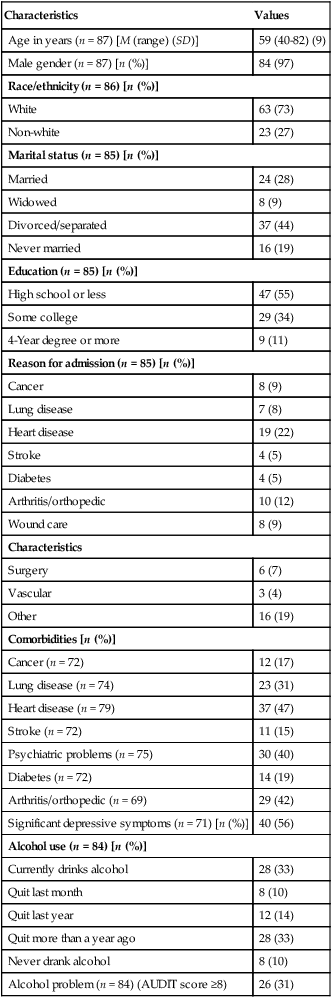
From Duffy, S. A., Reeves, P., Hermann, C., Karvonen, C., & Smith, P. (2008). In-hospital smoking cessation programs: What do VA patients and staff want and need? Applied Nursing Research, 21(4), p. 201.
Sample characteristics can also be presented in narrative format in the research report. For example, Celik and Kocasli (2008) studied the hand washing by nursing students in a hospital and described their sample using a narrative format. The demographic variables for this study were gender, age, and status in nursing educational program. These researchers described their sample characteristics as follows:
Key Concepts
• The research problem is an area of concern in which there is a gap in the knowledge base needed for nursing practice. The problem includes significance, background, and problem statement.
• The research purpose is a concise, clear statement of the specific goal or focus of the study.
• A significant problem and purpose influence nursing practice, build on previous research, promote theory development, and/or address current concerns or priorities in nursing.
• Study feasibility is evaluated by examining the researchers’ expertise; money commitments; availability of subjects, facilities, and equipment; and the study’s ethical considerations.
• Research objectives, questions, or hypotheses are formulated to bridge the gap between the more abstractly stated research problem and purpose and the detailed quantitative design and data analysis.
• Qualitative study often includes problem, purpose, and research questions or aims to direct the study.
• A hypothesis is the formal statement of the expected relationship(s) between two or more variables in a specified population in a quantitative or outcomes study.
• Hypotheses can be described using four categories: (1) associative versus causal, (2) simple versus complex, (3) nondirectional versus directional, and (4) null versus research.
• Variables are qualities, properties, or characteristics of persons, things, or situations that change or vary.
• An independent variable is an intervention or treatment that is manipulated or varied by the researcher to create an effect on the dependent variable.
• A dependent variable is the response, behavior, or outcome that the researcher wants to predict or explain.
• Research variables are the qualities, properties, or characteristics that are observed or measured in descriptive and correlational studies.
• A variable is operationalized in a study by developing conceptual and operational definitions.
• A conceptual definition provides the theoretical meaning of a variable and is derived from a theorist’s definition of a related concept.
• Operational definitions indicate how a treatment or independent variable will be implemented and how the dependent or outcome variable will be measured.
• Research concepts include the ideas, experiences, situations, or events that are investigated in qualitative research.
• Research concepts are conceptually defined during the conduct of a qualitative study.
• Demographic variables are characteristics or attributes of the subjects that are collected and analyzed to describe the study sample.