Chapter 18
Drugs Containing Resins
18.1 Definition
Resin can be defined as the complex amorphous product of more or less solid characteristics which on heating first sets softened and then melt. Resins are produced and stored in the schizogenous or schizolysigenous glands or cavities of the plants. Isolated resin products which come as an unorganized crude drug in the market are more or less solid, hard, transparent, or translucent materials. Resins are insoluble in most polar and nonpolar solvents like water and petroleum ether, respectively, but dissolve completely in alcohol, solvent ether, benzene, or chloroform.
18.2 Classification
Resins are classified mostly on the basis of two important features, that is, on the basis of their chemical nature and secondly as per their association with the other group of compounds like essential oils and gums.
Chemical classification of resins categorizes these products according to their active functional groups as given below:
Resin Acids
Resin acids are the carboxylic acid group containing resinous substances which may or may not have association with phenolic compounds. These compounds are found in free states or as the esters derivatives. Being acidic compounds they are soluble in aqueous solution of alkalies producing frothy solution. Resin acids can be derivatized to their metallic salts known as resinates, which finds their use in soap, paints and varnish industries. The abietic acid and commiphoric acid present in colophony and myrrh respectively are the examples of resin acids.
Resin Esters
Resin esters are the esters of the resin acids or the other aromatic acids like benzoic, cinnamic, salicylic acids, etc. They are sometimes converted to their free acids by the treatment with caustic alkali. Dragon’s blood and benzoin are the common resin ester containing drugs.
Resin Alcohols
Resin alcohols or resinols are the complex alcoholic compounds of high molecular weight. Like resin acids they are found as free alcohols or as esters of benzoic, salicylic, and cinnamic acids. They are insoluble in aqueous alkali solution but are soluble in alcohol and ether. Resinols are present in benzoin as benzoresinol and in storax as storesinol.
Resin Phenols
Resin phenols or resinotannols are also high molecular weight compounds which occur in free states or as esters. Due to phenolic group they form phenoxoids and become soluble in aqueous alkali solution. However they are insoluble in water but dissolve in alcohol and ether. Resinotannols gives a positive reaction with ferric chloride. The resinotannol are found in balsam of Peru as peruresinotannol, in Tolu balsam as toluresinotannol and in benzoin as siaresinotannols.
Glucoresins
Resins sometimes get combined with sugars by glycosylation and produce glucoresins. Glycoresins can be hydrolysed by acidic hydrolysis to the glycone and aglycone.
Resenes
Chemically inert resin products are generally termed as resenes. They are generally found in free state and never form esters or other derivatives. Resenes are soluble in benzene, chloroform and to some extent in petroleum ether. Resenes are insoluble in water. Asafoetida is an example of resene-containing drug, which contains drug about 50% of asaresene B.
Accordingly, other simple classification based on the association of resin with gums and/or volatile oils is given below.
Oleoresins
Oleoresins are the homogenous mixture of resin with volatile oils. The oleoresins posses an essence due to volatile oils. A trace amount of gummy material may sometimes be found in oleoresins. Turpentine, ginger, copaiba, Canada resin are few important examples of oleoresins.
Gum Resins
Gum resins are the naturally occurring mixture of resins with gums. Due to solubility in water, gums can be easily separated out from resin by dissolving the gum in water. Ammoniacum is an example of natural gum resin.
Oleogum Resins
Oleogum resins are the naturally occurring mixtures of resin, volatile oil, and gum. The example includes gum myrrh, asafoetida, gamboage, etc. Oleogum resins oozes out from the incisions made in the bark and hardens.
Balsams
Balsams are the naturally occurring resinous mixtures which contain a high proportion of aromatic balsamic acids such as benzoic acid, cinnamic acid, and their esters. Balsams containing free acids are partially soluble in hot water. Some important balsams containing drugs are balsam of Peru, balsam of Tolu, benzoin, and storax. The oleogum resin containing drugs like copaiba and Canada are sometimes wrongly referred to as balsams.
18.3 Chemical Composition
The chemical composition of the resin is generally quite complex and diverse in its nature. It can be a complex mixture of acids, alcohols, phenols, esters, glycosides, or hydrocarbons. When the resins are associated with volatile oils, contains the components like monoterpenoids, sesquiterpenonoids, and diterpenoids. The gums which are associated with resins are similar to acacia gum which sometimes possesses smaller quantities of oxidase enzymes. Resins can be of the physiological origin such as the secretions of the ducts. They can also be pathological products which are exuded through the incisions made on the plant.
18.4 Isolation
The process of the isolation of resin from crude drug can be a difficult task due to the presence of various combinations. However the most generalized technique can be the extraction of the drug with alcoholic solvents and then subsequent precipitation of resin by adding concentrated alcoholic extract to a large proportion of water. The method of distillation or hydrodistillation can be used for the separation of volatile oils from resin. This process is used largely for the separation of resin from turpentine.
Asafoetida
Biological Source
Asafoetida is an oleo-gum resin obtained as an exudation by incision of the decapitated rhizome and roots of Ferula asafoetida L, F. foetida, Royel, F. rubricaulis Boiss, and some other species of Ferula, belonging to family Apiaceae.
Geographical Source
The plant grows in Iran, Turkestan and Afghanistan (Karam and Chagai districts).
Collection
The plant is a perennial branching, 3m high herb possessing large schizogeneous ducts and lysigenous cavities containing milky liquid. Upon exudation and drying of the liquid, Asafoetida is obtained. For the collection of the drug the upper part of the root is laid bare and the stem cut off close to the crown in March–April. The exposed surface is covered by a dome-shaped structure made of twigs and earth. After separating each slice, exudation of oleo-gumresin, present as whitish gummy resinous emulsion in the schizogenous ducts of the cortex of the stem, takes place. It hardens on the cut surface which is collected, packed in tin-line cases and exported. Removal of the exudation and exposure of fresh surface proceeds until the root is exhausted. The yield is usually soft enough to agglomerate into masses when packed.
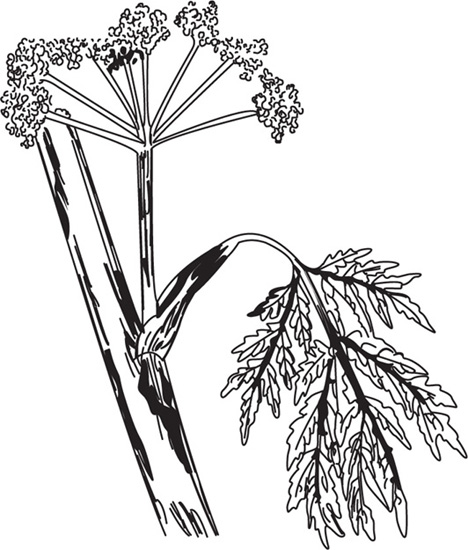
Fig. 18.1 Ferula asafoetida
Characteristics
Asafoetida occurs as a soft solid mass or irregular lumps or ‘tears’, sometimes almost semiliquid. Tears are rounded or flattened and about 5–30mm in diameter, grayish-white or dull yellow or reddish brown in colour.
Asafoetida mass is mixed with fruits, fragments of root, sand and other impurities. Asafoetida has a strong garlic-like (alliaceous) odour and a bitter, acrid and alliaceous taste. When triturated with water, it makes a milky emulsion. It should not have more than 50% of matter insoluble in alcohol (90%) and not more than 15% of ash.
Chemical Constituents
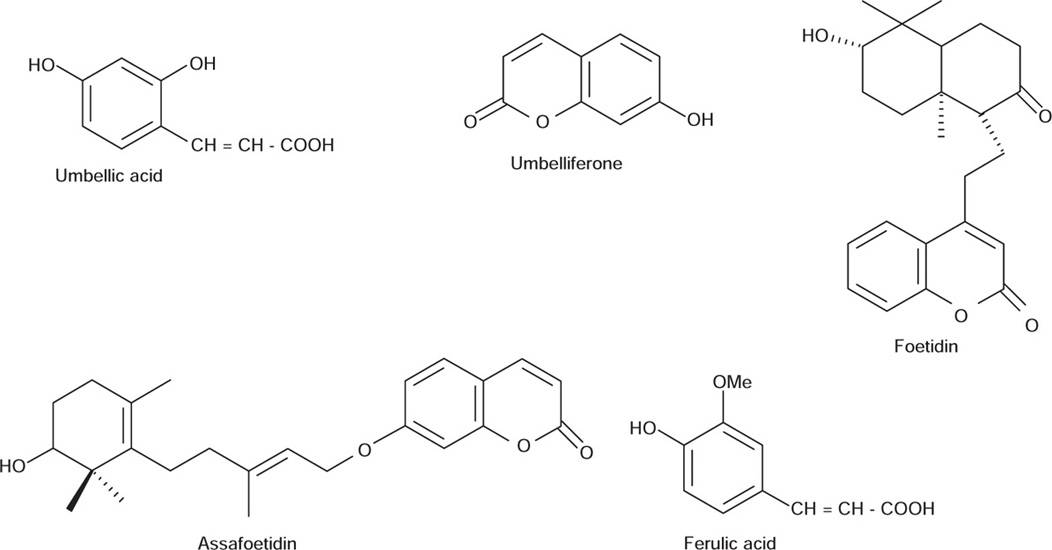
Asafoetida contains volatile oil (4–20%), resin (40–65%), and gum (25%). The garlic-like odour of the oil is due to the presence of sulphur compounds. The main constituent of the oil is isobutyl propanyl disulphide (C6H16S2). The three sulphur compounds, such as, 1-methylpropyl-1-propenyl disulphide, l-(methylthio)-propyl-1-pro-penyl disulphide, and l-methyl-propyl 3-(methylthio)-2-propenyl disulphide have also been isolated from the resin; the latter two have pesticidal properties. The flavour is largely due to R-2-butyl-l-propenyl disulphide and 2-butyl-3-methylthioallyl disulphide (both as mixtures of diastereoisomers).
The drug also contains a complex mixture of sesquiterpene umbelliferyl ethers mostly with a monocyclic or bicyclic terpenoid moiety. Resin consists of ester of asaresinotannol and ferulic acid, pinene, vanillin and free ferulic acid. On treatment of ferulic acid with hydrochloric acid, it is converted into umbelliferone (a coumarin) which gives blue fluorescence with ammonia.
Asafoetida also contains phellandrene, sec-butylpropenyl disulphide, geranyl acetate, bornyl acetate, α-terpineol, myristic acid, camphene, myrcene, limonene, fenchone, eugenol, linalool, geraniol, isoborneol, borneol, guaiacol, cadinol, farnesol, assafoetidin, foetidin, etc.
Chemical Tests
1. On trituration with water it produces a milky emulsion.
2. The drug (0.5g) is boiled with hydrochloric acid (5ml) for sometime. It is filtered and ammonia is added to the filtrate. A blue fluorescence is obtained.
3. To the fractured surface add 50% nitric acid. Green colour is produced.
4. To the fractured surface of the drug, add sulphuric acid (1 drop). A red colour is obtained which changes to violet on washing with water.
Uses
Asafoetida is used as carminative, expectorant, antispasmodic, and laxative as well as externally to prevent bandage chewing by dogs; for flavouring curries, sauces, and pickles; as an enema for intestinal flatulence, in hysterical and epileptic affections, in cholera, asthma, whooping cough, and chronic bronchitis.
Allied Drugs
Galbanum and ammoniacum are oleo-gum-resins obtained, respectively, from Ferula galbaniflua and Dorema ammoniacum. Galbanum contains umbelliferone and umbelliferone ethers, up to 30% of volatile oil containing numerous mono-and sesquiterpenes, azulenes, and sulphur-containing esters. Ammoniacum contains free salicylic acid but no umbeiliferone. The major phenolic constituent is ammoresinol. An epimeric mixture of prenylated chromandiones termed ammodoremin is also present. The volatile oil (0.5%) contains various terpenoids with ferulene as the major component.
Balsam of Peru
Synonyms
Peruvian Balsam; Indian Balsam; China oil; Black Balsam; Honduras Balsam; Surnam Balsam; Peru Balsam; Balsamum peruvianum.
Biological Source
Peru balsam is obtained by incision of the stem of Myroxylon balsamum var. pereirae (Royle) Klotsch at high temperature, belonging to family Papilionaceae.
Geographical Source
The plant is most widely found in Colombia, Venezuela, Central America (San Salvador), in forests near Pacific coast and cultivated in West Indies, Cuba, Florida, and Sri Lanka.
Collection
M. pereirae is a large tree, about 25 meters in height. Peru balsam is a pathological resin and is formed when the plant is injured. The 10-years old tree is beaten on four sides in November or December. The cracked bark is scorched with torch to separate it from the trunk. Within a week the bark is dropped from trunk and the balsam begins to flow from the exposed wood. The injured part is covered with cloths or rags in which the resin is absorbed. When the cloths are saturated with exudates, they are removed from time to time and boiled with water. On cooling the water extracted balsam is settled out which is removed, strained, packed in tin cans, and exported to get balsamo de trapo.
The balsam produced in the bark is obtained by boiling the bark in water and is known as tacuasonte (prepared without fire) or balsamo de cascara (balsam of the bark). By the removal of narrow strips of bark and the replacement of scorching with the use of a hot iron the tree recovers in six months. The drug is chiefly exported from Acajutla (San Salvador) and Belize (British Honduras) in tin container holding about 27kg.
Characteristics
Fresh Peru Balsam is a soft, yellow, viscous syrupy liquid, or semisolid. On keeping it becomes dark brown, or nearly black, brittle solid. It softens on heating in which crystals of cinnamic acid may be visible under microscope, it does not stick, has an empyreumatic, aromatic, vanilla-like odour, and a bitter, acrid, persistent taste. It is insoluble in water and olive oil but soluble in alcohol, chloroform, and glacial acetic acid, usually with a slight opalescense.
The solution in alcohol (90%) becomes turbid on the addition of further solvent. The relative density, 1.14–1.17, is a good indication of purity, and if abnormal indicates adulteration with fixed oils, alcohol and kerosene.
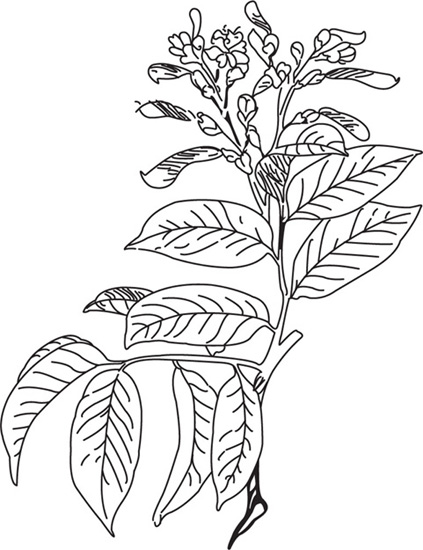
Fig. 18.2 Myroxylon balsamum var. pereirae
Chemical Constituents
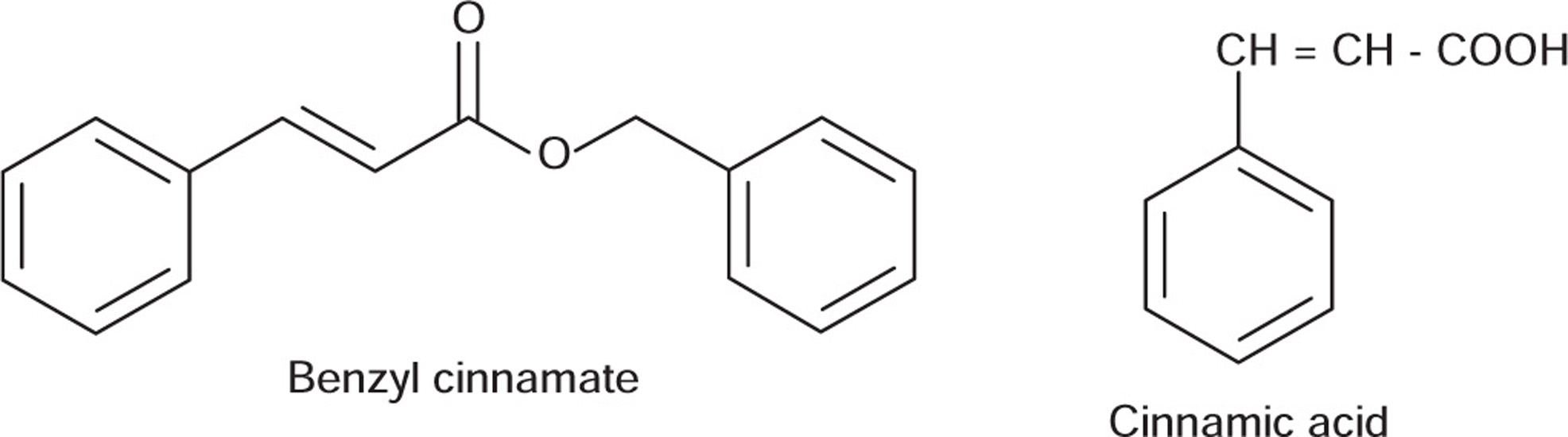
The drug contains balsamic esters (45–70%) like benzyl cinnamate (cinnamein), (50–60%), benzyl benzoate, and cinnamyl cinnamate (styracin), resin (28%) consisting of peruresinotannol combined with cinnamic and benzoic acids, alcohols [nerolidol (peruviol), farnesol, and benzyl alcohol], and small amounts of vanillin and free cinnamic acid.
Uses
Peru Balsam is used as miticide, to aid in healing of indolent wounds, as scabicide and parasiticide, in skin catarrh, diarrhoea, ulcer therapy, as local protectant, and rubefacient. It is an antiseptic and vulnerary and as a stimulating expectorant. It is also employed in perfumery and some chocolate flavourings, also in making of odours.
Peruvian Balsam is topically used as an antiseptic to treat burns, frostbites, cracks, erythema, pruritus, ulcers, and wounds. Its suppositories are used to cure pain, pruritus, piles, and other anal disorders. It is an ingredient in cosmetic and hygiene products (soups, creams, lotions, detergents) and in fixative. It can cause contact dermatitis in some people.
Balsam of Tolu
Biological Source
Tolu Balsam is obtained by incision of stem of Myroxylon balsamum (L.) Harms., belonging to family Papilionaceae.
Geographical Source
The plant grows in Colombia (near lower Magdalena and Canca rivers), West Indies, Cuba, Venezuela, and Peru. The trees are cultivated in the West Indies.
Collection
Tolu Balsam is a pathological resin and is formed in trunk tissues as a result of injuries. It is collected all the year except the period of heavy rains by making V-shaped incisions in the bark and sap wood. Calabash cups are placed to receive the flow of balsam. Many other incisions are made on higher portion on the trees. Collected balsam is transferred into larger tin containers and exported.
Characteristics
Tolu Balsam occurs as soft, yellowish-brown or brown, semisolid, or plastic solid, transparent in thin layers, brittle when old, dried or kept in cold, odour aromatic, and taste is aromatic, vanilla-like, and slightly pungent. It is insoluble in water and petroleum ether; soluble in alcohol, benzene, chloroform, ether, glacial acetic acid, and partially soluble in carbon disulphide and NaOH solution. On keeping it turns to a brown, brittle solid. It softens on warming. Under microscopical examination shows crystals of cinnamic acid, amorphous resin and vegetable debris.
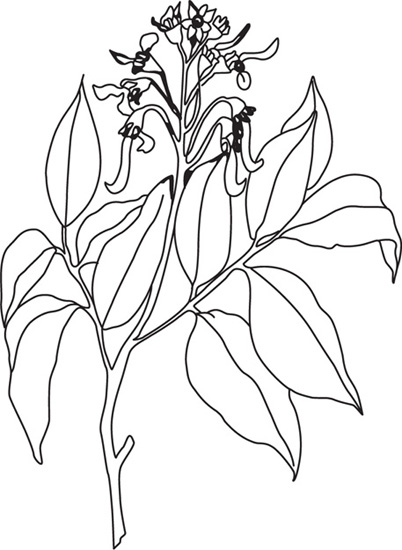
Fig. 18.3 Myroxylon balsamum (L.) Harms
Chemical Tests
1. Alcoholic solution of Balsam Tolu (1g) gives green colour with ferric chloride due to toluresinotannols.
2. Alcoholic solution of Balsam Tolu is acidic to litmus paper.
3. To filtered solution of Balsam Tolu (1g) in water (5ml) aqueous potassium permanga nate solution is added and heated for 5–10 min. Odour of benzaldehyde is produced due to oxidation of cinnamic acid.
Chemical Constituents
Tolu Balsam contains resin (80%) which is a mixture of resin alcohols combined with cinnamic and benzoic acids.The aromatic acids are also present in free state in proportions 8–15%. The other constituents reported in the drug are benzyl benzoate, benzyl cinnamate, vanillin, styrene, eugenol, ferulic acid, 1,2-diphenylethane (bibenzyl), monoand sesquiterpene hydrocarbons, alcohols, and triterpenoids. Tolu Balsam contains 35 to 50% of total balsamic acids calculated on the dry alcohol-soluble matter.
Cannabis
Biological Source
Cannabis consists of dried flowering tops of the pistillate plants of Cannabis sativa Linn., belonging to family Cannabinaceae.
Geographical Source
Cannabis occurs in India, Bangladesh, Pakistan, Iran, Central America, United States, East Africa, South Africa, and Asia Minor.
Cultivation and Collection
Cannabis is an annual dioecious herb, which is cultivated by seed sowing method. The seeds are sown on seedbeds in the month of August and after a month the seedlings are transplanted into the open field. The male plants, which have attained the maturity, are taken and shaken over the female plants so as to facilitate pollination. The flowering tops of female plants are collected in February or March. They are made into bundles and treated under the foot to form flat masses. The flat masses are dried under the shade to obtain ‘ganja’. In India the tops are treated to form rounded masses called as ‘ganja’.
Cannabis Products
The following products are prepared from Cannabis.
Ganja: It contains up to 10% of its fruits, large foliage leaves and stems over 3cm. It is known as Flat or Bombay ganja when 30cm long pieces of the herb are made into bundles and pressed. Round or Bengal ganja is prepared by rolling the wilted tops between the hands. Ganja is legally produced only by a few licensed growers in Bengal and southern India. The seeds are sown in rows about 1.3 m apart and male plants are discarded. The resinous tops of the unfertilized plants are cut about 5 months after sowing and pressed into cakes. The yield is nearly 120kg per acre.
Bhang or Hashish: It consists of the larger leaves and twigs of both male and female plants. It is smoked with or without tobacco. It is unfit for medicinal use owing to deficiency of resin. It is also taken in the form of an electuary made by digestion with melted butter.
Charas: It is the crude resin obtained by rubbing the tops between the hands and beating them on a piece of cloth. This is an inferior product. It may be collected by beating the flowering tops in coarse cotton cloths spread on the ground. A greenish-brown soft mass adheres, and may be purified by pressing it through the cloths. The resin is scraped off. It is mixed with many smoking mixtures.
Morphology
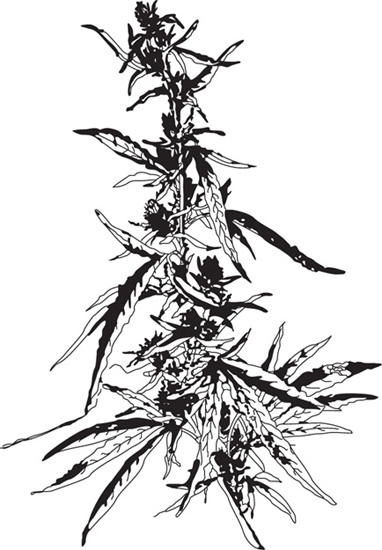
Cannabis occurs in flattened, rough, dull dusky green masses. The dried resin is hard, brittle, and does not stick. The flat-ganja is flattened mass of a dull green colour. The odour is very marked in the fresh drug and becomes faint afterwards; taste is slightly bitter.
The flat-or Bombay ganja occurs in agglutinated flattened masses of a dull green or greenish-brown colour. The resin is not sticky but hard and brittle; the odour, which is very marked in the fresh drug, is faint. The drug has a slightly bitter taste. The lower digitate leaves of the plant are not found in the drug. The thin, longitudinally furrowed stems bear simple or lobed; stipulate bracts which subtend the bracteoles, enclosing the pistil late flowers. The bracts are stipulate and the lamina may be simple or three-lobed. The bracteole enclosing each flower is simple.
Microscopy
The resin is secreted by numerous glandular hairs. The head is usually eight-celled and the pedicel multiseriate or unicellular. Corrigan and Lynch, a reagent consisting of vanillin in ethanolic sulphuric acid, stains the cannabis glands a deep reddish-purple. Abundant conical, curved, unicellular hairs are also found, many having cystoliths of calcium carbonate in their enlarged bases. These cystolith hairs are not confined solely to the genus Cannabis. Cluster crystals of calcium oxalate are abundant, particularly in the bracteoles.
Chemical Constituents
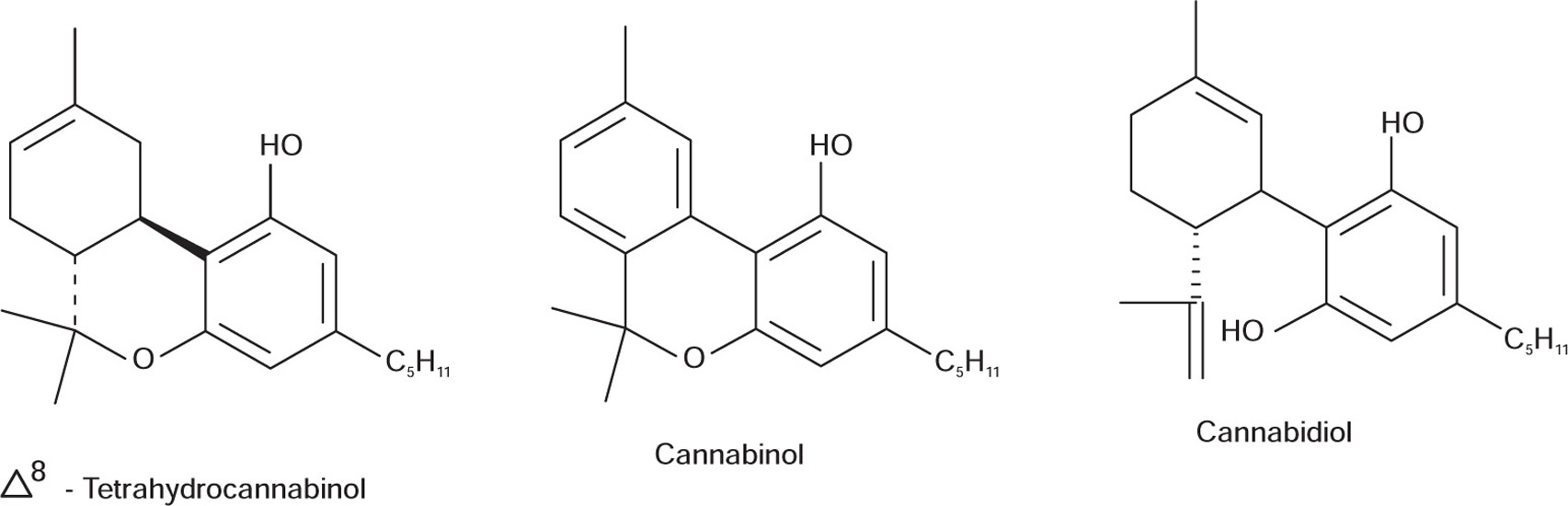
Cannabis consist of 15 to 20% resin, the resins are amorphous, semisolid, brown coloured, soluble in ether, alcohol, and carbon disulphide. The most important active constituents present in cannabis are: cannabidiol, cannabidolic acid, cannabinol, cannabichromene, and trans-tetrahydrocannbinol. Cannabis also contains Cannabidiolic acid, cannabidiol A 9, tetrahydrocannabinol, cannabinol A9, Tetrahydrocannabinol (THC), volatile oil, trigonelline, and cholene.
Capsicum
Synonyms
Chillies; cayenne pepper; red peppers; Spanish pepper; mirch (Hindi); capsicum fruits; Fructus Capsici.
Biological Source
Capsicum consists of the dried, ripe fruits of Capsicum minimum and Capsicum annum Linn., belonging to family Solanaceae.
Geographical Source
Capsicum is native of America and cultivated in tropical regions of India, Japan, southern Europe, Mexico, Africa (Kenya, Tanzania, and Sierra Leone), and Sri Lanka.
Cultivation and Collection
Capsicum is cultivated mostly as a rainfed crop. In the Gangetic area, it is a cold weather crop. The crop is raised on a variety of soils, for example, ordinary red loams, black soils and clayey loams. Good drainage is essential and water-logging is detrimental. Seedlings are first raised in a nursery. Seeds obtained from selected pods and mixed with ashes are sown by broadcasting. Germination occurs in about a week. The field is ploughed and manured with compost. The field is irrigated once a day until the plants are established. Flowering starts when the plants are 2.5–3.5 months old. Dew and heavy rain at flowering time are injurious. Ripe and nearly ripe fruits are picked at intervals of 5, 10, and 20 days.
The fruits are picked as they become fully ripe. The quality of the drug is in part determined by its colour. The unripe fruits fade to pale buff upon drying. The fruits are dried in sun, graded by colour; occasionally oil is rubbed on the fruits to give glossiness to the pericarps. Most of the calices and pedicels are removed.
Characteristics
Capsicum is 5–12cm long, 2–4cm wide, globular, ovoid, or oblong in shape, pericarp is shrievelled, orange or red in colour, pedicel is prominent and bent. The calyx is toothed. The amount of calices and pedicels should not exceed beyond 3%. Internally the fruits are divided into two halve parts by a membranous dissepiment to which the seeds are attached. The seeds are reniform, flattened, 3–4mm long, with a coiled embryo and oily endosperm. Capsicum has characteristic odour and an intense pungent taste.
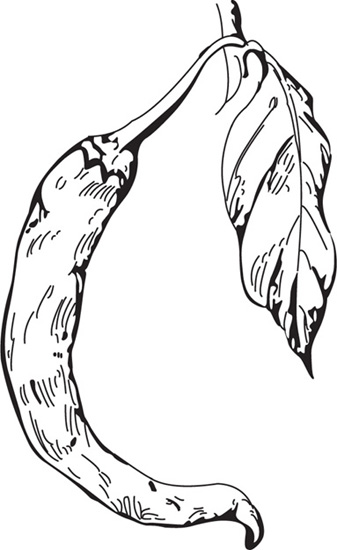
Fig. 18.5 Capsicum fruit
Chemical Constituents
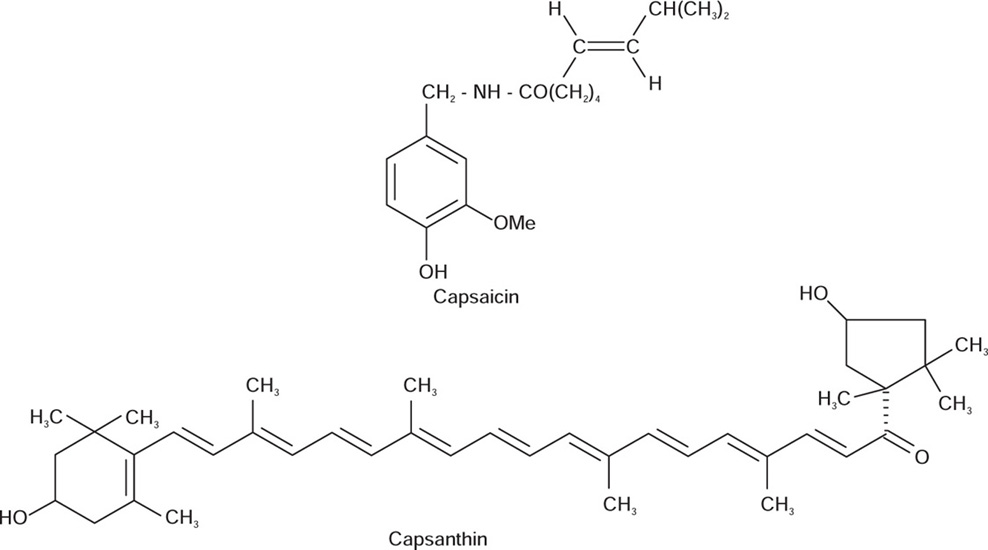
Capsicum contains fixed oils (4–16%), oleoresin, carotenoids, capsacutin, capsico (a volatile alkaloid), thiamine, volatile oil (1.5%), and ascorbic acid (0.2%). The resin contains an extremely pungent principle, capsaicin, (decylenic vanillyl amide) (about 0.5%). Capsaicin retains its characteristic pungency in a dilution of 1 part in 10 million parts with water. Capsanthin is the main carotenoid of red fruits. It also occurs as monoester and diester along with cryptocapsin. Other carotenoids include zeaxanthin. capsorubrin, rubixanthin, phylofluene, capsanthin-5,6-epoxide, capsanthin-3.6-epoxide, lutein, cryptoxanthin, α- and β-carotenes, capsorubin, and few xanthophylls. The carbohydrates reported in chilies are fructose, galactose, sucrose, etc. Tocopherol (vitamin E) is present in trace amounts (∼2.4mg/100g).
Uses
Capsicum has been used externally as stimulant, counter irritant, rubefacient, in sore throat, scarlatina, hoarseness, and yellow fever; internally it is used as carminative, stomachic, dyspepsia, and flatulence. In the form of ointment, plaster and medicated wool it is used for the relief of rheumatism and lumbago. Capsaicin is used for the treatment of migraine and cluster headache, and for some patients with neurogenic ladder dysfunction.
Allied Drugs
Japanese Chillies (C. frutescens) are about 3–4cm long. They are usually free from pedicels and calices and have a bright red pericarp. They possess about one-quarter of the pungency of the African Chillies.
Bombay Capsicums (C. annuum). The pericarp is thicker and tougher than in the chillies, and the pedicel is frequently bent. They are much less pungent than African chillies.
Natal Capsicums are larger than the Bombay variety, being up to 8cm long. They have a very bright red, transparent pericarp. They are much less pungent than chillies.
Colocynth
Biological Source
Colocynth is the dried pithy pulp of the ripe fruits of Citrullus colocynthis Schrader, belonging to family Cucurbitaceae.
Geographical Source
Cultivated in Asia, Africa, South Europe; mainly in Syria, Cyprus, and Egypt. In India, it is cultivated in Gujarat, Punjab, Tamil Nadu, etc.
Collection
The plant is perennial prostrate herb. It is rarely cultivated. The fruits are fleshy in nature and are collected in autumn, when they are ripe. The ripe fruits are yellow in colour. The fruits are peeled using a knife and dried under the sun or artificially.
Description
The fleshy fruits are 5 to 8cm in diameter, subspherical berry, almost white, and the density is very less. On the outer surface it has rind and impressions of the knife. Three splits of placenta, which run from centre to periphery is seen if the fruit is cut transversely. It has two groups of seeds near the periphery and the remaining portion filled with pithy parenchyma. It has characteristic odour and intense bitter taste.
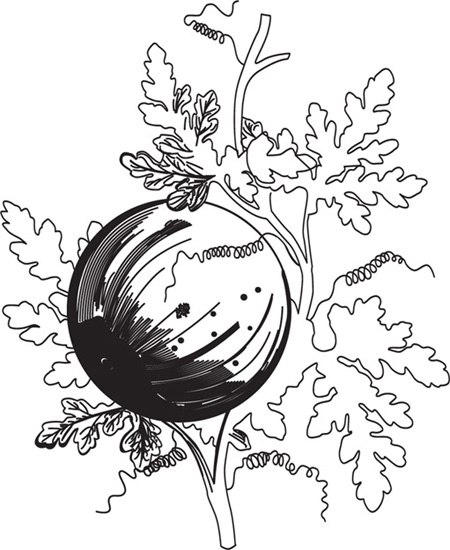
Fig. 18.6 Citrullus colocynthis
Microscopy
The epicarp has the epidermis made of the polygonal cells, which are covered by a thick cuticle. The cuticle consists of few large stomata. Below the epidermis it has thinwalled parenchymatous cells and thick layer of lignified sclerenchymatous tissues. Sclereides are of three layers and the outermost layer is more lignified than the inner layer of sclereides. The pulp consists of large parenchyma cells with intercellular space and few narrow vascular strands which are scattered. The seeds consist of palisade epidermis of polygonal prismatic cells. The testa consists of thick sclerenchyma which is eight-to ten-celled thick, whereas a collapsed parenchyma is four-to five-celled thick. The embryo consists of thin cellulosic parenchyma containing aleurone grains and fixed oil.
Chemical Constituents
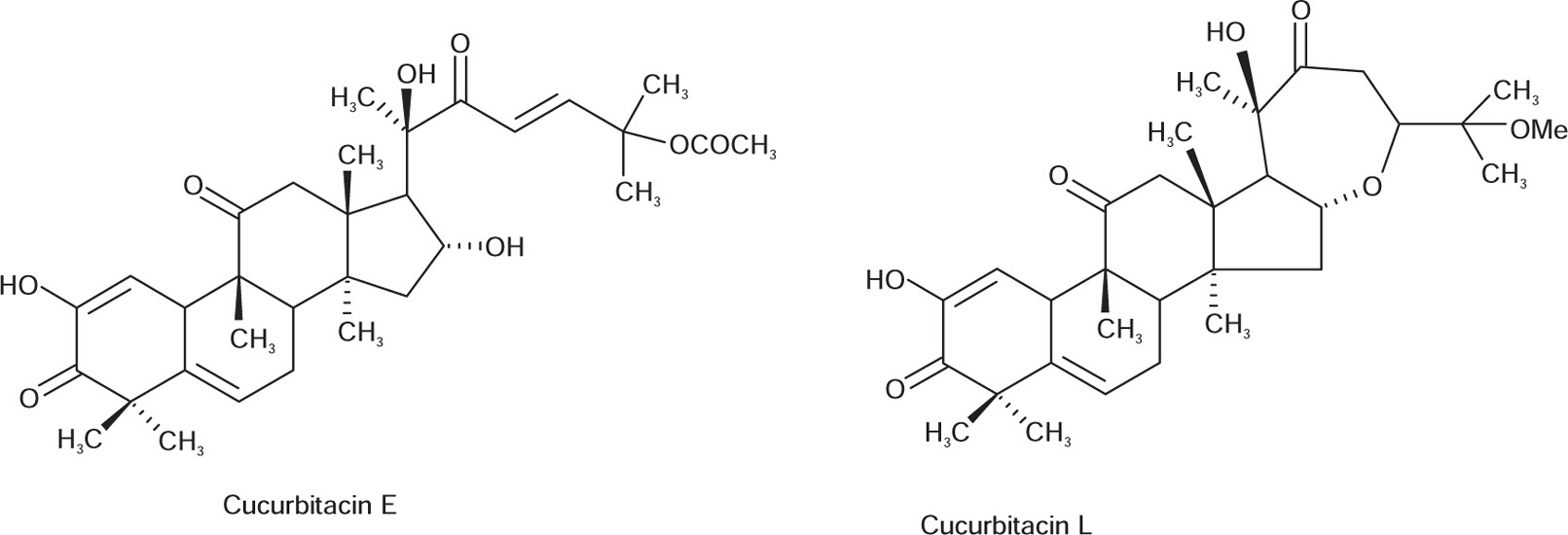
Alkaloid is the main constituent present in the pulp of colocynth. Colocynth also contains amorphous resins that are ether and chloroform soluble. The other constituents are a crystalline dihydroxy alcohol (citrullol), glycosides of α-elaterin or cucurbitacin E, elatericin B or cucurbitacin, dihydroelatericin B, or cucurbitacin L, fixed oil, and starch.
Colophony
Biological Source
Colophony is a solid residue left after distilling off the volatile oil from the oleoresin obtained from Pinus palustris (long leaf pine) and other species of Pinus such as P. pinaster, P. halepensis, P. massoniana, P. tabuliformis, P. carribacea var., belonging to family Pinaceae.
Geographical Source
The genus Pinus is widely found in United States, France, Italy, Portugal, Spain, Greece, New Zealand, China, India (Himalayan region), and Pakistan. Colophony is chiefly produced in the United States contributing about 80% of world supply. Other countries producing the resin are China, France, Spain, India, Greece, Morocco, Honduras, Poland, and Russia.
Collection
The collection of the oleoresin is very laborous procedure. Although Colophony is a normal (Physiological) resin of Pinus species, its amount is increased by injuring the plant. For its collection a few-feet long groove or blaze is made in the bark with the help of knife or some other instrument. A metal or earthenware cup is attached below the groove by nails. The cup is adjusted accordingly when the size of groove increases. The resin is taken out at different intervals and sent for further processing.
Cup and Gutter Method
This method is used in America, European countries, India, and Pakistan. The 60–100cm long blaze or longitudinal groove is cut with a suitable instrument. It is enlarged at intervals and in about four years is about 4 m long. The metal or earthenware cups are attached to the trunk by nails and one or two strips of galvanized iron are placed above each to direct the flow of oleoresin. As the grooves are lengthened the cups are moved higher up the tree and new grooves are started when the old ones become exhausted or collection is difficult. The cups are emptied at intervals and the oleoresin sent to the distillery. Trees can be tapped by this method for about 40 years.
Preparation
The crude oleoresin arrives at the distillery in barrels. It is mixed with about 20% by weight of turpentine in a heated stainless steel vessel and allowed to stand to separate water and other impurities. The diluted oleoresin is then transferred to copper or stainless steel stills and the turpentine is removed by steam distillation. When distillation is complete the molten resin is run through wire strainers into barrels, in which it cools and is exported.
The resin obtained from trees during their first year of tapping is of a lighter colour than that obtained later on. The following grades of American rosin are recognized: B, FF (for wood rosin only), D, E, F, G, H, I, K, L, M, N, WG (window-glass), WW (water-white), and the extrawhite X grades and American and Portuguese qualities (XA, XB. XC). A great deal of the American tall oil rosin is now paler than grade X. Grade B is almost black.
Characters
Colophony occurs as translucent, hard, shiny, sharp, pale yellow to amber fragments, fracture brittle at ordinary temperature, burns with smoky flame, slight turpentine-like odour and taste, melts readily on heating, density 1.07–1.09. Acid number is not less than 150. It is insoluble in water but freely soluble in alcohol, benzene, ether, glacial acetic acid, oils, carbon disulphide, and alkali solutions.
Chemical Constituents
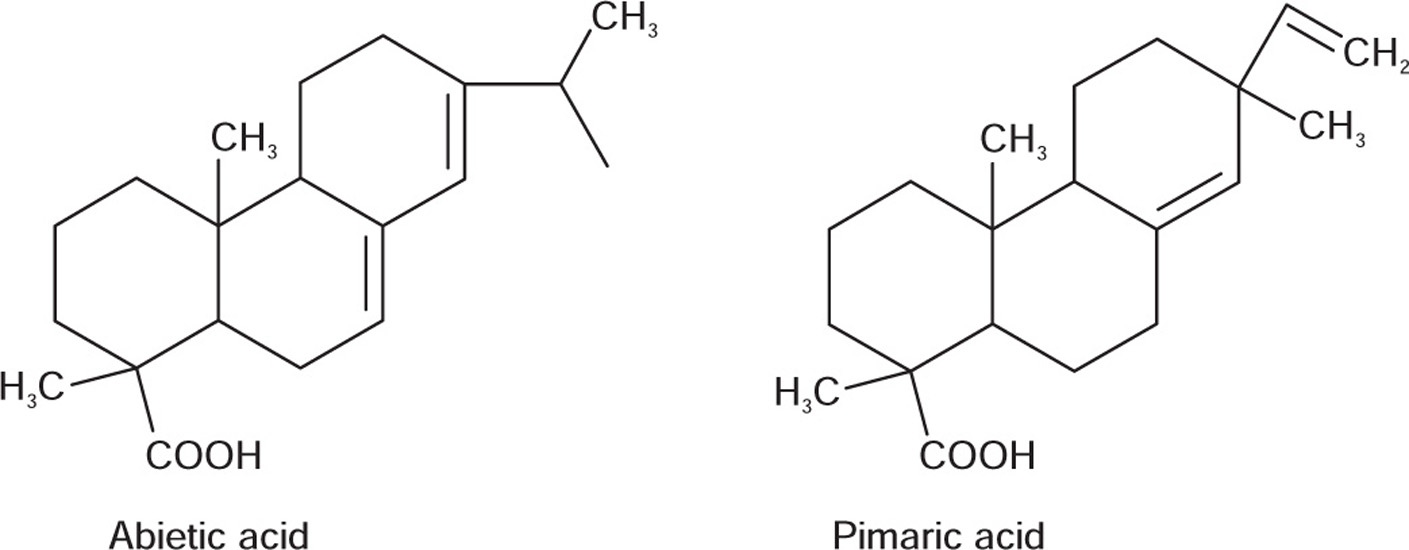
Colophony contains resin acids (about 90%), resenes, and fatty acid esters. Of the resin acids about 90% are isomeric α-, β-, and γ-abietic acids; the other 10% is a mixture of dihydroabietic acid and dehydroabietic acid. Before distillation, the resin contains excess amounts of (+) and (-) pimaric acids. During distillation the (-) pimaric acid is converted into abietic acid while (+) pimaric acid is stable. The other constituents of Colophony are sipinic acid and a hydrocarbon.
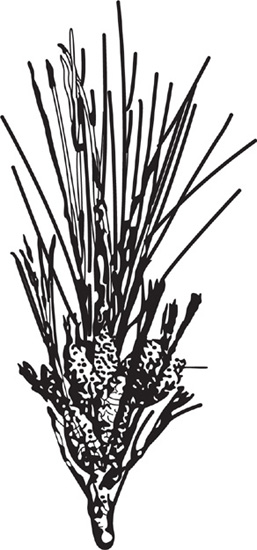
Fig. 18.7 Pinus palustris
Chemical Tests
1. To a solution of powdered resin (0.1g) in acetic acid (10ml) one drop of conc. Sulphuric acid is added in a dry test tube. A purple colour, readily changing to violet, is formed.
2. To a petroleum ether solution of powdered Colophony twice its volume of dilute solution of copper acetate is shaken. The colour of the petroleum ether layer changes to emerald-green due to formation of copper salt of abietic acid.
3. To alcoholic solution of Colophony sufficient water is added. It becomes milky white due to precipitation of chemical compounds.
4. Alcoholic solution of Colophony turns blue litmus to red due to the presence of diterpenic acids.
Uses
Colophony is used as stiffening agent in ointments, adhesives, plasters and cerates and as a diuretic in veterinary medicine. Commercially it is used to manufacture varnishes, printing inks, cements, soap, sealing wax, wood polishes, floor coverings, paper, plastics, fireworks, tree wax, rosin oil, and for water proofing cardboard.
The abietic acids show antimicrobial, antiulcer and cardiovascular activity; some have filmogenic, surfactant, and antifeedant properties.
Ginger
Biological Source
Ginger consists of the dried rhizomes of the Zingiber officinale Roscoe, belonging to family Zingiberaceae.
Geographical Source
It is mainly cultivated in West Indies, Nigeria, Jamaica, India, Japan, and Africa.
Cultivation
Ginger plant is a perennial herb that grows to 1 m. It is cultivated at an altitude of 600 to 1,500 m above sea level. The herb grows well in well-drained rich, loamy soil, and in abundant rain fall. The rhizome is cut into pieces called fingers, and each finger consisting of a bud is placed in a hole filled with rotten manure in March or April. The rhizomes get matured in December or January. By January the plants wither after flowering and then the flowers are forked up, buds and the roots removed and washed to remove the mould and clay or dirt attached to them. The rhizomes are socked in water overnight and the next morning they are scraped with a knife to remove the outer cork and little of parenchyma. They are washed again and then dried under sun for a week. The rhizomes are turned by the sides at regular intervals to facilitate proper drying. This is the ‘unbleached Jamaica’ or the uncoated ginger. The coated or the unpeeled variety is prepared by dropping the rhizome for few minutes in boiling water, and then skin is removed such that the layer on the flat surface is removed but not in the grooves between the branches. The ‘bleached’ or ‘limed’ is prepared by treating it with sulphuric acid or chlorine or dusting it with calcium sulphate or calcium carbonate.
Characteristics
The rhizomes are 5 to 15cm long, 3 to 6cm wide, and about 1.5cm thick. The Jamaica ginger occurs as branches. It has a sympodial branching and the outer surface has buff yellow colour with longitudinally striated fibres. Small circular depressions at the portion of the buds are seen and fractured surface shows narrow bark, a well-developed endodermis, and a wide stele, with scattered small yellowish points of secretion cells and grayish points of fibrovascular bundles. The ginger has agreeable and aromatic odour and pungent and agreeable taste.
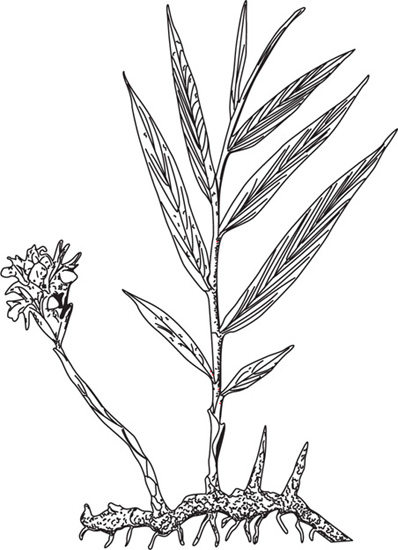
Fig. 18.8 Zingiber officinale
Microscopy
The cork is the outermost layer with irregular parenchymatous cells and dark brown colour. The inner cork is few layered, colourless parenchymatous cells arranged in radial rows. Cork is absent in Jamaica ginger. Phellogen is indistinct and the cortex consists of thin-walled rounded parenchyma with intercellular spaces consisting of abundant starch grains. The starch grains are simple, ovate, or sac shaped. Numerous yellowish brown oleoresin are also present along with the collateral fibro vascular bundles. The endodermis is distinct without starch and consists of single layer of tangentially elongated cells containing suberin. Just below the endodermis it has the ground tissue, a ring of narrow zone of vascular bundle which is not covered with sclerenchymatous fibres. The ground tissues contain the large parenchymatous cells rich in starch, oleoresin, fibrovascular bundles. The phloem has well-developed sieve elements, and the xylem consist of vessels, tracheids either annual or spiral, or reticular in nature without lignin. The fibres are unlignified, pitted, and separate.
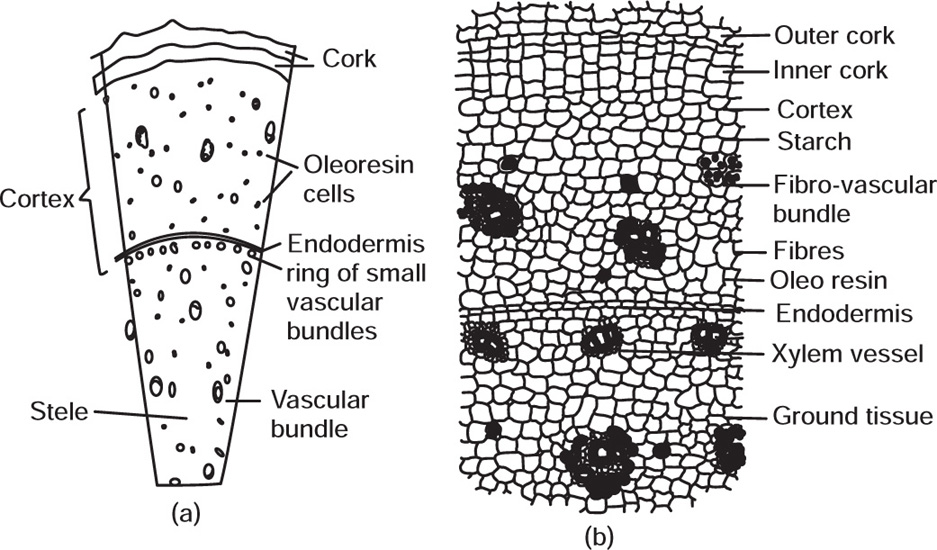
Fig. 18.9 (a) Schematic diagram (T.S.) and, (b) Transverse section of Ginger rhizome
Chemical Constituents
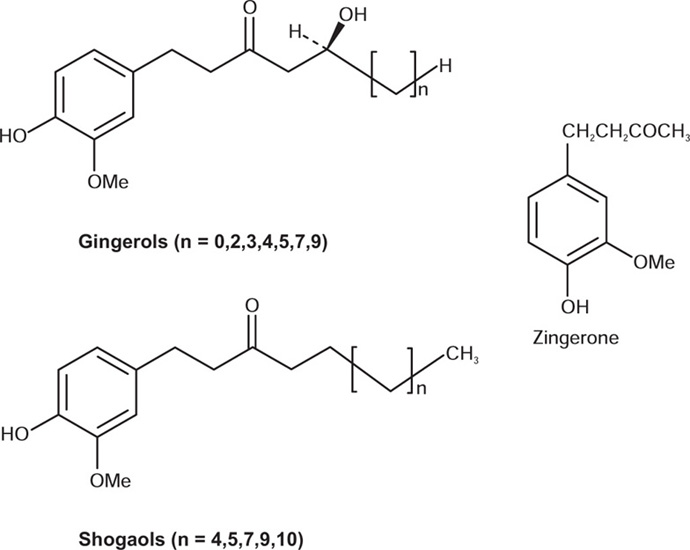
Ginger contains 1 to 2% volatile oil, 5 to 8% pungent resinous mass and starch. The volatile oil is responsible for the aromatic odour and the pungency of the drug is due to the yellowish oily body called gingerol which is odourless. Volatile oil is composed of sesquiterpene hydrocarbon like α-zingiberol; α-sesquiterpene alcohol α-bisabolene, α-farnesene, α-sesquiphellandrene. Less pungent components like gingerone and shogaol are also present. Shogal is formed by the dehydration of gingerol and is not present in fresh rhizome.
Uses
Ginger is used as an antiemetic, positive inotropic, spasmolytic, aromatic stimulant, carminative, condiment, and flavouring agent. It is prescribed in dyspepsia, flatulent colic, vomiting spasms, as an adjunct to many tonic and stimulating remedies, for painful affections of the stomach, cold, cough, and asthma. Sore throat, hoarseness, and loss of voice are benefited by chewing a piece of ginger.
Adulteration
Ginger may be adulterated by addition of ‘wormy’ drug or ‘spent ginger’ which has been exhausted in the extraction of resins and volatile oil. This adulteration may be detected by the official standards, for alcohol-soluble portion, watersoluble portion, total ash and water-soluble ash. Sometimes pungency of exhausted ginger is increased by the addition of capsicum.
Guggul
Biological Source
Guggal is a gumresin obtained by incision of the bark of Commiphora mukul (H. and S.) Engl., belonging to family Burseraceae.
Collection
Guggal tree is a small thorny tree 4 to 6 feet tall branches slightly ascending. It is sometimes planted in hedges. The tree remains without any foliage for most of the year. It has ash-coloured bark, and comes off in rough flakes, exposing the innerbark, which also peels off. The tree exudes a yellowish resin called gum guggul or guggulu that has a balsamic odor. Each plant yields about one kilogram of the product, which is collected in cold season.
Characteristics
Guggal occurs as viscid, brown tears; or in fragment pieces, mixed with stem, piece of bark; golden yellow to brown in colour. With water it forms a milk emulsion. It has a balsamic odour and taste is bitter, aromatic.
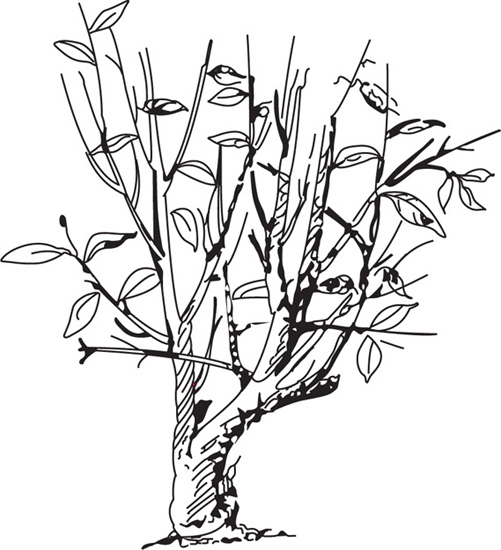
Fig. 18.10 Commiphora mukul
Chemical Constituents
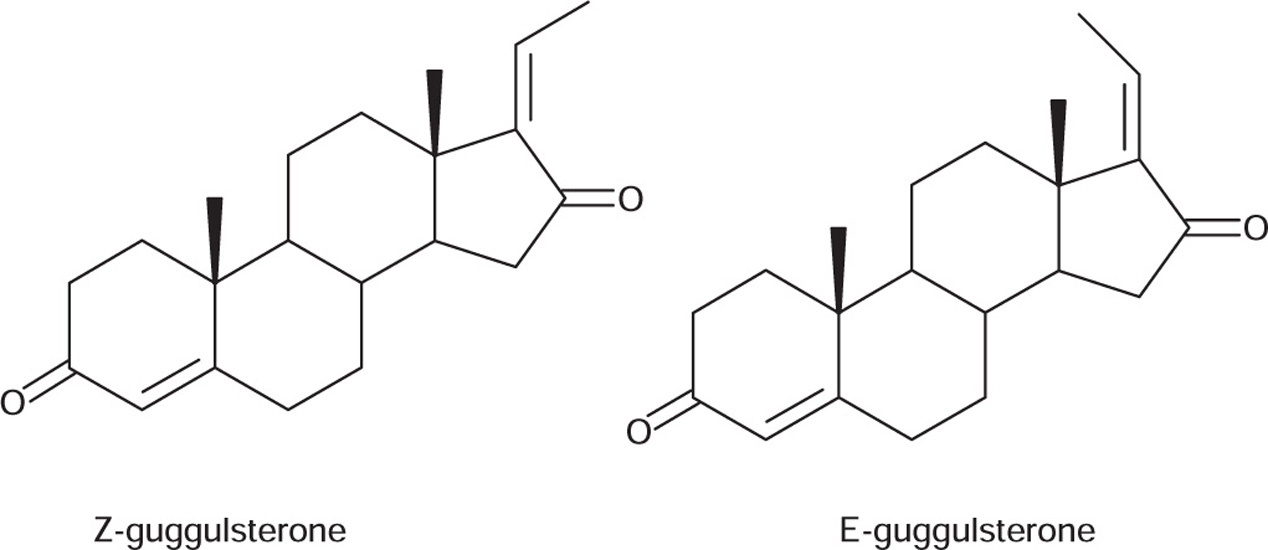
Guggal contains gum (32%), essential oil (1.45%), sterols (guggulsterols I to VI, β-sitosterol, cholesterol, Z-and E-guggulsterone), sugars (sucrose, fructose), amino acids, α-camphorene, cembrene, allylcembrol, flavonoids (quercetin and its glycosides), ellagic acid, myricyl alcohol, aliphatic tetrols, etc.
Uses
Guggal significantly lowers serum triglycerides and cholesterol as well as LDL and VLDL cholesterols (the bad cholesterols). At the same time, it raises levels of HDL cholesterol (the good cholesterol), inhibits platelet aggregation, and may increase thermogenesis through stimulation of the thyroid, potentially resulting in weight loss. Also gum is astringent, aritirheumatic, antiseptic, expectorant, aphrodisiac, demulcent, and emmenagogue. The resin is used in the form of a lotion for indolent ulcers and as a gargle in teeth disorders, tonsillitis, pharyngitis, and ulcerated throat.
Ipomoea
Synonyms
Radix ipomoeae, Orizaba jalap root, Mexican scammony root, Mexican scammony, Ipomoea radix.
Biological Source
Ipomoea consists of the dried tuberous roots of Ipomoea orizabensis Ledenois., belonging to family Convolvulacae.
Collection
Ipomoea is perennial climbing twinner. It produces a large, woody and tuberous root. The Roots are dug, washed, cut into slices and dried.
Characteristics
Ipomoea roots are large and fusiform, with 3 to 10cm thick and about 20cm long. They occur as irregular pieces, greyish brown in colour, with slight odour and slight acrid taste.
Microscopy
The cork is thin-walled cells, which is lignified. The parenchyma consists of numerous latex cells, starch grains, and calcium oxalate crystals. The starch occurs in group of two to six compounds, the calcium oxalate present is of prismatic type. In the middle it has the primary xylem surrounded by the secondary xylem. The vascular bundles are also present in numerous amounts,
Chemical Constituents
Ipomoea consist of 10 to 20% resin, volatile oil and some fatty acids. The resin has an ether soluble portion and ether insoluble portion. Both the portions contain jalapin; a mixture of acidic glycosides. Ether soluble portion has jalapinolic acid, whereas in ether insoluble part it has hydroxy fatty acids, that is, ipurolic acid and convolvullinic aci
Jalap
Biological Source
Jalap consists of dried tuberous roots or tubercles of Ipomoea purga Hayne, belonging to family Convolvulaceae.
Collection
The plant is large and twinning perennial herb, and it produces thin horizontal slender runners. Adventitious roots (fusiform or napiform roots) are produced from the nodes of the runners. Some of the roots remain thin but few of them swell due to the storage of starch. These roots are collected after the rainy season, that is, in May. As a result of unfavourable environmental conditions they are dried by woodfire in nets. Since the drug is artificially dried it gains a smoky odour. Some slits are also made on the drug to facilitate the escape of the moisture.
Characteristics
Jalap is cylindrical, fusiform or napiform, irregularly oblong about 5 to 10cm long and 2 to 10cm wide. It is hard, resinous, compact, and heavy. The outer surface is dark brown in colour with furrows and wrinkles and internally it is yellowish grey in colour. Odour is smoky and taste is sweet and starchy in the beginning and later it is acrid.
Microscopy
Cork is the outermost layer consisting of tabular polygonal cells which are brown in colour. Just below the cork it has the secondary phloem. The secondary phloem is formed by the circular cambium and is about 2mm wide. Inside the cambium it has the secondary xylem. The secondary xylem has vessels, which are either in small groups or scattered. Latex cells are present in the phloem tissues arranged longitudinally and form a dark and resinous point scattered in the drug. The parenchymatous cells contain starch which are simple, rounded, or in groups of two to four. Small prism types of calcium oxalate crystals are present in the parenchyma and very few sclerenchymatous cells are seen in the phelloderm region.
Chemical Constituents
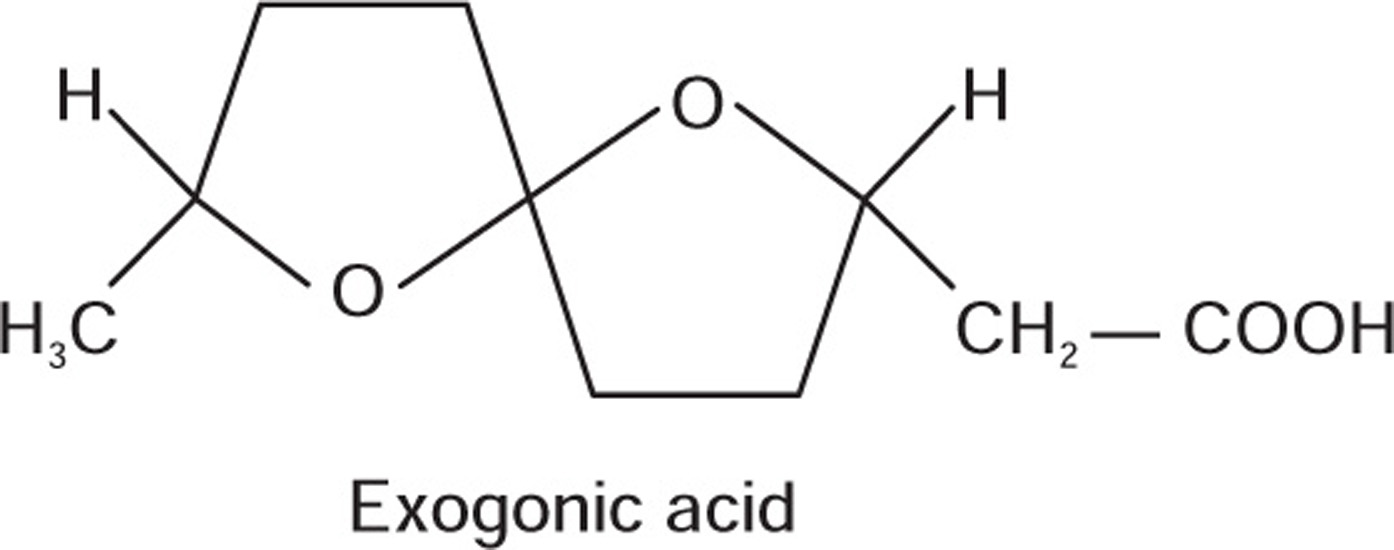
Jalap contains 8 to 12% of glycosidal resin and the other constituents are mannitol, sugar, β-methyl-aesculetin, phytosterin, ipurganol, starch and calcium oxalate. Jalap resin is the resinous constituent that has a soluble portion and an insoluble portion when dissolved in ether. The soluble portion constitutes to 10%, whereas the remaining is the insoluble portion. Ether insoluble portion is called convolvulin and the ether soluble portion is called julapin. Convolvulin is a substance with some 18 hydroxyl groups esterified with valeric, tiglic, and exogonic acids. Exogonic acid is 3,6-6,9-dioxidodecanoic acid.
Kaladana
Biological Source
Kaladana consists of the dried ripe seeds of Ipomoea hederacea L., belonging to Family Convolvulaceae.
Geographical Source
It grows throughout India both cultivated and apparently wild, up to 2,000 metres in the Himalayas.
Characteristics
The seeds are 5–6mm long, 3.7mm wide, triangular, brownish black in colour. Each seed has two flat faces joining at an angle of 60° to 80°. At the base of joint there is a cordate hilum. Testa is dull black, hard, smooth, and glabrous. Taste is first sweetish then acrid.
Chemical Constituents
Drug contains resin (about 15%), mucilage, fixed oil, and saponin. Hydrolysis of the resin affords hydroxypalmitic acid and sugar. Lysergol, hederaceterpenol, hederaceteriol, hederaterpenoside, β-sitosterol glucopyranoside, and chanoclavine are also present in Kaladana.
The seed oil is composed of glycerides of palmitic, stearic (20.3%), arachidic, oleic (43.9%), linoleic (14.5%), and linolenic acids.
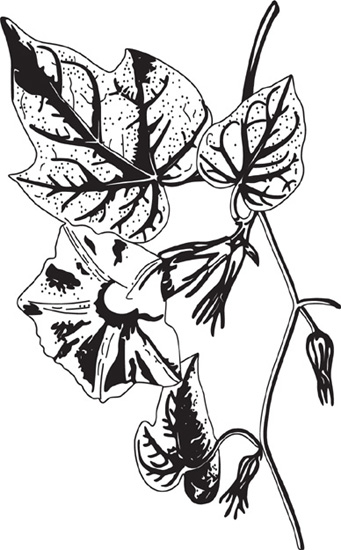
Fig. 18.11 Ipomoea hederacea
Male fern
Biological Source
Male fern consists of the dried rhizomes and its surrounding frond bases of Dryopteris filix-mas (Linn.) Schoot, belonging to family Polypodiaceae.
Geographical Source
D. filix-mas is a fern that grows abundantly in Europe especially in England and Germany. In India it grows in Kashmir, Himachal Pradesh, and Sikkim at the altitude of 5,000–10,000 feet in the Himalayas.
Collection and Preparation
The male fern plant is identified on the basis of its oblique rhizomes surrounded by numerous frond bases. The fronds bear numerous long pinnae containing several pairs of pinnules. The plant is dug up in the late autumn. It is washed thoroughly with water. The roots, fronds and the other dead parts are removed, and the trimmed rhizomes are dried. Longer rhizomes are longitudinally cut into two halves for faster and efficient drying.
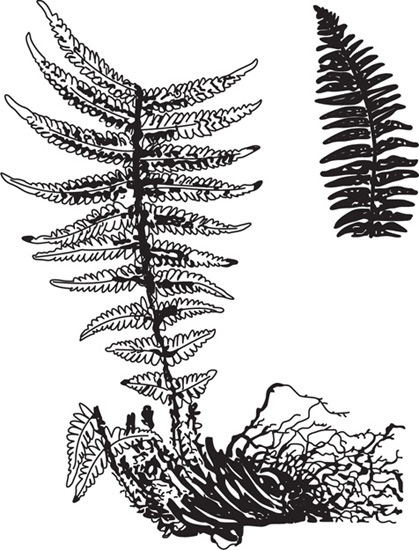
Fig. 18.12 Dryopteris filix-mas
Characteristics
The dried male fern rhizomes are ovoid or cylindrical pieces, about 7–25cm long and 3–4cm thick. The outer surface is mostly covered by fronds which are directed towards the apex. Each frond base is about 45cm long and is thickly covered with numerous brownish seals called as ramenta. The rhizomes break with a short fracture showing green surface. The rhizomes are brownish black in colour with little odour but sweet, bitter and extremely nauseating taste. The drug should be stored in dry places protected from light.
Microscopy
The transverse section of male fern rhizome with frond bases shows the presence of ground tissue consisting polygonal parenchyma along with abundant starch grains. The hypodermis consists of two to three rows of brownish nonlignified sclerenchymatous fibres. Meristemes possesses large tracheids. The ramenta are made up of twin-cell marginal projections.
Chemical Constituents
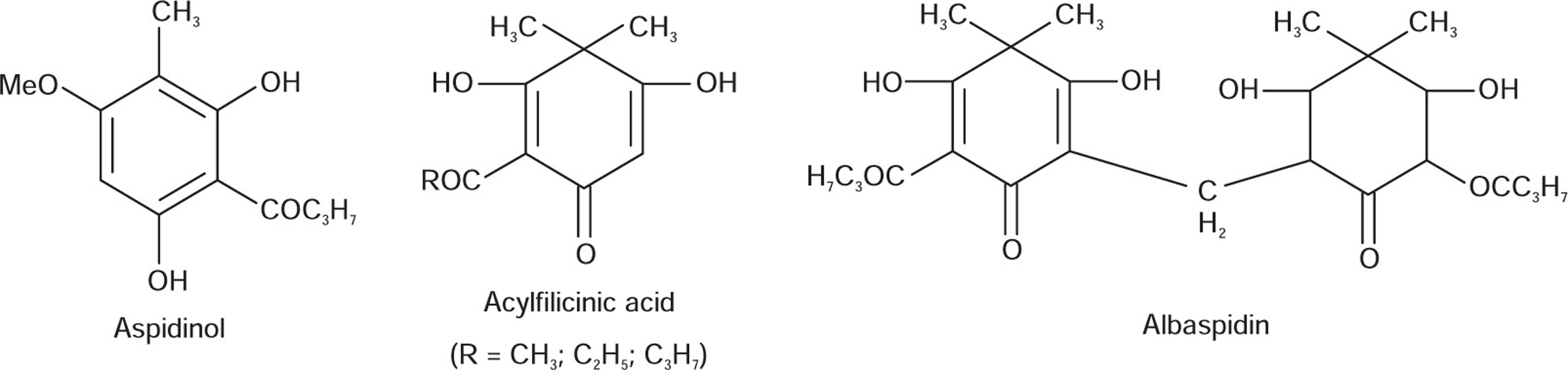
Male fern rhizomes contain about 5% of yellow resinous substances responsible for its anthelmintic activity. The major constituents of oleoresin are phloroglucinol derivatives of mono-to tetracyclic compounds. The monocyclic derivatives are butyryl phloroglucinol, aspidinol and acylfilicinic acids. These compounds may condense with each other to produce bicyclic compounds such as albaspidin and flavaspidic acid or tricyclic compounds like filicic acid.
Myrrh
Biological Source
Myrrh is an oleo gum-resin obtained from the stem of Commiphora molmol Eng. or C. abyssinica or other species of Commiphora, belonging to family Burscraceae.
Collection
Myrrh plants are small trees up to 10 meters in height. They have the phloem parenchyma and closely associated ducts containing a yellowish granular liquid. The tissues between these ducts often collapse, thereby producing large cavities similarly filled, that is, schizogenous ducts become lysigenous cavities. The gum-resin exudes spontaneously or by incising the bark. The yellowish-white, viscous fluid is solidified readily to produce reddish-brown masses which are collected by the natives.
Characteristics
Myrrh occurs as irregular masses or tears weighing up to 250g. The outer surface is powdery and reddish-brown in colour. The drug breaks and is powdered readily. Fractured surface is rich brown and oily. Odour is aromatic and taste is aromatic, bitter, and acrid.
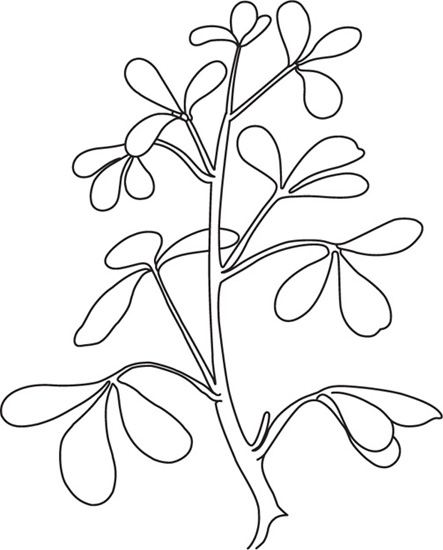
Fig. 18.13 Commiphora molmol
Chemical Constituents
Myrrh contains resin (25–40%), gum (57–61%), and volatile oil (7–17%). Large portion of the resin is ether-soluble containing α-, β-, and γ-commiphoric acids, resenes, the esters of another resin acid and two phenolic compounds. The volatile oil is a mixture of cuminic aldehyde, eugenol, cresol, pinene, limonene, dipentene, and two sesquiterpenes. The disagreeable odour of the oil is due to mainly the disulphide. The gum contains proteins (18%) and carbohydrate (64%) which is a mixture of galactose, arabinose, glucuronic acid, and an oxidase enzyme.
Uses
Myrrh is used as carminative and in incense and perfumes. It has local stimulant and antiseptic properties and is utilized in tooth powder and as mouth wash. Topically it is astringent to mucous membranes. It is used in a tincture, paint, gargle and rinse due to its disinfecting, deodourizing, and in inflammatory conditions of the mouth and throat. Alcoholic extracts are used as fixatives in the perfumery industry.
Podophyllum
Geographical Source
Podophyllum peltatum is indigenous to Eastern part of the United States and Canada. It grows wildly in Virginia, North Carolina, Kentucky, Indiana, and Tennessee.
Collection and Preparation
Podophyllum is a perennial herb which grows wildly in moist and shady places. Most of the drug is collected from the wild plant in autumn. However, the cultivation of podophyllum has been found to be profitable in the area of its occurrence. The rhizomes are dug up, washed with water to remove soil, and cut into smaller pieces. The adventitious roots present on the rhizomes are removed. The drug is dried in the sun.
Characteristics
Podophyllum rhizomes come in the form of subcylindrical pieces of 5–20cm length and 5–6mm thickness at the internode and about 15mm at the node. The pieces show occasional branching. It shows the scars of aerial stems and adventitious roots. The outer surface is smooth or wrinkled and dark reddish brown. It shows slight but characteristic odour and bitter, acrid taste. The rhizome breaks with a short, horny fracture. The transversely cut surface show white starchy circles with radially elongated vascular bundles.
Microscopy
A transverse section of the podophyllum rhizome shows darker epidermis and one-or two-layered cork made up of dead cells. The outer cortical zone is made up of thin-walled parenchyma and collenchymatous tissues, whereas the inner cortex consists of a ring of smaller vascular bundles. Central pith is parenchymatous with narrow stone cells. Certain parenchymatous cells of the nodal region shows cluster crystals of calcium oxalate and most of the cells show the presence of starch grains.
Chemical Constituents
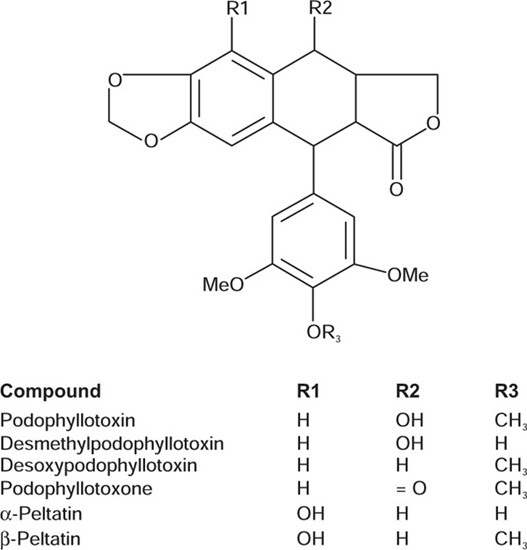
Podophyllum rhizomes contain 2–8% resinous material termed as podophyllin. The major constituents of podophyllum resin are the lignan derivatives which are characterized as podophyllotoxin, α- and β-peltatin. The lignans are found in the form of glycosides and also as their free aglycones. It also contains desmethyl podophyllotoxin, desoxypodophyllotoxin, podophyllotoxone, a flavonoid quercetin and starch.
Uses
Podophyllum resin or podophyllin shows cytotoxic activity. It is used for the treatment of venereal and other warts. Podophyllotoxin is semisynthetically converted to a potent anticancer agent etoposide which is mainly used for the treatment of lung and testicular cancer. Podophyllum resin is a strong gastrointestinal irritant. It acts as a drastic purgative in moderate doses but it has been mostly replaced by other purgative drugs.
Indian Podophyllum
Biological Source
Indian podophyllum consists of the dried pieces of rhizomes and roots of Podophyllum hexandrum Royle, belonging to family Berberidaceae.
Geographical Source
The plant grows abundantly in the higher slopes of the Himalayas in India and Pakistan. It is also found in Afghanistan and Tibet.
Characteristics
Indian podophyllum rhizomes are subcylindrical, flattened pieces with a very short internode as compared to American podophyllum. The pieces are about 2–4cm long and 1–2cm in diameter, it shows the scars due to cutting of branches and roots. Rhizomes are brownish coloured with characteristic odour and acrid, bitter taste. It breaks with horny fracture but very hard. The transversely cut surface shows a ring of vascular bundle and central pith.
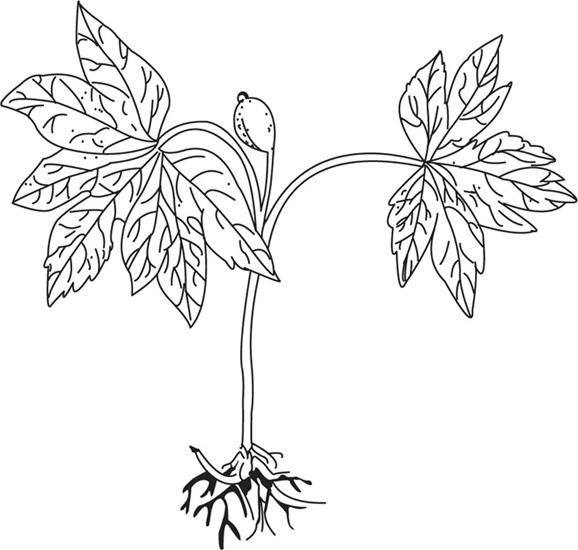
Fig. 18.14 Podophyllum hexandrum
Microscopy
A transverse section of the Indian podophyllum rhizome shows the thin-walled, tubular cork. Cortex is made up of cellular parenchyma containing large number of starch grains and cluster crystals of calcium oxalate. The vascular bundles are arranged in a ring with phloem on the outer side and a bit irregular xylem at the inner side. In certain regions fibrovascular bundles are found entering the aerial stem. The central pith shows the crystals of calcium oxalate. The major distinguishing features in P. hexandrum and P. peltatum are the size of the starch grain and the crystals of calcium oxalate.
Chemical Constituents
The most of the chemical constituents of Indian podophyllum are similar to that of P. peltatum. Podophyllum resin present to the extent of 6–12% which contains about 40% podophyllotoxin.
Siam benzoin
Biological Source
Siam Benzoin is a balsamic resin derived from stem of Styrax tonkinensis Craib., belonging to family Styraceae.
Characteristics
Siam Benzoin occurs as tears or in blocks of variable sizes and reddish brown externally, but milky-white or opaque internally. Matrix is glassy, reddish-brown, resinous, brittle but softening on chewing and become plastic-like on chewing. It has vanilla-like odour and a balsamic taste.
Chemical Constituents
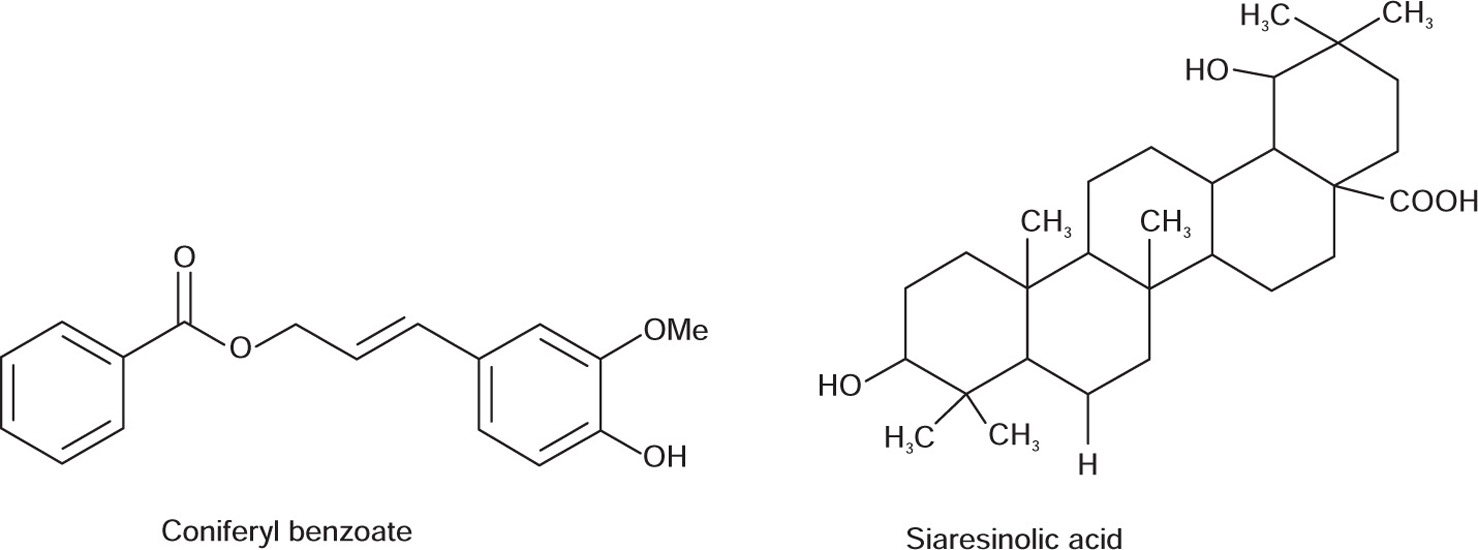
The principal constituent of Siam Benzoin is coniferyl benzoate (60–80%) (3-methoxy-4-hydroxycinnamyl alcohol). Other constituents are free benzoic acid (10%), triterpene siaresinolic acid (6%), vanillin, and benzyl cinnamate.
Chemical Tests
1. Heat Sumatra Benzoin (5g) with 10% aqueous potassium permanganate solution. A bitter almond-like odour is produced due to oxidation of cinnamic acid present in Sumatra Benzoin. This test is negative in case of Siam Benzoin.
2. To a petroleum ether solution of Benzoin (0.2g), two to three drops of sulphuric acid are added in a China dish. Sumatra Benzoin produces reddishbrown colour, whereas Siam Benzoin shows purplered colour on rotating the dish.
3. To alcoholic solution of Benzoin ferric chloride solution is added. A green colour is produced in Siam Benzoin due to the presence of phenolic compound coniferyl benzoate. This test is negative in case of Sumatra Benzoin which does not contain sufficient amount of phenolic constituents.
Sumatra Benzoin
Biological Source
Sumatra Benzoin is obtained from the incised stem of Styrax benzoin Dryander and Styrax parallelo-neurus Perkins., belonging to family Styraceae. It contains about 25% of total balsamic acids, calculated as cinnamic acid.
Collection
The plants are medium-sized trees. Sumatra Benzoin is a pathological resin which is formed by making incision and by attack of fungi. In Sumatra the seeds are sown in rice fields. The rice plants provide protection to benzoin plants during first year. After harvesting of the rice crop the trees are allowed to grow. When they are 7 years old, three triangular wounds are made in a vertical row. Tapping consists of making in each trunk three lines of incisions which are gradually lengthened. The first triangular wounds are made in a vertical row about 40cm apart, the bark between the wounds being then scraped smooth. The first secretion is very sticky and is rejected. After making further cuts, each about 4cm above the preceding ones, a harder secretion is obtained. Further incisions are made at three-monthly intervals, and the secretion becomes crystalline. About 6 weeks after each fresh tapping the product is scraped off, the outer layer (finest quality) being kept separate from the next layer (intermediate quality). About 2 weeks later the strip is scraped again, giving a lower quality darker in colour and containing fragments of bark. Fresh incisions are then made, and the above process is repeated. Second exudation is milky white and is used for medicinal purpose. The stem is incised four times during one year. AH types of exudations are sent to industry for further processing. A single tree yields about 10kg of resin per year and is completely exhausted by the 19th year of its life.
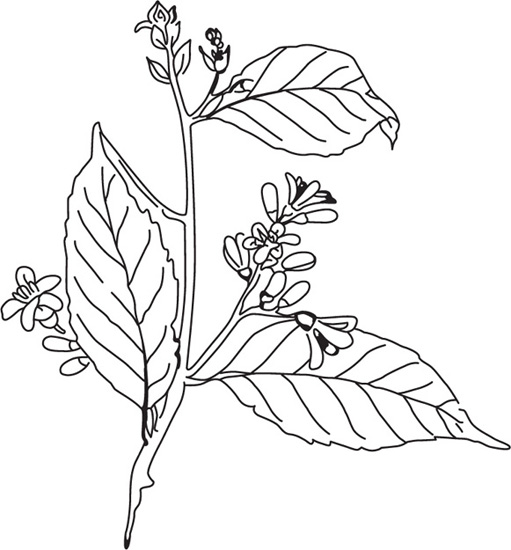
Fig. 18.15 Styrax benzoin
Characteristics
Sumatra benzoin occurs in brittle masses consisting of opaque, whitish, or reddish tears embedded in a translucent, reddish-brown or greyish-brown, resinous matrix. Odour, agreeable and balsamic, taste, slightly acrid. Siamese benzoin occurs in tears or in blocks. The tears are of variable size and flattened; they are yellowish-brown or reddish-brown externally, but milky-white and opaque internally. The block form consists of small tears embedded in a glassy, reddish-brown, resinous matrix. It has a vanilla-like odour and a balsamic taste.
When heated, benzoin evolves white fumes of cinnamic and benzoic acids which readily condense on a cool surface as a crystalline sublimate.
Chemical Constituents
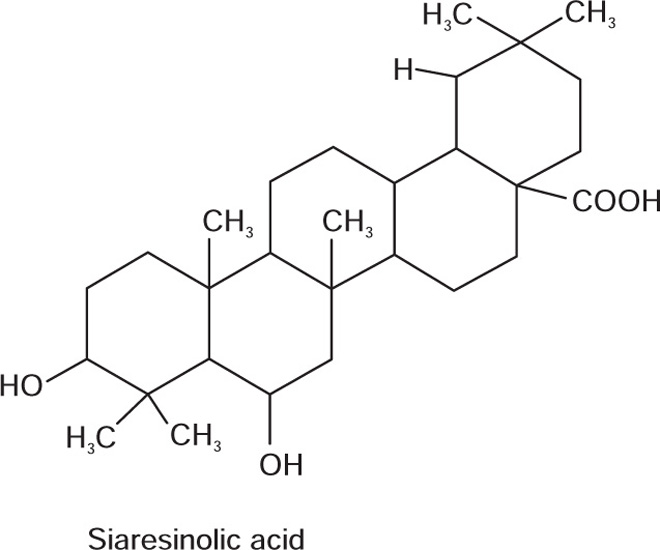
Sumatra Benzoin consists of free balsamic acid (cinnamic and benzoic acids) (25%) and their esters. The amount of cinnamic acid is usually double that of benzoic acid. It also contains triterpenic acids like siaresinolic acid (19-hydroxyoleanolic acid) and sumaresinolic acid (6-hydroxy-oleanolic acid); traces of vanillin, phenylpropyl cinnamate, cinnamyl cinnamate, and phenylethylene.
Uses
Sumatra Benzoin possesses expectorant, antiseptic, carminative, stimulant, and diuretic properties. It is used in cosmetic lotions, perfumery and to prepare Compound Benzoin. It forms an ingredient of inhalations in the treatment of catarrh of upper respiratory tract in the form of Compound Benzoin Tincture. Benzoin is used as an external antiseptic and protective, and is one of the main ingredients of Friar’s Balsam. It is also used to fix the odour of incenses, skin-soaps, perfumes and other cosmetics and for fixing the taste of certain pharmaceutical preparations. Benzoin retards rancification of fats and is used for this purpose in the official benzoinated lard, also used in food, drinks and in incense.
Allied Drug
Palembang benzoin, an interior variety produced in Sumatra is collected from isolated trees from which the resin has not been stripped for some time. It is very light in weight and breaking with an irregular porous fracture. It consists of reddish-brown resin, with only a few very small tears embedded in it. Palembang benzoin is used as a source of natural benzoic acid.
Storex
Biological Source
Storax is a balsam obtained from the trunk of Liquidambar orientalis Miller, commercially known as Levant Storax, or of Liquidambar styraciflua Linn, known as American Storax, belonging to family Hamamelidaceae.
Geographical Source
Levant Storax is a native to Asia Minor and Southwest of Turkey. American Storax is produced chiefly in Honduras; found along the Atlantic coast from Connecticut to Central America.
Collection
Levant Storax and American Storax are medium-sized trees attaining the height of 15 m to 40 m, respectively. Levant Storax is a pathological resin. In the early summer the bark of three to four years old tree is injured by bruising. Cambium is activated to produce new wood with balsam secreting ducts. The bark is gradually saturated with balsam which is peeled off. The pieces of bark are pressed to get the product. The bark is boiled in hot water and repressed. The crude balsam is poured into casks or cans and exported.
American Storax exudes into natural spaces present in between the bark and the wood. The presence of balsam in spaces may be detected by excrescences on the outside of the bark. From these pockets the balsam is tapped with gutters into containers which are exported in tin cans.
Storax is purified by dissolving the crude balsam in alcohol, filtering, and evaporating the solvent under low temperature not to lose volatile compounds. The alcohol insoluble part consists of vegetable debris and a resin.
Characteristics
Levent Storax is a viscous, semiliquid, greyish, sticky, opaque mass which deposits as a dark-brown, heavier, oleoresinous product on standing. American Storax is a semisolid, sometimes solid mass softened by warming, becoming hard, opaque, and darker coloured. Storax is transparent in thin layers, has characteristic taste and odour, and is denser than water. It is insoluble in water; almost completely soluble in warm alcohol, ether, acetone, and carbon disulphide. Odour is agreeable and taste is balsamic.
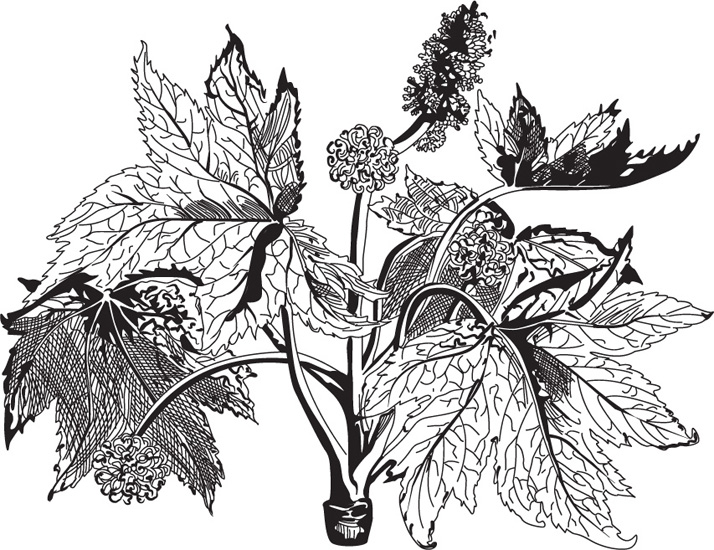
Fig. 18.16 Liquidambar orientalis
Chemical Constituents
Storax is rich in two resin alcohol (50%): α-storesin and β-storesin and balsamic acids (30–47%). The alcohols occur partly free and partly as esters of cinnamic acid (10–20%). Storax also contains cinnamyl cinnamate or styracin (5–10%), phenyl-propyl cinnamate (10%); ethyl cinnamate, benzyl cinnamate, free cinnamic acid (5–15%), styrene, traces of vanillin, and volatile oil (0.5–1%). Steam distillation of Storax yields a pale yellow or dark brown oil (0.5–1.0%) known as oil of Storax. It has a pleasant but peculiar odour.
Turmeric
Biological Source
Turmeric is the dried rhizome of Curcuma longa Linn. (syn. C. domestica Valeton)., belonging to family Zingiberaceae.
Geographical Source
The plant is a native to southern Asia and is cultivated extensively in temperate regions. It is grown on a larger scale in India, China, East Indies, Pakistan, and Malaya.
Cultivation
Turmeric plant is a perennial herb, 60–90cm high with a short stem and tufted leaves; the rhizomes, which are short and thick, constitute the turmeric of commerce. The crop requires a hot and moist climate, a liberal water supply and a well-drained soil. It thrives on any soil-loamy or alluvial, but the soil should be loose and friable. The field should be well prepared by ploughing and turning over to a depth of about 30cm and liberally manured with farmyard and green manures. Sets or fingers of the previous crop with one or two buds are planted 7cm deep at distance of 30–37cm from April to August. The crop is ready for harvesting in about 9–10 months when the lower leaves turn yellow. The rhizomes are carefully dug up with hard picks, washed, and dried.
Characteristics
The primary rhizomes are ovate or pear-shaped, oblong or pyriform or cylindrical, and often short branched. The rhizomes are known as ‘bulb’ or ‘round’ turmeric. The secondary, more cylindrical, lateral branched, tapering on both ends, rhizomes are 4–7cm long and 1–1.5cm wide and called as ‘fingers’. The bulbous and finger-shaped parts are separated and the long fingers are broken into convenient bits. They are freed from adhering dirt and fibrous roots and subjected to curing and polishing process. The curing consists of cooking the rhizomes along with few leaves in water until they become soft. The cooked rhizomes are cooled, dried in open air with intermittent turning over, and rubbed on a rough surface. Colour is deep yellow to orange, with root scar and encircling ridge-like rings or annulations, the latter from the scar of leaf base. Fracture is horny and the cut surface is waxy and resinous in appearance. Outer surface is deep yellow to brown and longitudinally wrinkled. Taste is aromatic, pungent and bitter; odour is distinct.
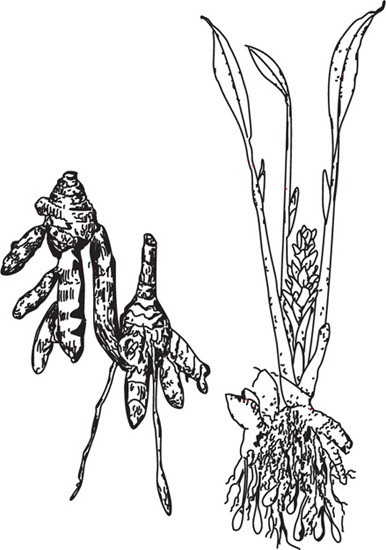
Fig. 18.17 Rhizomes and whole plant of turmeric
Microscopy
The transverse section of the rhizome is characterized by the presence of mostly thin-walled rounded parenchyma cells, scattered vascular bundles, definite endodermis, few layers of cork developed under the epidermis, and scattered oleoresin cells with brownish contents. The epidermis is consisted of thick-walled cells, cubical in shape, of various dimensions. The cork cambium is developed from the sub-epidermal layers and even after the development of the cork, the epidermis is retained. Cork is generally composed of four to six layers of thin-walled brick-shaped parenchymatous cells. The parenchyma of the pith and cortex contains grains altered to a paste, in which sometimes long lens shaped unaltered starch grains of 4–15μm diameter are found. Oil cells have suberised walls and contain either orange-yellow globules of a volatile oil or amorphous resinous masses. Cortical vascular bundles are scattered and are of a collateral type. The vascular bundles in the pith region are mostly scattered and they form discontinuous ring just under the endodermis. The vessels have mainly spiral thickenings and only a few have reticulate and annular structure.
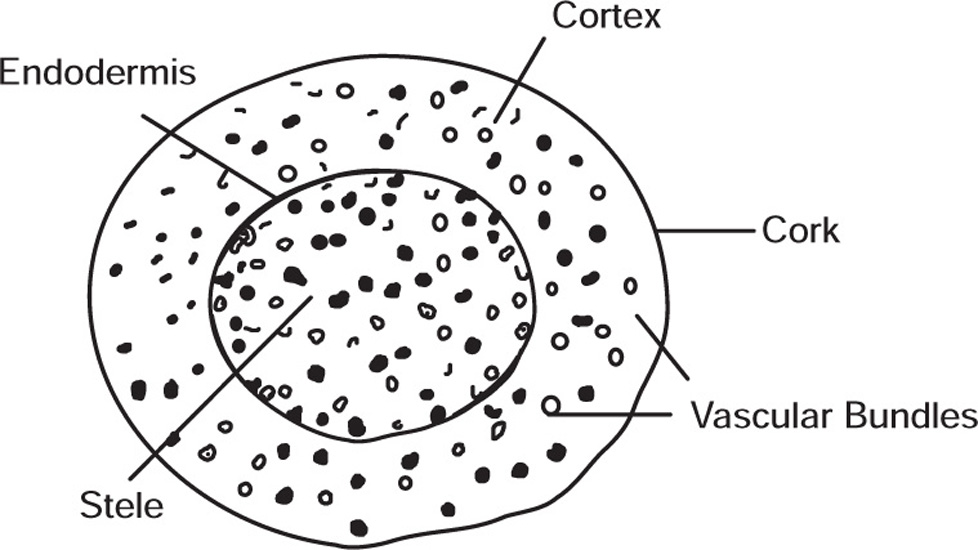
Fig. 18.18 T.S. (schematic) of turmeric rhizome
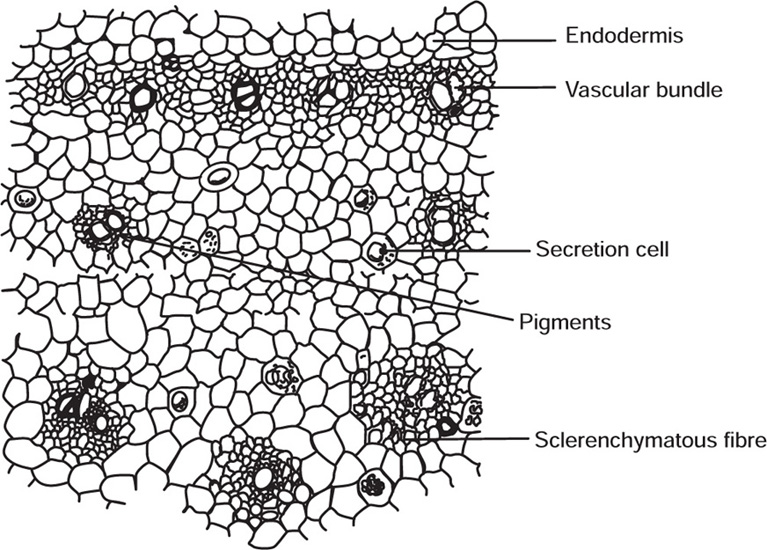
Fig. 18.19 Transverse section of turmeric rhizome
Chemical Constituents
Turmeric contains yellow colouring matter called as curcuminoids (5%) and essential oil (6%). The chief constituent of the colouring matter is curcumin I (60%) in addition with small quantities of curcumin III, curcumin II and dihydrocurcumin. The volatile oil contains mono-and sesquiterpenes like zingiberene (25%), α-phellandrene, sabinene, turmerone, arturmerone, borneol, and cineole. Choleretic action of the essential oil is attributed to β-tolylmethyl carbinol.
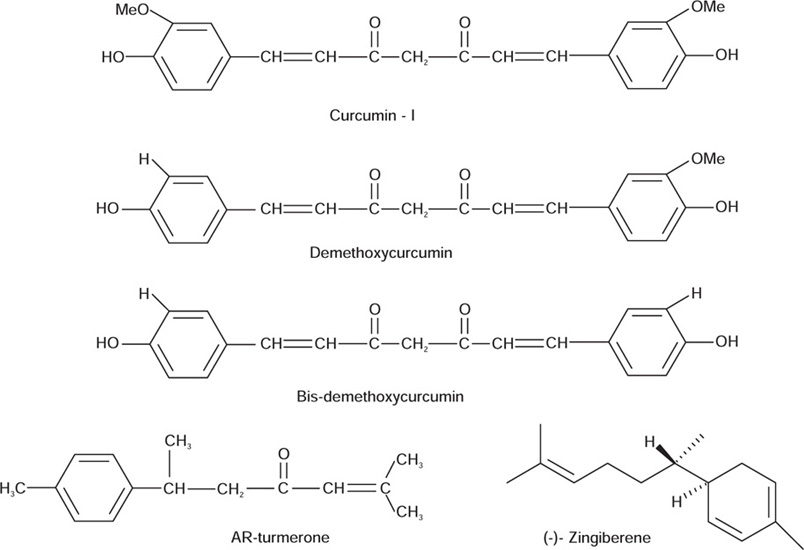
Chemical Tests
1. Turmeric powder on treatment with concentrated sulphuric acid forms red colour.
2. On addition of alkali solution to Turmeric powder red to violet colour is produced.
3. With acetic anhydride and concentrated sulphuric acid Turmeric gives violet colour. Under UV light this colour is seen as an intense red fluorescence.
4. A paper containing Turmeric extract produces a green colour with borax solution.
5. On addition of boric acid a reddish-brown colour is formed which, on addition of alkalies, changes to greenish-blue.
6. A piece of filter paper is impregnated with an alcohol extract, dried, and then moistened with boric acid solution slightly acidified with hydrochloric acid, and redried. Pink or brownish-red colour is developed on the filter paper which becomes deep blue on addition of alkali.
Uses
Turmeric is used as aromatic, antiinflammatory, stomachic, uretic, anodyne for billiary calculus, stimulant, tonic, carminative, blood purifier, antiperiodic, alterative, spice, colouring agent for ointments and a common household remedy for cold and cough. Externally, it is used in the form of a cream to improve complexion. Dye-stuff acts as a cholagogue causing the contraction of the gall bladder. It is also used in menstrual pains. Curcumin has choleretic and cholagogue action and is used in liver diseases. Curcumin is a nontoxic authorized colour, heat resistant and sensitive to changes in pH. Curcuminoids have antiphlogistic activity which is due to inhibition of leukotriene biosynthesis. ar-Turmerone has antisnake venom activity and blocks the haemorrhagic effect of venom.