Communicating with Clients with Communication Disabilities
At the end of the chapter, the reader will be able to:
1 Identify common communication deficits.
2 Describe nursing strategies for communicating with clients experiencing communication deficits secondary to visual, auditory, cognitive, or stimuli-related disabilities.
3 Discuss application of research findings to your clinical practice.
This chapter presents an overview of communication difficulties commonly encountered when caring for clients with sensory or cognitive deficits. Strategies for enhancing communication are described. The World Health Organization’s (WHO’s; 2001) International Classification of Functioning, Disability and Health shifted away from a medical diagnosis model to a functional model (i.e., how the person with a sensory impairment functions in his or her everyday life). Under this model, a communication disability definition includes any client who has any impairment in body structure or function that interferes with communication. Specifically, the client has a communication difficulty because of impaired functioning of one or more of his five senses, or he has impaired cognitive functioning. Examples include hearing loss, blindness, aphasia, or mental disorders. Communication deficits can also arise from the kind of sensory deprivation that occurs in some intensive care hospital units. The degree of difficulty in communicating is an interaction between the client’s type of functional impairment, his personal adaptability, and the healthcare environment (i.e., body factors, personal factors, and environmental factors as stated in WHO’s model).
Any impairment of a client’s ability to send and/or receive information from health care providers may compromise his or her health, health care, and rights to make decisions. When working with these clients, you may need to modify communication strategies presented earlier in this textbook. Assess your client’s communication. Two individuals can have the same sensory impairment but not be equally communication disabled. Each person compensates for their impairment in different ways. Our primary nursing goal is to maximize our client’s ability to successfully interact with the health care system. This chapter focuses on suggested strategies for communication.
Basic concepts
Clients with communication deficits are known to encounter barriers in obtaining adequate health care (Levy-Storms, 2008; O’Halloran, 2008). Studies show that when their nurses are unable to understand them, clients with communication disabilities become frustrated, angry, depressed, or uncertain. Some clients become so frustrated that they omit needed care. Even when care is accessed, communication deficits interfere with the therapeutic relationship and delivery of optimum care (McDonald, 2008). The client’s deficit is one barrier. But other barriers may be staff’s negative attitude or failure to adapt communication.
Legal mandates
In the legal system, the standard of “effective communication” is based on several statutes. The Americans with Disabilities Act (ADA) prohibits discrimination on the basis of a disability. Thus, physician offices are required to provide reasonable accommodations to ensure effective communication. The Rehabilitation Act bars discrimination by those providers receiving federal monies, including Medicare. Title VI of the 1964 Civil Rights Act prohibits discrimination on the basis of national origin. Health care agencies are required to develop a plan for accommodating non–English-speaking clients.
Types of deficits
Nearly 28 million Americans have some problem hearing. Loss can be conductive, sensorineural, or functional. Nurses have both a legal and ethical obligation to provide appropriate care. Yet, deaf people are less likely to seek health-related information from care providers. Title III of the ADA delineates rights of the deaf and applies to communication between deaf clients and medical services (Lieu, Sadler, & Stohlmann, 2007).
People’s sense of hearing alerts them to changes in the environment so they can respond effectively. The listener hears sounds and words, and also a speaker’s vocal pitch, loudness, and intricate inflections accompanying the verbalization. Subtle variations can completely change the sense of the communication. Combined with the sound and intensity, the organization of the verbal symbols allows the client to perceive and interpret the meaning of the sender’s message. The extent of your client’s loss is not always appreciated because they often look and act in a normal fashion. Deprived of a primary means of receiving signals from the environment, clients with hearing loss may try to hide deficits, may withdraw from relationships, become depressed, or be less likely to seek information from health care providers.
Children
Nearly 3 of every 1,000 newborns are deaf or have hearing loss. Fortunately, many of these deficits are diagnosed at birth. Newborn hearing is tested in the nursery via auditory brainstem response tests (National Institute on Deafness and Other Communication Disorders, www.nidc.nih.gov/. Hearing screening is recommended for all newborn children by U.S. Preventive Services Task Force (USPSTF, online) and American Academy of Pediatrics.
Older Adults
As we age, we have an increased likelihood for experiencing sensory deficits related to the aging process. Presbycusis, or degeneration of ear structures, is a sensorineural dysfunction that normally occurs as we age. British studies found that older adults, as a group, have significant decreases in hearing, poorer consonant discrimination, and changes in their conversational styles, especially in those older than 75 years.
Vision loss
Humans rely more heavily on vision than do most species. More than 21 million adult Americans are blind or have low vision (Pleis & Lethbridge-Cejku, 2007). Clients who lack vision loose a primary method to decode the meaning of messages. All of the nonverbal cues that accompany speech communication (e.g., facial expression, nodding, and leaning toward the client) are lost to blind clients.
Children
Children with visual impairments lack access to visual cues, such as the facial expressions that encourage them to develop communication skills (Parker, Grimmett, & Summers, 2008). The USPSTF (2008) recommends testing children younger than 5 years for amblyopia, strabismus, and acuity. But traditional vision screening requires a verbal child and cannot be done reliably until age 3 (Rosenberg & Sperazza, 2008).
Older Adults
As your clients age, they are more likely to have vision problems that may interfere with the communication process. As we age, the lens of the eye becomes less flexible, making it difficult to accommodate shifts from far to near vision; this is a condition known as presbyopia. A British study found substantial decreases in visual acuity in older adults. These decreases ranged from 3% at age 65 to more than 35% in those older than 85 (van der Pols et al., 2000). Macular degeneration has become a major cause of vision loss in older adults.
Impaired verbal communication secondary to speech and language deficits
Clients who have speech and language deficits resulting from neurologic trauma present a different type of communication problem. Normal communication allows people to perceive and interact with the world in an organized and systematic manner. People use language to express self-needs and to control environmental events. Language is the system people rely on to represent what they know about the world. Early identification of children with at-risk prelinguistic skills may allow intervention to improve communication competencies (Crais, Watson, & Baranek, 2009). Clients unable to speak, even temporarily because of intubation or ventilator dependency, incur feelings of frustration, anxiety, fear, or even panic (Braun-Janzen, Sarchuk, & Murray, 2009).
When the ability to process and express language is disrupted, many areas of functioning are assaulted simultaneously. Aphasia is a neurologic linguistic deficit, such as occurs after a stroke. Aphasia can present as primarily an expressive or receptive disorder. The client with expressive aphasia can understand what is being said but cannot express thoughts or feelings in words.
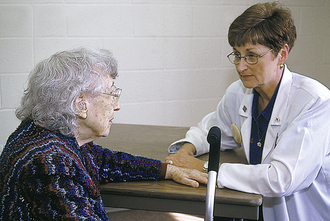
Receptive aphasia creates difficulties in receiving and processing written and oral messages. With global aphasia, the client has difficulty with both expressive language and reception of messages. Your client may have feelings of loss and social isolation imposed by the communication impairment. Although there may be no cognitive impairment, the client may need more “think time” for cognitive processing during a conversation.
Impaired cognition
Impaired cognition can interfere with the communication process. The responsibility for assessing ability to understand, to give consent, and to overcome communication difficulties rests with both social services and health care workers. At times staff fail to determine the extent to which the client can understand or fail to effectively use alternative communication aids (O’Halloran et al., 2008).
Children
Atypical communication is often the first behavioral clue to cognitive impairment in young children, associated with conditions such as mental retardation, autism, and affective disorders. As these children grow, subtle distortions in communication may exist. For example, children with Down syndrome, have been shown to judge nonverbal facial expressions more positively than other children, which could lead to a misinterpretation of the nurses’ messages.
Older Adults
Older cognitively impaired clients also have altered communication pathways (Magee & Bowen, 2008). While older adults retain their mental acuity, a study by Naylor and colleagues (2005) found cognitive deficits in 35% of 145 adults older than 70 years who were hospitalized for routine medical or surgical events. Memory loss, for example, interfered with client ability to correctly take prescribed medications.
Communication deficits associated with some mental disorders
Clients with serious mental disorders have a different type of communication deficit resulting from a malfunctioning of the neurotransmitters that normally transmit and make sense out of messages in the brain. Social isolation and impaired coping may accompany the client’s inability to receive or express language signals.
Other communication problems occur with different mental disorders. As an example, some clients with mental disorders can have intact sensory channels, but they cannot process and respond appropriately to what they hear, see, smell, or touch. In some forms of schizophrenia there are alterations in the biochemical neurotransmitters in the brain, which normally conduct messages between nerve cells and help orchestrate the person’s response to the external environment. Messages have distorted meanings. It is beyond the scope of this text to discuss the psychotic client’s management. Basic communications strategies are described.
Some clients with mental disorders present with a poverty of speech and limited content. Speech appears blocked, reflecting disturbed patterns of perception, thought, emotions, and motivation. You may notice a lack of vocal inflection and an unchanging facial expression. A “flat affect” makes it difficult to truly understand your client. Illogical thinking processes may manifest in the form of illusions, hallucinations, and delusions. Common words assume new meanings known only to the person experiencing them.
Environmental deprivation as related to illness
Communication is particularly important in nursing situations characterized by sensory deprivation, physical immobility, limited environmental stimuli, or excessive, constant stimuli (Figure 17-1). Nurses need to show concern for the client in bewildering situations, such as emergency departments or intensive care units (ICUs). Clients may be frightened, in pain, and may by unable to communicate easily with others, because of intubation or other complications. Research indicates that the absence of interpersonal stimulation and the subsequent gradual decline of cognitive abilities are related. Clients with normal intellectual capacity can appear dull, uninterested, and lacking in problem-solving abilities if they do not have frequent interpersonal stimulation.
Developing an Evidence-Based Practice
Lindenmayer JP, Liu-Seifert H, Kulkarni PM et al.: Medication nonadherence and treatment outcome in patients with schizophrenia of schizoaffective disorder with suboptimal prior response, J Clin Psychiatry 70(7):990–997, 2009.
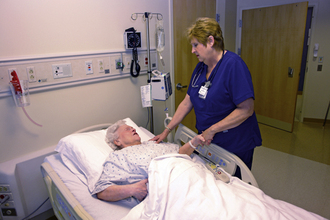
Figure 17-1 Situational Factors that Affect Client Responses to Critical Care Hospital Situations.
In an extensive review of research dealing with health care issues and clients with communication disabilities, O’Halloran et al. (2008) reported an astonishing lack of available studies. Schizophrenic clients with better symptom control are better able to communicate.
This large, randomized, 8-week study of antipsychotic medication compliance in 599 schizophrenic clients was conducted in 55 centers. In the post hoc analysis, (partial) nonadherence was determined by daily pill count and, in some, by plasma levels of medication. Baseline behaviors and treatment outcomes were assessed using multiple measurement tools.
Results: Thirty-four percent of subjects were nonadherent at least once during the study. Nonadherence was significantly related to reduced likelihood of treatment response (control of schizophrenic symptoms). No baseline characteristics were predictive of nonadherence to medication treatment except depression level. Higher depressive symptom scores (more sadness, concentration difficulties, and pessimistic thoughts as measured on the Montgomery–Asberg Depression Rating Scale MADRS]) were significantly related to greater nonadherence. A lower response rate was notable by Week 2.
Application to Your Clinical Practice: Clients who receive antipsychotic prescriptions should be assessed for (and treated for) depression. Clients who show poor control of their schizophrenic symptoms by the second week of treatment should be specifically, carefully assessed for medication full compliance. Targeting clients at greater risk for nonadherence and devising appropriate early interventions may improve medication adherence, and thus improve symptom control/treatment outcome.
Applications
Communication deficits may be developmental or acquired. Some nurse authors are redefining our nursing role from caregiver to care partner. This embodies the idea that clients living with communication disabilities need to be active participants in their care (Boyles, Bailey, & Mossey, 2008). All staff needs to be aware of the client’s communication disability, using a sign or symbol on the door, and so on. In a number of studies, nurses lacked abilities to communicate effectively with these clients (Braun-Janzen et al., 2009; Gordon, Ellis-Hill, & Ashburn, 2009).
Nursing goals are to enable our clients to communicate effectively with a variety of health professionals. The following section should give you some basic strategies for fostering communication with these clients. Aspects of your nurse role include assessment, development of strategies to facilitate communication, education, provision of psychological support, and advocacy.
Early recognition of communication deficits
Identification of communication deficit is one aspect of your role. For example, if your 4-year-old client fails to speak at all or uses a noticeably limited vocabulary for his or her age, cannot name objects or follow your directions, would you recognize the need for further assessment? Given this history, you could make a referral for speech and language evaluation.
Assessment of current communication abilities
You need to assess each client’s communication problems. Your plan of care can then be tailored to help meet identified communication needs. Provision of alternative communication methods is required by law.
Communication strategies
Evidence-based practice suggests you create a quiet environment, allocate more of your time to facilitate communication, take time to listen, ask yes/no questions, observe nonverbal cues, repeat back comments, effectively use communication equipment, assign same staff for care continuity, and encourage family members to be present to assist in communications (Finke, Light, & Kitko, 2008; O’Halloran et al., 2008).
Clients with hearing loss
Assessment of functional hearing ability is recommended for all your clients. Assessment of auditory sensory losses can provide an opportunity for referral. Your assessment should include the age of onset and the severity of the deficit. Hearing loss that occurs after the development of speech means that the client has access to word symbols and language skills. Deafness in children can cause developmental delays, which may need to be taken into account in planning the most appropriate communication strategies. Clues to hearing loss occur when clients appear unresponsive to sound or respond only when the speaker is directly facing them. Ask clients whether they use a hearing aid and whether it is working properly.
Strategies for communicating with clients who have a hearing loss depend on the severity of the deafness. Covering your face with a mask or speaking with an accent may make it impossible for a lip reader to understand you. Communication-assisting equipment should be available. We need to know how to operate auditory amplifiers such as assisted listening devices, hearing aids, and telephone attachments. Often, clients have hearing aids but fail to use them because they do not fit well or are hard to insert. Some complain that the hearing aid amplifies all sounds indiscriminately, not just the voices of people in conversation. O’Halloran et al. (2008) cautions about the attitude displayed by providers. The client may have had a prior experience in which the provider viewed his deafness as sign of lack of intelligence or treated him with a lack of respect. Exercises 17-1 and 17-2 will help you understand what it is like to have a sensory deficit.
Refer to Box 17-1 to adapt your communication techniques. American Sign Language has been a standard communication tool for many years; however, few care providers were able to use it. Basic strategies include use of paper and pencil, use of hand signals or gestures, and use of technologic communication assistance devices such as:
• Speech amplifiers such as the pocket talker
• Spelling boards or communication boards
• Wireless text communication (text messaging) on cell phones: deaf clients use handheld electronics to exchange e-mail and receive instant alphanumeric messaging, paging, and so on.
• The Optacon: a reading device that converts printed letters into a vibration that can be felt by the client who is both deaf and blind
• Pictographs: laminated cards that show drawings of common foods and activities; products such as the “AT&T Picture Guide” are commercially available and help you get your point across; these may be useful also with clients whose language you do not speak, as well as those clients with aphasia or altered hearing
• Pagers: vibrate to alert the deaf person to an incoming message, convert voice mail into e-mail that can be read
• Real-time captioning devices: allow spoken words to be typed simultaneously onto a screen
• Interactive videodiscs: have signing avatars, which are on-screen figures that sign words preprogrammed into bar codes that you select or that you speak into a microphone
• Speech-generating devices are also available, including laptop computers, fax machines, and PDAs (electronic personal digital assistant computers small enough to be held in one hand)
• Devices such as hearing-amplified stethoscopes also allow hearing-impaired nurses to care for clients
Clients with vision loss
Vision assessment for impairment is recommended for all clients routinely. Nurses caring for any client with vision limitations should perform some evaluation and ensure that glasses and other equipment are available to hospitalized clients. Use of prompting and reinforcement are recommended (Parker et al., 2008).
Refer to Box 17-1 for strategies of use in caring for vision-impaired clients. Use of vocal cues (e.g., speaking as you approach) helps prevent startling the blind client. Because clients cannot see our faces or observe our nonverbal signals, we need to use words to express what the client cannot see in the message. It also is helpful to mention your name as you enter the client’s presence. Even people who are partially blind appreciate hearing the name of the person to whom they are speaking. Vision enhancing equipment includes:
• Electronic magnifier machines
• Auditory teaching materials, such as on an audio-cassette
• Computer screen readers with voice synthesizers
• The Braille Alphabet Card (letters in both print and Braille, so both nurse and client can understand)
• The Tellatouch, a portable machine into which the nurse types a message that emerges in Braille on a punched-out paper in Braille format
• Voice synthesizers (available in a wide variety of household appliances such as talking scales)
• Telemicroscopes: handheld telescopes
• Enhanced lighting, light filters that reduce glare and enhance contrast
When caring for clients with macular degeneration, remember to stand to their side, an exception to the “face them directly” rule applied with clients with hearing loss. Macular degeneration clients often still have some peripheral vision.
Use of Touch
The social isolation experienced by blind clients can be profound, and the need for human contact is important. Touching the client lightly as you speak alerts the client to your presence. Voice tones and pauses that reinforce the verbal content are helpful. The client needs to be informed when the nurse is leaving the room. Compensatory interventions for the blind include a plentiful assortment of auditory stimuli, such as books on tape and music, as well as tactile stimuli.
Orientation to environmental hazards
When a blind client is being introduced to a new environmental setting, you should orient the client by describing the size of the room and the position of the furniture and equipment. When placing their food tray, describe the position of items, perhaps using a clock face analogy (i.e., “Carrots are at 2 o’clock, potatoes at 11 o’clock, etc.). If other people are present, you could name each person. A good communication strategy is to ask the other people in the room to introduce themselves to the client. In this way, the client gains an appreciation for their voice configurations. You should avoid any tendency to speak with a blind client in a louder voice than usual or to enunciate words in an exaggerated manner. This may be perceived by some clients as condescending or insensitive to the nature of the handicap. Voice tones should be kept natural.
The blind client needs guidance in moving around in unfamiliar surroundings. For example, surveyed blind clients said they needed assistance getting to and from their bathroom. One way of preserving the client’s autonomy is to offer your arm to the client instead of taking the client’s arm. Mention steps and changes in movement as they are about to occur to help the client navigate new places and differences in terrain.
Impaired verbal communication secondary to speech and language deficits
Assessment of speech and language is part of the initial evaluation. For adults with aphasia, an assessment of the type your client is experiencing will aid in selecting the most appropriate intervention. Expressive language problems are evidenced in an inability to find words or to associate ideas with accurate word symbols. Some clients with expressive aphasia can find the correct word if given enough time and support. Other clients have difficulty organizing their words into meaningful sentences or describing a sequence of events. Clients with receptive communication deficits have trouble following directions, reading information, writing, or relating data to previous knowledge. Even when your client appears not to understand, you should explain in very simple terms what is happening. Using touch, gestures, eye movements, and squeezing of the hand should be attempted. Clients appreciate nurses who take the time to respond to communication attempts.
Refer to Box 17-2 for strategies to use with clients having speech deficits. Clients who lose both expressive and receptive communication abilities have global aphasia. These clients can become frustrated when they are not understood. Struggling to speak causes fatigue. Short, positive sessions are used to communicate. Otherwise, the client may become nonverbal as a way of regaining energy and composure. Changes in self-image occasioned by physical changes, the uncertain recovery course and outcome of strokes, shifts in family roles, and the disruption of free-flowing verbal interaction among family members all make the loss of functional communication particularly agonizing for clients. Any language skills that are preserved should be exploited. Other means of communication (e.g., pointing, gesturing, using pictures, and repeating phrases) can be used.
Clients with impaired cognition or learning delay
As a nurse providing care to learning delay (LD) clients, you need to adapt your messages to an understandable level. This is crucial when you are seeking to gain informed consent for treatment. The rules outlining who can give informed consent were discussed in Chapter 2. To what extent should you involve your cognitively impaired client? Sowney and Barr (2007) note that emergency department nurses tend to overlook involving LD patients when explaining treatments and making care decisions, not just when obtaining informed consent. They recommend that nurses make the effort to involve cognitively impaired clients.
A good strategy is to enhance social interaction by emphasizing any activity that can be shared between nurse and client and between caregiver and client. Communication adaptations include simple explanations, touch, and use of familiar objects. Alternative methods of communication include music, communication boards, picture card, and use of picture pain rating scales.
Communication deficits associated with some mental disorders
When working with some clients with mental disorders, you will face a formidable challenge in trying to establish a relationship. Clients with altered reality discrimination have both verbal and nonverbal communication deficits. Rarely will this client approach you directly. The client generally responds to questions, but the answers are likely to be brief, and the client does not elaborate without further probes. Although the client appears to rebuff any social interaction, it is important to keep trying to connect. People with mental disorders such as schizophrenia are easily overwhelmed by the external environment. Tremeau and colleagues (2005) demonstrate that schizophrenic clients have the same expressive deficits as do depressed clients. Keeping in mind that the client’s unresponsiveness to words, failure to make eye contact, unchanging facial expression, and monotonic voice are parts of the disorder and not a commentary on your communication skills helps you to continue to engage with the client.
If your client is hallucinating or using delusions as a primary form of communication, you should neither challenge their validity directly nor enter into a prolonged discussion of illogical thinking. Often you can identify the underlying theme the client is trying to convey with the delusional statement. For example, when your client says, “Voices are telling me to do…,” you might reply, “It sounds as though you feel powerless and afraid at this moment.” Listening to your client carefully, using alert posture, nodding to demonstrate active listening, and trying to make sense out of his underlying feelings models effective communication and helps you decode nonsensical messages. Exercise 17-3 may help you gain some understanding of communication problems experienced by the client with schizophrenia.
Clients experiencing treatment-related communication disabilities
Communication disabilities can stem from sedative medications, mechanical ventilation, isolation in an ICU, or isolation such as occurs when older adults are in long-term care facilities. A number of recent studies of client communication in intensive care show that they are very dependent on their nurse to institute communication. Specific recommended skills include asking many questions, asking questions your client can answer with yes or no, reading lips, using a communication board, offering pen and paper, and assessing whether your communication was successful. When a client is not fully alert, it is not uncommon for nurses to speak in his presence in ways they would not if they thought the client could fully understand what is being said, forgetting that hearing can remain acute. Good practice suggests you never say anything you would not want the client to hear.
In addition to conveying a caring, compassionate attitude, you may use several of the strategies for communicating listed in Box 17-3. Giving orienting cues is recommended, such as labeling of meals as breakfast, lunch, or dinner, and linking events to routines (e.g., saying, “The x-ray technician will take your chest x-ray right after lunch”) helps secure the client in time and space. When clients are unable or unwilling to engage in a dialogue, you should continue to initiate communication in a one-way mode.
Your client should be called by name. We need to identify our name and explain procedures in simple language even if our client does not appear particularly alert. Clients who are awake or even semi-alert should not be allowed to stare at a blank ceiling for extended periods. Changing the client’s position frequently benefits the person physiologically and offers us something to talk about. Our efforts to create a more stimulating environment, to offer reassurance and support have later been reported to have been meaningful to the client. If clients in ICUs become temporarily delusional or experiences hallucinations, you can use strategies similar to those used with the psychotic client. The client is reassured if you are able to confirm to him that experiencing strange sensations, thoughts, and feelings is a common occurrence in the ICU.
Client advocacy
Our nurse role also includes acting as an advocate for our clients who have communication disabilities. Too often these clients are discounted. Medical treatment decisions may be made without seeking input from them. Appropriate communication aids may be withheld while the client is hospitalized. In the larger community, we need to advocate for community services designed to foster communication, including referrals to speech and language therapists.
Summary
This chapter discusses the specialized communication needs of clients with communication deficits. Adapting our communication skills and projecting a caring, positive attitude are important in overcoming barriers. Basic issues and applications for communicating with clients experiencing sensory loss of hearing and sight are outlined. Sensory stimulation and compensatory channels of communication are needed for clients with sensory deprivation. All workers who come in contact with the client need to be aware of their communication impairments. We need to learn how to operate and fit equipment such as hearing aids, because hospitalized
clients often need help with devices. The mentally ill client has intact senses, but information processing and language are affected by the disorder. It is important for you to develop a proactive communication approach with clients who are learning impaired or who suffer from mental disorders. For clients such as those with aphasia, you can develop alternative methods of communicating. Other clients can experience communication isolation and temporary distortion of reality. Such clients need frequent cues that orient them to time and place, as well as providing sensory stimulation. Evidence shows that we need to be careful not to associate communication disability with intellectual dysfunction. Our skill in adapting communication is important to the client.
References
Boyles, C.M., Bailey, P.H., Mossey, S. Representations of disability in nursing and healthcare literature: an integrative review. J Adv Nurs. 2008;62(4):428–437.
Braun-Janzen, Sarchuk, L., Murray, R.P. Roles of speech-language pathologists and nurses in providing communication intervention for nonspeaking adults in acute care: a regional pilot study. Can J Speech Lang Pathol Audiol. 2009;33(1):5–23.
Crais, E.R., Watson, L.R., Baranek, G.T. Use of gesture development in profiling children’s prelinguistic communication skills. Am J Speech Lang Pathol. 2009;18:95–108.
Finke, E.H., Light, J., Kitko, L. A systematic review of the effectiveness of nurse communication with patients with complex communication needs with a focus on the use of augmentative and alternative communication. J Clin Nurs. 2008;17:2102–2115.
Gordon, C., Ellis-Hill, C., Ashburn, A. The use if conversational analysis: nurse-patient interaction in communication disability after stroke. J Adv Nurs. 2009;65(3):544–553.
Levy-Storms, L. Therapeutic communication training in long-term care institutions: recommendations for future research. Patient Educ Couns. 2008;73(1):8–21.
Lieu, C.C., Sadler, G.R., Stohlmann, P.D. Communication strategies for nurses interacting with patients who are deaf. Dermatol Nurs. 2007;19(6):541–544. [549–551].
Magee, W.L., Bowen, C. Using music in leisure to enhance social relationships with patients with complex disabilities. NeuroRehabilitation. 2008;23(4):305–311.
McDonald, H.L. Inpatients with cerebral palsy and complex communication needs identified barriers to communicating. Evid Based Nurs. 2008;11(1):30.
Naylor, M.D., Stephens, C., Bowles, K.H., et al. Cognitively impaired older adults: from hospital to home. Am J Nurs. 2005;105(2):52–61.
O’Halloran, R., Hickson, L., Worrall, L. Environmental factors that influence communication between people with communication disability and their healthcare providers in hospital: a review of the literature within the International Classification of Functioning, Disability, and Health (ICF) framework. Int J Lang Commun Disord. 2008;43(6):601–632.
Parker, A.T., Grimmett, E.S., Summers, S. Evidence-based communication practices for children with visual impairments and additional disabilities: an examination of single-subject design studies. J Vis Impair Blind. 2008;102(9):540–552.
Pleis, J.R., Lethbridge-Cejku, M. Summary health statistics for US adults: National Health Interview Survey, 2006. National Center for Health Statistics. Vital Health Stat. 2007;10:235.
Rosenberg, E.A., Sperazza, L.C. The visually impaired patient. Am Fam Physician. 2008;77(100):1431–1436.
Sowney, M., Barr, O. The challenges for nurses communicating with cognitively impaired. J Clin Nurs. 2007;16(9):1678–1686.
Tremeau, F., Malaspina, D., Duval, F., et al. Facial expressiveness in patients with schizophrenia compared to depressed patients and nonpatient comparison subjects. Am J Psychiatry. 2005;162(1):92–101.
van der Pols, J.C., Bates, C.J., McGraw, P.V., et al. Visual acuity measurements in a national sample of British elderly people. Br J Ophthalmol. 2000;84(2):165–170.
World Health Organization. International classification of functioning, disability, and health. Geneva, Switzerland: Author, 2001.
USPSTF [United States Preventive Health Services Task Force], Agency for Healthcare Research and Quality. The Guide to Clinical Preventive Services: Recommendations of the US Preventive Services Task Force. author, 2008, http://epss.ahrq.gov/ePSS/. [accessed 5/20/09].