chapter 21 Working with Elders Who Have Psychiatric Conditions
1. Understand the prevalence of mental illness among elders.
2. Discuss trends in approaches to support well-being, and circumvent the influences of diseases of meaning in daily life.
3. Become acquainted with psychiatric diagnoses common among institutionalized and community dwelling elders.
4. Describe the importance of considering both mental health and medical conditions when working with elders.
5. Identify assessments commonly used by occupational therapy (OT) practitioners with elders who have mental illness.
6. Describe intervention approaches commonly used with elders who have mental illness.
mental well-being, mood disorders, anxiety disorders, panic disorder, posttraumatic stress disorder, acute stress disorder, schizophrenia, drug abuse, dual diagnosis, personality disorder, medication
Current estimates about aging include expectations that the population of persons over age 65 will balloon to 71.5 million persons by 2030.1 Public health and aging trends in the United States indicate that the major mental health disorders affecting people over age 65, many acquired as a part of the aging process, include anxiety disorders, depressive disorders, depression resulting in suicide, and dementia (such as Alzheimer’s disease, Pick’s disease, and Lewy body disease).
There are also many people who have had mental illness throughout their lives and who live into older age. Over 200 conditions are classified as mental illnesses, ranging from minor to severe, that are part of the lives of elders just as they are part of the lives of the general population. However, some of the most common mental illnesses of older adults include depression and schizophrenia.2 As technology in health care has improved, people with chronic diseases and illnesses are living further into older age. Determining how this affects their lifestyle over time is an ongoing discovery.
Statisticians often group older adults into categories of the young aged/baby boomers (46-64), moderately older (65-79), and oldest old (80 and older).3 With advances in health care and lifestyle, more and more people are surviving to over 100 years of age. The challenge that society now has is to manage health concerns for the masses that are aging. Health care financing falls short of adequate dollars to spend on older adults living into later life. Historically, funding for intervention of mental illnesses has always fallen short in comparison to funding for other general medical and surgical conditions. When persons age and are classified as elders, and when they age with chronic illnesses such as a mental illness, the costs for their care can rise exponentially. Long-term use of antipsychotic medicines can affect a number of body functions. Neurological (such as tardive dyskinesia, parkinsonism, and others), hematological (such as pernicious anemia), and cognitive (such as dementia, delirium, and increase in clinical cognitive signs or symptoms, such as increased hallucinations) are some of the most devastating consequences that affect functional ability. When people who have mental illness enter old age, they often need additional personal and environmental facilitators to enable them to remain safely in their communities. Some may require homecare with or without group housing, some may require skilled care with supervision and assistance, whereas some may require institutionalization.
The current generation of people classified as elders also presents new social challenges. There are nearly 93 million unmarried Americans over age 18, representing roughly 42% of the adult population.4 As of 2000, the most common household type in the United States is a person living alone.5 People who are currently in their sixties and seventies are those who lived through the rock-and-roll revolution and the “summer of love” era of the late 1960s. They may be veterans of the Vietnam War, and some may have continued to serve in the military through the Desert Storm days of the 1990s. Posttraumatic stress disorder (PTSD) is common amongst veterans who saw active duty within war zones, although it also is present in people in the general population who lived through major terroristic events, such as for people living in New York City, Washington, DC, or in rural Pennsylvania during the September 11, 2001, attacks in the United States.6 There are likely many different mental health issues this generation will face as they age related to their history of experimentation with drugs, other addictions (alcohol, prescription drugs, gambling, food, sex, and so on), changes in the meaning of family, cultural distancing, and changes in social mores. Many people in this age group may opt to live singly into older age.7 This could create unique social management needs for them as they develop health concerns and require assistance to remain in place in the community. The oldest old still are the survivors of the Great Depression and World War II; the moderately older adults are those who lived through the Korean War. These generations had higher divorce rates than previous generations, and the divorce rates among older generation couples have been continually on the rise. People in this age group are twice as likely to break up their marriage than those of a decade back.7 Many moved away from their immediate families, and this migration changed how they celebrated holidays and other life landmarks with their families, and how they coped with major life changes as they developed diseases and illnesses that required support from others to remain at home (person enablers). Social isolation is common. For some, “pseudo families,” made up of non-blood related close friends, replaced the immediate family. Some experts believe this is leading to an exponential rise in the incidence of what the American Psychological Association’s Diagnostic and Statistical Manual refers to as a “spiritual crisis.”8
The challenge for OT practitioners is to meet clients where they are living and are currently engaged in occupation. It would be helpful for OT practitioners to have simple, straightforward assessments and potential interventions in mind to meet the needs of the growing numbers of seniors who will be living at home and in the community as well as in facilities in the future. Mental health practice in the social model is where OT has some of its strongest roots. Social systems within communities could become the most common venue for OT practice as more and more adults remain in community dwellings with support to remain in their homes.
It is estimated that nearly half of all Americans will be diagnosed with a mental health condition at some time in their lives.9 So many older adults will need services in the future that it is anticipated there will not be enough OT practitioners to meet the demand. Further, the profession will be challenged to explore new models of intervention so that more people can benefit from services. Consultancy models within community public health service delivery systems may be used with greater frequency in the future. There should be less reliance on third-party reimbursement as service delivery change occurs. OT must establish a continued presence in the work with people who are mentally ill so that services that honor the human need for occupation survive as change in the health care system takes place. Society, in general, and people served by OT, in particular, have historically valued the affect that participation in occupations has on quality of life and a sense of overall well-being. This recognition, however, has not been sufficiently explicit to guarantee its continuity.
Assessment
Occupational Therapy–Specific Assessments
Social interaction is core to a person’s ability to engage in occupations and to participate in the life of a society. In addition, it is a significant predictor of quality of life.10 The Evaluation of Social Interaction (ESI)11 is an observational tool that assesses the quality of a person’s performance of social interaction skills in natural contexts with typical social partners during involvement in any area of occupation. The skills measured by this assessment include items describing how a person empathizes, agrees, places self, expresses emotions, heeds, speaks fluently, replies, and clarifies, plus a number of other valued skills. The ESI is closely associated with the Assessment of Motor and Process Skills (AMPS).12 Practical in its applied use, it appears to be a useful scale for application to home and community mental health models.
Kielhofner (2008)13 suggested that perceived control is important for people’s occupational performance. Eklund (2007)14 found that perceived control was related to both activity level and satisfaction with daily occupations. A commonly used occupational performance measure tool in common usage that measures occupational performance and a client’s satisfaction with their engagement and participation is the Canadian Occupational Performance Measure (COPM). Warren (2002)15 studied the Canadian Model of Occupational Performance (CMOP) and the COPM in mental health practice and produced an OT assessment form that can be used in mental health practice.
The Activity Card Sort (ACS)16 is a helpful tool for use with older adults in the community. When attempting to assess diversity of daily activity, loss of tasks over time, or lifestyle preferences, it is helpful to use a tool that prompts memory of familiar tasks and encourages sharing of current ability.17 The ACS comes with an administration and scoring manual in paper and electronic form.
The Assessment of Motor and Process Skills (AMPS) is standardized for use with a variety of client populations, including individuals who have mental illness. The AMPS assesses a person’s performance while doing a wide variety of instrumental activities of daily living (IADL). A person’s performance is rated while they participate in several familiar tasks demonstrating a variety of motor and process (inclusive of cognitive) skills. Motor skills can be impaired in persons with mental illness. Sometimes, motor scores can change normally with age. However, if someone has lived a long time with schizophrenia, for example, he or she may have stiffness or other limitations in moving, bending, reaching, and flowing. Process skills include such things as attending, organizing, sequencing, questioning, accommodating, and benefiting, all of which can be impaired in people with chronic mental illness.18
Haertl and colleagues19 studied the factors influencing satisfaction and efficacy of services at a free-standing psychiatric OT clinic. They found that a supportive therapeutic environment and an emphasis on the therapist–client relationship increased client and therapist satisfaction with OT mental health intervention. Highly valued services were associated with the therapeutic relationship, occupational engagement, skills training, and opportunities for socialization. It would appear that occupation-based measures are needed to demonstrate value to the consumer. While some commercially available multidisciplinary scales are readily available, intrinsic meaning and purpose to the client are well measured by OT-specific assessments only.
The Comprehensive Occupational Therapy Evaluation (COTE)20 is used by OT practitioners to evaluate general, interpersonal, and task behaviors. This evaluation assesses client actions in structured and non-structured interactions and activities. It has inter-rater reliability and criterion validity.21 The scale defines 25 behaviors that occur during occupations and that are based in OT practice. The scale can be used to evaluate or monitor patient progress, for interdisciplinary communication, and as a means of reporting progress in therapy to others. Ratings indicate improvement and readiness for discharge and are easily used in collaboration with other health professions within interdisciplinary teams.
The Kohlman Evaluation of Living Skills (KELS) is another OT-specific test that has been used successfully with older adults. The KELS has been found to have convergent validity with cognitive, affective, executive, and functional measures often used to determine older adults’ ability to live safely and independently in the community. It is a practical screen for the capacity to live safely and independently among older adults.22
The Volitional Questionnaire (VQ) is an observational tool used by OT practitioners. It consists of 14 items and is used to assess motivation and the effect of the environment on volition. The VQ has criterion and construct validity and inter-rater reliability.21
Interdisciplinary Assessments
Measures of quality of life can give general insight into a person’s sense of well-being. The Rand SF-36 Health Survey Questionnaire23 consists of 36 questions that capture reliable and valid information regarding the participants’ perceptions about their functional health status and well-being, including how well they are able to perform their daily activities. There is free public access to the assessment and the scoring form. This is a self-reported measure.
The Beck Anxiety Inventory (BAI) and the Beck Depression Inventory (BDI) are commonly used self-report questionnaires to determine the presence of anxiety or depression. The BAI is a 21-item questionnaire that distinguishes anxiety from depression. It has convergent and discriminate validity and internal consistency reliability.21 The BDI is a questionnaire that has an overall depression score based upon content composed of cognitive, behavioral, and emotional symptoms. The BDI has internal consistency and test-retest reliability and concurrent and construct validity.21 Both of the Beck indices are portable and easily used in community settings as well as in facilities.
The Mini Mental Status Examination (MMSE) is a short assessment used in a variety of practice settings and is commonly used with adults and older adults. The MMSE assesses cognitive status and basic mental functions,21 such as short-term memory, object identification, ability to follow directions with several steps, ability to write from oral directions, and orientation. It has inter- and intra-rater reliability as well as concurrent, construct, predictive, and content validity.24
People who live through major medical events, such as a stroke or heart attack, in particular, also often have mental health diagnoses or conditions that become exacerbated. Gillen25 studied coping during inpatient stroke rehabilitation and noted that the ability to cope with life circumstances is core to one’s ability to have hope and to engage in occupation-based approaches. Gillen relied on the Brief COPE assessment26 as an assessment that measures active versus avoidant coping strategies. Scales such as the Brief COPE may have implications for use by registered occupational therapists (OTRs) in screening coping ability as it applies to mental well-being.
These standardized assessments could all be used by both OTRs and certified occupational therapy assistants (COTAs). The interpretation of the tests and the influence on practice applications and anticipated outcomes require input from the OTR.
Common Mental Health Disorders
Depression
Depression is the most common psychiatric disorder affecting people as they age.27 The prevalence of clinically significant depressive symptoms ranges from 8% to 15% among community-dwelling elderly persons and is about 30% among the institutionalized elderly.28 It is presumed that many more older adults are living with depression than what has been reported because they often do not seek help to treat depression if they have it. Older adults tend to underestimate the need to seek help for intervention of illnesses that they perceive to be the result of emotional states. In addition, caregivers often mistakenly believe that it is normal to experience depression in older age. Although many older people have periods of sadness and grief or temporary periods of feeling “blue” and lonely, these are usually transient experiences when they are not accompanied by depression. Living with depression usually results in changes in normal day-to-day function.
There are a variety of causes of depression. There are also many debates in the medical community about how some forms of depression may be monikers for other underlying diagnoses. For example, there is a “chicken and egg” phenomenological relationship between depression and cardiac disease.29 People who are depressed have more frequent cardiac illness, and people who have cardiac illness have a greater incidence of depression. There is also a link between other chronic illnesses and the presence of depression. Neurological disorders of the brain can contribute to depression. An example of this is the link between Parkinson’s disease and related disorders and the prevalence of depression.30 Mental health, especially depression, is a major health indicator and focus of the Health People 2010 initiative.31 Depression is essentially a major public health issue.
Depression is also referred to as a “disease of meaning” in recognition of issues beyond its physiological dimensions. People often become depressed by changes in life circumstances. This is sometimes referred to as situational depression. Some scholars theorize that diseases of meaning contribute to the development of physical illnesses themselves. Health practitioners who embrace this theory work to assist their clients in recognizing that some of their problems can actually make them stronger and lead toward health. OT practitioners can work toward helping clients manage the disease by shifting the focus from the symptoms toward what is causing stress or distress in the life circumstances of those elders who are experiencing the illness.32
Public health models, such as those proposed by the Harvard School of Public Health, have also researched the influence of pessimism or optimism on survival.33 Their findings suggest that the avoidance of pessimism and actively trying to think optimistically can bolster one’s outlook and prevent depression in the long term. There are several factors that can influence the incidence and severity of depression, including access to mental health resources, overcoming barriers to intervention (for example, cost of receiving care), mental health intervention utilization (for example, prescription drug therapy), and socioeconomic factors (for example, a person’s level of education and his or her access to health insurance).34
Depression appears to have a negative effect on overall health. When people are depressed, their general health tends to suffer and they often develop comorbid conditions. Some comorbidity also tends to contribute to the development of depression. For example, the presence of chronic pain can lead to depression. Living with other acute or chronic illnesses and the impairments that accompany them can also contribute to the presence of depression.
Depression can be mild, moderate, or severe. It is estimated that over 21 million people in the United States are living with depression. It is the leading cause of disability.35 In 2010, situational depression has increasingly been linked to major changes in the world economy that impact on people’s quality of life. For example, after the recent economic crisis there has been an increase in the incidence of homicide and suicide.36 The use of antidepressants by adults almost tripled between 1988 and 1994 and between 1999 and 2005. Ten percent of women age 18 and older and 4% of men now take antidepressants.37
Anxiety
Anxiety is another common mood disorder in older adults.38 Use of supportive counseling and pharmaceutical therapy is common for people who have anxiety with accompanying mood disorders, such as depression. Anxiety disorders often accompany depressive episodes, particularly when the depression is situational as the result of major life events or changes in daily living. A commonly used scale in general hospitals to determine whether someone has anxiety and/or depression is the Hospital and Anxiety Depression Scale (HADS).39 A systematic review of 747 research papers published in peer reviewed journals to determine the validity of the HADS determined that it consistently performed well in assessing the symptom severity of anxiety disorders and depression in somatic, psychiatric, and primary care patients and in the general population.39 Most people today experience some form of anxiety day to day. However, when anxiety prevents or limits functioning, short-term intervention may be needed.
Suicide
Suicide is a possible result of depression, and older Americans are more likely to die by suicide than any other age group. There is also ethnic disparity concerning suicide. White older men are more likely to commit suicide than any other group: 49.8 suicide deaths per 100,000 persons.37 Older men who are independent and have had a background of caregiving for another elder, usually a spouse, are at greatest risk for suicide in the United States.40 This may be because they see what the person they care for is experiencing and they wish to avoid that possibility in their own futures. They often do not tell anyone that they are thinking about killing themselves, and they most often shoot themselves with a firearm.
Dementia
Dementia can arise from several underlying conditions. The most common form of dementia in the United States is Alzheimer’s disease (AD). There are many variants of AD. One variant that is being diagnosed with greater frequency in the last few years is Lewy body disease (LBD).41 LBD has elements of parkinsonism with the advance of dementia. In addition to the cognitive and neurobehavioral impairments, a person with LBD tends to have more visual hallucinations, tremor, aphasia, dysphagia, ballistic movements, and sleep disorder.
Dementia is characterized by the progressive loss of orientation to person, place, time, and circumstance. There is a loss of ability to calculate. Memory, especially short-term memory, eventually becomes severely impaired. People often develop other neurobehavioral impairments that increase in severity over time. Apraxia, aphasia, and disorientation (including topographical disorientation) all are prevalent features.42 In later stages, people with AD tend to wander away from home. Home no longer looks familiar. Confusion can leave the person recalling home as being somewhere they have not lived since childhood. It is often helpful to ask them to tell you their address because they do not recognize errors in their ability to recall recent details of their lives. It is often possible to register individuals living in the community with Medic Alert and the local police department in the event that they wander and become lost.
AD can last for over a decade of a person’s life. As the disease progresses, there is a growing need for caregivers’ assistance with activity setup, cueing, and physical support. Lewy body disease tends to have a shorter life span prognosis and is accompanied by a degenerative movement disorder.41 Over time people with dementia lack interest in food and eating and tend to develop swallowing impairments. Their life span may also be limited by advanced directives and advocacy by their designated proxy when impairments result in a failure to thrive without medical supports. Hospice services commonly follow people with dementia in the advanced stages.43
Alcoholism
Excessive alcohol use in the United States is the third leading cause of death related to lifestyle.44 The extent of alcoholism among the elderly is debated, but the diagnosis and intervention of alcohol problems are likely to become increasingly important as the elderly population grows. Although alcoholism usually develops in early adulthood, the elderly are not exempt. In fact, physicians may overlook alcoholism when evaluating elderly patients, mistakenly attributing the signs of alcohol abuse to the normal effects of the aging process. Reports vary, but as many as 15% of men and 12% of women over age 60 may be hazardous drinkers, and 9% of men and 3% of women over age 60 may be alcohol-dependent.45
Alcoholism has both short-term and long-term health effects. There is probably a genetic risk for the propensity to become addicted to alcohol. Dependence tends to increase risk-taking behaviors. Immediate health risks and effects include impaired judgment and unintended injuries to self and to others. People have a tendency to drink and drive, which can lead to fatal traffic accidents and injury to self and others. There are higher incidences of domestic violence, child abuse, and sexual promiscuity amongst alcoholics, including elderly ones, than in the general population.46,47 Long-term effects of alcoholism include neurological, cardiovascular, and psychiatric problems (depression, suicide ideation, and anxiety), increased cancer risk (mouth, throat, esophagus, liver, prostate, and breast), liver diseases (cirrhosis, alcoholic hepatitis, and alcohol use with hepatitis C), and gastrointestinal problems.44 If alcohol is added to the equation of aging body systems and organs, people are at greater risk of injury (such as from falls). As the body ages and is less resilient as a result of aging, the damage caused to the body by alcohol as well requires more recovery effort from the body. Long-term problems can also include the development of secondary neurological and cognitive impairments.
Aging with Psychosis
Although people may develop psychosis at earlier ages, more people who have a diagnosis of psychosis are living into older age with continuing prevalence of the disease. People who have lived for decades of their lives with mental illnesses and psychosis may develop chronic problems in advanced age that are associated with long-term use of antipsychotic medicines.48 Neurological disorders, such as tardive dyskinesia, can result. People have odd movements of their mouth and tongue (buccofacial mandibular) and neurological ticks (such as pill rolling). People with chronic psychosis may also develop dementia. As with other chronic, lifelong illnesses, people living with psychosis often require intermittent medical and psychological/psychiatric intervention at regular intervals throughout their lifetime. Access to care can circumvent the need for acute hospitalization and support a person through exacerbations over time.
Mood Disorders
Living with mood disorders can also persist across a lifetime. At times when the body undergoes major physiological shifts, the disorder may temporarily worsen (at menopause, for example). In old age, bipolar disorder is often mistaken for side effects of normal aging. Further, mood disorders often coexist with other common anxiety disorders, dysthymic disorder, alcoholism, and panic disorder.49 Drugs used to treat mood disorders (for example, lithium) can influence the risk and development of blood related disorders, such as pernicious anemia. Some of these disorders can be life threatening. Intervention for pernicious anemia can be dramatic and includes procedures such as bone marrow transplantation.
Intervention planning considerations
Many clients in the United States have access to OT services for short intervals at a time. Elderly clients commonly receive services in inpatient settings. Acute care for mental illness in a hospital setting is very short term and often people with mental illness return to the same intervention setting over and over again, when they are in a crisis.50 This is often referred to as a “revolving door” of care delivery. For example, people who are living with mood disorders, such as bipolar disorder, may require short-term, interval-dependent service access to care throughout their lifetime to successfully remain in their home and communities. Personnel in the settings that provide care to these consumers know them and recognize their immediate needs during hospitalization. OT practitioners in acute care settings, where clients are part of the revolving door, can often focus care on what clients need to be able to do safely, so that they can return home to the community. Sometimes, it is not possible to use standardized assessment to guide care.
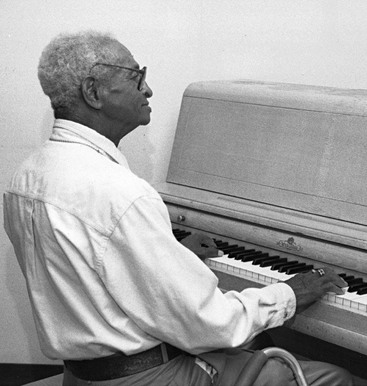
Transitional services are also important. Opportunities for OT involvement in transitions may be underutilized. Often OT practitioners have the best insights into the lifestyle, habits, and rituals that people use as they live their daily lives. Meaning of habits and rituals may be very important and hold the key to successful transitions for persons living with mental illness in older age (Figure 21-1). OT practitioners can work with an older adult in a one-to-one, direct care relationship, provide education and problem solving in small group settings, work with caregivers of older persons with mental illness to develop strategies to help the family with transitioning, and serve the population and community by serving in advisory capacities to consumer-driven non-profit organizations, government, or media concerns. This is a developing area of practice and will require a concerted effort amongst clinicians, educators, and scientists in the field to establish efficacy in an evidence-based environment.
Care management models are another approach to keeping older persons at home with support. In such care models, OT practitioners may have a role in assisting with managing particular behaviors of elders. A major problem of many persons aging in the United States is the prevalence of clutter in homes.51 Clutter may be a sign of a variety of diseases or disorders, including dementia or obsessive compulsive disorder. When the presence of clutter expands to hoarding, the disorder has increased in severity.52 OT practitioners can work with the person and family to assist them with strategies for organizing the environment and day-to-day life, living space and lifestyle choices, habits and patterns to improve the physical environment, and to promote successful aging in place.
Case Study
Louise is a 75-year-old woman diagnosed with depression. After being stabilized on an antidepressant at an acute care hospital, she was placed in a group home that specializes in the care of elders with mental illness. The residents are taken daily to a day intervention program, where a COTA provides the major part of the service. An OTR visits the center twice a week. Louise is a widow and has three married daughters and eight grandchildren. Sewing clothes for her daughters and grandchildren has always been important to Louise. She also has been a member of the same quilting club since the birth of her first child. A homemaker until age 45 years, she experienced the “empty-nest syndrome” after all of her daughters left for college or got married. She had been depressed then but not severely enough to require hospitalization. Her husband, a farmer, encouraged her to visit her sister, who lived in a large city. The change of scenery seemed to help her overcome the loss she felt. She returned from her visit to her sister’s home and enrolled in a technical program for office workers. From ages 45 to 65 years she worked as a secretary at the local high school. At 65 years, she retired but continued to work as a substitute. Her husband lost their farm as a result of bank foreclosure and eventually accepted a position on a corporate farm. When Louise was 68 years old, her husband died of a sudden heart attack. She began to show symptoms of depression within a year. She reduced her activities, turning down jobs to fill in at the school, refusing to go out with her friends, declining to baby-sit her grandchildren, and quitting her quilting group. Her daughters did not become worried until they realized she was hoarding medication and planning suicide. They persuaded Louise to admit herself to the psychiatric unit of the regional hospital.
Although her medication was working at the time of her discharge from the acute care inpatient psychiatric unit, she had residual dysfunction in several self-care, socialization, and cognitive areas. Because all of her daughters lived more than 3 hours away, they agreed that Louise would stay in a group home until the family felt she could adequately take care of herself again. Fortunately, they were able to place her in a local group home with 24-hour supervision. The schedule of the group home included chair aerobics, weekend outings to the mall, a reminiscence group, and a crafts group that made stuffed toys for children with developmental disabilities. Louise also participated in a day intervention program 3 days a week. The family hoped that when Louise recovered sufficiently, she could resume her life in one of the assisted living units in a nearby housing development operated by her religious denomination.
Soon after Louise’s arrival in the day intervention program, the COTA completed the COPM53 with her. Louise identified priorities of some activities that she missed doing. Louise began crying as she discussed her grandchildren and her quilting group. She also discussed her difficulty with some activities of daily living (ADL) and especially with homemaking tasks. After consulting with the OTR, the COTA left a copy of an interest checklist54 for Louise to fill out on her own. The COTA returned a day later and gave Louise the Allen Cognitive Level Test (see Chapter 7).55 Louise scored at cognitive level 4.1 on the ACL, which meant that although she recognized an error, she could not correct it. Two days later, the COTA administered the Routine Task Inventory-2.55 Louise also scored at cognitive level 4 on this test of ADL functions. This score meant she initiated grooming tasks and completed most of them; however, she neglected the back of her hair and neglected to clean up the bathroom after she bathed herself.55
Louise was able to find the mailbox in the group home when she wanted to mail letters to her daughters. However, she got lost easily when she attempted to walk unsupervised in the neighborhood. She was independent in toileting but got anxious when she had to use any restroom other than the one in her room or in the OT clinic. She usually remembered to ask the nurse for her medications. She was able to fix a sandwich in the kitchenette at the day intervention program, but she often burned the soup. The last time this happened she stated, “I can’t do anything right anymore. I am just a burden to my daughters. They would be better off not having to worry about me.” Although she could dress herself in the morning, she did not pay attention to whether her clothing matched or was appropriate for the weather.
After discussion with the OTR, the COTA explained her findings to Louise and to one of her daughters. The OTR, COTA, daughter, and Louise then planned for her participation in a daily ADL group session with the COTA to work on self-care and homemaking occupations. The plan included the use of self-cueing devices such as timers, environmental aids such as a neighborhood map, and a medication check-off sheet. These adaptations would be useful after discharge.
Case Study Questions
1. Considering the case study described previously, which of Louise’s behaviors might cause the COTA to think she was experiencing depression rather than dementia?
2. What other activities in the group home schedule might the COTA want to encourage Louise to attend?
3. What community resources could be used in guiding Louise’s recovery?
1. Why is it important to consider whether an elder has a mental illness in addition to other medical conditions for which they may have originally been referred to occupational therapy?
2. Explain three assessment tools that could be used to evaluate an elder’s social and occupational functioning.
3. Explain two assessment tools that are commonly used to evaluate depression in elders.
4. What common symptoms of depression may go unrecognized in elders and why?
5. What kinds of intervention opportunities are there for occupational therapy practitioners working in transitional services for elders with mental illness?
1 U.S. Department of Health & Human Services. Aging statistics: Administration on aging. Retrieved February 6, 2010, from http://www.aoa.gov/aoaroot/aging_statistics/index.aspx, 2010.
2 Mayo Clinic Staff. Mental illness. Retrieved February 7, 2010, from http://www.mayoclinic.com/print/mental-illness/DS01104/METHOD=print&DSECTION=all, 2008.
3 U.S. Census Bureau. Age data of the United States. Retrieved February 6, 2010, from http://www.census.gov/population/www/socdemo/age/agebyage.html, 2008.
4 U.S. Census Bureau. America’s families and living arrangements: 2007. Retrieved February 7, 2010, from http://www.census.gov/prod/2009pubs/p20-561.pdf, 2007.
5 Hobbs F. Examining American household composition: 1990 and 2000. U.S. Census Bureau. Retrieved February 7. 2010, from http://www.census.gov/prod/2005pubs/censr-24.pdf, 2005.
6 Ghafoori B., Yuval N., Gameroff M.J., et al. Screening for generalized anxiety disorder symptoms in the wake of terrorist attacks: A study in primary care. Journal of Traumatic Stress. 2009;22:218-226.
7 Ferguson J. Shifting the Center: Understanding Contemporary Families, 4th ed. New York: McGraw-Hill; 2010.
8 Agrimson L.B., Taft L.B. Spiritual crisis: A concept analysis. Journal of Advanced Nursing. 2009;65:454-461.
9 Kessler R.C., Berglund P., Dernier O., et al. Lifetime prevalence and age of onset of distributions of DSM-IV disorders in the National Comorbidity Survey Replication. Archives of General Psychiatry. 2005;62:593-602.
10 Rahman A., Simmons S. Measuring resident satisfaction more accurately: Two approaches. Nursing Homes: Long-Term Care Management. 2007;56(5):58-64.
11 Fisher A., Griswold L. The Evaluation of Social Interaction Manual, 2nd ed. Boulder, CO: AMPS Project International; 2008.
12 Fisher A., Atler K., Potts A. Effectiveness of occupational therapy with frail community living older adults. Scandinavian Journal of Occupational Therapy. 2007;14(4):240-249.
13 Kielhofner G., editor. A Model of Human Occupation. Theory and Application, 4th ed, Baltimore: Lippincott Williams & Wilkins, 2008.
14 Eklund M. Perceived control: How is it related to daily occupation in patients with mental illness living in the community? American Journal of Occupational Therapy. 2007;61(5):535-542.
15 Warren A. An evaluation of the Canadian Model of Occupational Performance and the Canadian Occupational Performance Measure in mental health practice. British Journal of Occupational Therapy. 2002;65(11):515-521.
16 Baum C.M., Edwards D. Activity Card Sort, 2nd ed. Bethesda, MD: AOTA Press; 2008.
17 Albert S.M., Bear-Lehman J., Burkhardt A. Lifestyle-adjusted function: Variation beyond BADL and IADL competencies. Gerontologist. 2009;49:767-777.
18 Fisher A.G., Bernspång B. Response to: A critique of the Assessment of Motor and Process Skills (AMPS) in mental health practice. Mental Health Occupational Therapy. 2007;12:10-11. Retrieved April 19, 2010, from http://www.ampsintl.com/documents/MHOT%20March%202007.pdf
19 Haertl K., Behrens K., Houtujec J., Rue A., Ten Hake R. Factors influencing satisfaction and efficacy of services at a free-standing psychiatric occupational therapy clinic. American Journal of Occupational Therapy. 2009;63:691-700.
20 Brayman S.J., Kirby T.F., Misenheimer A.M., Short M.J. Comprehensive occupational therapy evaluation scale. American Journal of Occupational Therapy. 1976;30:94-100.
21 Law M., McColl M.A. Interventions, Effects, and Outcomes in Occupational Therapy: Adults and Older Adults. Thorofare, NJ: Slack; 2010.
22 Burnett J., Dyer C.B., Naik A.D. Convergent validation of the Kohlman Evaluation of Living Skills as a screening tool of older adults’ ability to live safely and independently in the community. Archives of Physical Medicine and Rehabilitation. 2009;11:1948-1952.
23 The Rand Short Form 36 Survey. Retrieved April 19, 2010, from http://www.rand.org/health/surveys_tools/mos/mos_core_36item.html, 2010.
24 Molloy D., Alemayehu M.B., Roberts R. Reliability of a standardized mini-mental state examination compared with the traditional mini-mental state examination. American Journal of Psychiatry. 1991;148:102-105.
25 Gillen G. Coping during inpatient stroke rehabilitation: An exploratory study. American Journal of Occupational Therapy. 2006;60:136-145.
26 Carver C.S. You want to measure coping but your protocol’s too long: Consider the Brief COPE. International Journal of Behavioral Medicine. 1997;4(1):92-100.
27 Centers for Disease Control and Prevention. Depression in the United States’ household population, 2005-2006. NCHS Data Brief. 2008;7:1-8.
28 Beers M., Jones T., Berkwits M., Kaplan J., Porter R., Bjelland I. The Merck Manual of Geriatrics, updated edition. West Point, PA: Merck & Co; 2006.
29 Shah S.U., White A., White S., Littler W.A. Heart and mind: (1) Relationship between cardiovascular and psychiatric conditions. Postgraduate Medical Journal. 2004;80:683-689.
30 Weintraub D., Moberg P.J., Duda J.E., et al. Effect of psychiatric and other non-motor symptoms on disability in Parkinson’s disease. Journal of the American Geriatrics Society. 2004;52:784-788.
31 Snowden M., Snowden L., Frederick J. Treating depression in older adults: Challenges to implementing the recommendations of an expert panel. Preventing Chronic Disease. 5, 2008. Retrieved November 1, 2009, from http://www.cdc.gov/pcd/issues/2008/jan/07_0154.htm
32 Jobst K.A., Shostak D., Whitehouse P.J. Diseases of meaning, manifestations of health, and metaphor. Journal of Alternative and Complementary Medicine. 1999;5(6):495-502.
33 Center for Health Decision Science. Examples of models: Harvard School of Public Health. Available at http://chds.hsph.harvard.edu/About/Examples-of-Models, 2010.
34 Mental Health America. Ranking America’s mental health: An analysis of depression across the states. Retrieved April 19, 2010, from http://www.nmha.org/go/state-ranking, 2010.
35 Laird P. Feeling depressed and blaming the depression. Trinity Western University On-line Magazine. Retrieved April 19, 2010, from http://www.twu.ca/about/news/general/2009/money-and-mood.html, 2009.
36 Olfson M., Marcus S. National patterns in antidepressant medication treatment. Archives of General Psychiatry. 2009;66(8):848-856.
37 National Institute of Mental Health. The numbers count: Mental disorders in America. Retrieved April 19, 2010, from http://www.nimh.nih.gov/health/publications/the-numbers-count-mental-disorders-in-america/index.shtml, 2008.
38 Zigmond A., Snaith R. The Hospital Anxiety and Depression Scale. Acta Psychiatrica Scandinavica. 1983;67(6):361-370.
39 Bjelland I., Dahl A., Haug T., et al. The validity of the Hospital Anxiety and Depression Scale: An updated literature review. Journal of Psychosomatic Research. 2002;52:69-77.
40 Zanni G., Wick J. Understanding suicide in the elderly. Consultant Pharmacist. 2010;25(2):93-102.
41 NINDS. Dementia with Lewy bodies information page. Retrieved April 19, 2010, from http://www.ninds.nih.gov/disorders/dementiawithlewybodies/dementiawithlewybodies.htm, 2010.
42 Koedam E., Lauffer V., van der Vlies A., van der Flier W., Scheltens P., Pijnenburg Y. Early-versus late-onset Alzheimer’s disease: More than age alone. Journal of Alzheimer’s Disease. 2010;19(4):1401-1408.
43 Jones B. Hospice disease types which indicate a greater need for bereavement counseling. American Journal of Hospice & Palliative Care. 2009;27(3):187-190.
44 Hoyer W.J., Rudin P.A. Adult Development in Aging, 16th ed. Boston: McGraw-Hill; 2009.
45 Merrick E., Hodgkin D., Garnick D., Horgan C., Panas L., Ryan M., et al. Unhealthy drinking patterns and receipt of preventive medical services by older adults. Journal of General Internal Medicine. 2008;23(11):1741-1748.
46 Cummings S., Bride B., Rawlins-Shaw A. Alcohol abuse treatment for older adults: A review of recent empirical research. Journal of Evidence-Based Social Work. 2006;3(1):79-99.
47 Herrmann N. Principles of geriatric psychopharmacology. In Conn D., Herrmann N., Kaye A., Rewilak D., Schogt B., editors: Practical Psychiatry in the Long-Term Care Home, 3rd ed, Ashland, OH: Hogrefe & Huber, 2007.
48 Goldstein B.I., Herrmann N., Shulman K.I. Comorbidity in bipolar disorder among the elderly: Results from an epidemiological community sample. American Journal of Psychiatry. 2006;163:319-321.
49 Sirey J. The impact of psychosocial factors on experience of illness and mental health service use. American Journal of Geriatric Psychiatry. 2008;16(9):703-705.
50 Gitlin L.N., Schinfeld S., Winter L., Corcoran M., Boyce A.A., Hauck W. Evaluating home environments of persons with dementia: Inter-rater reliability and validity of the Home Environmental Assessment Protocol (HEAP). Disability Rehabilitation. 2002;24:59-71.
51 Ayers C., Saxena S., Golshan S., et al. Age at onset and clinical features of late life compulsive hoarding. International Journal of Geriatric Psychiatry. 2010;25(2):142-149.
52 Law M., editor. Client-Centered Occupational Therapy. Thorofare, NJ: Slack, 1998.
53 Matsutsuyu J.S. The interest checklist. American Journal of Occupational Therapy. 1969;24(4):32.
54 Allen C., Earhart C., Blue T. Occupational Therapy Treatment Goals for the Physically and Cognitively Disabled. Rockville, MD: American Occupational Therapy Association; 1992.
55 Allen C.K. Occupational Therapy for Psychiatric Diseases: Measurement and Management of Cognitive Disabilities. Boston: Little, Brown; 1985.