chapter 23 Working with Elders Who Have Cardiovascular Conditions
1. Identify the signs and symptoms of cardiac dysfunction.
2. Describe the phases of cardiac rehabilitation.
3. Recognize the role of occupational therapy in cardiac rehabilitation.
4. Describe assessments, intervention techniques, and precautions used with elders who have cardiac conditions.
5. Describe intervention approaches for elders with cardiac conditions in various treatment settings.
cardiac rehabilitation, cardiovascular disease, heart rate, blood pressure, maximum heart rate, metabolic equivalents, energy conservation, work simplification
Joan is a certified occupational therapy assistant (COTA) who specializes in cardiac rehabilitation. She works closely with the cardiac team as she provides occupational therapy (OT) interventions. Mark is a COTA employed by a skilled nursing facility. He works with elders who have a variety of conditions. Many of the elders are admitted for specific reasons such as rehabilitation after a total hip replacement or stroke. Most have accompanying chronic illnesses, including cardiac conditions. Mark often informally consults with Joan when he has an intervention question about cardiac conditions because he does not have the same specialty experience that she has, and he values her expertise. This chapter focuses primarily on the role of COTAs in cardiac rehabilitation settings. However, intervention with elders who have cardiac conditions in other settings is also addressed.
Heart disease is the leading cause of death in the United States1 and one of the most prevalent chronic conditions among older Americans.2
Cardiovascular disease refers to several types of heart conditions, which include (1) diseases that primarily affect the heart such as coronary artery disease and congestive heart failure, (2) circulatory problems involving peripheral vessels such as peripheral vascular disease, and (3) circulatory problems involving the cerebral circulation. This chapter focuses primarily on diseases in the first category: the heart.
Background Information
During the aging process, the body experiences gradual changes. Although many of these changes are inevitable, studies show that some of the changes are less pronounced in elders who do not have cardiovascular diseases and associated risk factors.2 This is especially true for elders who have lifestyles that include regular physical activity. However, most elders experience age-related changes in their cardiovascular systems, including changes in the heart muscle and vessels, peripheral vascular disease, and an increase in systolic pressure, which makes the heart work harder.3 Most coronary diseases are related to lifestyle and family history, as well as age. Chronic cardiac conditions include hypertension, angina pectoris, congestive heart failure, and peripheral vascular disease. Heart disease often accompanies other illnesses or conditions such as diabetes or chronic obstructive pulmonary disease; therefore, the COTA should be aware of any additional precautions or contraindications associated with these diagnoses and cardiovascular disease.
Medical treatment varies according to the condition and other individual health factors. Thrombolytics are used to prevent muscle damage from heart attacks. Other common drugs are those used to treat hypertension, angina, heart failure, and dysrhythmias. The COTA should be aware of the medications that the patient is taking and the associated side effects. If conservative treatments involving medications are not effective, then surgical interventions may be necessary. Surgical treatments may include angioplasty or a bypass for damaged arteries. In rare cases, treatment may involve a heart transplant to replace heart muscle that is irreversibly damaged. Cardiac management may include electromechanical devices such as pacemakers to achieve a normal heart rate (HR) and rhythm.
Heart disease may begin with a loss of elasticity in the small vessels, causing the heart to work harder to maintain blood flow to organs. A change in the temperature in the extremities, cyanosis, or an increase in systolic blood pressure may indicate circulatory insufficiency.4 Atherosclerosis is a condition in which lipid deposits accumulate on the walls of large and medium vessels.5 This narrows the lumen of these vessels, which restricts blood flow. Atherosclerosis of coronary vessels can produce ischemia, which causes angina (chest pain), a myocardial infarction (MI), or both, which damages the heart muscle. Atherosclerosis of cerebral vessels can lead to a cerebrovascular accident, or stroke. A change in the structure of the heart valves, either from viral illness or aging, may result in heart failure, a condition in which the heart cannot deliver enough oxygen to peripheral tissues.
Valvular disease may be heard as a murmur during a routine examination. When the left side of the heart fails, fluid accumulates in the lungs, causing exertional dyspnea, orthopnea, paroxysmal nocturnal dyspnea, dyspnea at rest, pulmonary edema, weakness, and fatigue.4 When the right side of the heart fails, blood backs up in the periphery, causing systemic venous congestion, dependent edema, upper right quadrant pain, anorexia, nausea, bloating, and fatigue.6 Many elders with cardiovascular disease lose the ability to perform physical activities and lose independence in their daily skills.2
Psychosocial Aspects of Cardiac Dysfunctions
Cardiac dysfunction can have profound psychosocial implications on elders and their significant others. All elders react differently to a cardiac event, experiencing a wide range of emotions, including anxiety, depression, denial, and helplessness,7 but most progress through many stages of adjustment. Initially, the anxiety produced by fear of death, discomfort, dependence, and disability can have a profound effect and produce overwhelming feelings. Some elders demonstrate this anxiety in behavioral changes and may act out or become agitated. This level of anxiety places a physiological demand on the cardiac system at a time when rest is important. Elders experiencing a rapid change in their care status may also have difficulty with anxiety; as a result, anti-anxiety medications are often used to assist them. However, anti-anxiety medications can have unwanted side effects and lead to additional stress. Elders should be encouraged to voice their feelings and work with the health care team to alleviate their fears about the course of events. Good communication and supportive staff members are the key elements in reducing elders’ anxiety levels.8 Fear of another cardiac event can impair functional levels, especially in the early rehabilitation phase. Education and therapeutic intervention can help alleviate these fears. Once stable, elders should be encouraged to begin ambulation and self-care activities following the guidelines established by the registered occupational therapist (OTR). This helps to eliminate the helplessness elders may feel after a cardiac event. The longer that these two elements are delayed, the more helpless elders may feel, which can reinforce the disability.7,8 (Chapter 12 includes a discussion of ways to address the sexual concerns of elders with heart disease.)
As elders begin to regain some strength and control over their activity, the denial of risk related to the disease may become evident. Denial gives some elders the mechanism necessary to cope with the cardiac event. This particular phase may be more prevalent in elders with coronary disease because the symptoms and characteristics associated with this disease are vague. COTAs must not try to break through the denial phase too soon. Facing the realities of the situation may be overwhelming and may create stress-related physical and emotional complications. COTAs can help elders by instructing them to monitor their performance carefully, thus reducing the risk for another cardiac event.
Some elders become depressed after a cardiac event. Inactivity and anxiety may trigger depression. Depression and anxiety combined can have a long-term effect on the elder’s physical and emotional well-being. Patients with depression are less likely to resume normal activity and are at an increased risk for death.7
COTAs can play a strong role in addressing the psychosocial aspects of cardiac disease by educating elders about the expected outcomes after a cardiac event. Relaxation training and lifestyle education are key elements in achieving emotional well-being. Informing the family of risks and precautions can assist elders in the transition to the home environment and ensure that elders have the best chance to regain their status in the home and community.9
Evaluation of Elders with Cardiac Conditions
COTAs working with elders who have had cardiac events or who have chronic cardiac conditions should be able to monitor vital signs. It is important that COTAs accurately determine HR and take blood pressure (BP) during activities. Guidelines for HR and BP responses are typically written as treatment precautions. To determine the HR, COTAs should palpate the elder’s pulse at the wrist, count the number of beats felt for 15 seconds, and then multiply this number by 4. This will provide a baseline HR in beats per minute (bpm) before the elder engages in activity. Although HRs vary, a normal baseline HR ranges between 60 and 100 bpm.9 Maximum HR corresponds with performing maximal levels of exertion that involve large muscle groups in rhythmic activities, such as walking and cycling. One method of predicting maximum HR is by subtracting the elder’s age from 220. This figure is multiplied by 0.6 to predict the appropriate HR response for normal activity.10 For example, a 78-year-old woman’s predicted maximum HR would be 142 bpm (220 – 78 = 142). Her HR appropriate for activity would be 85 (0.6 × 142 = 85 bpm). Signs and symptoms, such as dyspnea, must be considered when using formulas to predict activity HR values. Elders should perform activities in a symptom-free range. Some medications (beta-blockers, verapamil, and diltiazem) blunt the usual HR in response to exercise, especially in elders; therefore, watching symptoms is especially important.11 In the first phase of cardiac rehabilitation, patients are often on continuous pulse oximetry. The COTA should be careful to ensure that the patient is maintaining pulse and oxygen saturation levels within the range set by the physician.
Likewise, the BP should be taken if a physician has so ordered or if the elder has symptoms of distress such as shortness of breath, dizziness, weakness, or cyanosis. Elders with hypertension should be monitored for excessive increases in the BP or orthostatic hypotension, which may occur as a side effect of medications. BP values greater than 140/90 mm Hg indicate mild hypertension, and those greater than 160/100 mm Hg indicate moderate hypertension.12 BP is considered hypotensive if the systolic BP is less than 90 mm Hg. Hypotension can be associated with dizziness and light-headedness or, in severe cases, circulatory inadequacy of the extremities.9 In the presence of a shunt for renal dialysis, the BP should be read on the opposite limb. Renal shunts are fragile and cannot withstand the pressure produced by the BP cuff (sphygmomanometer) during BP monitoring. For training, COTAs should practice monitoring HR and BP with an instructor before performing care.
The COTA/OTR team should be able to perform a basic bedside activities of daily living (ADL) evaluation as part of the initial evaluation. This might include having the elder perform oral care, grooming tasks, washing of the upper body, and dressing. COTAs working with elders who have decreased endurance and low activity tolerance caused by cardiac disease may use metabolic equivalents (METs) as a basis for estimating the energy expended when performing an activity. The MET table provided along with HR and BP responses can help COTAs determine the cardiovascular stress and amount of work performed for specific tasks (Table 23-1).13,14,15 Further areas to be assessed are grip strength, muscle strength, and bed mobility. The OT should also assess the patient’s cognitive abilities to ensure that the patient will be able to comprehend the education and interventions that the COTA is teaching.
TABLE 23-1 Santa Clara Valley Medical Center’s Metabolic Equivalents After Myocardial Infarction and After Open Heart Surgery
| Stage | Occupational therapy |
|---|---|
| In ICU or on ward | General mobility (bed mobility, transfers to the commode, and position changes) with energy conservation techniques (environmental setups, equipment, and pacing)13 |
| 1-2 METs | Sedentary leisure tasks with arms supported (reading, writing, playing cards)13 Standing tasks (seconds to 2 minutes)13 Simple hygiene, semi-recline sitting position13 Standing tasks (3 to 5 minutes)13 Bedside bathing (assist with feet and back)13 Bathroom privileges13 Light leisure tasks such as keyboarding at a computer13 Writing14 Billiards14 Needlework15 |
| 2-3 METs | Standing tasks (5-30 minutes)13 Sustained upper extremity (UE) activity (2-30 minutes)13 Total body bathing at sink13 Total hygiene, bathing, dressing at sink13 Total body mobility: bending for small objects, retrieval training13 Moderate leisure tasks13 Walking at a slow or moderate pace14 Driving14 Playing the piano or other musical instrument15 Using a sewing machine15 |
| 3-4 METs | Shower transfers13 Total showering task (hair washing, total body washing, drying, and dressing)13 Simple homemaking tasks such as meal preparation13 Energy conservation techniques with activity such as cleaning windows13 Walking at a pace of 3 miles per hour14 Doing laundry15 Ironing15 Vacuuming15 |
| 4-5 METs | Pushing a light power mower13 Dance13 Raking leaves13 Climbing stairs14 Slow swimming14 Washing windows15 |
| 5-6 METs | Digging in a garden13 Sex13 Fishing13 Hiking14 Jogging14 Shoveling snow15 Most sports involving running (e.g., basketball, softball)15 |
ICU, intensive care unit; MET, metabolic equivalent.
Interventions, Goals, and Strategies
For interventions to be effective, COTAs must understand the functional levels that are used to classify elders with cardiac disease. There are four functional categories for cardiac disease (Table 23-2). Knowing the categories allows COTAs to make adjustments in elders’ rehabilitation programs. The four phases of cardiac rehabilitation describe where the elder is in the recovery process (Table 23-3).
TABLE 23-2 The Four Functional Categories of Cardiac Disease
| Class I | Elders with cardiac disease but without resulting limitations of physical activity. Ordinary physical activity does not cause undue fatigue, palpitation, dyspnea, or anginal pain. |
| Class II | Elders with cardiac disease resulting in slight limitation of physical activity; they are comfortable at rest. Ordinary physical activity results in fatigue, dyspnea, palpitation, or anginal pain. |
| Class III | Elders with cardiac disease resulting in marked limitation of physical activity; they are comfortable at rest. Less than ordinary physical activity causes fatigue, dyspnea, palpitation, or anginal pain. |
| Class IV | Elders with cardiac disease resulting in inability to perform any physical activity without discomfort. Symptoms of cardiac insufficiency or of anginal syndrome may be present even at rest. If any physical activity is undertaken, discomfort increases. |
From New York Heart Association. (1979). Nomenclature and Criteria for Diagnoses of Diseases of the Heart and Great Vessels, 8th ed. Boston: Little, Brown.
TABLE 23-3 The Three Phases of Cardiac Rehabilitation
| Phase I | This phase occurs in the acute phase of hospitalization for the cardiac event. Elders qualifying for cardiac rehabilitation must be stable after event as determined by physician(s). |
| Phase II | Elder enters a program designed to regain former functional and performance level. Focus is on increasing duration and intensity of physical activity to achieve health benefits and to increase cardiorespiratory fitness. |
| Phase III | Elder enters a maintenance phase of cardiac rehabilitation. This phase is indefinite in length and involves periodic evaluations. |
COTAs need to be aware of activities that can be stressful to the heart. Such activities include isometric and upper extremity activities, especially if performed at a level above the heart. The stress on the heart is reflected by the elder’s HR and BP responses, as well as other signs and symptoms. Consequently, any activity that produces excessive increases in HR and BP may overstress the heart (Box 23-1).
BOX 23-1
When to Stop Activity and Seek Medical Help
If any of the following symptoms lasts more than a few minutes before, during, or after the activity program, the elder should stop activity and seek medical help:
 Uncomfortable pressure, squeezing, fullness, or pain in the center of the chest that lasts more than a few minutes
Extreme sweating, breaking out in cold sweat
Discomfort in the upper body (arms, neck, jaw, or stomach) during activity
Unexplained low heart rate or dramatically higher rate than the target heart rate
Drop in systolic blood pressure or failure of systolic blood pressure to rise
Adapted from Streuber, S., Amsterdam, E., & Stebbins, C. (2006). Heart rate recovery in heart failure patients after a 12-week cardiac rehabilitation program. American Journal of Cardiology, 97(5), 694-698.
The primary goal of any cardiac rehabilitation program is to return elders to their maximum functional capacities. The COTA/OTR team must design an individualized rehabilitation program for each elder. Although the phases of rehabilitation follow certain key steps, each elder’s progress will be different. Psychosocial aspects, family support, age, and medical status, as well as the desire to participate in the rehabilitation program, affect progression. A rehabilitation intervention plan for OT with MET allowances for specific activities is useful (see Table 23-1).
Phase I
Phase I consists of the period of inpatient hospitalization. Most referred elders are in the acute phase after undergoing surgery or experiencing MI. Other elders are referred for atypical chest pain. Beginning in phase I, elders are evaluated by an OTR. During the evaluation, the COTA/OTR team reviews the medical chart to obtain information on medical history and current cardiac status, and they interview the elder to determine lifestyle and personal goals for rehabilitation. During phase I, OT practitioners and elders work toward developing a discharge plan on the basis of the elder’s individual needs and lifestyles. Goals for meeting each of the stages in phase I are discussed (see Table 23-1). Activities and educational information are introduced as the rehabilitation process begins. Activities and exercises are initially low level. Early in phase I, COTAs educate elders regarding the need for balancing their lifestyles, which includes stress reduction techniques. Elders are also educated to accommodate for changes in their health status. Using the occupational behavioral model of work, rest, and play, COTAs can introduce the concepts of energy conservation and work simplification while providing bedside intervention.16 This gives elders the ability to regain some of their self-care and dignity while learning to work with their limitations after a cardiac event. COTAs can build rapport and support continued rehabilitation by carefully monitoring physiological responses, signs, and symptoms and structuring activities to prevent elders from feeling fatigue.
METs help establish parameters for functional activities. One MET, the oxygen consumed by the body at rest, is equal to approximately 3.5 ml O2/kg body mass per minute. To translate this concept into an activity level, it takes 1.5 METs to write a letter in bed with the arms supported.9 Most self-care activities range from 1.5 to 3.5 METs, and, although this may seem to be light work, it can be physically demanding for some elders. In some rehabilitation settings, OT does not intervene in cardiac rehabilitation until the elder is able to perform light work (1.5 to 2 METs) without symptoms of dyspnea, palpitation, or angina during or after activity. Once elders are at this level, they can attempt activities required to return home and can independently perform most self-care activities. During phase I, elders are reevaluated to determine whether additional equipment or education is necessary so that they are able to return home and conduct functional activities with safe and appropriate HR, electrocardiogram (ECG), and BP responses.
Phase II
Phase II, often referred to as the recovery, or healing, phase, is the period immediately after hospitalization.16 Elders receive rehabilitation through home health or outpatient clinic services. An elder’s functional performance during self-care activities is evaluated by monitoring the resting pulse and peak pulse during a task and then measuring the recovery time to a resting pulse once the activity is terminated. The elder’s status is monitored during the activities by measuring HR, BP, ECG, and respiratory responses before, during, and after task completion. The course of treatment and the elder’s progress are determined by the physiological responses during activities and the estimated MET level for activities. During this phase of rehabilitation, education and training continue for modifications of risk factors and monitoring of the elder’s general health.17
Phase III
Once elders are able to tolerate increased MET activities at greater than 3.5 METs with safe and appropriate HR, BP, and ECG responses, they are ready to move into phase III of rehabilitation. At this level of function, elders ideally have been under the care of a cardiac rehabilitation team for 2 to 3 months. Goals of phase III programs include increasing activity duration and intensity to a level sufficient to elicit cardiorespiratory training adaptations while assisting elders in making necessary lifestyle changes.17 Phase III of cardiac rehabilitation requires elders to be more responsible for self-monitoring and to react appropriately if signs or symptoms of a recurring cardiac event become evident. Elders in phase III programs typically attend outpatient programs two or three times per week. These sessions provide opportunities for therapists to evaluate function and performance and to facilitate progression of activity programs. Providing elders with the education and techniques necessary to maintain their new lifestyles allows them to be more successful at self-monitoring. Elders are often counseled to make dietary changes, to stop smoking, and to increase physical activity levels. COTAs are in a position to reinforce lifestyle changes. Continued training in energy conservation and the use of assistive devices is provided to elders at functional levels III and IV. In outpatient clinics, elders can also receive training in a simulated work environment to provide guidelines for returning to a job or for avocational interests.
Energy Conservation, Work Simplification, and other Education
During OT, elders receive education on energy conservation, work simplification, and cardiac status monitoring.16 Energy conservation is not only important for the elder’s well-being, but also it is a safety monitor for routine tasks. In the acute portion of cardiac rehabilitation, this component allows elders to set the pace of their self-care routines. Energy conservation begins with basic task analysis, which includes identifying the main steps in the task, analyzing the way the task is performed, and determining the tools or skills needed to perform the task. Once analyzed, the next component of work simplification is added. Having elders perform basic grooming at the bedside is an example of ADL energy conservation. Using the bedside table, with arms propped for energy conservation, the elder can perform grooming with all of the supplies and a basin of water on the table (Figure 23-1). Elders may need to be educated to take rest breaks during the task if they experience dyspnea or an increase in HR beyond the established parameters. The task can be simplified with a complete setup of supplies, including the removal of all caps from grooming supplies and the provision of a lightweight electric razor, if appropriate. With the elder in the semi-reclined position in bed, this task can be accomplished with no more than 1.5 METs. Other ADL functions are analyzed in the same manner, with the therapist identifying ways to reduce the energy expenditure (energy conservation) and minimize steps to perform the task (work simplification). The addition of assistive devices may be an added benefit (Table 23-4). (See Chapter 12 to learn about addressing sexuality aspects of ADL with heart disease.)
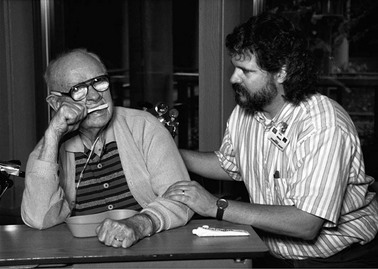
TABLE 23-4 Assistive Devices and Rationale for Use
| Item(s) | Rationale |
|---|---|
| Long-handle reacher Long-handle shoehorn Sock aid Elastic shoelaces Long-handle bath sponge |
These items prevent the need to bend more than 90 degrees forward flexion in trunk. This may be a precaution for bypass surgery to reduce strain over incision. Limiting trunk flexion to 90 degrees facilitates breathing by allowing full excursion of the diaphragm. |
| Bath bench | Allows patient to sit during bathing. |
| High stool | Allows patient to sit during household tasks, such as food preparation and ironing. |
Elders should be educated to pace themselves during activities to reduce fatigue. The work–rest–work principle is important for elders to maintain in the acute phase, especially when denial is an issue. Elders in denial about their cardiac disease may want to prove they are well by overworking or pushing themselves, placing unnecessary stress on their damaged hearts.
Intervention with Elders with Cardiac Conditions in Other Settings
The chapter has focused primarily on cardiac rehabilitation when cardiac disease is the primary diagnosis. However, COTAs may encounter elders who have cardiac problems, perhaps as one of many chronic conditions, in settings such as nursing homes, outpatient clinics, or at home. Elders with acute cardiac conditions eventually may be transferred from the cardiac rehabilitation setting to another setting for further rehabilitation. In these settings, COTAs who are not formally trained in cardiac rehabilitation need to be aware of treatment approaches and precautions. Elders with cardiac conditions in any setting need to be educated on work simplification and energy conservation. The optimal approach is to demonstrate work simplification and energy conservation during the performance of meaningful tasks.
The primary recommendation for all elders with cardiac conditions is to monitor responses to activity by measuring HR, BP, and respiratory rate at rest, during activity, and during recovery. Activities that elicit excessive increases in HR or BP or that elicit abnormal signs and symptoms should not be performed or should be modified to ensure appropriate responses. Elders who have had coronary artery bypass graft surgery are often given lifting restrictions. Recommendations vary by physician and often include not lifting more than 10 lb for at least 1 month after surgery. Lifting precautions may also be recommended for elders who have had a procedure involving catheterization of the femoral artery, such as angioplasty and stent placement. Lifting guidelines for these procedures, determined by the elder’s physician, are based on the elder’s lifestyle and physical status and the specific procedures performed.9
Recognition of distress signals is vital in any setting when working with elders with cardiac dysfunction. Primary signs and symptoms are chest pain, shortness of breath, cyanosis, sweating, fatigue, weakness, and confusion. Elders with cardiac dysfunction often complain of burning or pressure in the chest or of upper extremity, jaw, or cervical pain. These symptoms may occur with elders who have congestive heart failure, dysrhythmias, or a history of MI or angina.4 If elders demonstrate or report any of these symptoms, the COTA should monitor their BP, HR, and ECG readings for changes in medical status. Any abnormal sign or symptom should be documented and discussed with the OTR and other health care professionals.
Another key area is the type of medication that elders with cardiac or BP problems are taking. Anticoagulants are commonly used for elders who have hypertension or who have had a cerebrovascular accident or hip or knee replacement surgery. Nitroglycerin is a common medication for elders with angina pectoris. Table 23-5 lists commonly prescribed medications. Knowledge of which medications elders are taking and their side effects is important to any therapist, but especially to those who perform therapy services through a home health agency or in a community setting.
TABLE 23-5 Examples of Common Medications and Potential Side Effects
| Condition | Medication category (examples) | Side effects |
|---|---|---|
| Angina pectoris | Nitrates (nitroglycerin, isosorbide dinitrate) | Headache, orthostatic hypotension, dizziness |
| Beta-blockers (atenolol, propranolol) | Bradycardia, depression, fatigue | |
| Calcium channel blockers (verapamil, diltiazem) | Peripheral edema | |
| Heart failure | Cardiac glycosides (digitalis, digoxin) | Cardiac dysrhythmias, GI distress, CNS disturbances |
| Diuretics (furosemide) | Electrolyte disturbances, volume depletion | |
| Ace inhibitors (enalapril, captopril) | Skin rash | |
| Hypertension | Beta-blockers (atenolol, metoprolol) | Bradycardia, depression, fatigue |
| Diuretics (hydrochlorothiazide) | Volume depletion, electrolyte imbalance | |
| Calcium channel blockers (verapamil, diltiazem) | Peripheral edema | |
| Ace inhibitors (enalapril) | Skin rash | |
| Alpha-blocker (prazosin) | Reflux, tachycardia, orthostatic hypotension | |
| Centrally acting SNS antagonists (clonidine) | Dry mouth, dizziness, drowsiness | |
| Vasodilators (hydralazine) | Reflux, tachycardia, dizziness, orthostatic hypotension, weakness, headache | |
| Dysrhythmias | Sodium channel blockers (quinidine, lidocaine) | Cardiac rhythm disturbances |
| Beta-blockers | Bradycardia | |
| Drugs that prolong repolarization (amiodarone) | Pulmonary toxicity, liver damage | |
| Calcium channel blockers (verapamil) | Bradycardia, dizziness, headache | |
| Acute MI | Narcotic analgesic (morphine) | Sedation, respiratory depression, GI distress |
| Platelet-aggregation inhibitors (aspirin) | GI distress | |
| Thrombolytics (streptokinase, tissue plasminogen activator) | Excessive bleeding |
ACE, angiotensin-converting enzyme; CNS, central nervous system; GI, gastrointestinal; MI, myocardial infarction; SNS, sympathetic nervous system.
Case Study
Adelle, who is 79 years old, is receiving OT in an acute care hospital setting after a coronary bypass graft. Her medical history includes type II diabetes mellitus, hypertension, peripheral vascular disease, and iron deficiency anemia. Her occupational history includes interests in growing tomatoes and volunteering at her church, where she answers the telephone and sends welcome letters to new members. She lives alone in a home with three stairs. Some adaptations have been made in the home environment such as a tub/shower combination on the main level next to her bedroom. Adelle would like to remain independent with doing self-care and light homemaking tasks, managing her health, and gardening. Her son and daughter live nearby and drive her to appointments, shopping, and social activities. Her friends from her church visit weekly and they tend to her garden together. Adelle’s niece helps her with vacuuming and cleaning the bathroom.
Trina, the COTA, has been educating Adelle on energy conservation and work simplification techniques. They have practiced pacing self-care activities in bed and have discussed techniques for gardening and cooking simple meals when she returns home. Trina has also provided Adelle with handouts and a home program. Adelle will be receiving home health OT, and Trina will be communicating with the home health OTR to update her on Adelle’s progress and goals in the acute care hospital program.
Case Study Review Questions
Describe how the HR for activity should be determined in Adelle’s case.
1. How would Adelle’s endurance for dressing be calculated? Discuss when it can be increased.
2. What tools or equipment could be provided to simplify her self-care and home-making tasks?
3. What are three activities that Adelle should avoid? Why are these activities contraindicated?
4. What would be important for Trina to report to the home health OTR?
5. What recommendations should the COTA make for home health?
6. How does Adelle’s support affect her overall health?
7. What health management techniques would be important for Adelle to engage in?
1. Describe the impact that anxiety may have on an elder’s ability to perform occupations.
2. Explain the role that COTAs play in addressing the psychosocial aspects of cardiac disease.
3. Describe how maximum HRs and activity HRs are determined.
4. Describe what is involved in the evaluation of elders with cardiac conditions.
5. Describe why evaluating cognition is important.
6. Describe the four functional categories of cardiac disease.
7. Describe the four phases of cardiac rehabilitation.
8. What is a MET, and how can the MET system be used in cardiac rehabilitation?
9. Describe how energy conservation and work simplification are used in elders with cardiac conditions.
10. What should COTAs do for elders who report symptoms of angina pectoris while washing their hair?
11. Identify a method of energy conservation for elders while dressing their lower extremities.
1 Centers for Disease Control and Prevention. Heart disease [WWW page]. http://www.cdc.gov/HeartDisease/index.htm, 2010.
2 Federal Interagency Forum on Aging-Related Statistics. Older Americans 2010: Key indicators of well-being. Washington, DC: U.S. Government Printing Office; 2008.
3 Hardaway B., Tang W. Heart failure with systolic dysfunction. In Griffin B., Topol E., editors: Manual of Cardiovascular Medicine, 3rd ed, Philadelphia: Lippincott Williams & Wilkins, 2008.
4 Silverstein A., Silverstein V., Nunn L. Heart Disease. Minneapolis, MN: Twenty-First Century; 2006.
5 George S., Lyon C. Pathogenesis of atherosclerosis. In: George S., Johnson J., editors. Atherosclerosis: Molecular and Cellular Mechanisms. Weinheim, Germany: Wiley-VCH, 2005.
6 Lipsky M., Mendelson M., Havas S., Miller M. American Medical Association Guide to Preventing and Treating Heart Disease. Hoboken, NJ: John Wiley & Sons; 2008.
7 Jonker A., Comijs H., Knipscheer K., Deeg D. The role of coping resources on change and well-being during persistent health decline. Journal of Aging & Health. 2009;21(8):1063-1070.
8 Taylor, R., Dalal, H., Jolly, K., Moxham, T., Zawada, A., 2010. Home-based versus centre-based cardiac rehabilitation. Cochrane Database of Systematic Reviews Issue 1, Art. No.: CD007130.
9 Huntley N. Cardiac and pulmonary diseases. In Radomski M., Trombly C., editors: Occupational Therapy for Physical Dysfunction, 6th ed, Baltimore: Lippincott Williams & Wilkins, 2006.
10 American Association of Cardiovascular and Pulmonary Rehabilitation. Cardiac Rehabilitation Resource Manual. Champaign, IL: Human Kinetics; 2006.
11 Wenger N. Current status of cardiac rehabilitation. Journal of the American College of Cardiology. 2008;51:1619-1631.
12 Muntner P., Krousel-Wood M., Hyre A., Stanley E., Cushman W., Cutler J., et al. Antihypertensive prescriptions for newly treated patients before and after the Main Antihypertensive and Lipid-Lowering Treatment to Prevent Heart Attack Trial Results and Seventh Report of the Joint National Committee on Prevention, Detection, Evaluation, and Treatment of High Blood Pressure Guidelines. Hypertension. 2009;53:617-623.
13 Reed K. Quick Reference to Occupational Therapy, 2nd ed. Austin, TX: Pro-Ed; 2003.
14 Mazzini M., Stevens G., Whalen D., Ozonoff A., Balady G. Effect of an American Heart Association “Get with the Guidelines” program-based clinical pathway on referral and enrollment into cardiac rehabilitation after acute myocardial infarction. American Journal of Cardiology. 2008;101:1084-1087.
15 Adams A., Hubbard M., McCullough-Shock T., Simms K., Cheng D., Hartman J., et al. Myocardial work during endurance training and resistance training: A daily comparison, from workout session 1 through completion of cardiac rehabilitation. Baylor University Medical Center Proceedings. 2010;23(2):126-129.
16 LaPier T., Wintz G., Holmes W., Cartmell E., Hartl S., Kostoff N., et al. Analysis of activities of daily living performance in patients recovering from coronary artery bypass surgery. Physical & Occupational Therapy in Geriatrics. 2008;27(1):16-35.
17 Wu S., Lin Y., Chen C., et al. Cardiac rehabilitation vs. home exercise after coronary artery bypass graft surgery: A comparison of heart rate recovery. American Journal of Physical Medicine & Rehabilitation. 2006;85(9):711-717.