Chapter 25 Working with Elders Who Have Oncological Conditions
1. Identify four common oncological diagnoses associated with aging.
2. Discuss cancer treatment provided to elders with cancer and the associated side effects.
3. Describe the role of occupational therapy (OT) with the elder cancer patient, and list three different approaches that might be used with them.
4. Identify three common complications that elders receiving cancer treatment often face, and discuss the impact of these on the OT intervention process.
5. Describe modified approaches to daily occupations that might be used by the certified occupational therapy assistant (COTA) when working with an elder who has cancer.
Hannah is a COTA who works for an agency that provides relief coverage for two OT departments in acute-care hospitals in a large city. After arriving at work and receiving an orientation to the department, she reviews the charts of the patients with whom she will be working. She notices that five of the eight patients are elders on the oncology or cancer unit of the hospital, and three of them appear to be currently undergoing chemotherapy for the disease. She learns that those who are receiving chemotherapy have limited tolerance to activity and greater susceptibility to infections. She plans to allow time before her intervention to review the special precautions with this group of patients and collaborate with the other team members to provide the best intervention possible while insuring the patients’ safety.
People with cancer are living longer.1 As the population of those over age 65 grows, the number of people living with cancer will also increase within this group. Health care providers need to recognize the problems encountered by those living with this disease.
Overview of Cancer with the Elder Population
Nearly 13% of the total U.S. population was age 65 years or older in 2009.2 At the current rate of our population growth, this group has been predicted to increase to 36% by 2020, approaching a total of 55 million people.2 With this expanding population of elders, it is important to look at diseases directly associated with the process of aging. Cancer occurs most frequently in this group and ranks second only to heart disease as the leading cause of death in the United States.3 It is important that health care providers become adept at recognizing and dealing with health problems and treatment issues faced by elders with cancer. COTAs have a valuable role in contributing to improved quality of life of the elder with cancer. Specific strategies and interventions will follow in this chapter.
Age is the single highest risk factor for the development of cancer. From ages 60 to 69, one in six men and one in ten women have the probability of developing cancer, but the risk increases after age 70 to one in three for men and one in four for women.3 According to a report by the American Cancer Society,3 there were 970,000 total new cases of cancer reported from 2000 to 2004. Although this reflects a large number of people who are dealing with cancer, it is important to note that the current national trend in cancer incidence and death rates appears to be declining.4 While the decrease in incidence appears to be the result of changes in screening, diagnostic techniques, and the reduction in exposure to environmental risk factors, such as smoking cessation, the decrease in death rates is reflective of those issues in addition to more effective disease treatment options.
Common Conditions
In the chapter, we will be considering four types of cancer that are associated with aging: breast, colorectal, lung, and prostate. In Table 25-1, these four types of cancer are listed in relation to their 5-year survival rates and the median age at diagnosis.
TABLE 25-1 5-Year Relative Survival Rates of Common Cancer Diagnoses
| Diagnosis/site | 5-Year relative survival rates (1999-2005) | Median age at diagnosis |
|---|---|---|
| All sites | 66.1% | 66 |
| Lung/bronchus | 15.6% | 71 |
| Colorectal | 65.2% | 71 |
| Breast | 89.1% | 61 |
| Prostate | 99.7% | 68 |
Adapted from National Cancer Institute SEER. Cancer statistics review 1999-2005 tables and graphs. Retrieved from the National Cancer Institute (SEER), http://seer.gov/statistics/.
Lung Cancer
Since the early 1950s, lung cancer has been the most common cause of death among men and women, and, in 2002, the incidence of lung cancer in women surpassed that in men.5 According to the Surveillance Epidemiology and End Results survey, between 2002 and 2006 the median age at diagnosis for cancer of the lung and bronchus was 71 years.6 As one ages, the risk of developing lung cancer increases, rising to a high of 31.4% between ages 65 and 74.6 There are two major types of lung cancer: small cell lung cancer (SCLC) and non-small cell lung cancer (NSCLC). It is also possible for lung cancer to occur with characteristics of both, in which case it is known as mixed small cell/large cell carcinoma. The more common of the two types is non-small cell cancer, which accounts for 87% of total lung cancers.5 This type of cancer tends to spread, or metastasize, to other parts of the body more slowly than small cell carcinoma, which spreads more quickly and is more likely to be found in other organs of the body. The major cause of lung cancer is smoking, which has been linked to both types of lung cancer in men and women, although, interestingly, women appear to have a higher rate than men of those lung cancers that are not associated with smoking. Lung cancer has also been shown to be caused by other occupational exposures, such as radon, asbestos, and uranium.5
Upon the initial diagnosis of lung cancer, the oncologist determines the prognosis and the best course of treatment available according to a process called staging in which it is determined whether the cancer has spread to other parts of the body. Generally, three levels are described: localized (within lungs), regional (spread to lymph nodes), and distant (spread to other organs).5 Unfortunately, only 16% of lung cancer cases are diagnosed at an early or localized stage, which would increase the probability of an improved 5-year survival (see Table 25-1). The difficulty in an early diagnosis is that the symptoms associated with lung cancer, such as coughing with mucous production, do not occur until the advanced stages of the disease.5 However, there are newer tests being developed such as low-dose spiral computed tomography (CT) and molecular markers in sputum that show promise for earlier detection, thus improving treatment responses.5
The treatment of lung cancer may include chemotherapy, surgery, or local radiation therapy. Due to the limits in the early diagnosis of this disease, combination chemotherapy with or without radiation therapy is more commonly used than surgical resection of the primary tumor because, as noted previously, the cancer has often already spread at the time of the initial diagnosis.
Breast Cancer
Breast cancer is currently the most common type of cancer in women and is second to lung cancer as the cause of cancer-related deaths in American women.7 There has been a recent increase in an early-stage breast cancer diagnosis, likely resulting from increased public awareness, improved screening, and technology.7 Between 2002 and 2006 the median age of breast cancer diagnosis was 61 years old.6 As women age, the risk for developing this disease increases, and we now know that between ages 50 and 70, about 5.57% of all women in the United States will develop breast cancer.6 As the number of people over age 65 in our country continues to climb, it is expected that by the year 2030 nearly 60% of them will be women.8 Therefore, a large proportion of the oncologist’s practice will include older women with breast cancer.9 It is important that this population be given an opportunity to participate in clinical trials for cancer treatment and thus be offered the best options for treatment.
At the time of diagnosis of breast cancer, the specific type of breast cancer involved will be determined with a biopsy done either through a fine-needle aspiration of the mass or lumpectomy (removal of the mass). At that point, the pathology and the stage of disease can be determined, and decisions can be made regarding recommended treatment. Surgery, radiation therapy, cytotoxic chemotherapy, and hormonal therapy are all treatment choices with potential side effects that may compound already present comorbidities. Hormonal therapy is a treatment option often used with the older population with breast cancer. This has been shown to be of particular benefit with tumors that are estrogen-receptor positive (ER-positive), meaning that the tumor is likely to be stimulated to grow by the presence of estrogen. A common endocrine or anti-estrogen drug used with breast cancer patients is tamoxifen, which has been studied extensively in older women with breast cancer. Some studies have reported a complete or a partial response in 75% of those women treated with this drug alone.9
Prostate Cancer
Prostate cancer is currently the most common cancer diagnosed in men age 70 years and older, but, because tumors confined to the prostate are often diagnosed early, the 5-year survival rate is high in this group (see Table 25-1).3 Between 2002 and 2006 the median age at the time of diagnosis of prostate cancer was 68 years old.6 It is estimated that there are over 2 million men living in the United States with prostate cancer.6 The high 5-year survival rate in this group appears to be a result of the use of the prostate specific antigen (PSA) blood test as well as of other improved treatments of the disease itself.10 Non-modifiable risk factors for prostate cancer include age, African American race, and a positive family history of prostate cancer.10 There are also risk factors that men can control or modify, thus reducing the risk, such as diet, smoking habits, exercise, and large body size.10
The treatment of prostate cancer may include radiation, surgery, hormonal (or androgen deprivation therapy), and cytotoxic chemotherapy. All types of treatment carry with them a potential for adverse side effects, and when determining the best option for each patient, the oncologist considers each individual’s quality of life and anticipated longevity in the decision-making process.
Colorectal Cancer
Colorectal cancer is currently the third most common cancer in both men and women in our country.3 Between 2002 and 2006, the median age at the time of diagnosis was 71 years old.6 The overall rate for colorectal cancer survival is improving because of enhanced screening, which yields earlier diagnoses with localized disease staging. The screening procedure for this disease can include detection and removal of colorectal polyps before they become cancerous, thus helping reduce the mortality and advanced-stage diagnosis. The greatest predictor of survival and treatability of this cancer is finding the cancer at an early stage. Surgery, which can be curative but sometimes results in a colostomy, is commonly part of the treatment regimen. However, the presence of comorbidities in the elder population may preclude this option. There is increasing evidence that although older patients maintain high function, they often are not treated with the same surgery as younger groups, and they receive less aggressive treatment based on their age alone.11
Adjuvant chemotherapy, either alone or in combination with radiation, may be used before or after surgery in cases where the cancer has spread locally to the bowel wall or metastasized to the lymph nodes.3 As in other types of cancer associated with aging, there is a need to expand clinical studies for colorectal cancer to include people over age 65 to make the best treatment available to them and to those people for whom it will most likely prove successful.12
The risk factors for colorectal cancer include increased age, family history, the presence of inflammatory bowel disease, or a personal history of colorectal neoplasms.3 Screening for this disease in persons with an average risk may include flexible sigmoidoscopy, in which the left side of the colon is visualized. The fecal occult blood test (FOBT), in which a specimen is taken from three consecutive stools to detect the presence of blood, can indicate early presence of the disease. Finally, a colonoscopy, which allows a view of the entire colon, is the most effective screening tool. The American Cancer Society currently recommends that a colonoscopy be done once every 10 years beginning at age 50 for people with an average risk of the disease.3
Cancer Metastasis
Metastasis occurs when malignant or cancerous cells spread from the primary site (or site of origin) to other organs or systems in the body. This spread may be local, occurring in tissues or organs adjacent to the primary tumor site, or distant, traveling to another site in the body. This movement takes place through blood vessels and the lymphatic system at a microscopic level. Common sites of metastasis include breast cancer to bone, lungs, or brain; lung cancer to brain, liver, or bone; prostate cancer to bone; and colorectal cancer to the liver or lungs.
Lung metastasis may be seen secondary to breast cancer and is sometimes found in progressed colorectal cancer. When the lungs are involved in either primary cancer or metastasis, pulmonary functions may change, altering the patient’s functional capacity and respiratory potential during daily activities and functional mobility. Rehabilitation efforts can be of benefit in these situations, working to maximize the patient’s functional abilities with adaptive approaches, pacing, and the utilization of correct body mechanics.
Skeletal, or bone, metastasis may occur secondary to breast, prostate, or colorectal cancers. If weight-bearing bones are affected, the structures become weakened, thus resulting in the potential for breaking. This is referred to as pathological fractures. A pathological fracture may occur with very little actual weight or pressure being applied to the bone, but, because of its weakened support system, a break occurs. For example, if the elder’s humerus has a metastatic lesion, performing a daily task such as emptying the trash or picking up a grocery bag could precipitate a fracture at that site. If the upper extremity is affected by a fracture, immobilization, surgical reduction, or radiation therapy may be used to improve bone healing and function. During this time, the elder may have only one upper extremity available for use and will require training in one-handed activities of daily living (ADL). If the hip or femur is involved, surgical repair or total hip replacement may be necessary to restore joint integrity and enable the person to resume weight bearing on the hip joint (Chapter 22 further describes orthopedic interventions). Depending upon which surgical approach is used in the hip surgery, there may be post-surgical precautions in movement, such as hip flexion, adduction, or abduction, and limited weight bearing, which must be followed for proper healing to occur. Therefore, the COTA’s intervention should include instruction in ADL with needed adaptive equipment to achieve modified independence in lower extremity activities such as dressing and bathing while adhering to the necessary hip precautions. If metastasis involves the spinal column, pain can limit reaching and bending during ADL. Medical treatment may include epidural nerve blocks, radiation treatments, or surgical stabilization of the spine. In these cases, OT efforts should include teaching correct body mechanics in ADL and instrumental activities of daily living (IADL) to protect the spine and to prevent further damage.
Brain metastasis is a common complication of late-stage breast cancer and is also sometimes seen in lung cancer.13 The symptoms may include headache, nausea, vomiting, mental status changes, seizures, or motor paresis similar to that seen in stroke victims. Medical approaches used to manage this problem include radiation therapy, surgery, and chemotherapy. Impaired balance or ataxia, upper or lower extremity weakness, and impaired cognition may become apparent in these elders, and OT should include one-handed, self-care tasks and safety in ADL through fall prevention strategies and strengthening exercises.
Cancer Treatment and Side Effects
Advances in treatment protocols are constantly being made based upon clinical trials. However, data from these trials do not always represent the elderly population.14 If chronological age is used as the criteria for subjects in these trials, the older patients with cancer are often excluded by virtue of their age alone. This seems ironic in that the most common diagnoses of cancer are age-related. However, there are assessments that oncologists and nurse practitioners use in cancer settings that more clearly identify those cancer patients who are appropriate for certain types of cancer treatment and determine the best course of action available for older patients. For example, the Comprehensive Geriatric Assessment (CGA) considers areas such as function, physical performance, comorbidity, nutrition, social support, cognition, and depression.14 Another example is the Barthel Index, which is an observational tool frequently used with stroke patients but may also be used with cancer patients.15 The Karnofsky Performance Status Scale measures functional ability of patients with cancer, requiring the oncologist’s assessment of the patient’s abilities.15 A disadvantage of using assessments such as these is that they are time-consuming to complete. Further, not all assessments have been validated for use with the older population with cancer.15 Hopefully inclusion of the aging population into more clinical trials will increase as these screenings are further used and results extrapolated.
Currently, standardized treatment protocols established from clinical trials are devised for the younger population, who inherently have less comorbidity and are less susceptible to the complications from cancer treatment than elders. Comorbidities that may be present with the older patient, such as hypertension, arthritis, gait imbalance, or chronic lung disease, and visual, cognitive, or hearing impairments make aggressive treatment of older cancer patients a challenge.16 There are also changes that take place in the body during the normal aging process, such as declines in peripheral nerve functioning, muscle strength, and muscle mass. Because of these issues, the patient’s tolerance to established protocols can be impaired, further supporting the need for inclusion of these considerations when protocols are created.
Surgery, radiation therapy, and cytotoxic chemotherapy are frequently applied cancer treatments. The side effects of each vary, depending on which part of the body is involved and the dosage administered. Body image changes or loss of bodily functions may result from surgery, requiring that attention be focused on the patient’s ability to adapt or modify activities that are impacted. Radiation therapy (RT) is applied to nearly one half of all patients with cancer at some time in the course of their illness.17 RT can be used alone or in conjunction with surgery or chemotherapy. If used preoperatively, RT can lessen the extent of surgery required, a helpful option with the older population. It may also be used as a curative treatment in the early stages of a disease or as a palliative treatment, improving comfort and control of adverse symptoms in more advanced stages of cancer. Recent studies show that RT is beneficial and generally well tolerated by most elderly patients, and chronological age should not be a reason to avoid its use.17 Systemic chemotherapy may be used for any of the previously mentioned cancer diagnoses. When making decisions about which chemotherapeutic agents to use with this population, the oncologist considers factors such as quality of life, costs to the patient, management of potential toxicities, and associated physiological changes that take place with age in their patients.12 The side effects of chemotherapy will depend upon the drug used and dosage given. They may include peripheral neuropathy, alopecia (loss of hair), body image changes, fatigue, and myelosuppression (impairment of the body to produce normal white blood cells, red blood cells, or platelets). Table 25-2 describes cancer treatment side effects and the implications for OT intervention.
TABLE 25-2 Complications Related to Cancer and Its Treatment
| Complication | Clinical symptoms | OT intervention implications |
|---|---|---|
| Granulocytopenia (decreased white blood cells) | Increased susceptibility to infection | Adhere to universal precautions; good hand washing technique, frequent cleaning of equipment, wearing of mask if in reverse isolation; treatment in client’s room |
| Thrombocytopenia (decreased platelets) | Easily bruised, potential for bleeding, CNS bleeding | Avoidance of sharp objects, resistive exercises, participation in less strenuous activities |
| Anemia (decreased red blood cells) | Easy fatigue, shortness of breath | Frequent rest periods, client monitored for fatigue, treatment modified according to client’s tolerance |
| Fatigue | Mild to moderate shortness of breath; decreased tolerance with task completion; poor interest in initiating activities | Pacing techniques in all activity; gradation of physical activities or strengthening exercises as tolerated |
| Hypercalcemia (excessive calcium in blood; normal level: 8-10.5 mg/dL Ca) | Confusion, giddiness, mental status changes, drowsiness, polyuria, polydipsia | Consultation with physician before beginning activity, reality orientation |
| Hyperkalemia (abnormally high level of potassium) | Weakness, paralysis, ECG changes, renal disease if severe | Decrease in physical demands of treatment |
| Airway obstruction (emergent situation caused by tumor impingement on trachea) | Coughing, SOB, acute difficulty breathing | Immediate notification of medical staff |
| Increased intracranial pressure (caused by primary tumor or metastatic lesion in the brain) | Headaches, blurred vision, nausea or vomiting, seizure | Avoidance of physically active tasks requiring fine vision, quiet environment for treatment |
| Spinal cord compression (caused by tumor impingement on spinal cord) | Back pain, leg pain or weakness, sensory loss, bowel or bladder retention | Consultation with physician before treatment, avoidance of resistive exercise, extreme care in client transfers, immediate notification of any changes in sensation or strength |
| Skin desquamation (breakdown of outer layer of skin) | Open ulcers on skin, fragile epidermis | Protection of skin surfaces during treatment, avoidance of abrasive contact |
| Cardiac toxicity (decreased cardiac output or function) | Limited cardiovascular tolerance, SOB, dizziness | Selection of activities that do not exceed client’s tolerance, monitoring of client’s pulse and blood pressure during treatment |
| Peripheral neuropathy (impaired sensory pathways in upper or lower extremities) | Impaired sensation; loss of coordination; unsteady gait, foot-drop | Adaptive equipment, splints, compensation techniques |
CNS, central nervous system; ECG, electrocardiogram; OT, occupational therapy; SOB, shortness of breath.
Psychosocial Aspects of Oncological Conditions/Implications for Occupational Therapy
Psychosocial issues arise as the elder cancer patient begins the process of dealing with the diagnosis of cancer and enters the initial phase of treatment. These issues should be acknowledged by all health professionals involved in the patient’s care. Fear of the unknown, depression, and worry about the impact of the disease on the ability to maintain one’s previous level of activity and function often come with the diagnosis of cancer. Anger over having to experience this at all may also arise. It is not uncommon for elder cancer patients to be fearful of the pain associated with cancer, which in some cases of advanced disease may have precipitated the diagnosis. Uncontrolled pain can limit activity tolerance and accelerate feelings of loss of control. A sense of control is a basic human need which, if lost, can negatively impact an elder’s quality of life.18 COTAs are in a unique position to use active listening, develop a trusting relationship with the patient, and give supportive responses while encouraging the elder to express concerns, anxieties, and fears.
As a trusting relationship develops, it is important that the COTA provide information to the patient and family, as appropriate, about the treatment and potential side effects because it can alleviate anxieties and fears. If elders sense that they have greater knowledge about the illness and treatment, they may also feel empowered during this potentially very difficult life experience.
Although financial implications may not be the first concern that comes to mind when one receives the diagnosis of cancer, it soon becomes an important one for many elders.3 Some elders who have modest incomes are able to get Medicaid and may have the majority of their costs covered, but many people remain who must face cancer without adequate health insurance coverage. This can result in delays or limited access to treatment and a significant financial burden. Sadly, if elders had consistent coverage for adequate screenings, or better access to health care throughout their lives in the first place, the need for cancer treatment could have been prevented altogether or diagnosed at an earlier stage, reducing financial burden and struggle.
Adverse side effects may bring about changes in the patient’s body image and self-confidence. If alopecia occurs because of chemotherapy or total brain irradiation, the patient may tend to avoid social situations because of a decreased comfort level around other people. Avoidance of previous social opportunities that had given the person a sense of fulfillment may create a void in life and remove opportunities for receiving emotional support during this difficult time. Women may have difficulty adjusting to the loss of a breast after a mastectomy and experience changes in their feelings about femininity and sexuality. The COTA may want to refer these elders to community or hospital-based support groups for breast cancer survivors.
If myelosuppression occurs because of cytotoxic chemotherapy, the bone marrow is limited in production of necessary white and red blood cells and platelets. This, in turn, results in increased susceptibility to opportunistic infection, anemia (which can cause increased fatigue), or easy bruising and bleeding. In the case of decreased white blood cells (granulocytopenia), elders may need to limit their contacts with other people to prevent infection. In doing this, feelings of isolation may increase. COTAs should adhere to universal precautions during intervention, include frequent hand washing, and include the use of antibacterial wipes on equipment during intervention. COTAs can work with patients to explore interests and encourage solitary activities such as putting photos in albums, which promotes reminiscence, communicating with friends and family through e-mail or letter-writing, or developing a new meaningful hobby that can be done at home. With the growth of Internet-based communities, online support groups may be a practical option for socialization.19 Impaired platelet production (thrombocytopenia) makes a person prone to bleeding, and activities with sharp tools or resistive strengthening exercises should be limited to protect skin and maintain muscle integrity. If there is a decrease in red blood cells (anemia), activities will need to be paced well because the elder’s physical tolerance to activity will be limited. Because of these blood count-related issues, it is important that the COTA check their clients’ daily blood counts in the medical record for changes that may preclude intervention or require modifications to the plan.
The National Comprehensive Cancer Network has defined cancer-related fatigue as a “distressing persistent, subjective sense of tiredness or exhaustion related to cancer or cancer treatment that is not proportional to recent activity and interferes with usual functioning.”20 While fatigue is the most common chronic complication of chemotherapy,20 it has also been associated with surgery and radiation therapies. When it occurs, it can result in significant limitations in an elder’s ability to engage in the occupations of value in their life, limiting mobility, working ability, and social interactions, thus eroding their physical, social, and spiritual well-being.18 These areas directly impact one’s quality of life. Providing social support and referring to community resources that may offer assistance in daily activities may be of benefit during this period.
As the cancer treatment continues, the chronic nature of the disease and the impact it has on the entire family system become evident. Daily routines and schedules may require changing to include required medical appointments for treatment and blood work. Periodic radiographic scans and tests are necessary to assess one’s response to treatment. Elders often face problems with transportation to and from clinics for regular treatment, which compounds the already present stress and anxiety about the potential recurrence of the disease.
If the cancer recurs, feelings of denial, anger, and loss of control resurface. Uncertainty about the future may become a concern, and fear of dying can reappear. If the disease recurrence results in the loss of functional ability, family roles may require change. Cancer impacts the entire family, and its effect on the family and caregiver is clearly evident throughout all stages of the illness.21 It is important to recognize the caregiver’s needs and provide support and assistance as changes are made in family roles. An example of how this can occur is the case of an elder female with breast cancer and metastasis to the lumbar spine with subsequent pain while lifting or bending. Up to this time maintaining laundry duties and shopping have been her responsibilities at home, while her husband performed the meal preparations and clean up. She may now need her husband to assume parts of the laundry and shopping duties that require lifting and carrying loads, while she may in exchange have to perform some meal preparation and clean up (see Chapter 11 for a discussion of caregiver and family issues).
In most communities there are cancer support and self-help groups that can be of benefit to elders with cancer and their families. One of the most effective means of support given to a person dealing with the chronic nature of cancer comes from others who are dealing with the same issues. The health care team should refer to these community groups and support options whenever the need is identified. Examples of these include Reach to Recovery (for people who have undergone breast surgery), the American Cancer Society, the local YMCA or YWCA (for supervised indoor exercise or swim programs), and hospital-based support groups. There are many online support websites, including those that offer connections with other survivors. Examples of these include www.CancerHopeNetwork.org, www.csn.cancer.org, and www.cancer.org.
Quality of life is a concept that has increasingly been studied by professionals from diverse perspectives, often in search of definitive parameters to better assess the cancer patient’s appropriateness for treatment, tolerance to treatment, and outcome success. Four areas often included in definitions of quality of life are related to physical, psychosocial, social, and spiritual well-being.18 Elders’ perceptions of their functional status can influence their feelings of self-worth and emotional adjustment and, therefore, impact their ability or desire to seek out needed social support. It is because of this dynamic that achieving the highest functional level possible becomes a primary goal in OT intervention.
Family support and education are critical when elders reach the end stage of the cancer process. The team must identify needed home care services, including therapies, a home attendant if indicated, and possible respite care for the primary caregiver. It is important that the COTA include the caregiver in the assessment of the patient’s needs and in planning of care, relating to this person(s) as a contributing team-member. At the end-stage of the disease, referral to hospice/palliative care should be made to help alleviate suffering while maintaining the elder’s dignity. All services provided should be coordinated to be ever-mindful of maintaining the emotional adjustment and support of the entire family.
Occupational Therapy Intervention
Evaluation and Intervention Planning
As Hannah, a COTA, prepares for her interventions of the day, she reviews the OT evaluation and history information for each patient, which was gathered at the time of the initial visit. This helps her familiarize herself with any obstacles or safety concerns that may inhibit the patient’s functional independence and will need to be addressed by her intervention. Hannah will need to pay particular attention to the prior level of function of each patient, keeping it in mind as she instructs the patient in self-care tasks with the use of adaptive equipment, if needed, to work toward achieving the prior level of function.
When beginning the evaluation process with the elder cancer patient, a holistic approach is ideal. As stated earlier, health and well-being are directly impacted by the physical, functional, emotional, and social domains. OT intervention should be personally tailored to the stage of the disease—early diagnosis, treatment phase, recurrence—and in the end stage for the palliation of symptoms. The first step is a thorough review of the patient’s medical/surgical records. This should include past medical history to identify comorbidities, current medical progress notes, treatments being provided, lab results (checking blood values to monitor possible myelosuppression), and radiographic reports (checking for potential skeletal or other organ metastasis).
After reviewing the medical record, the registered occupational therapist (OTR), the COTA, and the elder collaborate to perform the evaluation. The focus of the assessment is the patient’s functional status, but incorporated into this must be his or her emotional level of adjustment, perceptions of that functional status, and areas of concern/distress that may impact functional status. Family or caregiver concerns should also be assessed as early as possible. This process provides an understanding of the elder’s occupational history and experiences, patterns of daily living, interests, values, and needs.22 With this information, the OTR, COTA, and the client and caregivers, as appropriate, collaborate to identify priorities of intervention. Participation in daily occupations suitable for the elder is included, and through observation, the activity demands can be noted, problems that hinder success are recognized, and targeted outcomes are identified—for example, observing the elder ambulating to the bathroom with a walker, performing a toilet transfer, toileting skills, clothing management, hygiene and returning to a chair incorporates safety, fine-motor performance in daily activities, balance, cognitive sequencing, and functional tolerance. As deficits are noted in the elder’s performance of the activity, they are included in the intervention plan. Throughout the evaluation process, it is important to communicate with the elder’s family and/or caregivers. This provides assurance that the details of the home environment and prior occupational history are accurate and enables the OTR and COTA to have a clear understanding of all durable medical equipment (DME) or adaptive equipment that may be present in the home, including information about its use before the referral to OT. Standardized, objective assessments, such as sensorimotor assessments, may be helpful in the evaluation process and should be used whenever possible. Shortened length of stay and increasing time constraints in the acute-care settings require a general “functional” assessment of the strength, range of motion, or cognitive abilities needed for the performance of daily occupations.
As noted earlier, the OTR, COTA, elder, and caregivers collaborate to develop the intervention plan. The plan includes objective and measurable goals, a timeframe for planned achievement, and specific OT interventions that will be implemented to achieve these goals. Communication with other team members is important to provide the most comprehensive plan possible. As intervention progresses, the COTA and the OTR have ongoing communication to discuss complications and the elder’s tolerance to intervention, thus making modifications or changes as needed. It is important with this patient population that each day before OT intervention, the COTA reviews the medical record, checking lab, radiology tests, physicians’ orders and progress notes, to ensure that the patient’s blood counts continue to allow for active involvement in intervention, and that there are no new developments in disease spread that may compromise the patient’s abilities/safety in OT intervention. During the course of therapy, involvement and education of the family members and caregivers are important to provide them with an increased understanding of their elder’s capabilities and the level of assistance that will be needed after discharge. Whenever possible, instruction and inclusion of family members within the intervention session are helpful. This provides the family with education about proper body mechanics, giving them increased comfort in their assistance of the patient and safe use of needed adaptive equipment or DME to be used at home. If it becomes apparent during this process that changes in family roles may be necessary, the COTA can provide support to all as this unfolds.
From the beginning of the evaluation process throughout intervention provision, the COTA must be mindful of the discharge plan, anticipated home care needs, equipment needs, and assistance required in the elder’s care. To ensure multidisciplinary communication, it is important to identify what the best “next step” is from the OT perspective in the elder’s discharge destination. A written recommendation in the daily progress note should be made, noting, for example, “Home with home health” or “Skilled nursing stay is needed for ...” or “Inpatient rehabilitation stay is recommended.” It is understood that this recommendation is from the perspective of OT, incorporating safety issues and the current functional performance capacity of the client as observed in the OT intervention sessions. The format for this will vary, depending upon the setting and documentation guidelines used there.
Goals and Interventions
Hannah is treating a 75-year-old man with prostate cancer that has metastasized to his spine and pelvis, resulting in pain with forward flexion and prolonged standing. By instructing him in the use of a shower bench and long-handled sponge, he is now able to bathe seated, reaching his lower body without bending, thus limiting stress on his skeletal system. Because this intervention occurred in the hospital, Hannah knows it is important to coordinate home health efforts with the multidisciplinary team, recommending grab bars in his shower at home, and referring to home health OT follow-up with training after the needed equipment is in place. Hannah and the OTR confer about local equipment source options to help decrease out-of-pocket expenses incurred by the patient, and this information is relayed to the patient and caregiver.
The purpose of OT intervention is to “assist the client in reaching a state of physical, mental, and social well-being; to identify and realize aspirations; to satisfy needs; and to change or cope with the environment.”22 As we consider these concepts with elder cancer patients, we are reminded about the importance of achieving maximal functional independence in meaningful daily occupations as allowed within the limits of the disease. It is through this process that we establish our goal of improving the elder’s quality of life. To meet this goal, COTAs aim at improving the elder’s abilities in areas of meaningful occupations through training in ADL, such as bathing, bowel and bladder management, dressing, feeding, functional mobility, personal hygiene and grooming, personal device care (such as hearing aids, orthotics, adaptive equipment), or toileting, and IADL, such as care or supervision of others at home, care of pets, communication management (such as the use of a computer), meal preparation and cleanup, shopping for groceries, or community mobility. If adaptive equipment or an orthotic device is needed as a part of the intervention, education of the family and the client is important to ensure appropriate fit and compliance with the device. If muscle weakness prevents progress in intervention, COTAs may include strengthening exercises to increase functional capacity.
As noted, fatigue is a common problem among elders with cancer, being found almost universally in elders receiving chemotherapy.20 With the identification of fatigue as a major impairment, the use of energy conservation techniques becomes an important component of OT intervention. COTAs may issue a written handout for energy conservation and work simplification in daily activities to the client, provide instruction, and observe demonstration by the client of these principles. It is through performance in daily activities while using the modified pacing techniques that the elder can learn how to better tolerate those activities required during their day. Adaptation of body mechanics in performing daily activities is important in the case of an elder with bone disease, which increases his susceptibility to pathological fractures (see Box 25-1). Educating the client and family in modified positions for daily activities can increase tolerance for the activities, decrease pain during the activities, and lower the risk of sustaining a fracture during the task.
BOX 25-1 Body Mechanics to Decrease Stress on Bones and the Skeletal System
 Pain may arise from sitting in one position for prolonged periods, therefore change positions frequently.
While working at a desk or table, make sure the work surface is the correct height so your shoulders are not raised or lowered, and your neck is not bent forward.
While sitting for activities, place a small pillow or rolled towel at your lower back for added support. Also, keep your knees higher than your hips by using a low stool to slightly raise your feet.
Stooping and bending are not advised, but if you must perform a task in a bent position, interrupt the position at regular intervals before the pain starts. This may be done by standing upright or sitting down briefly.
Avoid bending your neck backward; you may need to rearrange your kitchen to prevent reaching and looking up for items on high shelves.
While driving, move the seat forward enough to keep your knees bent and back straight. Using a small pillow or supportive roll behind your lower back may be helpful while sitting in the car.
When moving from lying to a sitting position, use a log-rolling technique: roll on your side, bring your legs up toward your chest, then as you swing your legs off the bed, push up with your arms.
Usually a good firm bed with support is desirable. If your bed is sagging, slats or plywood supports between the mattress and base will help add firmness.
Slide objects rather than lifting or carrying, and push instead of pull objects when able.
When performing daily tasks with equipment or tools, use lightweight tools. Stand near the work, rather than reaching for the activity.
Avoid sitting or lying on low surfaces. Use foam or pillows to raise the seat with chairs or beds.
Sit rather than stand while working whenever possible. Any activity longer than 10 minutes should be done sitting.
It is well known that as one ages, the risk of falls increases.23 Because of their age, elders with cancer are at increased risk for falls. Falls are associated with intrinsic factors, such as arthritis, depression, muscle weakness, or cognitive impairment, and extrinsic factors, such as uneven walking surfaces, inadequate lighting, throw rugs, improper footwear, or clothing.23 COTAs have an opportunity to intervene in both areas to help prevent falls. Maximizing the client’s tolerance to daily activities through energy conservation techniques and modified body mechanics with adaptive equipment use can help modify intrinsic fall risk, and working to adapt the home environment by improving lighting, removing throw rugs, and repositioning furniture to make a clear path, can aide in modifying extrinsic fall risk (Table 25-3). Providing the client with strengthening exercises, thus improving proprioception, can also aide in decreasing fall risk. Chapter 14 contains a discussion of fall prevention with elders.
TABLE 25-3 Checklist for Fall Prevention for Elders at Home
| Area | Considerations | Possible interventions |
|---|---|---|
| Floors | Do you have a clear path to walk around furniture? | Ask someone to move the furniture so your path is clear. |
| Are there any throw rugs on the floor? | Remove rugs, or use non-slip backing so the rugs won’t slip. If you use a walker, remove rugs from the home because they can catch on the walker and cause a fall. | |
| Are there objects (e.g., books, shoes, boxes, papers) on the floor? | Pick up things that are on the floor. Always keep objects off of the floor. | |
| Are there wires or lamp cords on the floor that you must walk over? | Tape electrical cords and wires to the wall to prevent tripping on them. An electrician may need to install another outlet. | |
| Stairs and steps | Are there papers, shoes, or other objects on the stairs? | Remove all objects from the stairs. |
| Is there a light over the stairway? | Have an electrician install an overhead light at the top and bottom of the stairs. Make sure you have a light switch at the top and bottom of the stairs, and preferably a switch that glows for nighttime. |
|
| Are the handrails loose or broken? Are they on both sides of the stairs? | Make sure handrails are on both sides of the stairs and as long as the stairs. | |
| Kitchen | Are the most frequently used items on high shelves? | Move frequently used items to lower shelves. (Keep these at waist level.) |
| Is your step-stool unsteady? | It is best not to use a step-stool, but if you must, get one with a bar to hold onto. Never use a chair as a step-stool. |
|
| Bathroom | Is the tub or shower floor slippery? | Place a non-slip rubber mat on the floor of the tub or shower. |
| Is there a grab bar in place near the tub or shower for stability when entering? | Have a carpenter install a grab bar inside the tub or next to the shower. | |
| Is it difficult to get up from the toilet? | Consider a toilet riser or having a grab bar installed near the toilet to help in rising from the toilet. | |
| Bedroom | Is there a light near the bed within easy reach? | Place a lamp close to the bed where it is easy to reach. |
| Is the path dark from your bed to the toilet? | Use a night-light to see where you are walking during the night. |
Adapted from Centers for Disease Control and Prevention. (2009). Check for safety: A home fall prevention checklist for older adults. www.cdc.gov/Home and Recreational Safety/Falls/Checklist for Safety.
Sometimes OT intervention may necessitate the use of orthotic devices designed to protect and support joints, maintain functional position, alleviate pain, support fractures, promote healing, and improve functioning. Examples of devices frequently seen are lumbosacral supports, arm elevators, slings, arm immobilizers, splints, and braces. COTAs may need to fabricate an upper or lower extremity splint, which positions the extremity in a functional position while providing needed joint support. After making the splint and fitting it, the COTA should instruct the client regarding the purpose of the device, proper fit, techniques for donning and doffing, wearing schedule, skin inspection techniques, and care of the device or support. If caregivers will be needed to assist the elder in donning the splint or device, it is important to include them in the teaching, allowing their participation to proper fit and wearing after discharge. There are many pre-fabricated splints and orthoses available on the market, and it is important that the COTA have knowledge of cost-saving options or sources when recommending these devices to provide the best care at the lowest possible cost to the client.
If and when the disease progresses, changes can occur that limit the client’s physical capacity to perform previously accomplished daily activities, and, at this time, alterations in family roles may be needed. For example, if an elder female with breast cancer has a new onset of metastasis found in her femur, she may need to learn the proper techniques for ambulating with a cane or walker and incorporate the use of this assistive device in her daily activities. It may be important to get assistance in grocery shopping and housework from family members, while she is able to maintain her role as menu planner, grocery list compiler, and checkbook manager for the family. Throughout this process of role adaptation, it is very important that the client and family all are involved in discussing potential changes, and everyone is aware of the client’s abilities and limitations. With the use of empathetic listening, respect for the family’s dilemma, and a trusting relationship during this period, potentially difficult situations can be resolved.
An integral part of the COTA perspective includes recognition of the client’s emotional needs, while meeting his or her physical challenges. COTAs draw from their psychological and supportive perspectives as well as problem-solving skills when helping their clients manage change.24 It is in recognizing the emotional needs of clients and caregivers that we can truly serve elders with cancer and their families. Psychological issues, including feelings of fear, lack of self-confidence, loss of control, and stress, have been reported as having a major impact upon elders with cancer.21 With the use of relaxation exercises, such as visual imagery or deep breathing, clients can achieve increased feelings of control and manage their fear and anxiety in a positive manner. The therapeutic use of touch reaffirms acceptance and counters potential feelings of rejection that may be triggered by alopecia or loss of hair following chemotherapy or total brain irradiation. Before instituting this intervention, the OTR/COTA team must verify the cultural appropriateness of touch for the elder. The COTA may provide or suggest a scarf, cap, or turban and help supply the client with local source options for these products. The use of such items can minimize decreased self-esteem, enabling the client to continue much needed social connections, thus receiving support from friends and family.
Hannah has a patient with breast cancer on her intervention list who had a recent right humeral pathological fracture diagnosed on x-ray. The orthopedist’s recommendation was to immobilize the patient’s upper extremity with an orthotic immobilizer for 8 weeks, during which time the patient will also receive radiation therapy to the area. The patient is right-handed, very frightened and anxious about the potential for further damage if she moved her arm “in the wrong way.” Hannah instructs the patient in adaptive dressing and bathing techniques, teaching one-handed techniques, using her non-dominant hand to perform these tasks. Hannah realizes that reassurance and psychological support are important throughout this process to alleviate the patient’s anxiety, increase her attention on the task, and enable her to retain the information she is learning. Hannah allows the patient time to express her fears, listening and responding with gentle support and encouragement. Hannah includes the patient’s husband in her intervention, instructing both of them in the method of donning and doffing the immobilizer for bathing, the care of the immobilizer, proper fit, and skin inspection techniques.
Special Considerations in Intervention Planning and Implementation
One of Hannah’s patients is a 64-year-old man with a recent diagnosis of lung cancer, who is recovering from a surgical thoracotomy for the removal of the tumor. As Hannah enters his room, she finds him sitting on the edge of the bed, on 8 liters of oxygen per nasal cannula. He is very short of breath and appears quite anxious. He states he is “tired of not being able to do anything,” and that he has been unable to walk 20 feet to the bathroom for toileting and bathing tasks because of his poor endurance and breathing difficulty. He states he has lost control of his life and is so nervous he “wishes he would just die now.” Hannah maintains good eye contact with him, listening to his fears, and acknowledging how frightening his situation must be. She discusses with him the option of using pursed-lip breathing techniques and muscle relaxation techniques to decrease feelings of anxiety and gain control over his breathing. They then perform the relaxation exercise, with the patient seated in a chair at bedside. She provides him with energy conservation techniques in writing to use in his daily routine, incorporating frequent rests, using modified body mechanics, and the use of adaptive devices, such as a bath bench, to maximize his tolerance during bathing. Through the demonstration of the relaxation exercise and performance of the proper transfer technique with the bath stool the patient learns that he is able to accomplish these tasks and feels an increased sense of control in his life. After completing this intervention, Hannah communicates to the nurse and the social worker what the patient has stated about his death so that all of the team members can maintain an awareness of this patient’s emotional needs.
There are unique considerations that one should be mindful of while working with elder cancer patients. Cachexia is sometimes seen with this population during the course of the disease and intervention. This condition presents itself with malnutrition, muscle atrophy, weakness, and loss in body mass, and occurs because of biochemical abnormalities and loss of appetite. With decreased nutritional intake there is less energy, inactivity, and a downward spiral begins. In this situation, it is difficult to increase the elder’s activity level, and the COTA should be aware of the current nutritional status of the client during the intervention course. Strategies used to help cope with fatigue, such as lifestyle management, planning, and energy conservation techniques are useful approaches in these situations.
The presence of depression with fatigue is common in elders with cancer, and sometimes depression can prevent participation in the intervention process or contribution to establishing one’s goals of intervention. It is important that the COTA recognize when additional psychological support/counseling is needed and help facilitate formal psychological interventions, if indicated.
Inactivity may occur because of the cancer process itself or to the treatment of the disease. In the normal aging process there is a decrease in muscle mass and strength as well as reduced peripheral nerve functioning.16 Certain chemotherapeutic agents are known to bring with them the potential for neurotoxicity and myotoxicity, which results in impairments of muscles and the sensory nerves. Issues such as peripheral neuropathy and muscle weakness can have devastating consequences for elders, who may no longer be able to perform their daily living activities without assistance. Recent evidence suggests that increasing physical activity of elders with cancer can decrease cancer fatigue, improve physical functioning, and enhance the quality of life.18 The COTA can institute a supervised exercise program to carefully progress the client’s activity as tolerated, incorporating seated ADL and pacing techniques with the activities.
Lymphedema sometimes develops following lymph node resections in breast cancer patients but can also occur with lymph node removal in the inguinal area in other types of cancer. This swelling takes place because of an abnormal collection of protein-rich fluid and may be present in the upper or lower extremities (Figure 25-1). The retrieval of lymph nodes following the diagnosis of breast cancer is important to accurately identify the stage of the cancer, thus affording the client the best options for treatment. However, the interruption of the normal lymph system and fluid drainage increases the risk of lymphedema. When present, this problem may also bring pain, chronic inflammation, or fibrosis. At any degree of severity, lymphedema can impair the elder’s ability to wear certain types of clothing, and it often reduces self-esteem, body-image, and thus quality of life. OT interventions may include applying pressure to the extremity with compression garments or bandages, exercise, massage therapy (known as manual lymph drainage), and sequential pumps. Treatment can improve skin texture and sensation, overall appearance, decrease limb girth, and increase functionality. In conjunction with the physical interventions, OT intervention should include education of the client about lymphedema prevention strategies, skin protection techniques, and early identification of potential infection. It is hoped that with the recent use of sentinel node dissection (a surgical technique that results in fewer lymph nodes being removed) and new surgical and radiation techniques, we will see a reduction in the presence of this problem (Table 25-4).
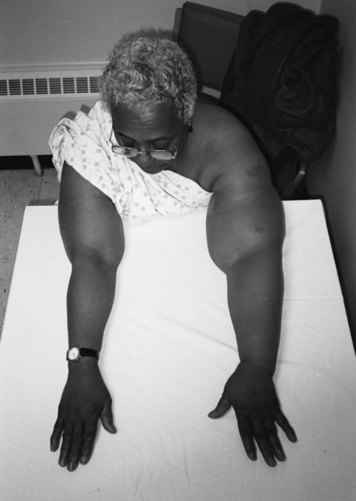
FIGURE 25-1 Lymphedema is swelling that results from the abnormal accumulation of protein-rich fluid. This condition is sometimes seen after lymph node removal or radiation treatment for breast cancer.
TABLE 25-4 OT Intervention Gems
| Problem | OT intervention option |
|---|---|
| Inability to reach lower extremities for dressing due to spinal metastasis or joint replacement surgery | |
| Limited use of one upper extremity for bathing, dressing, cooking tasks | |
| Anxiety or fear inhibiting patient’s attention/participation in therapy | |
| Increased susceptibility to infection; decreased immune response | |
| Upper extremity weakness | |
| Decreased endurance in ADL and IADL | |
| Fall history; risk of falls/fractures | |
| Shortness of breath, weakness in ADL | |
| Upper extremity lymphedema |
It is important for the COTA to collaborate with the OTR during the intervention process and modify or advance goals as the client progresses. However, if disease progression causes loss of function, the intervention goals may need to be modified to accommodate changing needs with additional adaptations. It can be empowering to the client to have the opportunity to make decisions about daily routines or activity adaptations, thus restoring a sense of control during a difficult time. Encouragement, reassurance, and effective communication with both the client and family members are essential in this process to ensure a therapeutic transition.
Following an intervention session with a 70-year-old patient with prostate cancer, Hannah realizes that his tolerance was limited and prevented the completion of the planned upper extremity Thera-Band exercises that had previously been used as an intervention. The patient’s medical record shows that he has completed his second course of chemotherapy and the prognosis is hopeful, but his level of physical tolerance has diminished in the last several days. Hannah discusses this with the OTR and together they modify the plan of care to include progressively more strenuous activities, working toward increasing his tolerance. They put together a written program beginning with sitting activities and eventually toward standing and then activities that include walking and carrying household items. They instruct the patient to follow the program at home and discuss how and when he can progress the activities on his own after discharge. Hannah also communicates the recommendation to the social worker for OT follow-up at home, which provides ongoing monitoring of the patient’s progress and strengthening after discharge.
Discharge Planning
Because of the current short length of stays in hospitals and the push for early discharge, the process of discharge planning begins at the time of evaluation and continues with each subsequent OT intervention session. There should be an ongoing discussion with the elders, their families, and the multidisciplinary team members about the client’s abilities, need for assistance, and recommendations for post-acute rehabilitation, discharge, or home health care follow-up. It is helpful to have a multidisciplinary team meeting to discuss the client’s progress and for the care team to effectively communicate to one another concerns or issues that may need to be addressed before discharge. The COTA should anticipate home equipment needs of the elder and with the elder, family, and durable medical equipment (DME) provider to ensure that important equipment is in place for the client’s safety at home. Provision of any needed equipment should include thorough instructions by the COTA to both the client and caregiver on the setup, use, and care of the equipment. If a caregiver will be needed to assist the elder with any daily activities, practice of the caregiver in the task, such as bathing or transfers, is helpful during a therapy session before discharge. Referral to home health OT services may be made to ensure a seamless transition to home, providing the family and client with supervised instruction within their own home. Strengthening programs may be used, and adaptations of the home environment should be recommended as needed to improve safety of the elder.
Case Study
At the end of the day, Hannah has one more patient to work with. Carol is a 68-year-old woman who was diagnosed with small cell carcinoma of the lung one month ago. At that time, she underwent left lower lung lobectomy for removal of the primary tumor and has been recovering well from that surgery, although she continues to have shortness of breath with exertion in activities. She has now been re-admitted to the hospital with left sided weakness and behavior changes as reported by her husband, including poor attention span and occasional impaired judgment. An MRI scan of the brain reveals a right hemispheric lesion, and a stereotactic brain biopsy shows it to be a metastatic lesion secondary to the primary lung cancer. Carol has begun radiation therapy treatments to the brain, and her oncologist has ordered “OT to evaluate and treat as indicated.”
During the OT assessment, the OTR and Hannah learned that Carol and her husband live in a two-story home. The master bedroom and bath are on the second floor, although there is a guest bedroom and bath on the main level. Before her illness, Carol had been the primary cook and housekeeper. She had also maintained the family finances while her husband managed the yard, was the primary driver, and worked part-time as a consultant for a non-profit agency. During the brief time she was home after her initial lung surgery, Carol fell once while getting out of the shower. Fortunately, she was not injured. She had continued to perform her own self-care tasks, but with increasing difficulty because of recent one-sided weakness on her dominant left side. Her husband had begun to assist her with her daily activities intermittently. She had been walking without an assistive device.
A functional sensorimotor assessment of Carol’s upper extremities shows that her right upper extremity function is within functional limits with both strength and active range of motion (AROM). Her left upper extremity appears to have 3+/5 muscle strength throughout with AROM within functional limits. Sensation appears intact, but mild left neglect is present during functional activities. During toileting and shower transfers, Carol moves impulsively and has two episodes of loss of balance during which she catches herself, preventing a fall. During a discussion of this, Carol denies any imbalance, stating she really “does just fine.” She also denies any previous falls at home. During the evaluation of her ADL performance, Carol exhibits increased shortness of breath, requiring frequent rest periods. However, she is able to maintain her blood oxygen saturation level above 90% without additional oxygen throughout the tasks. She requires minimal assistance for dressing and bathing because of decreased left upper extremity strength and increased fatigue. She is very anxious to return home with her husband and is cooperative but minimizes the need for therapy.
Case Study Questions
1. In the previous case study, identify daily occupations that Hannah should include in the OT intervention to help with improving Carol’s independence and endurance.
2. What adaptations could be incorporated in the bathroom to improve Carol’s safety at home while bathing, toileting, and performing grooming tasks?
3. What techniques could be used to maximize Carol’s independence and tolerance to her daily occupations and leisure activities at home?
4. What instructions and/or suggestions need to be provided to Carol and her husband to help prevent falls in the future? Are there any suggestions related to the home architecture to consider?
5. How can Hannah assist Carol and her husband in modification of their roles at home to allow Carol to maintain a contributory family role now and in the future?
6. What needs of Carol’s should Hannah communicate to the other team members during discharge planning to ease the transition from hospital to home?
7. What other special considerations in intervention apply to Carol?
1. What types of precautions should a COTA use when working with an elder who has prostate cancer with bone metastasis to his spine?
2. What should a COTA suggest to help an elder female who has recently lost her hair from chemotherapy?
3. If cancer-related fatigue is preventing an elder from performing his own bathing without assistance, what approaches could be used to improve his independence?
4. What information should a COTA gather before treating the elder with cancer?
5. Why is the elder’s participation in daily activities important in achieving the OT intervention goals?
6. What is the ultimate goal of OT intervention with an elder who has cancer?
7. What approaches can the COTA use to help the elder who is experiencing anxiety, depression, or fear of the unknown?
8. At what point in the intervention process should the COTA be contributing to the discharge process with the other team members?
1 Horner M., Ries L., Krapcho M., Neyman N., Aminou R., Howlader N., et al, editors. Seer cancer statistics review, 1975-2006. Bethesda, MD: National Cancer Institute, 2009. http://seer.cancer.gov/csr/1975-2006/. based on November 2008 SEER data submission, posted to the SEER website
2 U.S. Department of Health and Human Services. Administration on aging: A profile of older Americans. URL http://www.aoa.dhhs.gov, 2005.
3 American Cancer Society. Cancer facts and figures. Atlanta, GA: Society; 2008.
4 Jemal A., Thun M., Ries L., Howe H., Weir H., Center M., et al. Annual report to the nation on the status of cancer, 1975-2005, featuring trends in lung. Journal of the National Cancer Institute. 2008;100(23):1672-1694.
5 American Lung Association. Lung cancer. American Lung Association Lung Disease Data:, 2008. [URL page] www.lungusa.org, 2008.
6 National Cancer Institute, 2009. What you need to know about lung cancer. Washington, D.C.: U.S. Department of Health and Human Services / National Institutes of Health.
7 McArthur H., Hudis C. Adjuvant chemotherapy for early-stage breast cancer. Hematology/Oncology Clinics of North America. 2007;21(2):207-222.
8 U.S. Census Bureau. Table 3. Percent distribution of the projected population by selected age groups and sex for the United States: 2010 to 2050 (NP2008-T3). http://www.census.gov/population/index.html, 2008. Source: Population Division, U.S. Census Bureau
9 Dittus K., Muss H. Management of the frail elderly with breast cancer. Oncology (Williston Park). 2007;21(14):1727-1734.
10 Chan J., Feraco A., Shuman M., Hernandez-Diaz S. The epidemiology of prostate cancer—with a focus on nonsteroidal anti-inflammatory drugs. Hematology/Oncology Clinics of North America. 2006;20(4):797-809.
11 Amemiya T., Oda K., Ando M., Kawamura T., Kitagawa Y., Okawa Y., et al. Activities of daily living and quality of life of elderly patients after elective surgery for gastric and colorectal cancers. Annals of Surgery. 2007;246(2):222-228.
12 Berger, N.A., Savvides, P., Koroukian, S.M., Kahana, E.F., Deimling, G.T., Rose, J.H., et al. Cancer in the elderly. Transactions of the American Climatological Association. 2006;117:147-156.
13 Nguyen T., Abrey L. Brain metastases: Old problem, new strategies. Hematology/Oncology Clinics of North America. 2007;21(2):369-388.
14 Rodin M.B., Mohile S.G. A practical approach to geriatric assessment in oncology. Journal of Clinical Oncology. 2007;25(14):1936-1944. 10
15 Gosney M.A. Clinical assessment of elderly people with cancer. Lancet Oncology. 2005;6(10):790-797.
16 Visovsky C. The effects of neuromuscular alterations in elders with cancer. Seminars in Oncology Nursing. 2006;22(1):36-42.
17 Mell L., Mundt A. Radiation therapy in the elderly. Cancer Journal. 2005;11(6):495-505.
18 Luctkar-Flude M., Groll D., Tranmer J., et al. Fatigue and physical activity in older adults with cancer. Cancer Nursing. 2007;30(5):E35-E45.
19 Meier A., Lyons E., Frydman G., Forlenza M., Rimer, Barbara K. How cancer survivors provide support on cancer-related Internet mailing lists. Journal of Medical Internet Research. 2007;9(2):e12.
20 Luciani A., Jacobsen P., Extermann M., et al. Fatigue and functional dependence in older cancer patients. American Journal of Clinical Oncology. 2008;31(5):424-430.
21 Kealey P., McIntyre I. An evaluation of the domiciliary occupational therapy service in palliative cancer care in a community trust: A patient and carers perspective. European Journal of Cancer Care (Engl). 2005;14(3):232-243.
22 American Occupational Therapy Association. Occupational therapy practice framework: Domain and process, 2nd ed. American Journal of Occupational Therapy. 2008;62(6):625-683.
23 Rao S.S. Prevention of falls in older patients. Am Fam Physician. 2005;72(1):81-88.
24 Vockins H. Occupational therapy intervention with patients with breast cancer: A survey. European Journal of Cancer Care (Engl). 2004;13(1):45-52.