Integumentary Care Plans
Burns
Partial Thickness Skin Loss; Full Thickness Skin Loss
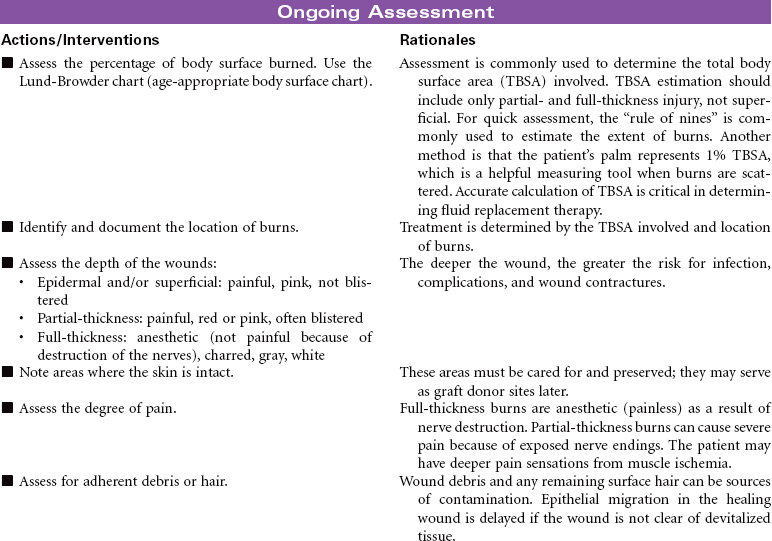
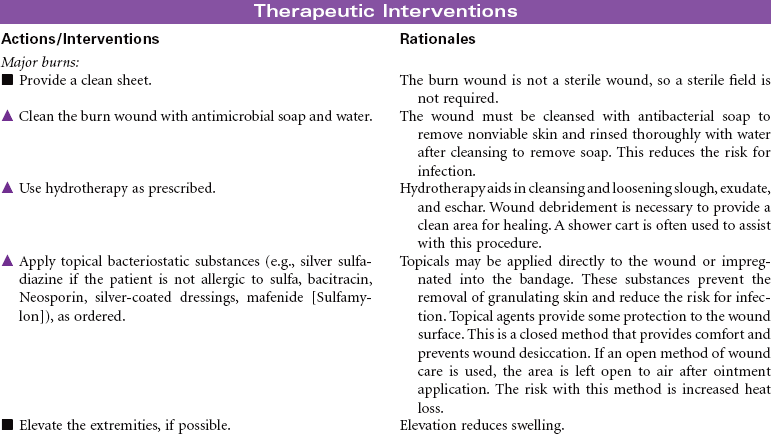
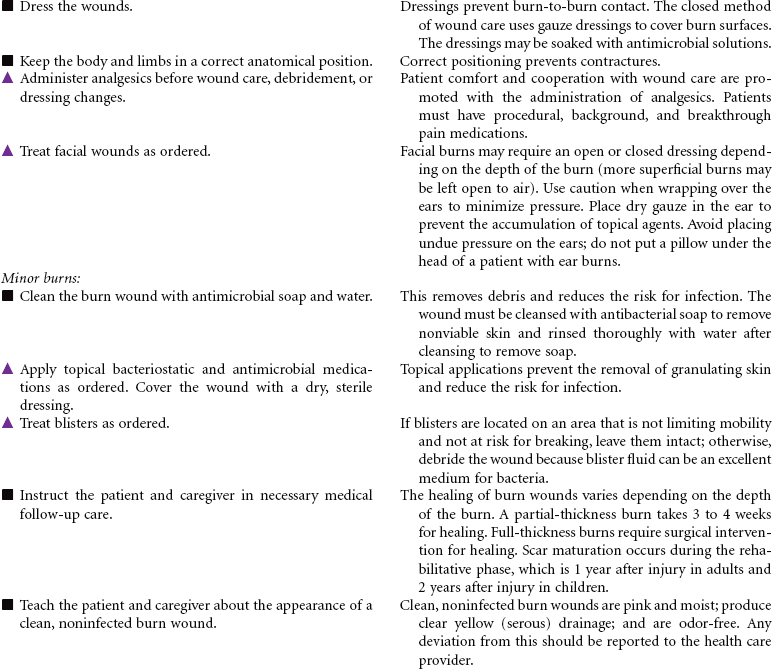
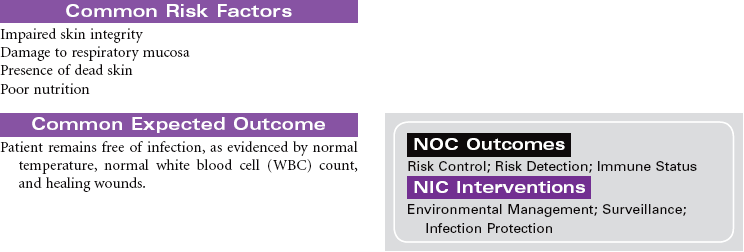
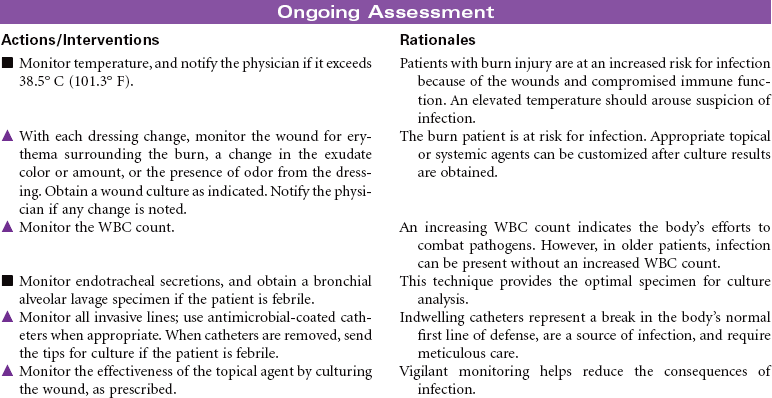
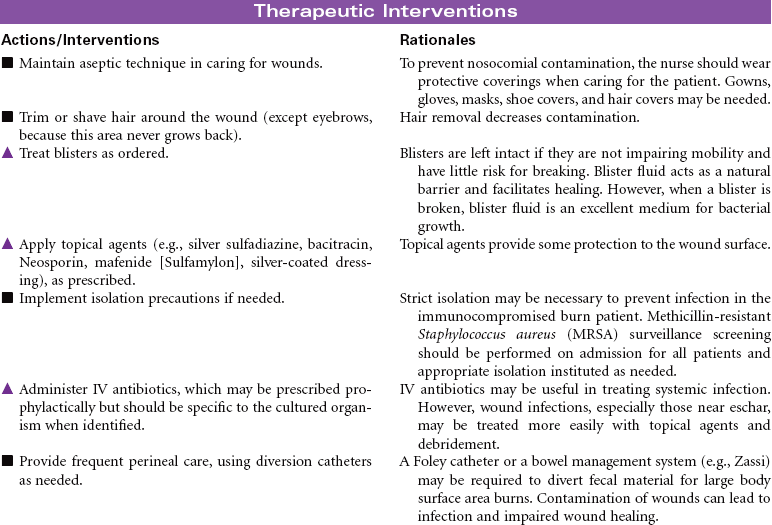
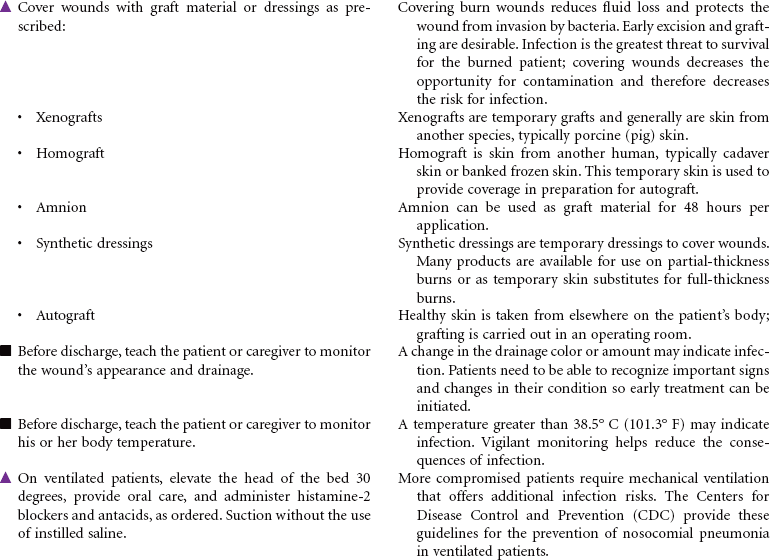
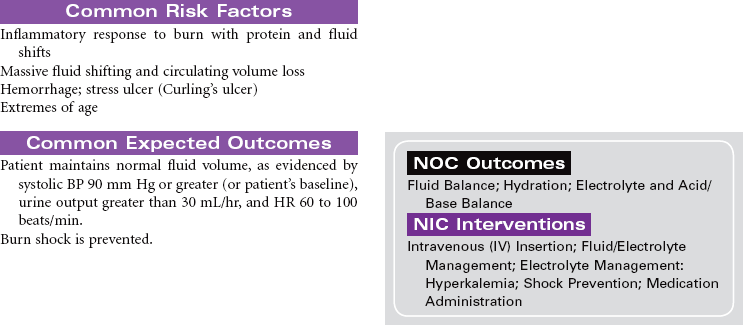
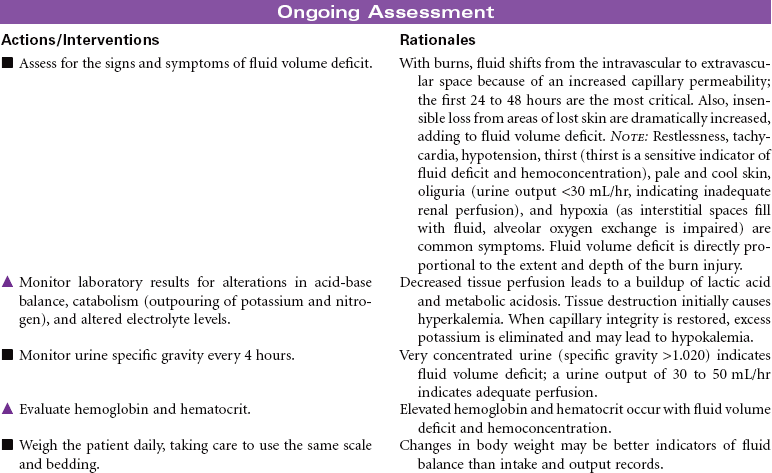
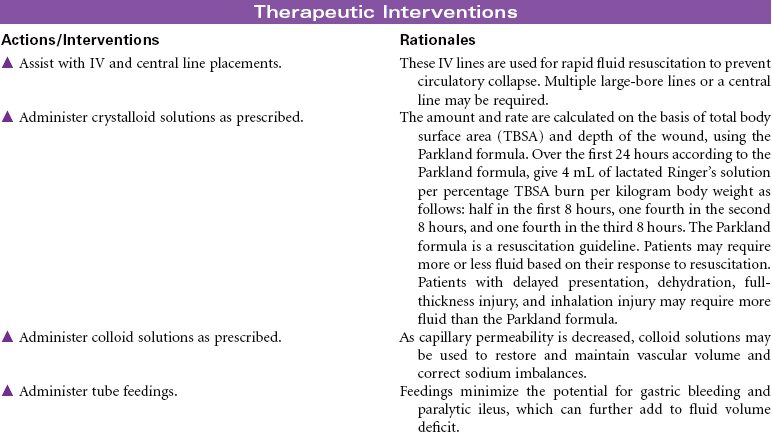
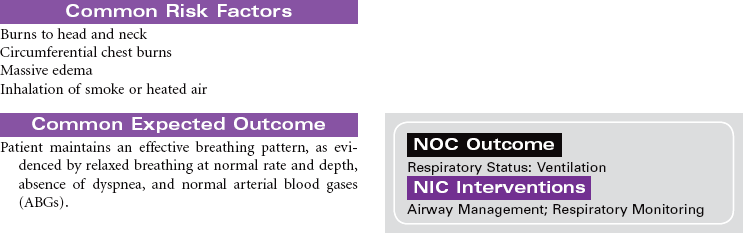
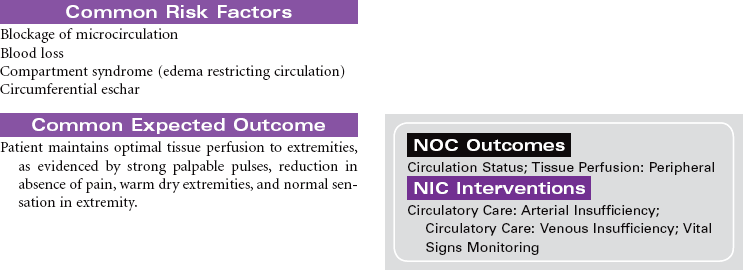
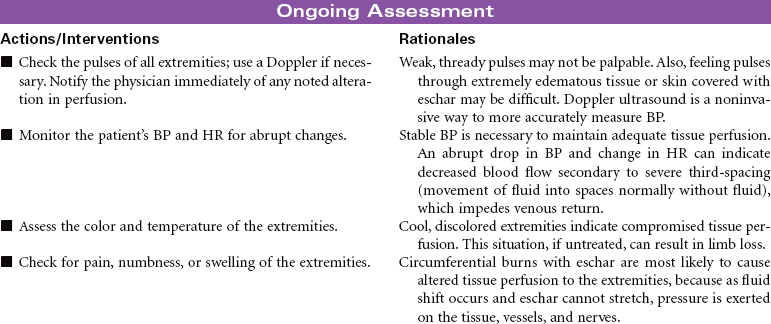
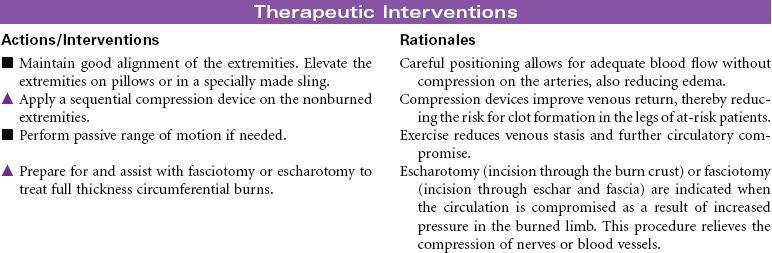
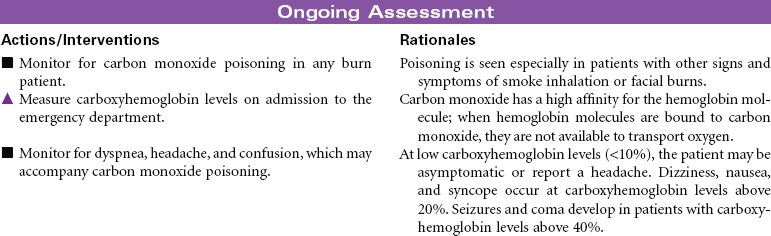
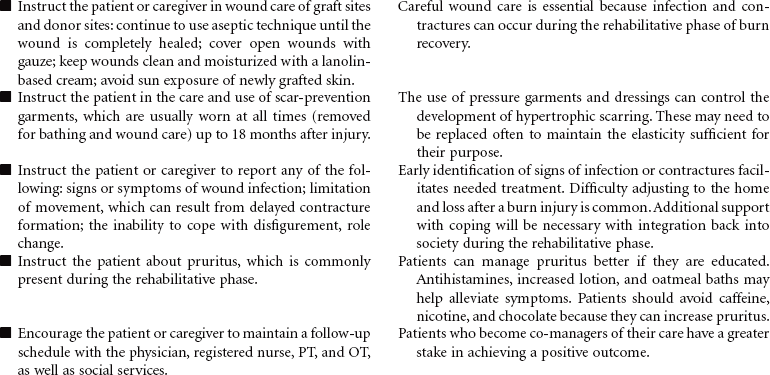
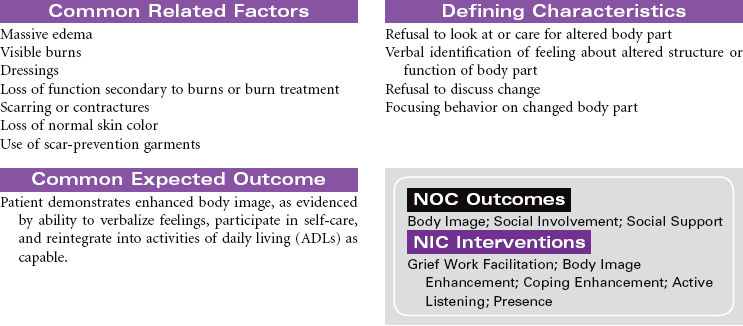
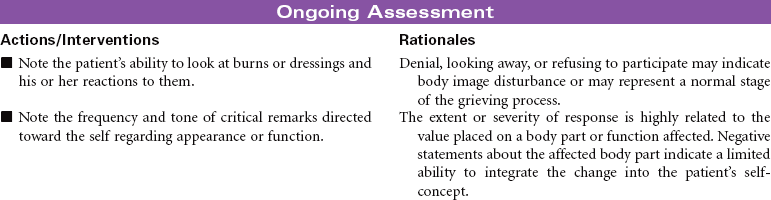
Although the incidence of burn injury is on the decline, more than 500,000 burns still occur in the United States annually. Half of these require hospitalization in one of the specialized burn centers across the country. Thirty-five percent of all burn injuries occur in children. Mortality has improved over the years because of Advanced Burn Life Support, regional burn care, and early excision; overall mortality is approximately 6%. The most common mechanism of injury is thermal, which can be from a flame, scald, or direct contact, but injuries also present because of chemical, electrical, and radiation sources. The pediatric and geriatric populations are most vulnerable because of integumentary and immunological risks. Burn care ranges from major to minor, and care ranges from the emergent through the rehabilitative phase of injury.
 Impaired Skin Integrity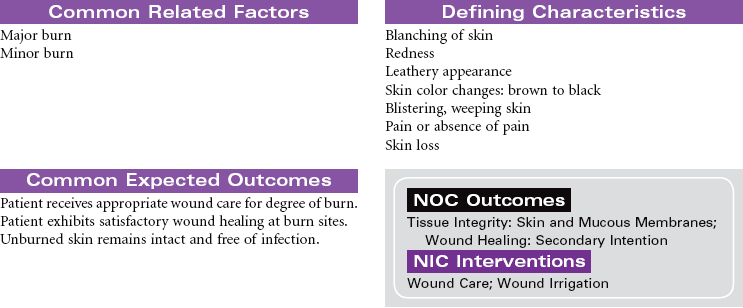








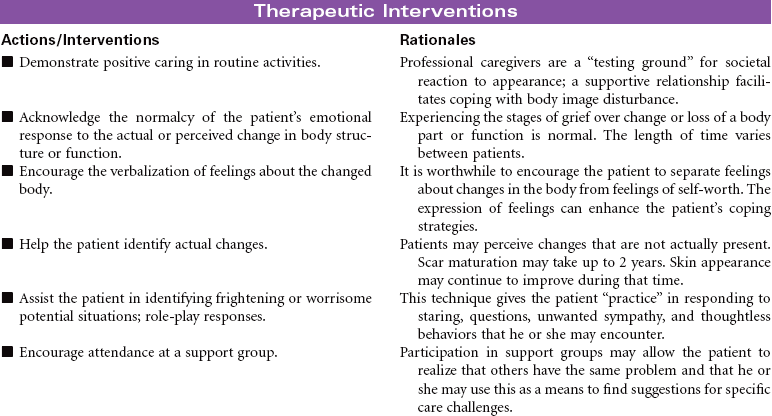
Pressure Ulcers (Impaired Skin Integrity)
Pressure Sores; Decubitus Ulcers; Bedsores
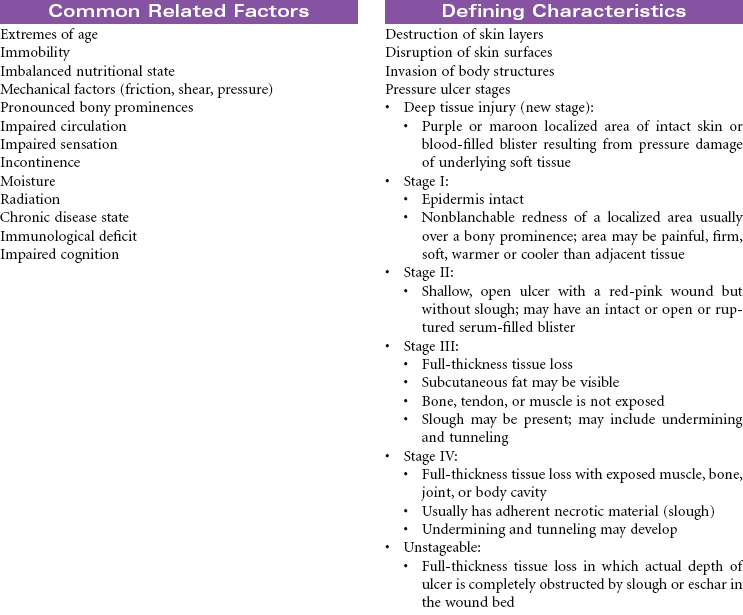
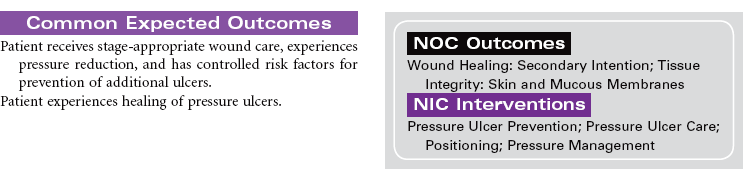
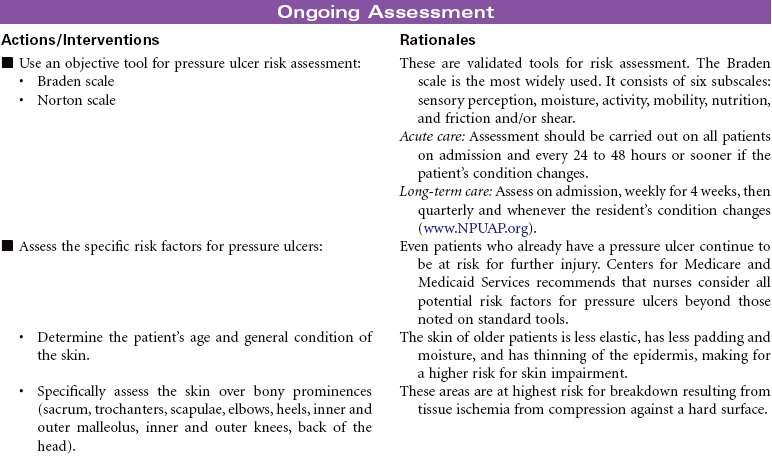
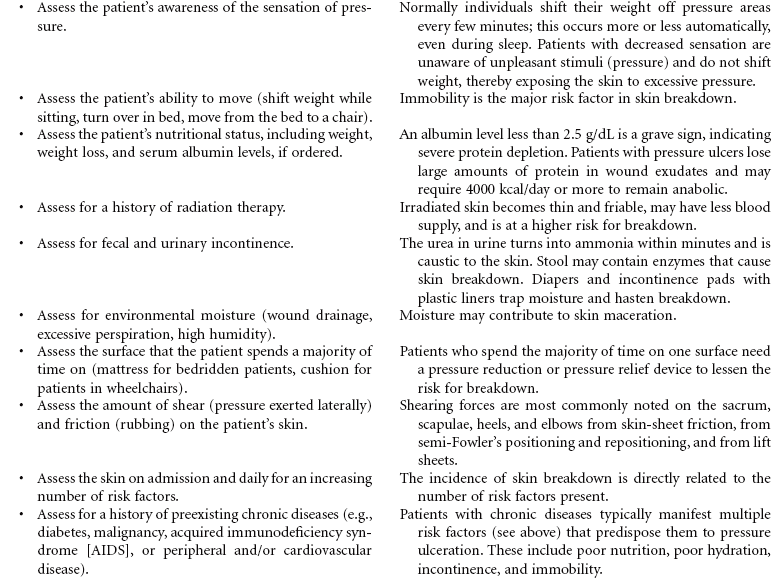
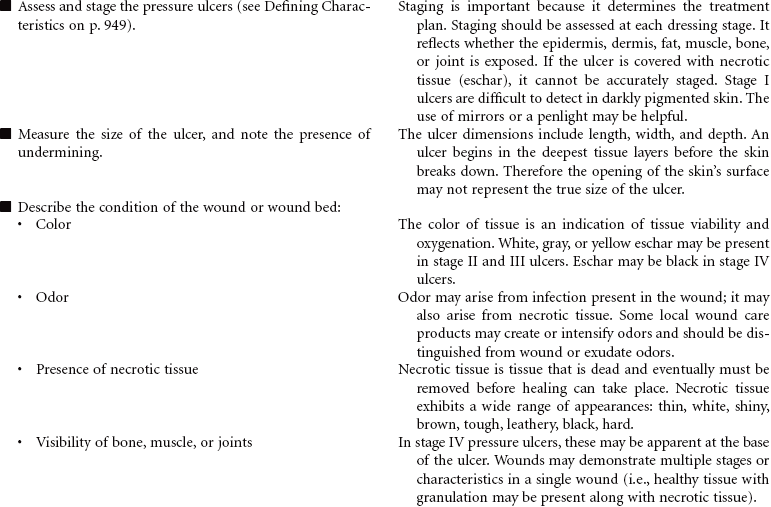
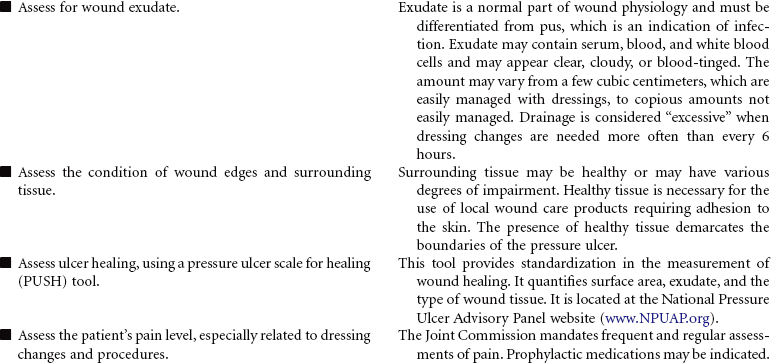
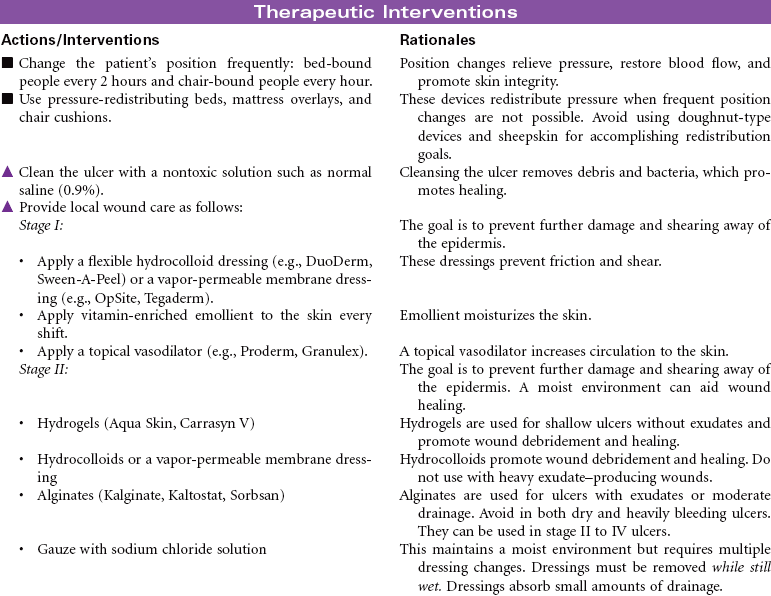
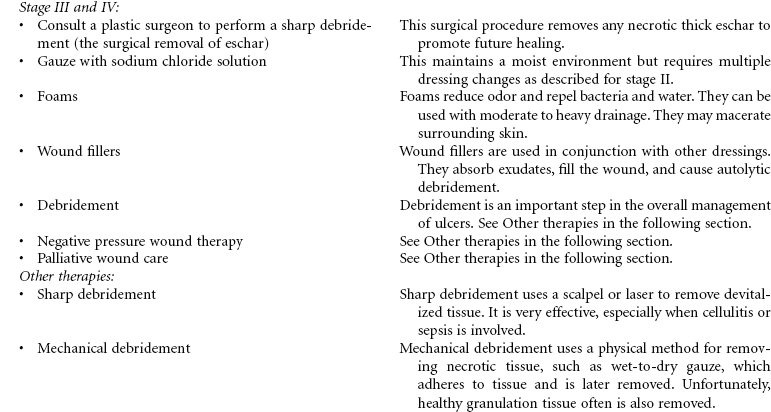
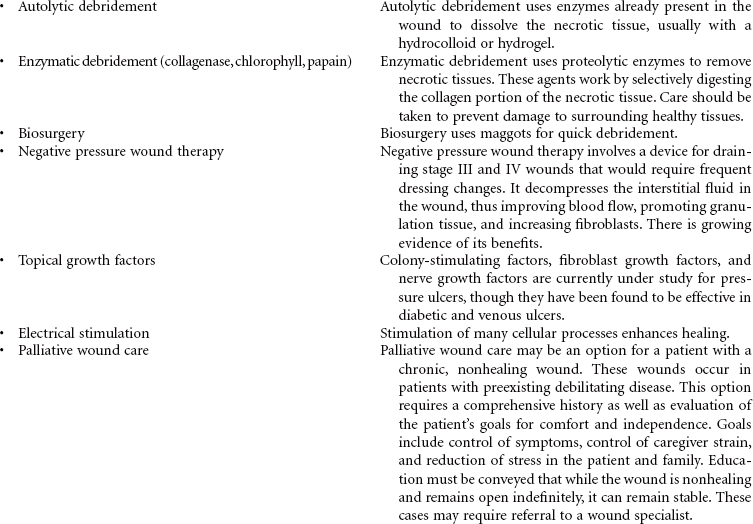
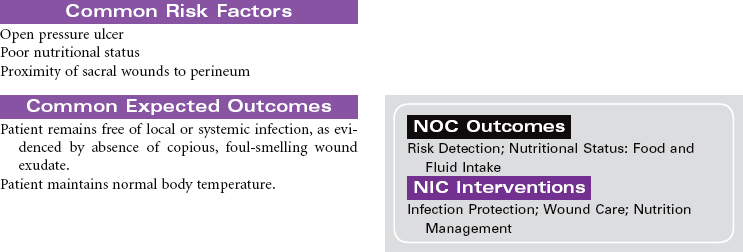
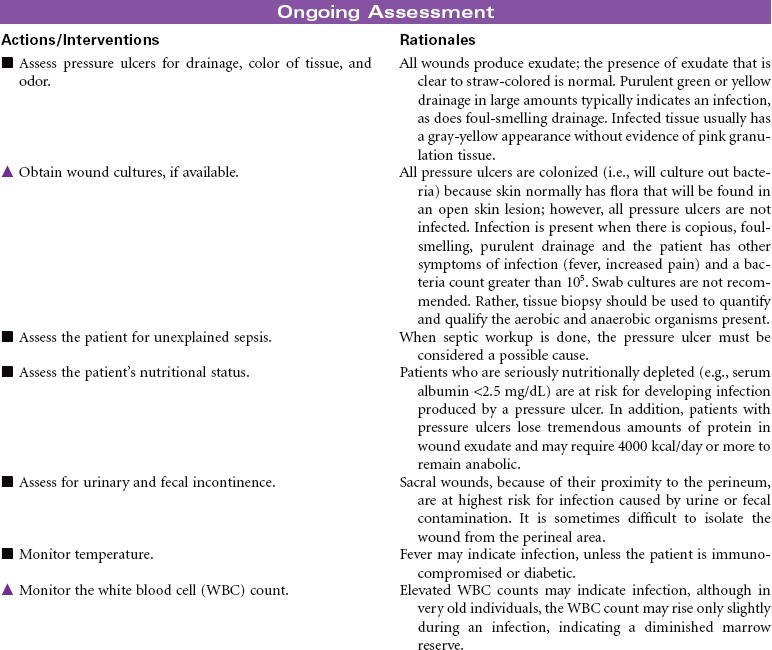
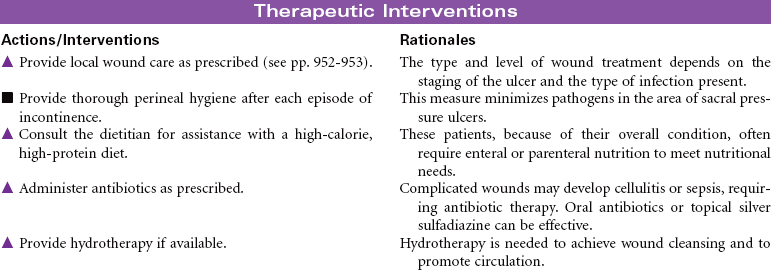
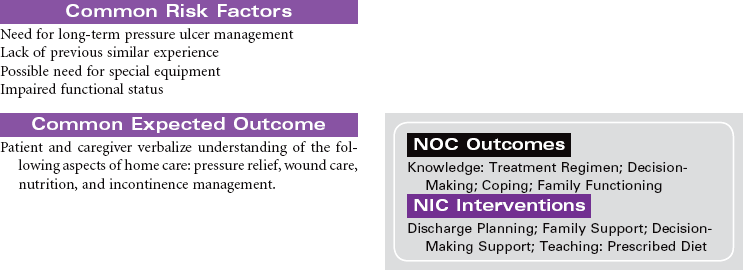
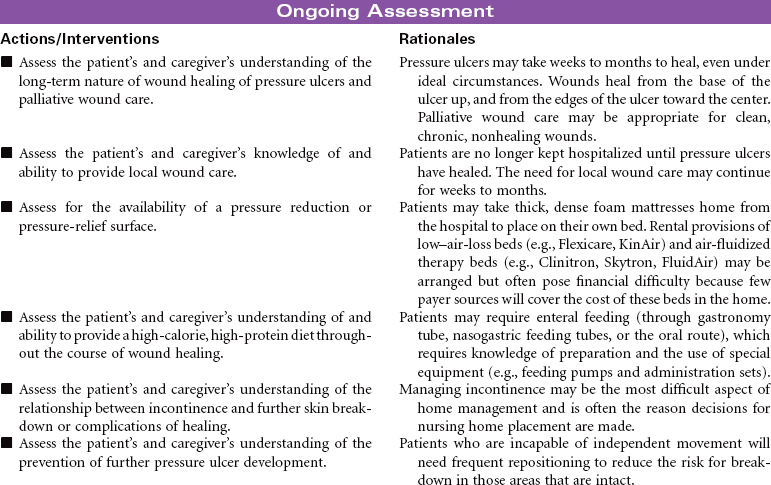
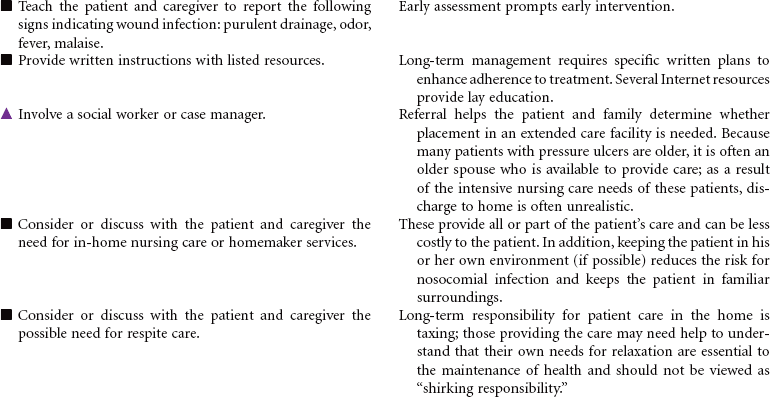
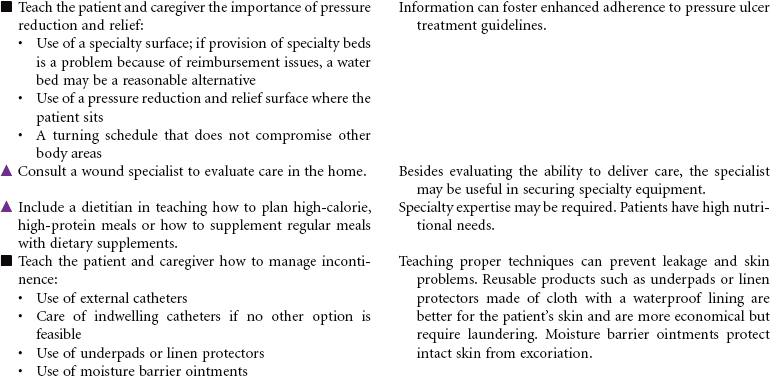
Pressure ulcers are a major health problem. Nurses play a key role in prevention and successful treatment. The National Pressure Ulcer Advisory Panel defines pressure ulcer as “a localized injury to the skin and/or underlying tissue usually over a bony prominence, as a result of pressure or pressure in combination with shear and/or friction.” Prolonged pressure occurs when tissue is between a bony prominence and a hard surface such as a mattress. The pressure compresses small blood vessels and leads to ineffective tissue perfusion. Loss of perfusion causes tissue hypoxia and eventually cellular death. In addition to prolonged pressure, friction and shearing force contribute to the development of pressure ulcers. These forces are present when a patient slides down in bed and is pulled up against the surface of the mattress. Pressure ulcers are usually staged to classify the degree of tissue damage observed.* Pressure ulcers stage I through III can heal with aggressive local wound treatment and proper nutritional support; stage IV pressure ulcers often require surgical intervention (e.g., flap closure, plastic surgery). Pressure ulcers affect persons, regardless of age, who are immobile, are malnourished, or have contributing conditions (e.g., incontinence, decreased level of consciousness). Wound care remains a challenge for nurses and the health care team. More research in wound healing is needed. This care plan is based on recommendations from the National Pressure Ulcer Advisory Panel, the National Guideline Clearinghouse, and the Agency for Healthcare Research and Quality Pressure Ulcer Prevention Guidelines. This care plan addresses care issues in hospital, long-term care, or home settings.


Psoriasis
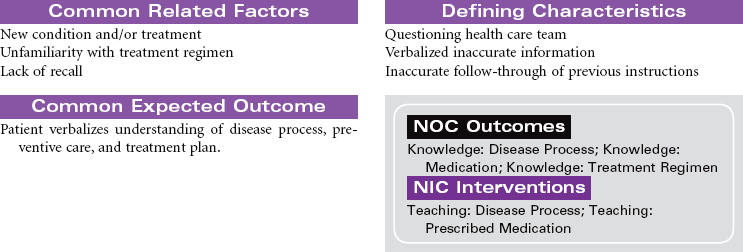
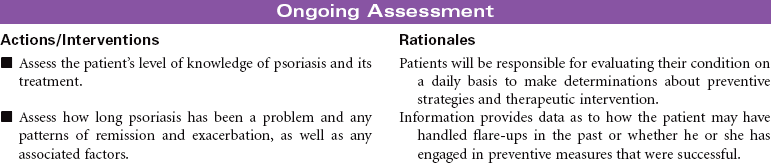
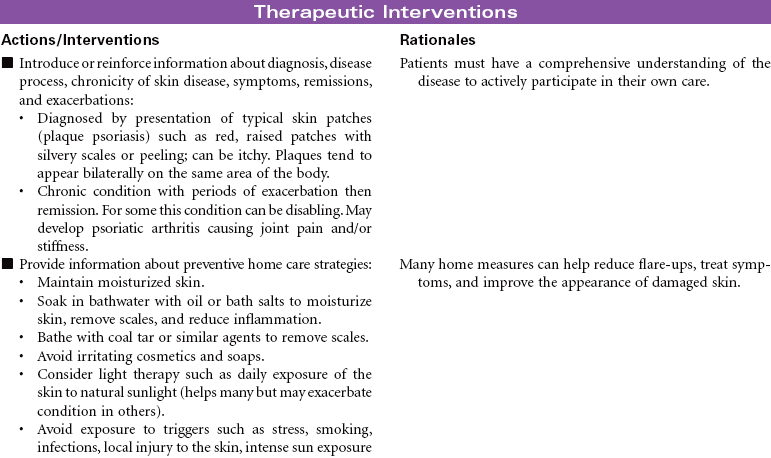
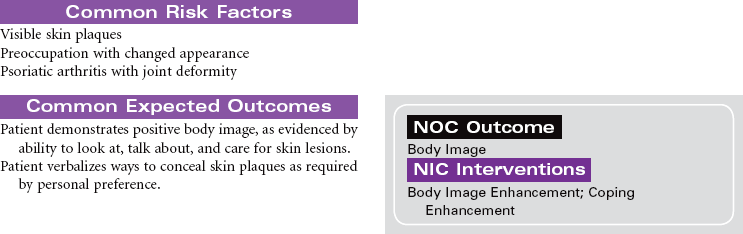
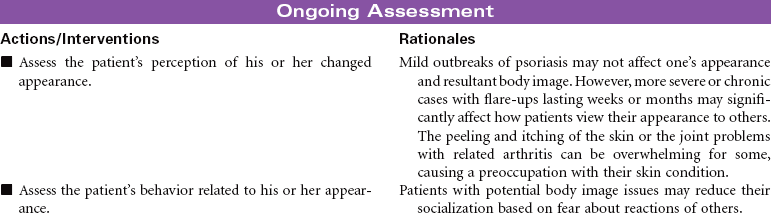
Psoriasis is a noninfectious common inflammatory skin disorder that results in an overproduction of epidermal cells that are evident as red, dry, itchy patches of thickened skin that may be associated with silvery scales. Symptoms vary from person to person. Patches are usually found on the arms, legs, trunk, or scalp but can occur anywhere, most commonly on the knees or elbows and usually in a symmetrical, bilateral pattern. Although the specific cause is not known, it seems to be related to an immunological process in which T cells malfunction, causing increased production of both normal skin cells and T cells that compete for space. The newly formed cells are shunted to the outer layer of skin while the older cells have yet to be removed. These combinations result in accumulation of thick patches on the skin’s surface. Specific triggers have been identified, including infections, stress, injury to the skin, smoking, and cold weather.
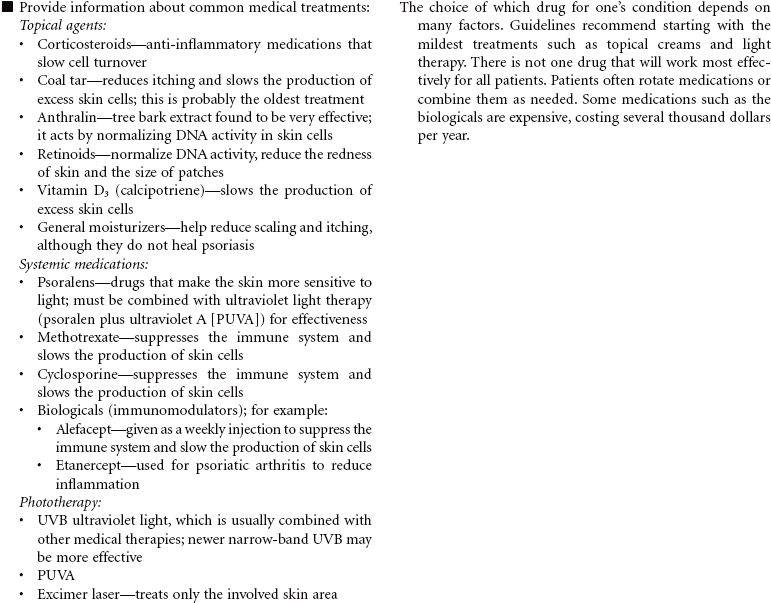
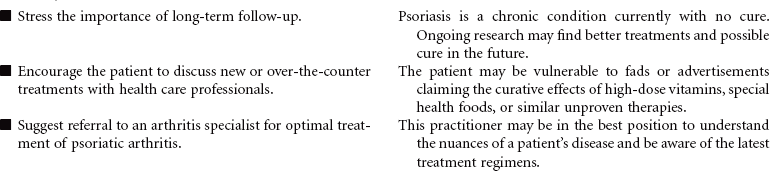
Psoriasis is a chronic disease for which most people experience recurrent periods of flare-ups and remissions. There is no cure, but for most individuals the symptoms are more of an inconvenience; however, the more severe cases can be disabling when associated with psoriatic arthritis. Treatment is geared to disrupting the overproduction of cells and removing the dry scales to smoothen the skin. Therapy consists of combinations of topical medications, light therapy, and a variety of oral medications. This care plan focuses on nursing care in the outpatient setting.

Shingles
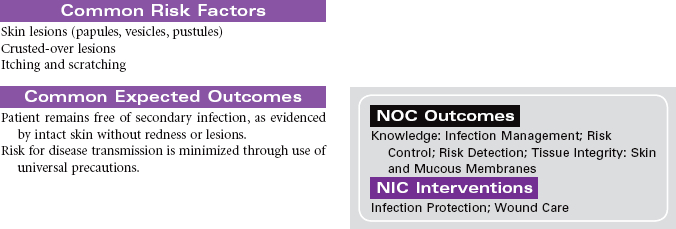
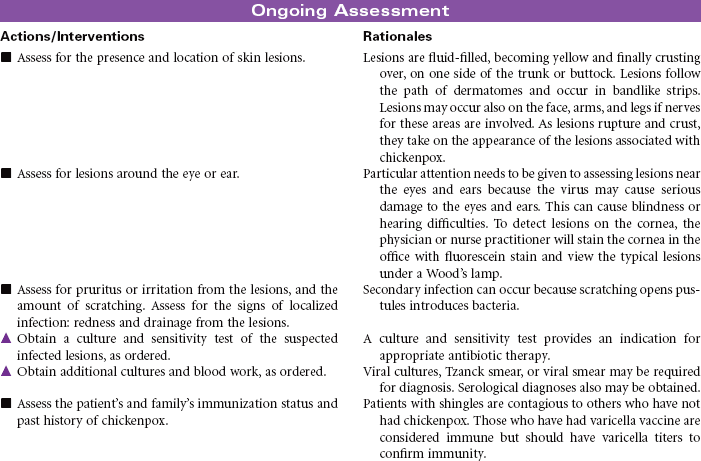
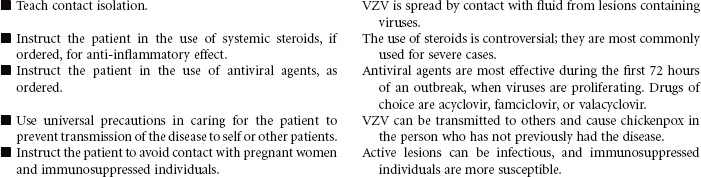
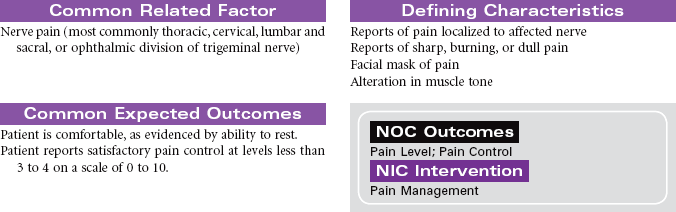
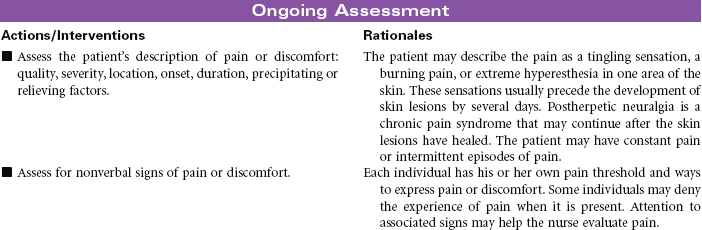
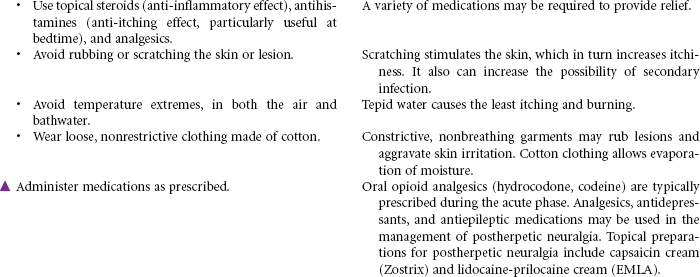
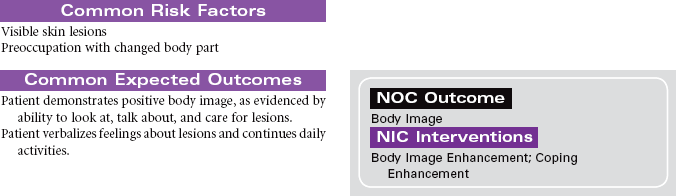
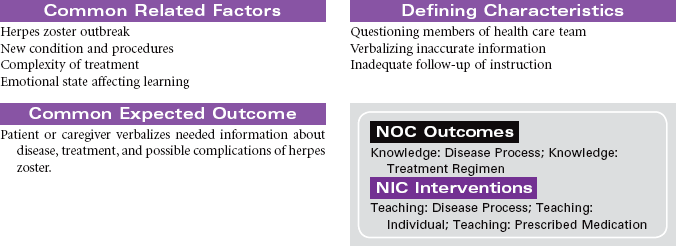
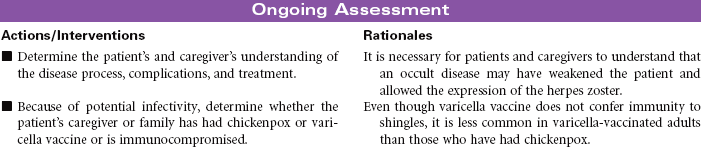
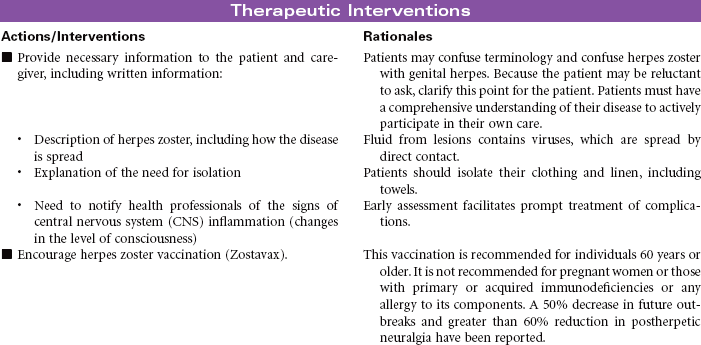
After chickenpox infection, the varicella zoster virus (VZV) lies dormant in the ganglia of the spinal nerve tracts. Shingles is an infectious viral condition caused by a reactivation of this latent VZV. Reactivation usually occurs in individuals with impaired immunity; it is common among older adults. Approximately 20% of people who have had chickenpox will develop herpes zoster. VZV produces painful vesicular eruptions along the peripheral distribution of nerves from posterior ganglia and is usually unilateral and characteristically occurs in a linear distribution, abruptly stopping at the midline both posteriorly and anteriorly. Although VZV typically affects the trunk of the body, the virus may also be noted on the buttocks or face. With facial involvement there is concern about involvement of the eye and cornea, potentially resulting in permanent loss of vision. Secondary infection resulting from scratching the lesions is common. An individual with an outbreak of VZV is infectious for the first 2 to 3 days after eruption. The incubation period ranges from 7 to 21 days. The total course of the disease is 10 days to 5 weeks from onset to full recovery. Some individuals may experience painful postherpetic neuralgia long after the lesions heal. Shingles is characterized by burning, pain, and neuralgia. VZV infection can lead to central nervous system (CNS) involvement; pneumonia develops in about 15% of cases. This disease is routinely treated on an outpatient basis unless CNS involvement or pneumonia occurs. A herpes zoster vaccination is now available for older adults.




Skin Cancer
Basal Cell Carcinoma; Squamous Cell Carcinoma; Malignant Melanoma
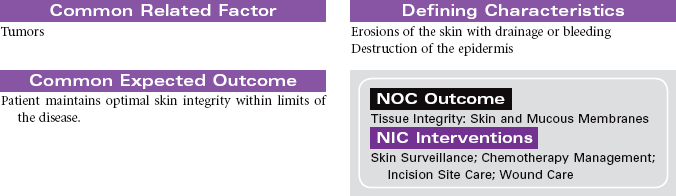
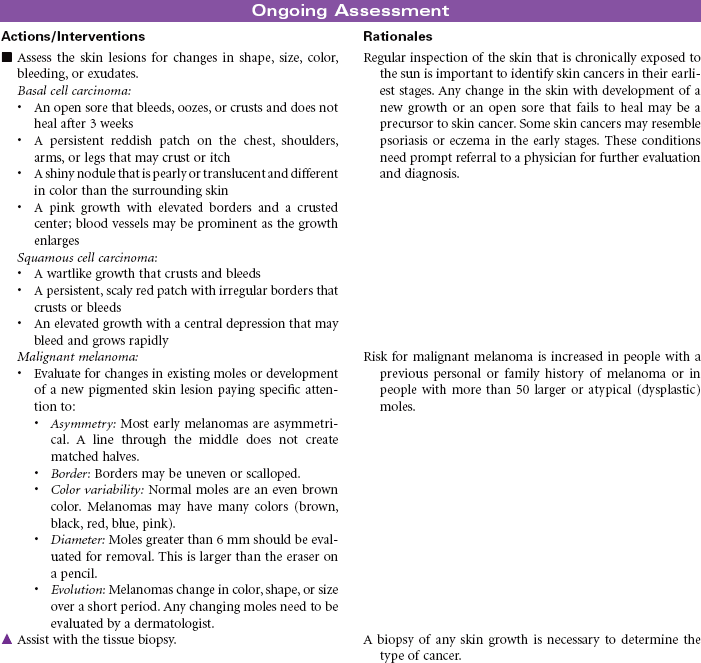
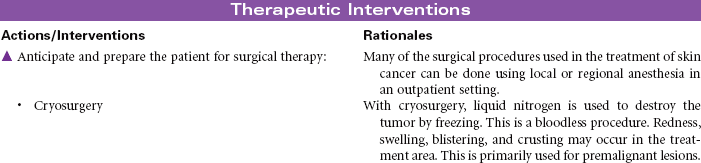
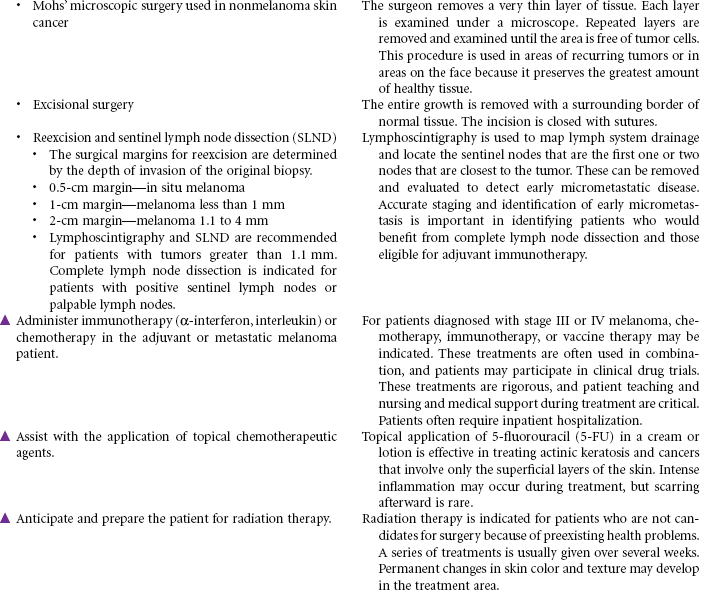
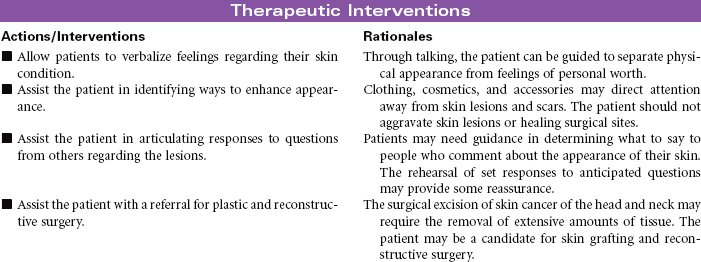
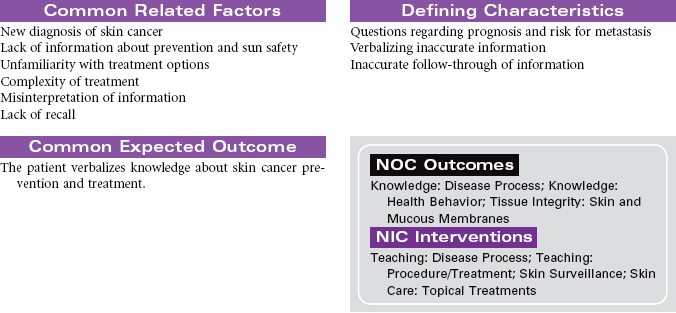
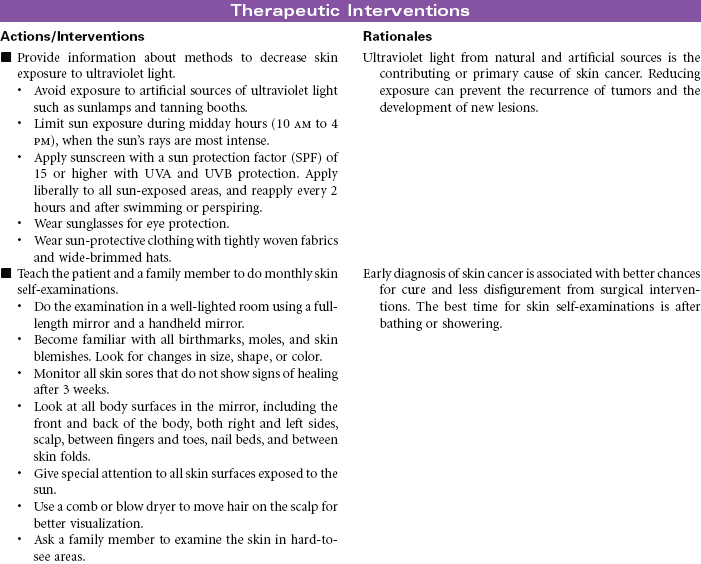
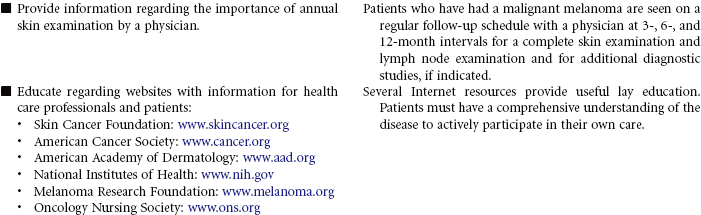
Tumors of the skin may be benign, premalignant, or malignant. Malignant tumors are categorized as either nonmelanoma cancers (basal cell carcinoma and squamous cell carcinoma) or melanoma. Prolonged exposure to sunlight is the primary cause of all forms of skin cancer. It has been estimated that more than 1 million cases of skin cancer are diagnosed each year. Basal cell carcinoma is the most common form of skin cancer, followed by squamous cell cancer. Both of these forms of skin cancer can be cured with early detection and intervention. They rarely metastasize to other parts of the body. Malignant melanoma is the most serious form of skin cancer and is ranked as the seventh most common cancer in the United States. It is estimated that 1 in 50 people will develop melanoma in their lifetime. The risk for melanoma has quadrupled in the last 25 years. The 5-year localized survival rate is 98%, and the overall 5-year survival rate is 91%. Melanomas can metastasize to regional lymph nodes or to visceral organs if not diagnosed in the early stages. Premalignant skin conditions include actinic keratosis, solar keratosis, and actinic cheilitis. Most premalignant lesions later develop into squamous cell carcinoma. Actinic keratosis occurs most often in older adults. The skin lesions are usually rough, scaly raised growths that range in color from brown to red. The lesions of actinic cheilitis occur on the lower lip, causing dryness, and scaling.

 = Independent
  = Collaborative
 For additional care plans, go to
 Dermatitis
Contact Dermatitis; Atopic Dermatitis (Eczema)
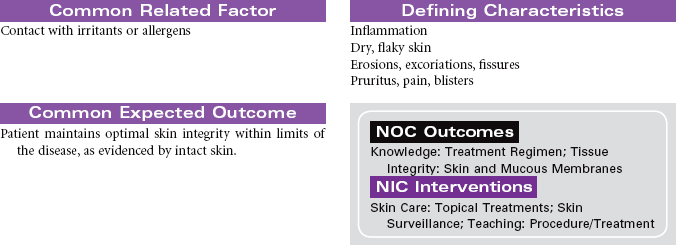
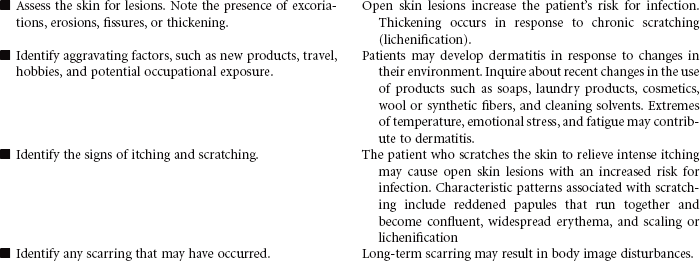
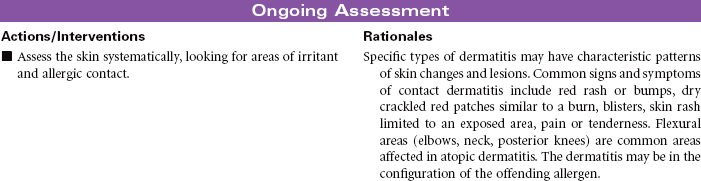
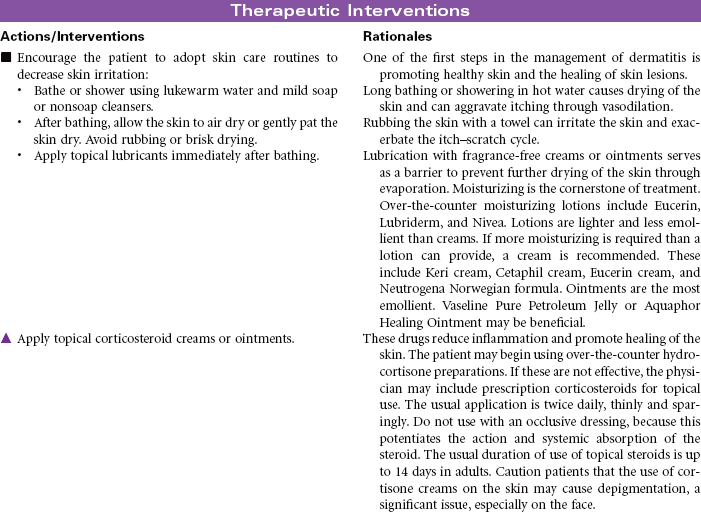
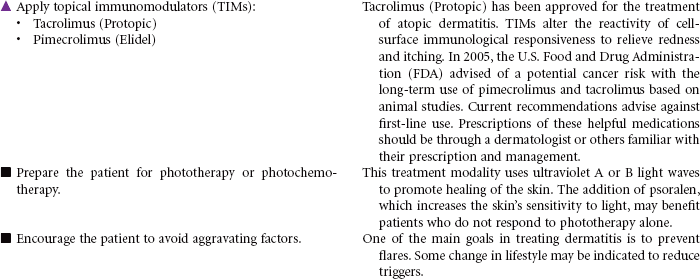
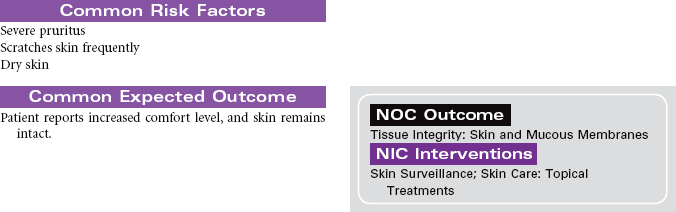
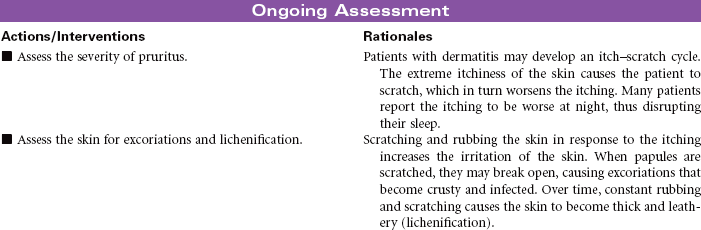
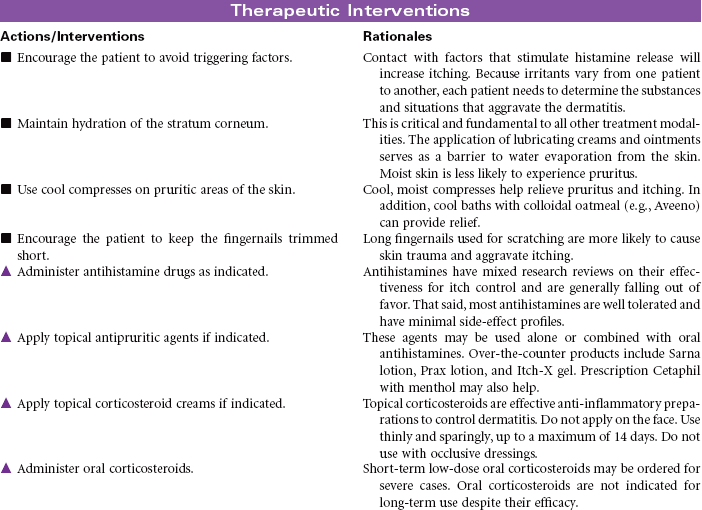
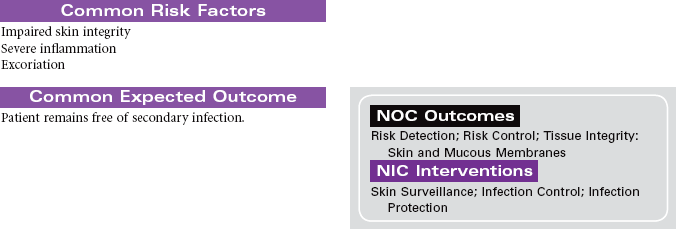
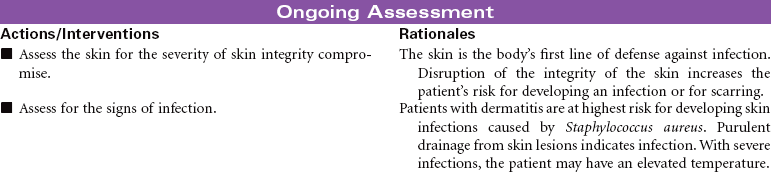
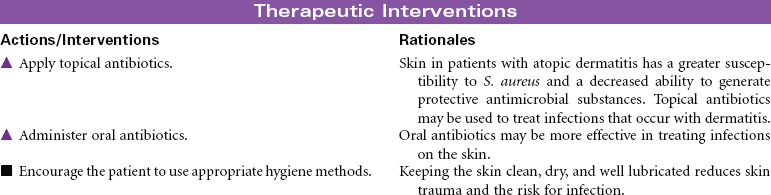
Dermatitis is a descriptive term used for a group of diseases characterized by inflammation of the skin, with pruritus, redness, and various skin lesions. All dermatitis involves the disruption of the epidermal barrier in the skin, allowing penetration of the offending trigger with subsequent activation of the inflammatory response. There are two broad categories of dermatitis: contact and atopic. Contact dermatitis is a generic term for a rash that occurs from an acute or chronic localized inflammatory reaction from substances that come in contact with the skin. Contact dermatitis is subdivided into irritant or allergic. Irritant contact dermatitis is a localized reaction to outside agents such as chemicals, cleaning agents, or cold air. Allergic contact dermatitis is a reaction to an allergen, which elicits an immunoglobulin (Ig) E–mediated hypersensitivity reaction. Poison ivy is an example of this type of reaction. In episodes of allergic contact dermatitis, such as exposure to poison ivy or nickel, several features are key. It is usually pruritic and carries the configuration of the offending allergen such as a linear pattern in poison ivy or oak, or a linear pattern around the neck from a new piece of jewelry containing nickel. The reaction may be delayed and occur hours after the exposure. Atopic dermatitis, also known as eczema, has been associated with a personal or family history of atopy such as atopic dermatitis, asthma, hay fever, or allergic rhinitis. This form of dermatitis occurs most often in infants and children. Initial adult onset of atopic dermatitis is rare.
Plastic Surgery for Wound Closure
Skin Grafts; Flap Closure; Myocutaneous Flap
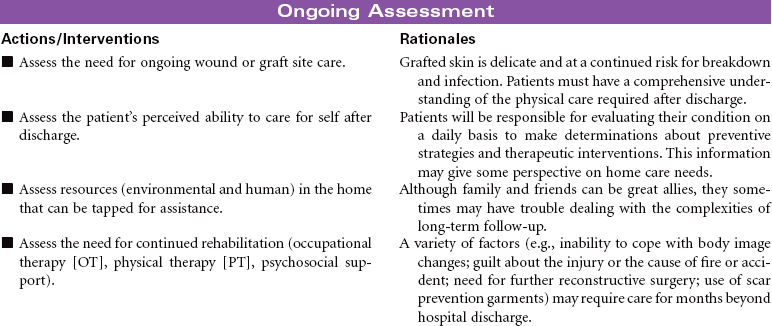
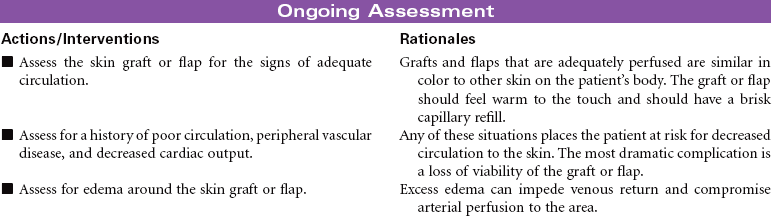
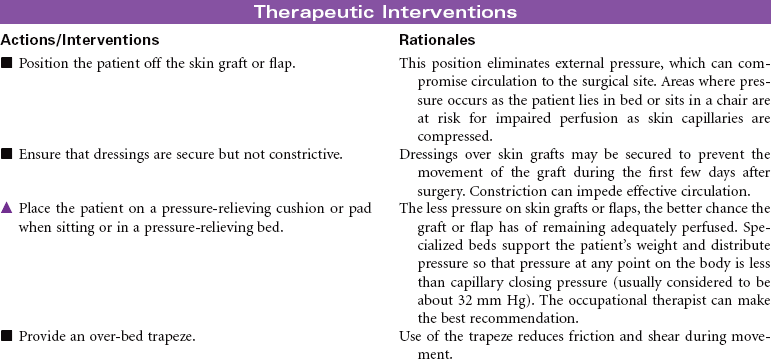
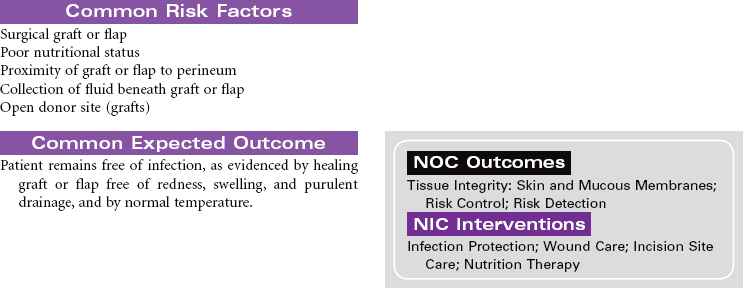
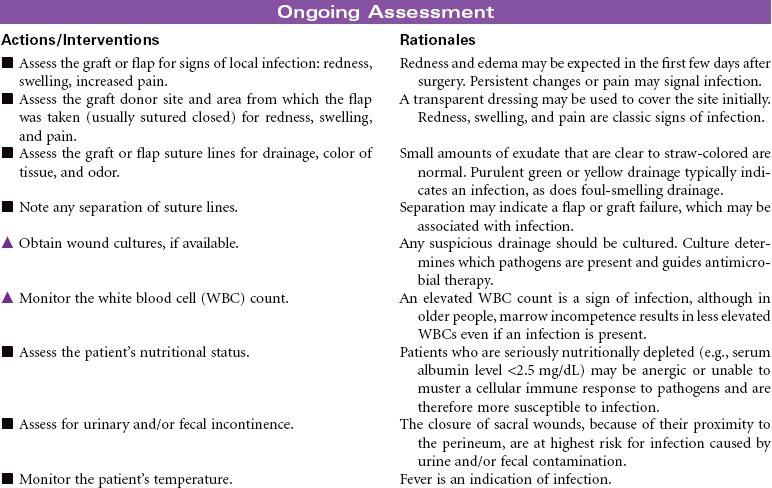
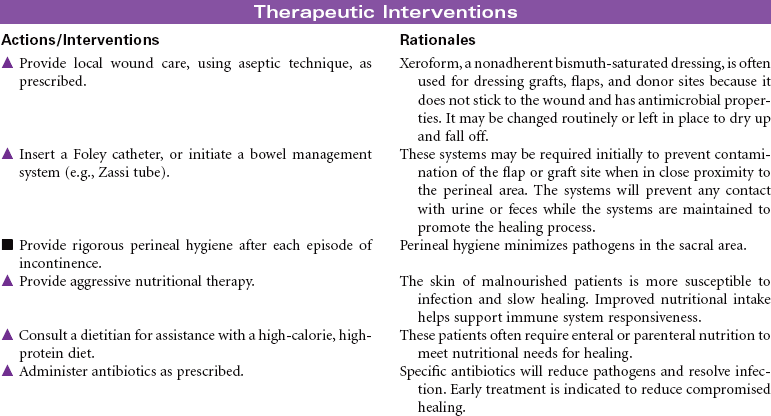
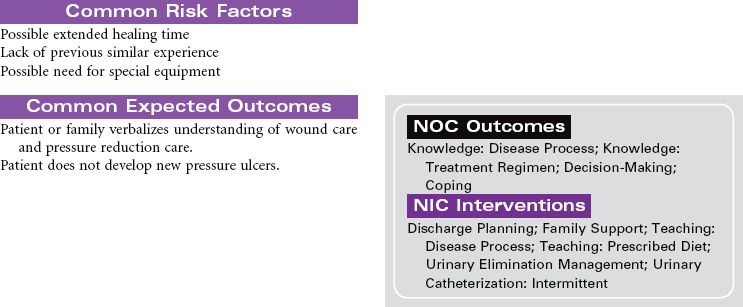
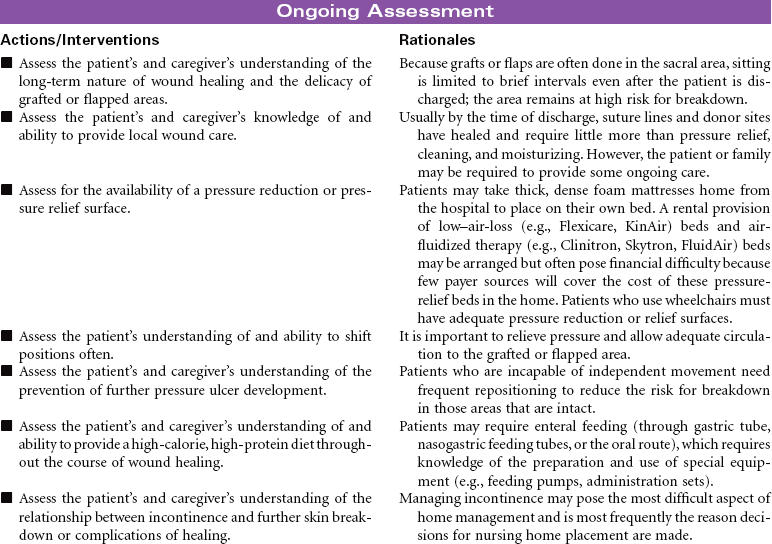
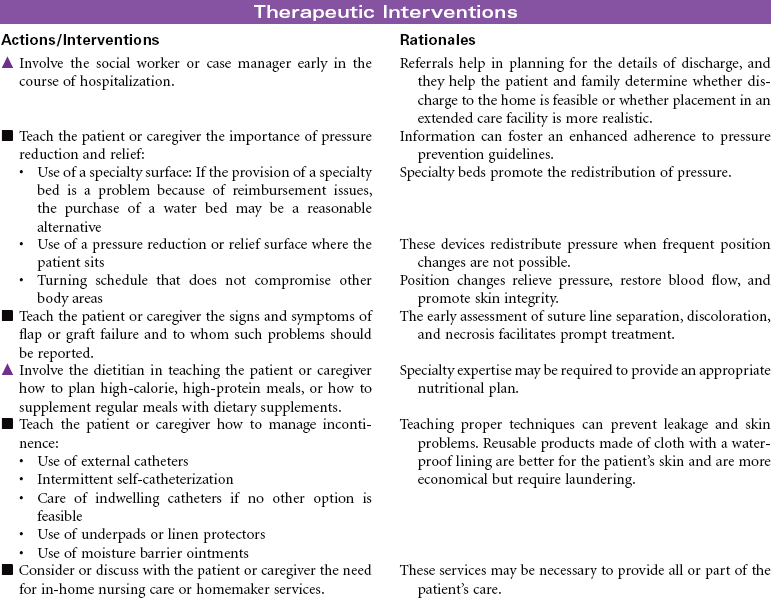
Wounds that lack an epithelial base for healing often require closure by plastic surgery. Wounds that may heal over extended periods without surgical intervention may be electively closed to hasten the rehabilitation time or to protect the vulnerable patient from infection resulting from a long-term open wound. Skin, subcutaneous tissue, fascia, and muscle all may be relocated through a variety of procedures to achieve closure of wounds. Partial- or full-thickness skin grafts may be used to close superficial wounds. Flap closures are performed to close deeper wounds that extend beyond the dermis. Flaps are categorized either by the source of the blood supply or the area from which they are taken. Myocutaneous flaps are often performed to achieve pressure ulcer closure. These procedures typically require a hospital stay. Older adults are at increased risk for flap or graft failure because of reduced circulation and loss of normal padding and elasticity of the skin.
 Risk for Ineffective Graft or Flap Tissue Perfusion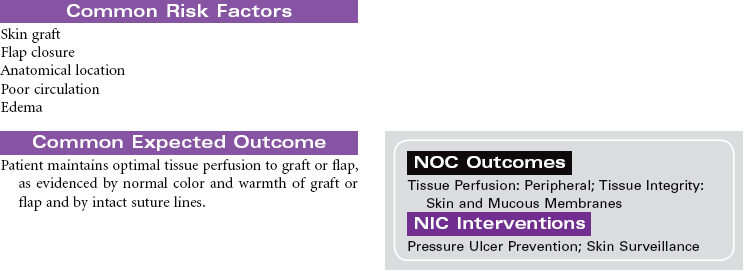

*Panel for the Treatment of Pressure Ulcers. Treatment of Pressure Ulcers: Clinical Practice Guideline, No. 15 (AHCPR Pub No. 95-0652). Rockville, MD, 1994, Agency for Health Care Policy and Research, Public Health Service, U.S. Department of Health and Human Services.