Liver Adenomas.: Liver cell adenomas occur most commonly in the third and fourth decades, almost exclusively in women. The incidence of adenomas before the marketing of oral contraceptives was very low. Although it remains low in men, oral contraceptives have significantly increased the incidence in women. Most remain asymptomatic, although with growth, right upper quadrant abdominal pain may be present. Although classified as benign tumors, they are highly vascular and carry a risk for rupture and subsequent hemorrhage. The clinical presentation is often one of acute abdominal disease because of necrosis of the tumor with hemorrhage. Pain, fever, and circulatory collapse occur in the presence of hemorrhage. Most adenomas are evaluated with hepatic angiography, MRI, or CT. Liver function test results are usually within normal limits. Because of the risk of rupture and rarely, malignant transformation to HCC, resection is usually recommended. Affected women should refrain from taking oral contraceptives.
Primary Hepatocellular Carcinoma:
Overview and Incidence.: Hepatocellular carcinoma (HCC) is the fifth most common cancer in the world; it is also the most common primary liver cancer, constituting about 90% to 95% of primary liver cancers in adults. The geographic locations with the highest incidence include China and sub-Saharan Africa. In Western countries, HCC is linked to cirrhosis, particularly HBV-and HCV-related cirrhosis. HCC is seen more often in men and the incidence increases with age. In many countries, including the United States, a definite increase in the incidence of HCC has been reported, largely attributable to the increasing incidence of HCV infection.108
Etiologic and Risk Factors.: Epidemiologic and laboratory studies have firmly established a strong and specific association between HBV and HCV with HCC. Over 80% of HCC is related to chronic HBV in Africa and China, whereas HCV is causal for 80% of HCC in Japan, Italy, and Spain. In the United States, HCV is emerging as a principal cause of HCC, particularly when associated with alcohol. Cirrhosis is typically prerequisite for HCC development in association with HCV.
In all parts of the world, there is a strong correlation between HCC and cirrhosis (of any cause). Another risk factor is dietary exposure to aflatoxin B1, which is derived from the fungi Aspergillus flavus and Aspergillus parasiticus. This is a major concern in Africa and Asia. Up to 45% of individuals with hemochromatosis (an iron overload disease) can develop HCC. Although the tumor is more likely to arise with the development of cirrhosis, it is not necessarily true (i.e., HCC can develop in the absence of cirrhosis).
Other diseases, such as Wilson’s disease and α1antitrypsin deficiency, also display an increased risk with the development of cirrhosis. Epidemiologic studies have demonstrated an increase risk with the long-term use of oral contraceptives,23 although the number of cases involved is extremely small.
Pathogenesis and Clinical Manifestations.: The exact events leading to malignant transformation of the hepatic cell remain unknown. HBV appears to be an oncogenic virus that can integrate its viral DNA sequences into the cellular genome. Whether this integration is a necessary step for the mentioned transformation is still uncertain; but it does appear that HBV is both directly and indirectly carcinogenic.
Indirect carcinogenic effects are the result of the chronic necroinflammatory hepatic disease. Continuous turnover of cells with cycles of inflammation and regeneration can lead to tumor formation. HCV does not integrate into human DNA but appears to be directly oncogenic. Aflatoxin appears to cause HCC by inactivating a tumor suppressor gene.
Most people who develop HCC are unaware of it until advanced stages. Abdominal pain (60% to 95%) and weight loss (35% to 70%) are the most common initial symptoms. Other symptoms include weakness, fatigue, poor appetite, early satiety, fullness of the abdomen, diarrhea, and constipation. Jaundice is observed in only 5% to 25% of cases. Metastases occur to the bone and lungs, resulting in back pain and cough. Physical examination may demonstrate an enlarged liver, ascites, or splenomegaly. Unfortunately, many of these signs and symptoms may already be present because of cirrhosis and not distinguished as HCC.
Rarely, paraneoplastic syndromes (a result of a bioactive substance produced by the tumor) can be associated with this tumor. Hypoglycemia, caused by the defective processing of a precursor to insulin-like growth factor II, can occur early in the disease process and may be the presenting symptom. Polycythemia (an increase in erythrocytosis) occurs in less than 10% of cases of HCC but may warn of the presence of the tumor.
Uncommon complications include rupture of tumor with associated hemoperitoneum, thrombosis of portal or hepatic vein, and tumor embolism.
Changes in liver transaminases are not helpful in distinguishing HCC from cirrhosis or other masses. One tumor marker that can be useful is serum α-fetoprotein. In high-risk populations, an elevation in α-fetoprotein is 80% to 90% sensitive and 90% specific.
Ultrasonography and CT scans are the most commonly used imaging tests and can be used to guide and obtain a percutaneous liver biopsy. If these approaches are inappropriate because of location of the tumor, laparoscopic-mediated biopsy may be performed. CT most often is able to reveal tumor size and extent (tumor often involves the portal blood vessels), although occasionally laparoscopic visualization may be needed to verify the presence of peritoneal seeding. Some physicians do not biopsy the tumor if it is deemed resectable because of the possibility of seeding tumor. Definitive diagnosis is based on histologic findings in resected hepatic tumors or biopsy specimens.
The use of vaccination to prevent infection with HBV is expected to reduce the incidence of HCC associated with HBV. This is the only malignancy for which an effective prophylactic immunization is available. In the meantime, early screening of high-risk populations using α-fetoprotein and ultrasonography remains the key to successful treatment of this malignancy.
Surgical resection (partial or total hepatectomy) has been the primary treatment if no nodal involvement or distant spread is present; but only 15% of cases are feasibly resectable at presentation. Liver transplantation is a viable option if fewer than three lesions are present (with the largest being less than 3 cm) or one lesion that is less than 5 cm. This may be the optimal therapy for individuals with cirrhosis who cannot tolerate resection.
Newer treatment techniques take advantage of the fact that intrahepatic tumors derive their blood supply from the hepatic artery. Transarterial chemoembolization (angiography to embolize the tumor arterial supply associated with chemotherapy or chemotherapy eluting beads) for unresectable HCC can reduce the size of large tumors and may prolong survival.84
Percutaneous ethanol injection (alcohol injection into the tumor) or radiofrequency thermal ablation are beneficial in connection with small tumors with a 5-year survival rate of 40% to 50% (rarely curative for small tumors). Tyrosine kinase inhibitors and antiangiogenic agents are newer agents currently undergoing clinical trials.85
Several radioembolization techniques are being employed; yttrium-90 (Y-90) microspheres, or iodine-131 (I-131) or rhenium-188 (Re-188) labeled lipiodol are injected into the hepatic artery. Holmium-166 (Ho-166) loaded poly (L-lactic acid) microspheres have also been developed.164
This method of treatment targets the tumor with radiation while decreasing radiation dose to the body. Criteria are currently lacking on which clients benefit most from this type of therapy, and more study is required to determine optimal dosing in individuals with cirrhosis.145 Systemic chemotherapy can be administered as palliative treatment (response rates are less than 20%).
Symptomatic HCC has a very poor prognosis, especially in clients with multiple tumor nodules. Factors affecting the prognosis favorably include early detection, tumor size (less than 5 cm), tumor location, presence of a tumor capsule, well-differentiated tumor, lack of vascular invasion, and absence of cirrhosis. Successful treatment with liver resection has increased 5-year survival rates to 68%, but tumor recurrence is very frequent. Tumor resection in the presence of cirrhosis is accompanied by risk of tumor recurrence or death from the remaining underlying liver dysfunction. If treatment fails to eradicate the tumor process, the expected survival is no more than 4 to 6 months.
The liver is one of the most common sites of metastasis from other primary cancers (e.g., colorectal, stomach, pancreas, esophagus, lung, breast, melanoma, Hodgkin’s disease, and non-Hodgkin’s lymphoma). Metastatic tumors occur twenty times more often than primary liver tumors and constitute the bulk of hepatic malignancy.
As with other types of cancers, secondary liver cancer can occur as a result of local invasion from neighboring organs, lymphatic spread, spread across body cavities, and spread via the vascular system. The liver filters blood from anywhere else in the body, but because all blood from the digestive organs passes through the liver before joining the general circulation, the liver is the first organ to filter cancer cells released from the stomach, intestine, or pancreas.
Metastatic tumors to the liver originating in some organs (e.g., stomach or lung) never give rise to hepatic symptoms, whereas others produce hepatic symptoms or jaundice with less than 60% replacement of the liver. Certain tumors (colon, breast, or melanoma) typically replace 90% of the liver before jaundice develops. Melanomas are associated with such minimal tissue reaction that almost complete hepatic replacement occurs before hepatic symptoms develop.
Clinical manifestations, diagnosis, and treatment are the same as for the primary (original) neoplasm. Experimental and clinical data show evidence of a correlation between elevated blood levels of carcinoembryonic antigen (CEA) and the development of liver metastases from colorectal carcinomas. A cause-effect relationship between these two observations has not been identified. Investigations continue to explore the use of tumor markers and the clinical usefulness of CEA throughout the different stages of management in both animal and human studies.
Treatment is the same as for unresectable liver cancer; see the section on Hepatocellular Carcinoma in this chapter. Other ongoing research is investigating the use of a totally implantable pump for hepatic arterial infusion (HAI) therapy for those with unresectable hepatic metastases and for posthepatic resection. This enables oncologists to give much higher doses of chemotherapy directly into the blood supply of the tumors, as well as use a continuous infusion schedule. This approach may offer more successful treatment of people with metastatic colorectal carcinoma to the hepatic system.63,66
Liver abscess most often occurs among individuals with other underlying disorders. Most common underlying causes include bacterial cholangitis secondary to obstruction of the bile ducts by stone or stricture; portal vein bacteremia secondary to bacterial seeding via the portal vein from infected viscera following bowel inflammation or organ perforation; liver flukes, a parasitic infestation; or amebiasis, an infestation with amebae from tropical or subtropical areas.
Other predisposing factors are diabetes mellitus, infected hepatic cysts, metastatic liver tumors with secondary infection, and diverticulitis. Pyogenic (pus-filled) abscesses may be single or multiple; liver cirrhosis is a strong risk factor for single pyogenic liver abscess, and multiple abscesses often arise from a biliary source of infection.
Clinical manifestations are commonly right-sided abdominal and shoulder pain, nausea, vomiting, rapid weight loss, high fever, and diaphoresis. The liver’s close proximity to the base of the right lung may contribute to the development of right pleural effusion. Complications of hepatic abscess relate to rupture and direct spread of infection. Pleuropulmonary involvement from the rupture of an abscess through the diaphragm and peritonitis from leakage into the abdominal cavity can occur.
Diagnosis is accomplished by a variety of possible tests including liver function tests, chest x-ray, contrast-enhanced CT scan of the abdomen, ultrasonography of the right upper quadrant, liver scan, or arteriography. Treatment may consist of antimicrobial therapy alone or percutaneous aspiration of the abscess with antimicrobial therapy. Surgery may be required to relieve biliary tract obstruction and to drain abscesses that do not respond to percutaneous drainage and antibiotics.
Unrecognized and untreated, pyogenic liver abscess is universally fatal. The mortality from hepatic abscess in treated cases remains high, ranging from 40% to 80%. Amebic abscesses are an exception; when treated, the mortality rate is less than 3%. Early diagnosis and aggressive treatment can significantly reduce the mortality in some cases. Specific antibiotics are required whenever abscess is caused by amebic infestation.
Toxic liver injury can occur as a result of drugs or from occupational exposure to chemicals and toxins. Hepatotoxic chemicals produce liver cell necrosis, a consequence of the metabolism of the compound by the oxidase system of the liver. Agents responsible for toxic liver injury include yellow phosphorus, carbon tetrachloride, phalloidin (mushroom toxin), and acetaminophen (analgesic). Reye’s syndrome in children may be related to aspirin toxicity. In addition to jaundice, other symptoms of liver toxicity may occur (e.g., cholestasis or chronic hepatitis).
Toxic liver injury produces toxic hepatitis (discussed earlier in this chapter). The prognosis is usually good if the toxin is withdrawn and never reintroduced. Whatever drug is responsible, it is well documented that liver toxicity becomes more severe with advancing age.
Liver injury by trauma may be either penetrating or blunt, leading to laceration and hemorrhage. Penetrating injuries are usually knife or missile wounds (gunshot). A knife wound leaves a sharp clear incision, whereas gunshot wounds enter and exit with greater damage. Blunt trauma from a fall or from hitting a steering wheel has varying effects, from small hematomas to large lacerations as a result of severe impact forces.
The pancreas has dual functions, acting as both an endocrine gland in secreting hormones insulin and glucagon and as an exocrine gland in producing digestive enzymes. The cells of the pancreas that function in the endocrine capacity are the islets of Langerhans, constituting 1% to 2% of the pancreatic mass. Defective endocrine function of the pancreas resulting in ineffective insulin (whether deficient or defective in action within the body) characterizes diabetes mellitus (see Chapter 11).
Pancreatitis is a potentially serious inflammation of the pancreas that may result in autodigestion of the pancreas by its own enzymes. Pancreatitis may be acute or chronic; the acute form is brief, usually mild, and reversible, whereas the chronic form is recurrent or persisting. Because the hormones and enzymes provided by the pancreas perform many vital functions, acute pancreatitis causes systemic problems and complications that affect the entire body. Approximately 15% of all cases of acute pancreatitis develop into chronic pancreatitis.
Incidence and Etiologic Factors.: Acute pancreatitis is an inflammatory process of the pancreas that can involve surrounding organs, as well as cause a systemic reaction. Pancreatitis can arise from a variety of factors and conditions (Box 17-4) or as a result of an unknown cause (10% of cases). The most common cause is gallstones, followed by chronic alcohol consumption. Other causes include hypertriglyceridemia (levels over 1000 mg/dl), trauma, duct obstruction (neoplasms), and medications. The incidence has increased over the past few decades, but the mortality rate has remained fairly constant at 7%.
Pancreatitis can involve only the interstitium of the pancreas, termed interstitial pancreatitis, or have necrosis of pancreatic tissue, called necrotizing pancreatitis. Interstitial pancreatitis accounts for 80% of cases and has a milder course and few complications, whereas necrotizing pancreatitis occurs in 20% of cases and can result in significant complications and higher mortality.
Pathogenesis.: Acute pancreatitis is thought to result from the inappropriate activation of trypsinogen within acinar cells to the enzyme trypsin. Trypsin is the principal enzyme responsible for activating other pancreatic enzymes. The buildup of pancreatic enzymes can trigger pancreatic autodigestion. In the development of pancreatitis, the conversion of trypsinogen to trypsin occurs in sufficient quantities to overwhelm the normal mechanisms of eliminating trypsin from the cells. The release of enzymes leads to acinar cell and vascular damage, resulting in an out-of-proportion inflammatory response with associated edema and inflammation.169
Pancreatitis becomes severe when cytokines (interleukin 1 [IL-1], IL-6, IL-8, TNF, and platelet-activating factor) and free radicals mediate a systemic response,13,143 leading to multiorgan failure and occasionally death. Severe ischemia and inflammation can disrupt the ducts, resulting in the leakage of pancreatic fluid and the formation of fluid collections and pseudocysts. A pseudocyst is a liquefied collection of necrotic debris and pancreatic enzymes surrounded by a rim of pancreatic tissue or adjacent tissues; it contains no true epithelial lining. Complications of pseudocysts include infection, bleeding, and rupture into the peritoneum.
Infection can occur secondary to the breakdown of normal barriers in the gut because of hypoperfusion of the colon. Multiple genes are also under investigation, which, coupled with the appropriate environmental conditions, may be responsible for the development of pancreatitis.170
Clinical Manifestations.: Symptoms in clients presenting with acute pancreatitis can vary from mild, nonspecific abdominal pain to profound pain accompanied by systemic symptoms. Most people with mild-tomoderate disease present with pain, nausea, anorexia, and vomiting. Abdominal pain, the cardinal symptom of acute pancreatitis, may be dull at first but can increase in quality and intensity to sharp and severe.
Quality of pain can vary, depending on the cause and severity of disease, but often involves the entire upper abdomen. Right upper quadrant pain with radiation to the back may be more prevalent with gallstones. The pain is typically steady and at maximal intensity within 10 to 20 minutes. Pain can be triggered or made worse by eating fatty meals or drinking alcohol. Position changes usually do not alleviate the discomfort. Nausea and vomiting occur in 90% of people with pancreatitis and can be severe.
A minority of cases develops into severe pancreatitis with serious complications. Symptoms that warn of worsening condition include tachycardia, hypoxia, tachypnea, and changes in mental status. Complications of pancreatitis include pancreatic fluid–filled collections (57% of cases), pseudocysts, and necrosis. These fluid collections can enlarge, leading to worsening pain. Bacteria can infect these collections and necrotic areas, resulting in pain, leukocytosis, fever, hypotension, and hypovolemia. Often the first sign of a complication is the failure to improve followed by unexpected deterioration. Ascites and pleural effusions are rare complications.
Diagnosis is based on clinical presentation, laboratory tests, and imaging studies. Early in the disease process (within 24 to 72 hours), pancreatic enzymes released from injured acinar cells result in elevated serum amylase and lipase levels, which are diagnostic for acute pancreatitis. The amylase level is typically three times the upper limit of normal, whereas lipase increases proportionately with the amylase level. Amylase rises early (within 2 hours of symptom onset), but decreases quickly (within 36 hours). Amylase levels may not be very helpful unless the person seeks medical attention very early on.
Lipase levels are more specific to acute pancreatitis, rising in 4 to 8 hours, peaking around 24 hours, and staying elevated for at least 14 days. Lipase levels at least three times the normal range (10 to 140 U/L) indicate acute pancreatitis.57 An elevated ALT is suggestive of pancreatitis caused by gallstones (where alcohol abuse is not a factor).
Other tests may demonstrate hypertriglyceridemia or hypercalcemia. Imaging studies include CT scan to evaluate the pancreas (possibly serial examinations if symptoms fail to resolve with treatment) and transabdominal ultrasound to evaluate the gallbladder and cystic duct for possible gallstones. The CT is also able to demonstrate necrotizing pancreatitis, which provides management and prognostic information.
In clients who have contraindications for CT with contrast, an MRI can be obtained that can reveal necrosis when present. If gallstones in the common bile duct are suspected but are not seen on CT scan, endoscopic ultrasonography (EUS) or magnetic resonance cholangiopancreatography (MRCP) can be employed.
For most persons (about 80% of cases), acute pancreatitis is a mild disease that subsides spontaneously within several days. Treatment for mild pancreatitis is largely symptomatic and designed to preserve normal pancreatic function while preventing complications and includes intravenous fluids for hydration, analgesics for pain control, and eating nothing by mouth to allow the pancreas to rest. If after 2 to 3 days, there is no improvement, a CT scan should be obtained to determine if complications are present.
Clients are allowed to return home once the pain is under control and they are able to eat, drink, and take oral analgesics. Food intake progresses from clear liquids for 24 hours to small, low-fat meals with a slow increase in quantity over several days as tolerated.169 If pancreatitis is secondary to gallstones, laparoscopic cholecystectomy can be performed before discharge from the hospital (if pancreatic fluid collections or other complications are not present).
If fluid collections are present, surgery should be delayed until they have resolved. If after 6 weeks the collections have not resolved, laparoscopic cholecystectomy with fluid collection drainage can be performed.71 ERCP with endoscopic sphincterotomy may be performed postoperatively if common bile duct stones are present or for clients who are not surgical candidates.
Severe pancreatitis is defined by the presence of organ failure, local complications, or both. It is important to identify clients with severe pancreatitis at admission to provide aggressive care and close observation for complications. The Acute Physiology and Chronic Health Evaluation score (APACHE II) is an accurate predictor of severity of disease, complications, and death. An elevated C-reactive protein value, elevated hematocrit (above 44%), and obesity (body mass index greater than 30) are factors that predict severe disease.
People admitted to the hospital with severe pancreatitis require admittance to an intensive care unit, aggressive intravenous hydration, and pain control. Enteral nutrition (within 2 to 3 days) is preferred to parenteral feeding in most cases of severe pancreatitis because it has been shown to decrease infectious complications.92 Evidence has failed to show a benefit of medications designed to improve the course of severe pancreatitis; some of these medications include inhibitors of platelet-activating factor, somatostatin, and protease inhibitors.59,169
Severe pancreatitis can be accompanied by significant complications, including the formation of pancreatic fluid collections, pseudocysts, necrosis, bacterial cholangitis, and infected fluid collections and necrotic areas. Fluid collections should be followed by serial CT scans to verify improvement.
ERCP with sphincterotomy should be performed early in the course of severe pancreatitis caused by bile duct stones. This procedure has been shown to decrease the risk for complications.12 If the person’s medical condition allows, surgery should be avoided in cases of severe pancreatitis since there is a high rate of death if done within the first few days of onset.161
Fluid collections that are infected can be treated with antibiotics and drained; necrotic areas that are not infected can be watched. If necrotic areas become infected, a necrosectomy can be performed or the area can be drained percutaneously once the client is stable.71 Prophylactic antibiotics are controversial for severe pancreatitis.
Prognosis of acute pancreatitis depends on the severity of the condition. Individuals with mild pancreatitis (80% of cases) have a better outcome than those with necrotizing or severe disease. The clinical course of mild disease follows a self-limiting pattern, resolving within 2 weeks of onset. The risk of dying from severe pancreatitis is between 10% and 30% and is the result of complications such as infection. Yet most people who experience severe pancreatitis are able to recover and at 6 years, about 65% of people are able to work full time. Recurrences and the development of diabetes mellitus are common in alcoholic pancreatitis, particularly with continued drinking of alcohol.
Overview, Incidence, and Etiology.: Chronic pancreatitis is characterized by the development of irreversible changes in the pancreas secondary to chronic inflammation. The principal causes are chronic alcohol consumption, a history of severe acute pancreatitis, autoimmune, hereditary, and idiopathic. In Western industrialized nations, the most common cause of chronic pancreatitis is alcohol abuse, accounting for more than 50% of cases.
The typical person with alcohol-related chronic pancreatitis is male, between the ages of 35 and 45, and has consumed large quantities (150 g or more) for more than 6 years. Hereditary pancreatitis is found in clients who have two or more relatives with the disease, including cystic fibrosis.
Several mutations have been discovered that are associated with the disease although the specific pathogenesis is under investigation. The PRSS1 and R122H are cationic trypsinogen genes,26 the PST1/SPINKI are pancreatic secretory trypsin inhibitor genes, and the CFTR gene is a cystic fibrosis transmembrane conductance regulator gene.
Autoimmune chronic pancreatitis occurs most frequently in the Far East and is associated with an elevated IgG level, diffuse involvement of the pancreas, a mass in the pancreas, an irregular main pancreatic duct, and the presence of autoantibodies.116 It is occasionally related to other autoimmune diseases such as Sjögren’s syndrome, ulcerative colitis, and systemic lupus erythematosus.
Pathogenesis.: Several hypotheses have been published to explain the development of chronic pancreatitis. Most are directed toward alcohol-related chronic pancreatitis but have some applicability to other types. The first one suggests that alcohol consumption leads to release of pancreatic fluid that is high in protein but low in volume and bicarbonate. These characteristics result in the precipitation of protein, creating plugs in the pancreatic ducts, which may calcify and produce pancreatic stones. Plugs and stones can obstruct the ducts, causing an increased pressure and damage to pancreatic tissue and ducts. Pancreatic stones are seen in several types of chronic pancreatitis, although damage is noted in areas without obstruction.
A second hypothesis proposes that alcohol or one of its metabolites acts as a direct toxin on pancreatic tissue or sensitizes the acinar cells to the effects of pathologic stimuli. Alcohol may also stimulate the release of cholecystokinin (CCK), which, in the presence of alcohol, leads to the transcription of inflammatory enzymes.120
A third hypothesis explains that after repeated bouts of acute pancreatitis, areas of necrosis heal with the formation of scar tissue or fibrosis. In persons without a history of acute episodes, the pathogenesis of chronic pancreatitis may relate to persistent necrosis and insidious scarring, similar to the progression of cirrhosis of the liver. Several genetic mutations have also been implicated; many occur in the trypsinogen gene, which renders trypsin resistant to inactivation.40 Theories continue to evolve, and the pathogenesis most likely depends on both genetic and environmental factors.
Clinical Manifestations.: Most clients with chronic pancreatitis present with abdominal pain, which is also the most significant problem. Chronic pain often leads to an abuse of opioids, decreased appetite, weight loss, and poor quality of life; it is also the most common reason for surgery in people with this disease. Pain is typically epigastric in location, often with radiation to the back. It is made worse with meals but can be relieved by bringing the knees to the chest or bending forward. Nausea and vomiting are often associated with the pain. Pain during the course of the disease varies; many people will experience acute attacks followed by periods of feeling well. As the number of attacks increases and occurs more frequently, pain becomes more chronic in nature. Others have continual pain, which gradually increases in intensity.
Chronic destruction of pancreatic tissue contributes to the loss of pancreatic function, resulting in diarrhea, steatorrhea, and diabetes mellitus. Once the production of lipase is reduced to less than 10% of normal, fat maldigestion occurs, producing bulky, foul-smelling, oily stools (steatorrhea). This complication is seen in late stages of the disease, signifying the destruction of most of the acinar cells.
Diabetes is also seen later in the course of the disease, particularly after surgical removal of the pancreas. Unlike type 1 diabetes, there is destruction of both beta-cells (which produce insulin) and alpha-cells (which produce glucagon). This can lead to severe and prolonged hypoglycemia with the use of insulin.
History is often significant for alcohol abuse; other clients may have a history of pancreatitis or family history of chronic pancreatitis. Physical examination is usually significant for abdominal tenderness, with few other findings.
The diagnosis of chronic pancreatitis may be difficult to make, particularly in the early stages of the disease when the pancreas lacks significant functional or structural changes. Routine laboratory tests, such as lipase and amylase, are often not elevated except during an acute episode of pancreatitis. Bilirubin may only be abnormal if there is significant compression of the bile duct by a pseudocyst or fibrosis.
More specialized functional tests are available, which either directly measure pancreatic enzymes produced by the pancreas or indirectly measure a product from the action of a pancreatic enzyme or its presence in the serum or stool (such as stool fat or serum trypsinogen). These functional tests are not well tolerated and not widely available.
Imaging tests can demonstrate structural changes. Some of the changes seen in chronic pancreatitis include dilated pancreatic ducts (both large and small), strictures, pancreatic stones, lobularity, and atrophy. Large duct disease, which is disease characterized by involvement of the large pancreatic duct by imaging) is often seen with alcohol abuse and is associated with functional problems as well. Small duct disease is often difficult to diagnose, and the cause is often idiopathic. Various imaging modalities can be used to diagnose chronic pancreatitis. Often the least invasive test is utilized such as transabdominal ultrasonography or CT.
Other tests are used as needed, such as EUS, endoscopic retrograde cholangiopancreatography (ERCP), or magnetic resonance cholangiopancreatography (MRCP)/MRI.
The treatment of chronic pancreatitis is directed toward prevention of further pancreatic injury, pain relief, and replacement of lost endocrine/exocrine function. Cessation of alcohol intake is essential in the management of chronic pancreatitis in clients with alcohol-related pancreatitis. Smoking has also been linked with increased risk of mortality in people with alcohol-related pancreatitis and should be avoided.90
Pain can be initially treated with nonnarcotics and advanced to narcotics as needed. Narcotics are useful for persons with established chronic pancreatitis, but the risk for addiction is about 10% to 30%. High-dose pancreatic enzyme therapy can reduce pain in some people with small duct disease but not for large duct disease. Nerve blocks can also aid in the reduction of pain.
Treatment of a dominant stricture in the pancreatic duct with stents and pancreatic duct sphincterotomy improves pain in over half of the clients with large duct disease139; yet the long-term management of stents is controversial. Surgical drainage for persistent pseudocysts, as well as surgical intervention to eliminate obstruction of pancreatic ducts, may be indicated for severe pain, although the pain often returns.
A pancreatectomy may be performed as a last means of relieving refractory pain. People who undergo pancreatectomy can consider islet cell autotransplantation,22 which has been successful in a small group of clients. Oral enzyme replacements are taken before, during, and after meals to correct enzyme deficiencies and to prevent malabsorption. Insulin may be required in the case of islet cell dysfunction but used with care secondary to the loss of glucagon-producing cells.
Complications include the development of large pseudocysts, bleeding from pseudoaneurysms, splenic vein thrombosis, and fistula formation. Pancreatic cancer develops in about 3% to 4% of people with chronic pancreatitis and is often difficult to distinguish from chronic changes of pancreatitis. Chronic pancreatitis is a serious disease, often leading to chronic disability. Alcohol-related chronic pancreatitis has a poor prognosis without alcohol cessation and increases the risk of mortality by 60%. Overall, the 10-year survival of chronic pancreatitis is 70%, and the 20-year survival rate is 45%.90
Pancreatic cancer represents the fourth leading cause of cancer mortality in the United States, with more than 32,000 deaths each year.57a It also has the lowest 5-year survival rate (3% to 5%) of any type of cancer.
Most pancreatic neoplasms (90%) arise from exocrine cells and are adenocarcinoma (70% in the proximal or head of the pancreas, 10% in the pancreas body, and 15% in the tail). The remaining primary pancreatic neoplasms include cystic neoplasms, intraductal papillary mucinous tumors, and neuroendocrine tumors. Adenocarcinoma is the focus of this discussion.
Pancreatic cancer is more common in black men and women than in whites, occurs in the Western world most often, and has a peak incidence in the seventh and eighth decades.
Clear evidence of increased risk of pancreatic cancer has been shown related to advancing age. Pancreatic adenocarcinoma is rare in people under the age of 45 years; however, the risk increases after the age of 50 years. Seven to eight percent of people with pancreatic adenocarcinoma have a family history; other genetic syndromes with an increased risk include adenomatous polyposis, Peutz-Jeghers syndrome, and von Hippel-Lindau syndrome.
Tobacco use, exposure to certain chemicals (such as benzidine), obesity, diets high in fats and meat, history of familial chronic pancreatitis, history of nonfamilial chronic pancreatitis, and a history of partial gastrectomy are also risk factors.68 The presence of adult-onset diabetes mellitus and impaired glucose tolerance (especially in women), chronic pancreatitis, and prior gastrectomy may be contributing factors. Obesity and physical activity (both linked with abnormal glucose metabolism) are associated with increased risk of pancreatic cancer. Higher consumption of red and processed meat is also associated with elevated pancreatic cancer risk.68
No support exists for any direct effect from exposure to radiation, socioeconomic status, alcohol intake, or coffee consumption, although these risk factors remain under investigation.82
Although the specific cause of pancreatic cancer is unknown, many genes are under investigation as possibly linked to its development. The K-ras mutation has been found in over 90% of tested pancreatic adenocarcinomas. K-ras is believed to be an oncogene, along with AKT2. Genes that inactivate tumor suppressor genes include p16, p53, and DPC4, while hMLH1 and hMLH2 are defective DNA repair genes. Mutations in the epidermal growth factor receptor (EGFR) have also been described69 with investigations into EGFR-targeted agents.138
Microscopically, adenocarcinomas contain infiltrative glands of various sizes and shapes surrounded by dense, reactive fibrous tissue. Many adenocarcinomas infiltrate into vascular spaces, lymphatic spaces, and perineural spaces. Pancreatic cancer appears to progress from flat ductal lesions to papillary ductal lesions without irregularities then with irregularities (atypia) and finally to infiltrating adenocarcinoma. The existence of such a progression suggests that it may be possible to detect a curable precursor lesion and early cancer with a molecular test in the future.82
The clinical features of pancreatic cancer are initially nonspecific and vague, which contribute to the delay in diagnosis. Most clients are seen for pain (80% to 85%), weight loss (60%), and jaundice (47%). These symptoms suggest advanced disease. Typically, people with significant pain have tumor in the body or tail of the pancreas, whereas jaundice and weight loss are more suggestive of tumor in the head of the pancreas.
Pain is a common symptom of pancreatic carcinoma because of invasion of tumor into nerves. In later stages of the disease, pain may be intractable. Pain is often epigastric in location, radiating to the back (thoracic or lumbar regions). Jaundice accompanied by pruritus, dark urine, and acholic stools occurs caused by compression of the biliary tree by tumor.
Pancreatitis may also develop from obstruction of the duct. In some people, pancreatitis may be the first sign of the disease. Deep venous thrombosis can occur as a result of tumor presence. In one-third of people with pancreatic adenocarcinoma, the gallbladder may be palpable on physical examination.
Metastasis.: Pancreatic adenocarcinomas metastasize via the hematologic and lymphatic systems to the liver, peritoneum, lungs and pleura, and adrenal glands. These metastasized tumors may grow by direct extension, causing further involvement of the duodenum, stomach, spleen, and colon. Tumors of the body and tail of the pancreas are twice as likely to metastasize to the peritoneum compared with tumors in the head of the pancreas.
At the present time, the best advice to reduce the risk of pancreatic cancer is to avoid tobacco use, maintain a healthful weight, remain physically active, and eat five or more ½-cup servings of vegetables and fruits each day.68
Spiral CT with intravenous contrast of the abdomen is the most common test in the assessment of pancreatic adenocarcinoma, with 90% sensitivity and 95% specificity. These CT scans also provide staging information that aids in determining resectability. One common sign noted on CT scan is the “double duct” sign, which occurs secondary to obstruction of both the bile and pancreatic ducts. EUS is helpful in viewing pancreatic tumors that may not be seen on CT and is accurate in detecting local lymph nodes.
If a tumor is felt to be resectable by CT and is in the body or tail of the pancreas, laparoscopy may be performed with washing samples, since CT is unable to discern small liver and peritoneal metastases in 20% to 30% of cases (false negative).142 Biopsy is not required for the diagnosis, but in some cases is helpful. This can be done percutaneously but EUS-guided fine-needle aspiration may cause less seeding of tumor.100
Laboratory tests can be abnormal, including elevated bilirubin level if biliary tree obstruction is present. The serum tumor marker CA 19-9 may be increased, but this is nonspecific for pancreatic cancer and should not be relied on as diagnostic. This marker can be useful, however, in monitoring treatment.
The TNM staging system (tumor, node, metastases) (see Chapter 9) classifies pancreatic carcinoma according to tumor size, extent of local invasion, presence or absence of regional lymph node metastases, and presence or absence of distant nonnodal metastatic disease. Preoperative staging provides information required for determining surgical resectability and prognosis.
Treatment of pancreatic adenocarcinoma is based on the stage of the tumor and is often divided into three broad categories: resectable (15% to 20%), locally advanced (often encasing major blood vessels) (40% to 45%), and metastatic (40% to 45%). Surgical resection provides the only curative therapy, yet this is only appropriate for a minority of clients. For those people with resectable disease, pancreaticoduodenectomy (Whipple procedure) is the procedure of choice and should be performed by an experienced surgeon. Since the 1960s the surgical mortality rate has dropped significantly and in experienced hospitals approaches 3%.14,155
Chemoradiation can be provided to people with locally advanced disease and chemotherapy for those with metastatic disease. Neoadjuvant therapy (given before surgery) consists of chemoradiation and can be given for local tumors that have a high probability of not being entirely resectable (microscopic tumor is often seen at the margins of the surgical incision or tumor in the tail of the pancreas). The goal is to reduce tumor size to increase the likelihood of complete resection at surgery.56 However, more studies are needed to verify this approach since some studies show no improvement in survival.
Much of the therapy offered to clients with pancreatic carcinoma is palliative to improve quality of life. Pain control is a significant part of therapy. Long-lasting opioids and celiac plexus neurolysis can substantially improve quality of life. Pancreatic enzyme replacement aids clients with malabsorption and steatorrhea problems. For clients who experience jaundice and will receive neoadjuvant therapy or may not be a candidate for surgery, ERCP-guided stent placement in the biliary ducts can help relieve obstruction or biliary bypass surgery can be performed.
Return of hepatic function after relief of obstruction is variable. Bile secretion may return to normal within hours; immunologic dysfunction may take weeks to normalize; jaundice characteristically improves dramatically within the first several days but may not disappear for weeks, and some of the other symptoms, such as pruritus, loss of appetite, and malaise, correct within hours or days after relief of the obstruction.
Surgical resection is currently the only treatment that provides long-term survival; yet only 20% of people with tumor deemed to be resectable are alive at 5 years; this is most likely related to microfoci of tumor still present outside the main mass. For clients with locally advanced or metastatic disease, long-term survival is rare and the mortality rate is nearly 100%. Chemoradiation therapy can prolong survival to a median of 1 year for people with locally advanced disease, whereas chemotherapy offers clients with metastatic disease approximately 6 months.
Factors associated with a more favorable outcome include tumor size less than 3 cm, lymph nodes without tumor, surgical margins free of tumor, and pathology consistent with a well-differentiated tumor.
Cystic fibrosis is a disease of the exocrine glands that results in the production of excessive, thick mucus that obstructs the digestive and respiratory systems. When the disease was first being differentiated from other conditions, it was given the name cystic fibrosis of the pancreas, because cysts and scar tissue on the pancreas were observed during autopsy. This term describes a secondary rather than primary characteristic (in-depth discussion of this disorder is found in Chapter 15).
See Table 17-6.
Table 17-6
| Term | Definition |
| Chole- | Pertaining to bile |
| Cholang- | Pertaining to bile ducts |
| Cholangiography | X-ray study of bile ducts |
| Cholangitis | Inflammation of bile duct |
| Cholecyst- | Pertaining to the gallbladder |
| Cholecystectomy | Removal of gallbladder |
| Cholecystitis | Inflammation of gallbladder |
| Cholecystography | X-ray study of gallbladder |
| Cholecystostomy | Incision and drainage of gallbladder |
| Choledocho- | Pertaining to common bile duct |
| Choledocholithiasis | Stones in common bile duct |
| Choledochostomy | Exploration of common bile duct |
| Cholelith- | Gallstones |
| Cholelithiasis | Presence of gallstones |
| Cholescintigraphy | Radionuclide imaging of biliary system |
| Cholestasis | Stoppage or suppression of bile flow |
Overview, Definition, and Incidence
Cholelithiasis, or gallstone disease, is one of the most common gastrointestinal diseases in the United States, occurring in an estimated 20 million people (about 14 million women and 6 million men). Most gallstones are asymptomatic and are only detected on radiologic examinations performed for other reasons. Yet, in about 25% of cases, significant symptoms and complications develop because of the presence of gallstones, requiring surgery or other treatment. Age appears to play a role in the development of cholelithiasis so that gallstones are present in 20% to 35% of people by age 55 years.
Cholelithiasis occurs when stones form in the bile. These gallstones form in the gallbladder as a result of changes in the normal components of bile. Two types are classified according to composition: 80% consist primarily of cholesterol (cholesterol stones), whereas 20% are composed of bilirubin salts (e.g., calcium bilirubinate and other calcium salts), called pigment stones (black and brown). Symptoms occur when these stones block bile flow in any of the ducts, the most common being the cystic duct.
Many risk factors are associated with the development of gallstones (Box 17-5). Advancing age is a significant risk factor. Older people experience an increase in cholesterol secretion into bile with a simultaneous decrease in bile salt production. Genetics plays a role in gallstone formation; in some ethnic populations the risk for gallstone disease is high. For example, 70% of the Native American women in the Pima tribe in Arizona develop gallstones by the age of 25 years. Alternately, African Americans have less than half the rate of Caucasian Americans.
Obesity is a well-known risk factor, particularly in women. One study demonstrated a linear increase in the incidence of cholelithiasis as the body mass increased.157 Women are also more than twice as likely to develop gallstones as men. This trend is seen until the fifth decade when the risk for women approaches that of men, suggesting estrogen may be the principal factor.
Because of the prevalence of gastric bypass surgery and other methods of extreme weight loss, rapid weight loss has emerged as a risk for cholelithiasis. One study demonstrated the development of gallstones in up to 50% of people within the first 6 months of gastric bypass surgery; 40% became symptomatic.151
People who receive total parenteral nutrition (TPN) often develop cholelithiasis; after 3 to 4 months of TPN about 45% of people form gallstones. Pregnancy is another common factor in cholelithiasis. As pregnancy progresses, the bile is more lithogenic (i.e., more prone to stone formation); up to 2% of pregnant women develop gallstones.
Many drugs contribute to the formation of gallstones. Estrogen is the most studied (i.e., oral contraceptives [excluding newer, low-dose products], estrogen replacement therapy),162 but reports have shown ceftriaxone, clofibrate, and octreotide are also lithogenic.
In the formation of cholesterol gallstones, the cholesterol is obtained principally from the diet (only 20% is synthesized by the liver). Cholesterol is absorbed into the liver from the blood by receptors; each lipoprotein has its own receptor. The apo B, E receptor binds and removes low-density lipoproteins (LDLs) from the blood, while the scavenger receptor B1 removes high-density lipoproteins (HDLs). A series of reactions and protein interactions regulate this process.
The liver produces bile to aid in excreting excess cholesterol. Bile is composed of biliary lipids (bile salts, phospholipids, and cholesterol), which are secreted from the liver into bile by specific transporter proteins. Each biliary lipid has a specific transporter; for example, cholesterol is transported by a protein known as ABCG5/G8. Once these biliary lipids have been secreted into the bile, the phospholipids and cholesterol form vesicles (fused together) while the bile salts form simple micelles. These vesicles and micelles interact, forming mixed micelles as they pass into the gallbladder.
Cholesterol requires the detergent properties of the phospholipids and bile salts to remain in solution. If the bile contains more cholesterol than is able to aggregate into mixed micelles, the bile becomes oversaturated with cholesterol and forms cholesterol crystals. In the presence of gallbladder-secreted mucin glycoproteins, there is a precipitation of the crystal aggregates, and gallstones are formed.53
Some of the common mechanisms associated with cholesterol gallstone formation include stasis of bile in the gallbladder (gallbladder hypomotility), changes in mucin glycoproteins in the gallbladder, or processes that may increase the amount of cholesterol or reduce the amount of bile salts or phospholipids that are secreted into the bile.
Gallbladder hypomotility is presumed to occur when insoluble or supersaturated cholesterol is absorbed into the gallbladder wall, making it difficult for the smooth muscle of the gallbladder to contract.166 This is seen during pregnancy, after a period of rapid weight loss, in rheumatoid arthritis clients, and when a person is receiving TPN.53,119
Although there are many proteins that interact with the mixed micelles during the transport process from the liver to the gallbladder, only mucin glycoproteins have been shown to enhance the formation of cholesterol gallstones. People who experience rapid weight loss may have, among other factors, an increase in mucin glycoprotein production. Although more research is needed to understand the factors that alter this glycoprotein, there are preliminary data in animals to show that aspirin and other nonsteroidal antiinflammatory drugs (NSAIDs) may inhibit the production of mucin glycoproteins.73 Yet in one study following people who take NSAIDS chronically, there appeared to be no protective benefit.122
Environmental, as well as genetic, factors most likely affect the amount of biliary cholesterol. There are several genes that code for transporters of biliary lipids and receptors for lipoproteins. A deficiency in one of these, such as the ABCG5/G8 transporter protein, may be responsible for excess cholesterol secretion into bile.52,53
Excess dietary cholesterol consumption may lead to an increase in the amount absorbed into the liver from the blood, but studies are conflicting.64,101 Obese people may express an overactive enzyme required for cholesterol synthesis (3-hydroxy-3-methylglutaryl coenzyme A [HMG CoA] reductase), leading to excessive cholesterol production. Because of elevated levels of estrogen, pregnancy can also increase the amount of cholesterol secreted into bile and reduce bile acid production.
Black pigment stones are formed by an increased production of unconjugated bilirubin that precipitates as calcium bilirubinate in bile to form stones. This type of stone occurs in clients who experience chronic hemolysis (such as sickle cell anemia) or have end-stage liver disease or pancreatitis. Brown pigment stones are less common than black pigment stones in the United States and typically found in geographic areas where biliary infections are prevalent (more frequent among Asians). These stones can form in the gallbladder or in the ducts. Brown pigment stones form secondary to the anaerobic bacterial infection. Bacteria are postulated to produce unconjugated bilirubin and bile acids, and release phospholipids through the production of enzymes. These products combine with calcium, forming stones.
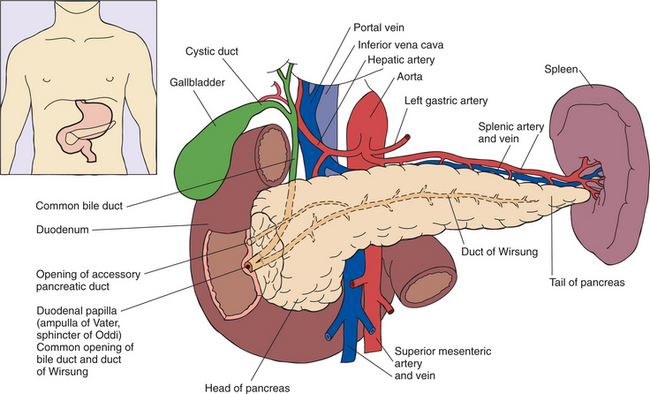
The majority of gallstones remain asymptomatic once formed in the gallbladder. Only a minority (approximately 25%) cause painful symptoms. This occurs when the stone attempts to pass down the ducts leading to the duodenum, becoming wedged. The most common location of obstruction is the cystic duct (Fig. 17-7). This causes abdominal pain (often referred to as biliary colic). Obstruction of the cystic duct distends the gallbladder while the muscles in the duct wall contract, trying to expel the stone. The pain of biliary colic may be intermittent or steady; it is usually severe and is located in the right upper quadrant just below or slightly to the right of the sternum with abdominal tenderness and muscle guarding. In more severe cases, rebound pain may be present. Painful symptoms are frequently related to meals, although not exclusively postprandial. The pain often radiates to the right shoulder and upper back (60% of cases) and is associated with nausea and vomiting. Radiating pain to the midback and scapula occurs as a result of splanchnic (visceral) fibers synapsing with adjacent phrenic nerve fibers (major branch of the cervical plexus innervating the diaphragm).

Figure 17-7 The pancreas. The pancreas (located behind the stomach) and gallbladder are anterior to the L1-L3 vertebral bodies. Attaching to the duodenum to the right, the pancreas extends horizontally across to the spleen in the left abdomen, coming in contact with the duodenum, kidneys, liver, and spleen. Obstruction of either the hepatic or common bile duct by stone or spasm blocks the exit of bile from the liver, where it is formed, and prevents bile from ejecting into the duodenum. (From Black JM, Matassarin-Jacobs E, eds: Luckmann and Sorensen’s medical-surgical nursing, ed 4, Philadelphia, 1993, WB Saunders.)
Episodes can last from 20 minutes to several hours and may develop daily or as infrequently as once every few years. Complicated cases often feature jaundice, fever, nausea and vomiting, and leukocytosis.
Other symptoms are vague, including heartburn, belching, flatulence, epigastric discomfort, and food intolerance (especially for fats). Gallstones in the older adult may not cause pain, fever, or jaundice; instead, mental confusion may be the only manifestation of gallstones.
Serious complications occur in 20% of cases when a stone becomes lodged in the lower end of the common bile duct, causing inflammation (cholangitis) leading to bacterial infection and jaundice (indicating the stone is in the common bile duct). Sometimes acute pancreatitis develops when the duct from the pancreas that joins the common bile duct also becomes blocked (see Fig. 17-7). About 15% of clients with gallstones also have stones in the common bile duct (choledocholithiasis).
Diagnosis is based on history, physical examination, and radiographic evaluation. Physical examination often reveals tenderness to palpation in the right upper quadrant of the abdomen. The radiologic test of choice is the transabdominal ultrasound. Ultrasonography reveals gallstones in more than 95% of cases (when 1.5 mm or greater in size). Ultrasound can also provide information concerning the gallbladder and ducts and can aid in predicting possible technical difficulties during surgery.125
EUS can be used to detect stones too small for typical transabdominal ultrasound, and functional ultrasonography (gallbladder volumes with fasting and postprandial) is used to assess gallbladder motility. These latter tests are not routinely employed since transabdominal ultrasound is frequently sufficient for diagnosis. Other tests are available to detect the location of stones if they are not in the cystic duct and are discussed in the next section.
Asymptomatic gallstones typically do not require treatment, except in populations at high risk, such as the women of the Pima tribe or people with sickle cell anemia. Prophylactic cholecystectomy may be recommended in these cases. Other groups requiring prophylactic treatment include those experiencing rapid weight loss or receiving TPN. People who experience rapid weight loss can receive prophylactic UDCA152 and those needing prolonged TPN can be treated with cholecystokinin-octapeptide.
Once gallstones cause pain, there is a 1% to 2% annual risk of developing complications, and 50% of people with symptomatic cholelithiasis will have a recurrent episode. Cholecystectomy therefore is recommended for most symptomatic clients. Laparoscopic cholecystectomy is the preferred surgical approach since the complication rate is decreased when compared to an open procedure. When the gallbladder is removed, bile drains directly from the liver into the intestine, eliminating the opportunity for stone formation.
Medical treatment is used only in select clients and consists of oral dissolution with UDCA, with or without extracorporeal shock-wave lithotripsy. Characteristics that deem a client a candidate for medical therapy include presence of small cholesterol stones; reversible cause of gallstone formation (such as medication use); infrequent, mild pain attacks; functioning gallbladder; and a patent cystic duct for the passage of stones. Even with successful medical treatment, 30% to 50% of stones recur within 5 years.
Defined as calculi in the common bile duct, choledocholithiasis occurs in 5% to 10% of persons with gallstones and has the same etiology and pathogenesis. Common duct stones usually originate in the gallbladder, but they also may form spontaneously in the common duct and can therefore occur after a person has had a cholecystectomy (10% to 15%). Stones that occur in the absence of a gallbladder are referred to as primary common duct stones. Approximately 30% to 40% of duct stones are asymptomatic; they are typically small enough to pass through without causing an obstruction. When symptomatic, duct stones produce right upper quadrant pain often with radiating pain to the shoulder and/or back (see previous section on Clinical Manifestations under Cholelithiasis). Liver enzymes are frequently elevated; in some cases the values can be similar to those seen in hepatitis. Serum aminotransferase, ALP, and bilirubin values are usually elevated at least twofold.
Diagnosis is based on clinical picture and radiologic or endoscopic evidence of dilated bile ducts, ductal stones, or impaired bile flow. Although transabdominal ultrasonography is very sensitive for identifying stones in the gallbladder, it is the least sensitive method for detecting stones in the common bile duct (identifying only 30% to 50%).
Helical CT has a sensitivity nearing 80% in imaging common bile duct stones, whereas EUS has a sensitivity of greater than 90%. But ERCP is very sensitive and provides the means to extract the stone during the procedure.41 ERCP consists of introduction of radiopaque medium into the biliary system by percutaneous puncture of a bile duct to provide x-ray examination of the bile ducts. ERCP is the test of choice for clients with choledocholithiasis associated with cholangitis or pancreatitis but may be contraindicated in clients who have had GI reconstructive surgery (such as a Billroth II procedure) or stones greater than 1 cm or those who have a biliary stricture. Laparoscopic transcystic bile duct exploration can detect and remove common bile duct stones in greater than 90% of clients, and laparoscopic choledochotomy can be performed if transcystic bile duct exploration is not successful.
Complications of choledocholithiasis can be severe, including pancreatitis and cholangitis. Choledocholithiasis is currently the most common cause of pancreatitis in the world. Clients with mild pancreatitis typically will pass the stone spontaneously but require cholecystectomy to prevent another episode of pancreatitis (see Acute Pancreatitis section in this chapter and Acute Cholangitis in the next section).
In 6% to 9% of cholelithiasis cases, obstruction and stasis of bile leads to a suppurative infection of the biliary tree, termed acute cholangitis. Acute cholangitis symptoms include those of cholelithiasis plus fever and jaundice. These three symptoms of pain, fever, and jaundice are referred to as Charcot’s triad and are noted in 50% to 100% of people with cholangitis.
Reynolds’ pentad (seen in only 14% of cases) includes Charcot’s triad plus hypotension and mental confusion. The presence of Reynolds’ pentad is an ominous sign, with mortality approaching 100% unless there is emergent decompression of the biliary tree. Acute cholangitis can be categorized into three stages: mild grade I (responds to medical therapy), moderate grade II (no organ dysfunction but not responding to initial medical treatment), and severe grade III (at least one new organ dysfunction).165
The total bilirubin is typically elevated greater than two times normal, although it may be in the normal range early in the infection process. Bacteria are isolated in the bile in more than 80% of cases and in the blood in anywhere from 20% to 80% of cases (reports vary widely). Aerobic and anaerobic gram-negative bacilli and enterococci are the most common organisms isolated.
CT scans and ultrasonography can aid in discerning cholecystitis from cholangitis, as well as identify possible abscesses in the liver. EUS can identify stones in the common bile duct.
Treatment is given according to the grade of illness. Grade 1 is mild and can typically be treated with appropriate antibiotics with subsequent laparoscopic cholecystectomy. Clients with grade II disease are treated with antibiotics and early biliary drainage. Once stable, this therapy is followed by open or laparoscopic cholecystectomy. Stage III disease requires appropriate intensive care support with urgent endoscopic or percutaneous transhepatic biliary drainage once the person’s hemodynamics are stable. Endoscopic biliary drainage can be achieved with either endoscopic nasobiliary drainage (ENBD) or tube stent placement. There is no significant difference in the success rate, effectiveness, and morbidity between the two procedures. Percutaneous transhepatic biliary drainage has a lower success rate with more complications reported as compared to endoscopic methods.160
The decision to perform endoscopic sphincterotomy (EST) is made based on the person’s condition and the number and diameter of common bile duct stones,107 although this method has demonstrated higher rates of hemorrhaging and pancreatitis. As the client improves, delayed elective cholecystectomy can then be performed.102
A complication of cholangitis and biliary drainage includes biliary peritonitis. This can occur because of perforation of the gallbladder with leakage of bile into the abdominal cavity. This requires immediate cholecystectomy and/or drainage.
Cholecystitis is the most common complication of gallstone disease, with 700,000 cholecystectomies performed in the United States each year.83 Cholecystitis, or inflammation of the gallbladder, may be acute or chronic and occurs most often as a result of impaction of gallstones in the cystic duct (see Fig. 17-7), causing obstruction to bile flow and painful distention of the gallbladder.
Acute cholecystitis caused by gallstones accounts for the majority of cases, and acalculous cholecystitis (i.e., gallstones not present) makes up the remaining 10%. Acute cholecystitis from stones is most common during middle age (particularly in women), whereas the acute acalculous form is most common among older adult men and carries a worse prognosis.
Some of the causes for acalculous cholecystitis include ischemia; chemicals that enter biliary secretions; motility disorders associated with drugs; infections with microorganisms, protozoa, and parasites; collagen disease; and allergic reactions. Acute acalculous cholecystitis is associated with a recent operation, trauma, burns, multisystem organ failure, and TPN.65
Gallbladder attacks are usually caused by gallbladder and/or cystic duct distention as the stone causes obstruction to the flow of bile. The increased pressure and stasis of bile leads to damage of the mucosa with subsequent release of inflammatory enzymes. Gallbladder inflammation causes prolonged pain characterized as steady right upper quadrant abdominal pain with abdominal tenderness, muscle guarding, and rebound pain. Upper quadrant pain often radiates to the upper back (between the scapulae) and into the right scapula or right shoulder. Murphy’s sign (interruption of deep breathing with deep palpation under the right costal arch) is a fairly sensitive and specific sign for gallbladder disease. Accompanying GI symptoms usually include nausea, anorexia, and vomiting and there may be signs of visceral or peritoneal inflammation (e.g., pain worse with movement and locally tender to touch).
Diagnosis is made on the basis of clinical history, examination, laboratory findings, and imaging. The WBC count is usually elevated (12,000 to 15,000/ml). Total serum bilirubin, serum aminotransferase, and ALP levels are often elevated in the acute disease, but they are normal or minimally elevated in the chronic form. X-ray films of the abdomen show radiopaque gallstones in only 15% of cases. Abdominal ultrasonography often shows stones, thickened gallbladder wall, and pericholecystic fluid.
Biliary scintigraphy (hepatoiminodiacetic acid [HIDA] scan) is useful in demonstrating an obstructed cystic duct. The client swallows a long thin, lighted flexible tube connected to a computer and a monitor. A special dye is injected that stains the bile ducts, making them more visible. If the isotope fills the gallbladder and the gallbladder is visualized, acute cholecystitis is unlikely. But failure to visualize the gallbladder suggests cholecystitis.
Any stone detected can be removed immediately. The same information can be obtained by passing a thin needle into the abdominal wall through which dye is injected into the ducts, a procedure called percutaneous transhepatic cholangiography.
Laparoscopic cholecystectomy (gallbladder resection) is the treatment and procedure of choice, since it is less invasive than an open procedure and healing and hospital time are reduced.17 It is often performed during the first hospitalization for acute cholecystitis, although the exact timing depends on the surgeon’s judgment; the presence of complications may delay surgery.
Prognosis for both acute and chronic cholecystitis is good with medical intervention. Acute attacks may resolve spontaneously, but recurrences are common, requiring cholecystectomy. Complications can be serious and usually are associated with cholangitis. The mortality of acute cholecystitis is 5% to 10% for clients older than 60 years with serious associated diseases.
An infrequent complication of laparoscopic cholecystectomy is injury to the bile duct (0.4% to 0.6% of all cases), causing leakage of bile into the abdomen. Symptoms postoperatively include fever, abdominal pain, ascites, nausea, elevated bilirubin levels, and rarely, frank jaundice. Intraperitoneal bile fluid collections can be seen on ultrasonography, CT scanning, or HIDA scan. ERCP can be utilized to detect the site of injury and treat the obstruction. Prompt repair requires less treatment than delayed diagnosis, which often requires a more complex reconstruction.
See Primary Biliary Cirrhosis, earlier in this chapter, in the Liver section.
Sclerosing cholangitis is a chronic cholestatic disease of unknown etiologic origin characterized by progressive destruction of intrahepatic and extrahepatic bile ducts. It has been linked to altered immunity, toxins, ischemia, and infectious agents, in people who are genetically susceptible. Approximately two-thirds of cases occur in clients 20 to 40 years of age and the incidence is believed to be rising; it is seen more commonly in men than women (3: 1 ratio). Eighty percent of clients with primary sclerosing cholangitis also have inflammatory bowel disease, most frequently ulcerative colitis; yet only 5% of people with ulcerative colitis develop primary sclerosing cholangitis (PSC).98
The inflammatory process associated with this disease results in hepatitis, fibrosis, and thickening of the ductal walls. This fibrosing process narrows and eventually obstructs the intrahepatic and extrahepatic bile ducts; the basic mechanisms of disease pathogenesis in PSC remain unknown.
Over 40% of people are asymptomatic at the time of diagnosis. But with the progression of disease, symptomatic presentation usually includes pruritus and jaundice accompanied by abdominal pain, fatigue, anorexia, and weight loss. Complications associated with the disease include bacterial cholangitis, pigmented bile stones, steatorrhea, malabsorption, and metabolic bone disease; severe complications involve the development of cirrhosis and portal hypertension, and the risk of developing cholangiocarcinoma (10% to 30% lifetime risk), HCC, and colon cancer.130
Diagnosis is made on the basis of clinical, laboratory, and radiologic findings. ALP is typically 3 to 5 times normal accompanied by a mild elevation in bilirubin. The diagnosis is confirmed by ERCP or MRCP, which demonstrate the characteristic “beads on a string” appearance of the bile ducts (strictures and dilatation of the ducts). Liver biopsy is performed for staging rather than diagnosis. Causes of secondary sclerosing cholangitis (such as chronic bacterial cholangitis, biliary neoplasms, and drug-induced bile duct injury) should also be excluded.
Medical therapy is based on managing symptoms, correcting dominant strictures, and treating bacterial cholangitis when it occurs. Pruritus can be treated with bile-acid binding resins and dominant duct strictures can be endoscopically treated (by dilation or placement of stents). Clients should receive vitamin D and calcium supplements, although select people may require bisphosphonates.
UDCA improves biliary secretion and laboratory parameters but has not been shown to significantly improve survival. Currently, liver transplantation is the only therapeutic option for people with end-stage liver disease resulting from this disorder.55,144 Many clinical trials of medical therapy have been conducted, but none have demonstrated significant efficacy compared to liver transplant. The results of transplantation for PSC are excellent, with 1-year survival rates of 90% to 97% and 5-year survival rates of 80% to 86%.50 Optimal timing for liver transplantation is still not well defined, but the goal of therapy is to treat people as early as possible to prevent progression to the advanced stages of this disease or the development of cancer. Recurrence of PSC after liver transplantation occurs in about 4% of clients per year but appears to have little effect on survival.51 Clients who develop cholangiocarcinoma and undergo liver transplant have a poor prognosis.48
Biliary neoplasms, whether benign or malignant, are rare. Most nonmalignant tumors of the gallbladder and biliary tree are polyps. These polyps can be adenomas, pseudotumors, or hyperplastic inflammatory lesions and most are found incidentally by ultrasonography or during cholecystectomy (for gallstone symptoms). Adenomas may be premalignant and have been associated with carcinoma in situ and invasive adenocarcinomas. Because polyps that are 1 cm or larger have a greater potential to be malignant, treatment consists of cholecystectomy.
Cancers of the biliary tract are divided into gallbladder cancer, cholangiocarcinoma, and adenocarcinoma of the ampulla of Vater. Gallbladder cancer is the sixth most common gastrointestinal cancer, causing about 2800 deaths per year, and is the most common cancer of the biliary tree.57a
Risk factors for gallbladder cancer include age (the elderly are most often affected), female gender (women are three times more likely to develop gallbladder cancer), and gallstones (80% to 90% of people with gallbladder cancer have gallstones). Other factors include obesity, gallbladder wall calcification (porcelain gallbladder), chronic typhoid carriers, and gallbladder polyps. In elderly adults, gallbladder polyps greater than 10 mm are more likely to be malignant while smaller polyps can be followed. However, despite these known risk factors, many cases of gallbladder cancer occur in people without obvious risk factors.30
Adenocarcinoma of the gallbladder is the most common type of gallbladder cancer (over 80% of cases), with squamous cell and small cell carcinoma accounting for the remaining cases. Clinical presentation of malignant gallbladder diseases depends on the stage of disease and the location and extent of the lesion, but it is often insidious. By the time the tumor becomes symptomatic, it is often incurable.
Symptoms most often mimic gallstone disease (acute and chronic cholecystitis). Right upper quadrant pain radiating to the upper back is the most common symptom (80% of cases), with weight loss, progressive (obstructive) jaundice (30% of cases), anorexia, fatty food intolerance, and right upper quadrant mass (in advanced disease).
Pruritus and skin excoriations are commonly associated with the presence of jaundice. Gallbladder cancer is usually found either as an incidental finding at surgery, as a suspected tumor (because of symptoms) with the prospect of resectability, or as advanced unresectable disease.
Ultrasonography is the most common initial test for diagnosis, although CT and MRI can detect the extent of disease. CT scans and cholangiography are used preoperatively to determine resectability of the tumor. Disease can be metastatic to lungs and bones and usually involves the liver. Simple cholecystectomy is appropriate only for stages 0 and 1; the remainder require extended or radical cholecystectomy (with removal of lymph nodes, adjacent hepatic tissue, and/or portions of the extrahepatic biliary tree).34
For clients with unresectable disease and jaundice, a biliary bypass (hepaticojejunostomy) can be performed to relieve obstruction. Overall prognosis is poor with a 5-year survival rate of 5% to 10%. Cures are only obtained when all detectable tumor is surgically removed in the early stages of the disease. Stage I tumors have an overall survival rate of 100% and nearly 50% for node-negative stage II and stage III disease. Chemotherapy and radiation provide little benefit.
Cholangiocarcinoma, or cancer of the bile ducts, is a rare tumor. Historically the term cholangiocarcinoma referred only to tumors of intrahepatic bile ducts, although more recently it encompasses intrahepatic, perihilar, and distal extrahepatic tumors of the bile ducts.30 Cholangiocarcinoma occurs more frequently in people between 50 and 70 years of age; other risk factors include primary sclerosing cholangitis, ulcerative colitis, recurrent bacterial cholangitis, bile duct adenomas and papillomas, intraductal gallstones, certain infectious diseases (such as the liver fluke Clonorchis sinensis), and exposure in the past to the radiologic contrast agent thorium dioxide (Thorotrast).
Most tumors are located near the porta hepatis (60% to 80%), although 20% are in the distal bile duct and less than 5% are intrahepatic. Affected persons most often present with jaundice secondary to obstruction of the bile duct (90% of cases) with associated acholic stool (light colored) and pruritus. Other symptoms include weight loss, anorexia, and fatigue.
On physical examination, hepatomegaly or a palpable gallbladder (Courvoisier’s sign) may be present with advanced disease. Laboratory values are consistent with biliary obstruction with an elevated bilirubin and ALP. CA 19-9 and carcinoembryonic antigen are elevated but nonspecific. CT scans or MRCP can detect the disease, and ERCP with brushings or biopsy may be diagnostic and relieve obstruction (a presurgical histologic diagnosis is often difficult to obtain).
Resectability is determined by a lack of metastatic disease, local invasion of the vascular structures around the liver, or the ability to completely resect the tumor. Laparoscopic surgery may be done initially to determine if metastatic disease is present (metastatic disease is found in 25% of cases that were felt to be resectable by imaging studies). A pancreaticoduodenectomy is performed for tumors in the distal portion of the biliary tree. However, since most cholangiocarcinomas are near the liver and large vessels, surgery must be tailored to the location of the tumor, with 35% actually resectable.
Radiation therapy may be of some survival benefit. Endoscopic or percutaneous stent placement for biliary decompression often relieves symptoms for clients with nonresectable disease. Cure is obtained by complete surgical resection of tumor. Survival rates are determined by extent of disease and involvement with large vessels and structures around the liver. In one study, 56% of the perihilar tumors were resectable, and the overall 5-year survival rate was 11%.109 Improved survival rates of 21% to 56% have been associated with aggressive hepatic resection in order to remove all tumor with negative resection margins.20,103 Distal bile duct tumor has a 5-year survival of 28% after successful surgical treatment.
Adenocarcinoma of the ampulla of Vater is a rare, distal bile duct tumor. The ampulla of Vater is a small area (about 1 cm. in diameter) located at the common opening of the pancreatic and bile ducts into the duodenum (see Fig. 17-7). This cancer has an incidence of 2.9 cases per million people in the United States.
Risk factors include people with Peutz-Jeghers syndrome and familial adenomatous polyposis syndrome. Because of its location, this tumor causes obstructive jaundice early in the disease process (80% of cases). Abdominal pain (50%), weight loss (75%), and occult GI bleeding (30%) are other common symptoms.
Diagnosis is made by EUS, CT scan, and ERCP. Surgical resection, typically a pancreaticoduodenectomy, is the treatment of choice, with no clear benefit to chemoradiation. Resection is feasible in over 85% of cases with a 5-year survival of up to 45%.29,132
1. Abdo, A. Liver abnormalities in celiac disease. Clin Gastroenterol Hepatol. 2004;2:107–112.
2. Aggarwal, R., Krawczynski, K. Hepatitis E: an overview and recent advances in clinical and laboratory research. J Gastroenterol Hepatol. 2000;15(1):9–20.
3. Als-Nielsen, B. Benzodiazepine receptor antagonists for hepatic encephalopathy. Cochrane Database Syst Rev. (2):2004. [CD002798].
4. Alter, M.J. Recommendations for prevention and control of hepatitis C virus (HCV) infection and HCV-related chronic disease. Morb Mortal Wkly Rep. 1998;47(RR19):1–39.
5. Alvarez, F. International Autoimmune Hepatitis Group report: review of criteria for diagnosis of autoimmune hepatitis. J Hepatol. 1999;31:929–938.
6. American Academy of Pediatrics (AAP). Human immunodeficiency virus and other blood-borne viral pathogens in the athletic setting. Committee on sports medicine and fitness. Pediatrics. 1999;104(6):1400–1403.
7. Anderson, R.N. Deaths: leading causes for 2000. National Vital Statistics Reports, vol. 50, no. 16. Hyattsville, MD: National Center for Health Statistics, 2002. [2002].
8. Armstrong, G.L. The past incidence of hepatitis C virus infection: implications for the future burden of chronic liver disease in the United States. Hepatology. 2000;31:777–782.
9. Arroyo, V., New treatments of hepatorenal syndrome. Semin Liver Dis. 2006(3):254–264.
10. Arroyo, V. Pathophysiology, diagnosis and treatment of ascites in cirrhosis. Ann Hepatol. 2002;1(2):72–79.
11. Arvat, E., Broglio, F., Ghigo, E. Insulin-like growth factor I: implications in aging. Drugs Aging. 2000;16(1):29–40.
12. Ayub, K. Endoscopic retrograde cholangiopancreatography in gallstone-associated acute pancreatitis. Cochrane Database Syst Rev. 2004;4:CD003630.
13. Bhatia, M. Inflammatory mediators in acute pancreatitis. J Pathol. 2000;190(2):117–125.
14. Birkmeyer, J.D. Surgeon volume and operative mortality in the United States. N Engl J Med. 2003;349:2117–2127.
15. Björnsson, E., Olsson, R. Outcome and prognostic markers in severe drug-induced liver disease. Hepatology. 2005;42:481–489.
16. Bjornsson, E., Olsson, R. Suspected drug-induced liver fatalities reported to the WHO database. Dig Liver Dis. 2006;38(1):33–38.
17. Bove, A. Laparoscopic cholecystectomy in acute cholecystitis: Predictors of conversion to open cholecystectomy and preliminary results. G Chir. 2004;25:75.
18. Bowen, D.G. Adaptive immune responses in acute and chronic hepatitis C virus infection. Nature. 2005;436:946–952.
19. Bruggraber, S.F. Autoreactiity to lipoate and a conjugated form of lipoate in primary biliary cirrhosis. Gastroenterology. 2003;125:1705–1713.
20. Burke, E.D. Hilar cholangiocarcinoma: Patterns of spread, the importance of hepatic resection for curative operation, and a presurgical clinical staging system. Ann Surg. 1998;228:385.
21. Centers for Disease Control and Prevention (CDC): National Center for Infectious Diseases: viral hepatitis A. Available on-line at http://www.cdc.gov/ncidod/diseases/hepatitis, 2007.
22. Clayton, H.A. Pancreatectomy with islet autotransplantation for the treatment of severe chronic pancreatitis: the first 40 patients at the Leicester general hospital. Transplantation. 2003;76(1):92–98.
23. Collaborative MILTS Project Team. Oral contraceptives and liver cancer. Results of a multicenter international liver tumor study (MILTS). Contraception. 1997;56:275.
24. Corpechot, C. The effect of ursodeoxycholic acid therapy on liver fibrosis progression in primary biliary cirrhosis. Hepatology. 2000;32:1196–1199.
25. Corpechot, C. The effect of ursodeoxycholic acid therapy on the natural course of primary biliary cirrhosis. Gastroenterology. 2005;128(2):297–303.
26. Creighton, J. Mutations of the cationic trypsinogen gene in patients with chronic pancreatitis. Lancet. 1999;354:42–43.
27. Czaja, A.J. Treatment of autoimmune hepatitis. Semin Liver Dis. 2002;22:365–378.
28. Dean, E. Oxygen transport deficits in systemic disease and implications for physical therapy. Phys Ther. 1997;77(2):187–202.
29. de Castro, S.M.M. Surgical management of neoplasms of the ampulla of Vater: local resection or pancreaticoduodenectomy and prognostic factors for survival. Surgery. 2004;136:994.
30. De Groen, P.C. Biliary tract cancers. New Engl J Med. 1999;341(18):1368–1378.
31. Di Bisceglie, A.M. Hepatitis C. Lancet. 1998;351(9099):351–355.
32. Dienstag, J.L., McHutchison, J.G. American Gastroenterological Association technical review on the management of hepatitis C. Gastroenterology. 2006;130:231–264.
33. Di Giammarino L: Hepatitis A-the price of progress, N Engl J Med 353 (9): 944-946.
34. Donahue, J.H. Present status of the diagnosis and treatment of gallbladder carcinoma. J Hepatobiliary Pancreat Surg. 2001;8:350–354.
35. Donaldson, P.T. Genetics in autoimmune hepatitis. Semin Liver Dis. 2002;22:353–364.
36. Dorman, J.M. Contagious diseases in competitive sport: what are the risks? J Am Coll Health. 2000;49(3):105–109.
37. Duclos-Vallee, J.C. A 10 year follow up study of patients transplanted for autoimmune hepatitis: histological recurrence precedes clinical and biochemical recurrence. Gut. 2003;52:893–897.
38. Dunn, W. MELD accurately predicts mortality in patients with alcoholic hepatitis. Hepatology. 2005;41(2):353–358.
39. Epstein, S.K. Analysis of impaired exercise capacity in patients with cirrhosis. Dig Dis Sci. 1998;43(8):1701–1707.
40. Etemad, B., Whitcomb, D.C. Chronic pancreatitis: diagnosis, classification, and new genetic developments. Gastroenterology. 2001;120:682.
41. Fernandez, M., Csendes, A., Yarmuch, J., et al. Management of common bile duct stones: the state of the art in 2000. Int Surg. 2003;88:159.
42. Fiore, A.E., Wasley, A., Bell, B.P. Prevention of hepatitis A through active or passive immunization. MMWR. 2006;55(RR07):1–23.
43. Forton, D.M. Fatigue and primary biliary cirrhosis: association of globus pallidus magnetisation transfer ratio measurements with fatigue severity and blood manganese levels. Gut. 2004;53:587–592.
44. Garcia-Pagan, J.C. Exercise, circadian variations of portal pressure and variceal hemorrhage in patients with cirrhosis. Gastroenterology. 1996;111:1300–1306.
45. Gershwin, M.E. Primary biliary cirrhosis: an orchestrated immune response against epithelial cells. Immunol Rev. 2000;174:210–225.
46. Ginès, P. Hepatorenal syndrome. Lancet. 2003;362(9398):1819–1827.
47. Goodman, C.C., Snyder, T.E. Differential diagnosis for physical therapists: screening for referral, ed 4. Philadelphia: WB Saunders, 2007.
48. Gow, P.J., Chapman, R.W. Liver transplantation for primary sclerosing cholangitis. Liver. 2000;20(2):97–103.
49. Graham, D.J. Troglitazone-induced liver failure: a case study. Am J Med. 2003;114:299–306.
50. Graziadei, I.W. Long-term results of patients undergoing liver transplantation for primary sclerosing cholangitis. Hepatology. 1999;30(5):1121–1127.
51. Graziadei, I.W. Recurrence of primary sclerosing cholangitis following liver transplantation. Hepatology. 1999;29(4):1050–1056.
52. Grunhage, F. Increased gallstone risk in humans conferred by common variant of hepatic ATP-binding cassette transporter for cholesterol. Hepatology. 2007;46(3):793–801.
53. Grunhage, F., Lammert, F. Gallstone disease. Pathogenesis of gallstones: a genetic perspective. Best Pract Res Clin Gastroenterol. 2006;20(6):997–1015.
54. Guanabens, N. Alendronate is more effective than etidronate for increasing bone mass in osteopenic patients with primary biliary cirrhosis. Am J Gastroenterol. 2003;98(10):2268–2274.
55. Hay, J.E. Liver transplantation for primary biliary cirrhosis and primary sclerosing cholangitis: does medical treatment alter timing and selection? Liver Transpl Surg. 1998;4(suppl 1):9–17.
56. Hoffman, J.P. Phase II trial of preoperative radiation therapy and chemotherapy for patients with localized, resectable adenocarcinoma of the pancreas: an Eastern Cooperative Oncology Group study. J Clin Oncol. 1998;16:317–323.
57. Holcomb, S.S. Stopping the destruction of acute pancreatitis. Nursing. 2007;37(6):42–48.
58. Jemal, A. Cancer statistics 2007. CA Cancer J Clin. 2007;57(1):43–66.
59. Johnson, C.D. Double blind, randomized, placebo controlled study of a platelet activating factor antagonist, lexipafant, in the treatment and prevention of organ failure in predicted severe acute pancreatitis. Gut. 2001;48:62–69.
60. Jones, D.E., Newton, J.L. An open study of modafinil for the treatment of daytime somnolence and fatigue in primary biliary cirrhosis. Aliment Pharmacol Ther. 2007;25(4):471–476.
61. Kaplan, M.M., Gershwin, M.E. Primary biliary cirrhosis. N Engl J Med. 2005;353(12):1261–1273.
62. Kaplowitz, N. Biochemical and cellular mechanisms of toxic liver injury. Semin Liver Dis. 2002;22:137–144.
63. Kemeny, M.M. The surgical aspects of the totally implantable hepatic artery infusion pump. Arch Surg. 2001;136(3):348–352.
64. Kern, F., Jr. Effects of dietary cholesterol on cholesterol and bile acid homeostasis in patients with cholesterol gallstones. J Clin Invest. 1994;93:1186–1194.
65. Kimura, Y. Definitions, pathophysiology, and epidemiology of acute cholangitis and cholecystitis: Tokyo Guidelines, J. Hepatobiliary Pancreat Surg. 2007;14(1):15–26.
66. Koea, J.B., Kemeny, N. Hepatic artery infusion chemotherapy for metastatic colorectal carcinoma. Semin Surg Oncol. 2000;19(2):125–134.
67. Krawitt, E.L. Autoimmune hepatitis. N Engl J Med. 2006;354(1):54–66.
68. Kushi, L.H. American Cancer Society guidelines on nutrition and physical activity for cancer prevention: reducing the risk of cancer with healthy food choices and physical activity. CA Cancer J Clin. 2006;56(5):254–281.
69. Kwak, E.L. Epidermal growth factor receptor kinase domain mutations in esophageal and pancreatic adenocarcinomas. Clin Cancer Res. 2006;12(14 Pt 1):4283–4287.
70. Larson, A.M. Acetaminophen-induced acute liver failure: results of a United States multicenter, prospective study. Hepatology. 2005;42:1364–1372.
71. Larson, S.D. Management of gallstone pancreatitis. Adv Surg. 2006;40:265–284.
72. Lechmann, M., Liang, T.J. Vaccine development for hepatitis C. Semin Liver Dis. 2000;20(2):211–226.
73. Lee, S.P. Aspirin prevention of cholesterol gallstone formation in prairie dogs. Science. 1981;211:1429–1431.
74. Leitzmann, M.F. The relation of physical activity to risk for symptomatic gallstone disease in men. Ann Intern Med. 1998;128(6):417–425.
75. Leitzmann, M.F. Physical activity reduces risk for cholecystectomy in women. N Engl J Med. 1999;341:777–784.
76. Leung PS: Immunization with a xenobiotic 6-bromohexane bovine serum albumin conjugate induces antimitochondrial antibodies, J Immunol 170: 5326-5332.
77. Leuschner, M. Characterisation of patients with primary biliary cirrhosis responding to long term ursodeoxycholic acid treatment. Gut. 2000;46:121–126.
78. Leuschner, U. Primary biliary cirrhosis-presentation and diagnosis. Clin Liver Dis. 2003;7:741–758.
79. Lewis, J.H. Drug-induced liver disease. Med Clin North Am. 2000;84(5):1275–1311.
80. Lichtman, S.M., Skirvin, J.A. Pharmacology of antineoplastic agents in older cancer patients. Oncology (Huntingt). 2000;14(12):1743–1755.
81. Lieber, C.S. Alcoholic liver injury: Pathogenesis and therapy in 2001. Pathol Biol. 2001;49:738.
82. Lillemoe, K.D. Pancreatic cancer: state-of-the-art care. CA Cancer J Clin. 2000;50(4):241–268.
83. Liver disease subcommittee of the digestive diseases interagency coordinating committee, gallbladder and biliary disease. In National Institutes of Health, Action Plan for Liver Disease Research, National Institutes of Health, 2004.
84. Llovet, J.M. Arterial embolisation of chemoembolisation versus symptomatic treatment in patients with unresectable hepatocellular carcinoma: a randomized controlled trial. Lancet. 2002;359:1734–1739.
85. Llovet, J.M. Updated treatment approach to hepatocellular carcinoma. J Gastroenterol. 2005;40(3):225–235.
86. Lluis, J.M. Acetaldehyde impairs mitochondrial glutathione transport in HepG2 cells through endoplasmic reticulum stress. Gastroenterology. 2003;124:708–724.
87. Longhi, M.S. Functional study of CD4+CD25+ regulatory T cells in health and autoimmune hepatitis. J Immunol. 2006;176(7):4484–4491.
88. Longo, M. Hyperlipidaemic state and cardiovascular risk in primary biliary cirrhosis. Gut. 2002;51:265–269.
89. Louie, M. The role of DNA amplification technology in the diagnosis of infectious diseases. CMAJ. 2000;163(3):301–309.
90. Lowenfels, A.B. Prognosis of chronic pancreatitis: an international multicenter study. International Pancreatitis Study Group. Am J Gastroenterol. 1994;89:1467.
91. MacQuillan, G.C., Neuberger, J. Liver transplantation for primary biliary cirrhosis. Clin Liver Dis. 2003;7:941–956.
92. Marik, P.E., Zaloga, G.P. Meta-analysis of parenteral nutrition versus enteral nutrition in patients with acute pancreatitis. BMJ. 2004;328:1407.
93. Mas, A. Comparison of rifaximin and Lactitol in the treatment of acute hepatic encephalopathy: results of a randomized, double-blind, double-dummy, controlled clinical trial. J Hepatol. 2003;38:51–58.
94. Mast, E.E., Weinbaum, C.M., Fiore, A.E., et al. A comprehensive immunization strategy to eliminate transmission of hepatitis B virus infection in the United States. MMWR. 2006;55(RR16):1–25.
95. Mato, J.M. S-adenosylmethionine synthesis: molecular mechanisms and clinical implications. Pharmacol Ther. 1997;73:265.
96. McClain, C.J. S-adenosylmethionine, cytokines, and alcoholic liver disease. Alcohol. 2002;27:185.
97. Mendenhall, C.L. Alcoholic hepatitis. Clin Gastroenterol. 1981;10:417.
98. Mendes, F.D., Lindor, K.D. Primary sclerosing cholangitis. Clin Liver Dis. 2004;8:195–211.
99. Menon, K.V. A pilot study of the safety and tolerability of etanercept in patients with alcoholic hepatitis. Am J Gastroenterol. 2004;99(2):255–260.
100. Micames, C. Lower frequency of peritoneal carcinomatosis in patients with pancreatic cancer diagnosed by EUS-guided FNA vs. percutaneous FNA. Gastrointest Endosc. 2003;58:690–695.
101. Misciagna, G. Diet, physical activity, and gallstones-a population-based, case-control study in southern Italy. Am J Clin Nutr. 1999;69:120.
102. Miura, F. Flowcharts for the diagnosis and treatment of acute cholangitis and cholecystitis: Tokyo Guidelines. J Hepatobiliary Pancreat Surg. 2007;14(1):27–34.
103. Miyazaki, M. Aggressive surgical approaches to hilar cholangiocarcinoma: Hepatic or local resection? Surgery. 1998;123:131.
104. Modahl, L.E., Lai, M.M. Hepatitis delta virus: the molecular basis of laboratory diagnosis. Crit Rev Clin Lab Sci. 2000;37(1):45–92.
105. Montano-Loza, A.J. Consequences of treatment withdrawal in type 1 autoimmune hepatitis. Liver Int. 2007;27(4):507–515.
106. Morbidity and Mortality Weekly Report (MMWR). Recommendations for preventing transmission of infections among chronic hemodialysis patients. MMWR. 2001;50(RR-05):1–43.
107. Nagino, M. Methods and timing of biliary drainage for acute cholangitis: Tokyo Guidelines. J Hepatobiliary Pancreat Surg. 2007;14(1):68–77.
108. Nakakura, E.K., Choti, M.A. Management of hepatocellular carcinoma. Oncology (Huntington). 2000;14(7):1085–1098.
109. Nakeeb, A. Cholangiocarcinoma: A spectrum of intrahepatic, perihilar, and distal tumors. Ann Surg. 1996;224:463.
110. National Digestive Diseases Information Clearinghouse (NIDDK): Chronic hepatitis C: current disease management, NIH Publication 99-4230. Available on-line at http://www.niddk.nih.gov/health), 2001.
111. National Hemophilia Foundation (NHF). Hepatitis updates. Hemaware. 2000:53.
112. Navarro, V.J., Senior, J.R. Drug-related hepatotoxicity. N Engl J Med. 2006;354:731–739.
113. Neuberger, J. Liver transplantation for primary biliary cirrhosis indications and risk of recurrence. J Hepatol. 2003;39:142–148.
114. Neumann-Haefelin, C. T cell response in hepatitis C virus infection. J Clin Virol. 2005;32(2):75–85.
115. Nolan, C.M., Goldberg, S.V., Buskin, S.E. Hepatotoxicity associated with isoniazid preventative therapy: a 7-year survey from a public health tuberculosis clinic. JAMA. 1999;281:1014–1018.
116. Okazaki, K., Chiba, T. Autoimmune related pancreatitis. Gut. 2002;51:1–4.
117. Ostapowicz, G., U.S. Acute Liver Failure Study Group. Results of a prospective study of acute liver failure at 17 tertiary care centers in the United States. Ann Intern Med. 2002;137:947–954.
118. Palomero, J. Effects of aging on the susceptibility to the toxic effects of cyclosporin A in rats. Changes in liver glutathione and antioxidant enzymes. Free Radic Biol Med. 2001;30(8):836–845.
119. Pamuk, O., An increased frequency of gallbladder stones in rheumatoid arthritis patients. Factors related to gallbladder stone formation. Clin Exp Rheumatol. 2006(3):317–320.
120. Pandol, S.J. Animal and in vitro models of alcoholic pancreatitis: role of cholecystokinin. Pancreas. 2003;27:297.
121. Pares, A. Long-term effects of ursodeoxycholic acid in primary biliary cirrhosis: results of a double-blind controlled multicentric trial. J Hepatol. 2000;32:561–566.
122. Pazzi, P. Nonsteroidal antiinflammatory drug use and gallstone disease prevalence: a case-control study. Am J Gastroenterol. 1998;93:1420.
123. Pessayre, D. Mitochondria in steatohepatitis. Semin Liver Dis. 2001;21:57–69.
124. Polson, J., Lee, W.M. AASLD position paper: the management of acute liver failure. Hepatology. 2005;41:1179–1197.
125. Portincasa, P. Cholesterol gallstone disease. Lancet. 2006;368(9531):230–239.
126. Poupon, R.E. Combined analysis of randomized controlled trials of ursodeoxycholic acid in primary biliary cirrhosis. Gastroenterology. 1997;113:884–890.
127. Poupon, R.E. Combined analysis of the effect of treatment with ursodeoxycholic acid on histologic progression in primary biliary cirrhosis. Hepatology. 2003;39:12–16.
128. Poupon, R.E. Quality of life in patients with primary biliary cirrhosis. Hepatology. 2004;40:489–494.
129. Poupon, R.E. Ten-year survival in ursodeoxycholic acid-treated patients with primary biliary cirrhosis. Hepatology. 1999;29:1668–1671.
130. Prall, R.T., Lindor, K.D., Wiesner, R.H., et al. Current therapies and clinical controversies in the management of primary sclerosing cholangitis. Curr Gastroenterol Rep. 2000;2(2):99–103.
131. Preedy, V.R. Protein metabolism in alcohol abuse: effects on specific tissues and the whole body. Nutrition. 1999;15(7-8):604–608.
132. Qiao, Q.L. Carcinoma of the ampulla of Vater: factors influencing long-term survival of 127 patients with resection. World J Surg. 2007;31(1):137–143.
133. Ratziu, V. Long-term follow-up after liver transplantation for autoimmune hepatitis: evidence of recurrence of primary disease. J Hepatol. 1999;30:131–141.
134. Rautiainen, H. Budesonide combined with UDCA to improve liver histology in primary biliary cirrhosis: a three-year randomized trial. Hepatology. 2005;41:747–752.
135. Rehermann, B. Immunology of hepatitis B virus and hepatitis C virus infection. Nat Rev Immunol. 2005;5:215–229.
136. Roberts, M.S. Survival after liver transplantation in the United States: a disease-specific analysis of the UNOS database. Liver Transpl. 2004;10:886.
137. Robin, M.A. Plasma membrane cytochromes P450 as neoantigens and autoimmune targets in drug-induced hepatitis. J Hepatotol. 1997;26:23–30. [suppl:].
138. Rocha-Lima, C.M. EGFR targeting of solid tumors. Cancer Control. 2007;14(3):295–304.
139. Rosch, T. Endoscopic treatment of chronic pancreatitis: a multicenter study of 1000 patients with long-term follow up. Endoscopy. 2002;34:765.
140. Runyon, B.A. Management of adult patients with ascites due to cirrhosis. Hepatology. 2004;39:841–856.
141. Russo, M.W., Watkins, P.B. Are patients with elevated liver tests at increased risk of drug-induced liver injury? Gastroenterology. 2004;126:1477–1479.
142. Ryan, D.P. Case 20-2005: a 58-year-old man with locally advanced pancreatic cancer. N Engl J Med. 2005;352:2734.
143. Sakorafas, G.H., Tsiotou, A.G. Etiology and pathogenesis of acute pancreatitis: current concepts. J Clin Gastroenterol. 2000;30(4):343–356.
144. Saldeen, K., Friman, S., Olausson, M., et al. Follow-up after liver transplantation for primary sclerosing cholangitis: effects on survival, quality of life, and colitis. Scand J Gastroenterol. 1999;34(5):535–540.
145. Sangro, B. Radioembolization using 90Y-resin microspheres for patients with advanced hepatocellular carcinoma. Int J Radiat Oncol Biol Phys. 2006;66(3):792–800.
146. Sathar, M. GB virus C/hepatitis G virus (GBV-C/HGV): still looking for a disease. Int J Exp Pathol. 2000;81(5):305–322.
147. Schomerus, H. Latent portasystemic encephalopathy. I. Nature of cerebral functional defects and their effect on fitness to drive. Dig Dis Sci. 1981;26:622.
148. Sgro, C., Clinard, F., Ouazir, K., et al. Incidence of drug-induced hepatic injuries: a French population-based study. Hepatology. 2002;36:451–455.
149. Shiffman M: Cure for HCV announced. 38th Annual Digestive Disease Week conference, Washington, DC, May 2007.
150. Shiffman, M. Peginterferon alfa-2a and ribavirin for 16 or 24 weeks in HCV genotype 2 or 3. N Engl J Med. 2007;357(2):176–178.
151. Shiffman, M.L. Gallstone formation after rapid weight loss: A prospective study in patients undergoing gastric bypass surgery for treatment of morbid obesity. Am J Gastroenterol. 1991;86:1000.
152. Shiffman, M.L. Prophylaxis against gallstone formation with ursodeoxycholic acid in patients participating in a very-low-calorie diet program. Ann Intern Med. 1995;122:899.
153. Shrestha, M.P. Safety and efficacy of a recombinant hepatitis E vaccine. N Engl J Med. 2007;356:895–903.
154. Siddiqui, F. Prevalence of hepatitis A virus and hepatitis B virus immunity in patients with polymerase chain reaction-confirmed hepatitis C: implications for vaccination strategy. Am J Gastroenterol. 2001;96(3):858–863.
155. Sohn, T.A. Resected adenocarcinoma of the pancreas-616 patients: results, outcomes, and prognostic indicators. J Gastrointest Surg. 2000;4:567–579.
156. Soto, B. Human immunodeficiency virus infection modifies the natural history of chronic parenterally-acquired hepatitis C with an unusually rapid progression to cirrhosis. J Hepatol. 1997;26:1–5.
157. Stampfer, M.J. Risk of symptomatic gallstones in women with severe obesity. Am J Clin Nutr. 1992;55:652.
158. Stickel, F. Hepatotoxicity of botanicals. Public Health Nutr. 2000;3(2):113–124.
159. Tsuyuguchi, T. Techniques of biliary drainage for acute cholangitis: Tokyo guidelines. J Hepatobiliary Pancreat Surg. 2007;14(1):35–45.
160. Uhl, W. IAP guidelines for the surgical management of acute pancreatitis. Pancreatology. 2002;2:565–573.
161. Uhler, M.L. Estrogen replacement therapy and gallbladder disease in postmenopausal women. Menopause. 2000;7(3):162–167.
162. Van Damme, P. Hepatitis B: vaccination programmes in Europe-an update. Vaccine. 2001;19(17-19):2375–2379.
163. Vente, M.A. Radionuclide liver cancer therapies: from concept to current clinical status. Anticancer Agents Med Chem. 2007;7(4):441–459.
164. Wada, K. Diagnostic criteria and severity assessment of acute cholangitis: Tokyo Guidelines. J Hepatobiliary Pancreat Surg. 2007;14(1):52–58.
165. Wang, D.Q. Targeted disruption of the murine cholecystokinin-1 receptor promotes intestinal cholesterol absorption and susceptibility to cholesterol cholelithiasis. J Clin Invest. 2004;114:521–528.
166. Wasley, A. Surveillance for acute viral hepatitis-United States, 2005. MMWR. 2007;56(SS03):1–24.
167. Watt, R.E. Patterns of autoimmunity in primary biliary cirrhosis patients and their families: a population-based cohort study. QJM. 2004;97:397–406.
168. Whitcomb, D.C. Acute pancreatitis. N Engl J Med. 2006;354(20):2124–2150.
169. Whitcomb, D.C. Value of genetic testing in management of pancreatitis. Gut. 2004;53:1710–1717.
170. Whitcomb, D.C., Block, G.D. Association of acetaminophen hepatotoxicity with fasting and ethanol use. JAMA. 1994;272:1845–1850.
171. Younossi, Z. An economic analysis of norfloxacin against spontaneous bacterial peritonitis. J Hepatol. 1997;27:295.