Evidence indicates that OSA may be associated with increased long-term cardiovascular and neurophysiologic morbidity. Cardiac and vascular morbidity may include systemic hypertension, cardiac arrhythmias, pulmonary hypertension, cor pulmonale, left ventricular dysfunction, stroke, and sudden death. Recognition and appropriate treatment of OSA and related disorders will often significantly enhance the client’s quality of life, overall health, productivity, and safety on the highway and job.
Restrictive lung disorders are a major category of pulmonary problems, including any condition that reduces the lung volume and decreases compliance. Pulmonary function tests are characterized by a decrease in total lung capacity. There are many causes of restrictive lung diseases that are covered in other sections of this chapter or book. More than 100 identified interstitial lung diseases can cause restrictive lung disease.
Extrapulmonary causes may include neurologic or neuromuscular disorders (e.g., head or spinal cord injury, amyotrophic lateral sclerosis (ALS), myasthenia gravis, Guillain-Barré syndrome, muscular dystrophy, or poliomyelitis), musculoskeletal disorders (e.g., ankylosing spondylitis, kyphosis or scoliosis, or chest wall injury or deformity), postsurgical conditions, particularly involving the abdomen or thorax, and obesity.
Clinical presentation varies according to the cause of the restrictive disorder. Generally, clients with restrictive lung disease exhibit a rapid, shallow respiratory pattern. Chronic tachypnea (fast rate) occurs in an effort to overcome the effects of reduced lung volume and compliance.
Exertional dyspnea progresses to dyspnea at rest because of the loss of inspiratory reserves. As the disease progresses, respiratory muscle fatigue may occur, leading to inadequate alveolar ventilation and carbon dioxide retention. Hypoxemia is a common finding, especially in the later stages of restrictive disease.
The management of restrictive lung disease is based in part on the underlying cause. Treatment goals are oriented toward adequate oxygenation, maintaining an airway, and obtaining maximal function. For example, persons with spinal deformities may be helped with corrective surgery and obese persons may experience improved breathing after weight loss.
Corticosteroids may help control inflammation and reduce further impairment, but previously damaged alveolocapillary units cannot be regenerated or replaced. Some clients with end-stage disease may be candidates for lung transplantation. Most restrictive lung diseases are not reversible, and the disease progresses to include pulmonary hypertension, cor pulmonale, severe hypoxia, and eventual ventilatory or cardiac failure.
Pulmonary fibrosis (also known as interstitial lung disease) is a general term that refers to a variety of disorders in which ongoing epithelial damage or chronic inflammation of lung tissue leads to progressive scarring (fibrosis) of the lungs, predominantly fibroblasts and small blood vessels that progressively remove and replace normal tissue.322
Two-thirds of cases of pulmonary fibrosis are idiopathic pulmonary fibrosis (IPF), in which the cause is unknown. In the remaining one-third, fibrosis in the lung is caused by healing scar tissue after active disease, such as TB, systemic sclerosis, or adult respiratory distress syndrome (ARDS), or after inhalation of harmful particles such as moldy hay, metal dust, coal dust, or asbestos.
Other risk factors include some infections and connective tissue diseases, such as rheumatoid arthritis or SLE; certain drugs, particularly some chemotherapy agents; and in rare cases, genetic or familial predisposition.
Thoracic radiation (e.g., postmastectomy irradiation of the chest wall and regional lymphatics in clients with breast cancer) may result in pericarditis and pneumonitis, which can progress to pulmonary fibrosis weeks, or even months, after radiation treatments have ended (see the section on Radiation Lung Disease in Chapter 5). In addition, some chemotherapies can cause pulmonary fibrosis.329
Fibroblast proliferation (fibrosis) irreversibly distorts and shrinks the lung lobe at the alveolar level and causes a marked loss of lung compliance. The lung becomes stiff and difficult to ventilate with decreased diffusing capacity of the alveolocapillary membrane, causing hypoxemia. There does not appear to be an inflammatory process but rather abnormal wound healing in response to multiple, microscopic sites of ongoing alveolar epithelial injury and fibrosis.381,322 The course of pulmonary fibrosis varies, with early symptoms such as SOB and a dry cough potentially progressing to further complications.
Definitive diagnosis of IPF is with surgical biopsy. Clinical assessment, pulmonary function tests, and radiographic studies support the pathologic findings.
Although past treatment for IPF has included corticosteroids, there is insufficient evidence to support their use. Because of the more recent hypothesis that repeated lung injury is the cause, antiinflammatory treatment is not warranted. Other types of pulmonary fibrosis may respond to corticosteroids.354
Other approaches to treat IPF include immunomodulatory, immunosuppressive, or antifibrotic agents.108 Novel approaches target growth factors, angiogenesis (formation of new capillaries), cytokines, apoptosis (programmed cellular death), epithelial regeneration, and oxidative stress.16 These treatments, alone and in combination, require much further study to determine their effectiveness in slowing or curing this disease.
The clinical course of people with pulmonary fibrosis and rheumatoid arthritis is chronic and progressive. Response to treatment is unpredictable, and the overall prognosis is poor, with median survival time less than 4 years.162
Systemic sclerosis (SS), or scleroderma, is an autoimmune disease of connective tissue characterized by excessive collagen deposition in the skin and internal organs, particularly the kidneys and lungs. This condition is discussed in detail in Chapter 10.
Clinically, more than one-half of all people with SS die of pulmonary disease.398 The presence of pulmonary arterial hypertension is a major prognostic factor in mortality. The lungs, as a result of a rich vascular supply and abundant connective tissue, are a frequent target organ (second to the esophagus in visceral involvement). Skin changes generally precede visceral alterations, and lung involvement rarely presents symptoms at first, but pulmonary symptoms develop after an average of 7 years.39
Three pathways produce organ damage. First, inflammation is caused by T cells and cytokines, resulting in alveolitis before fibrosis. Second, severe thickening and obstruction of vessels occurs, resulting in pulmonary hypertension and renal failure. Third, cutaneous fibrosis occurs.397 Immunosuppressive therapy may delay onset of symptoms by up to 4 years.39
Oxidative stress contributes to disease progression by a rapid degeneration of endothelial cell function in SS. Daily episodes of hypoxia-reperfusion injury produce free radicals (see Fig. 6-2) that cause endothelial damage, intimal thickening, and fibrosis along with inactivation of antioxidant enzymes.145
Recent studies have determined that the balance between fibrotic and inflammatory mediators may be important to developing pathology.196 Lung biopsy of early lesions shows capillary congestion, hypercellularity of alveolar walls, increased fibrous tissue in the alveolar septa, and interstitial edema with fibrosis. As a result, initial symptoms of dyspnea on exertion and nonproductive cough develop. As fibroblast proliferation and collagen deposition progress, fibrosis of the alveolar wall occurs and the capillaries are obliterated. Clinically, the client demonstrates more severe dyspnea and has a greater risk of deterioration in pulmonary function.
Traditional tests, such as pulmonary function tests and chest radiographs, are insensitive and not predictive of outcome. Thin-section CT is very sensitive for early diagnosis of SS lung involvement. Bronchoalveolar lavage and serum markers (surfactant protein D and LK-6) give some indication of the disease process.196
Successful treatment of SS pulmonary disease remains an area for further development. Pharmacologic treatment using low-dose prednisone is recommended because of the possible association of high-dose corticosteroids with renal failure in clients with SS. Cyclophosphamide, an antineoplastic alkylating agent, has been shown to be effective in treating alveolitis in people with SS.462
Identifying the cycle of oxidative stress and antioxidant inactivation may result in treatment by supplementation of antioxidants and different kinds of drugs with antioxidant properties.145,399 Drugs targeted at pulmonary hypertension are currently being studied, including an endothelin receptor antagonist, a prostacyclin analogue, and a phosphodiesterase type 5 (PDE5) inhibitor.148,397,462
Investigations conclude that lung transplantation is a viable option for carefully selected individuals with scleroderma-related lung disease; survival rates are equivalent to lung transplant recipients with other disorders.284
SS lung disease is unpredictable and may be a mild, prolonged course, but as the pulmonary fibrosis advances and causes pulmonary hypertension, cor pulmonale characterized by peripheral edema may develop, progressing rapidly to respiratory failure and death. Lung disease is the most frequent cause of death from SS. Morbidity and mortality of adults over 75 years were worse than younger adults, in part related to late diagnosis.115
Chest or thoracic trauma ranges from superficial wounds such as contusions and abrasions to life-threatening tension pneumothorax. Flail chest occurs as a result of sternum or multiple rib fracture. By definition, a flail chest consists of fractures of two or more adjacent ribs on the same side, and possibly the sternum, with each bone fractured into two or more segments.
The fractured rib segments are detached (free-floating) from the rest of the chest wall. The integrity of the thorax is compromised, and the inspiratory force of the diaphragm causes inward (paradoxical) movement of the fractured ribs. The number of rib fractures is directly correlated with lung-related complications, and the presence of six or more rib fractures significantly increases mortality from nonpulmonary causes.134
Early identification improves outcomes, particularly in children in whom chest trauma is the second leading cause of death.373 Complex soft tissue injury can occur in the absence of chest wall fractures.3 Cough-induced rib fractures occur primarily in women and can occur in persons with normal bone density.186 These fractures are typically lateral, in the middle ribs, and do not cause flail chest.
It is common for a fractured rib end to tear the pleura and lung surface, thereby producing hemopneumothorax. This causes the lung to collapse from the loss of negative pressure. Fractured ribs can also lacerate abdominal organs, the brachial plexus, and blood vessels.
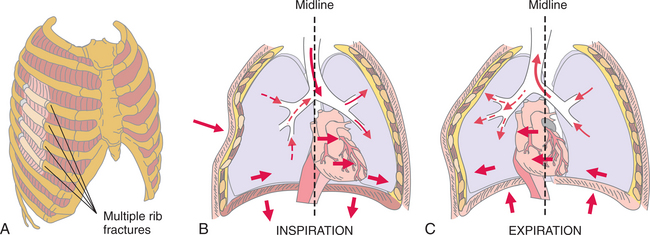
In flail chest, the paradoxical chest motion impairs movement of gas in and out of the lungs (Fig. 15-13), promotes atelectasis, and impairs pulmonary drainage. Other clinical manifestations of flail chest include excruciating pain, severe dyspnea, hypoventilation, cyanosis, and hypoxemia, leading to respiratory failure without the appropriate intervention.

Figure 15-13 Flail chest. Arrows indicate air movement or structural movement. A, Flail chest consists of fractured rib segments that are detached (free-floating) from the rest of the chest wall. B, On inspiration, the flail segment of ribs is sucked inward. The affected lung and mediastinal structures shift to the unaffected side. This compromises the amount of inspired air in the unaffected lung. C, On expiration, the flail segment of ribs bellows outward. The affected lung and mediastinal structures shift to the affected side with the diaphragm elevated on that side (not shown). Some air within the lungs is shunted back and forth between the lungs instead of passing through the upper airway.
In a retrospective study of 492 adults, the combination of pain with palpation and hypoxia predicted 100% of all significant acute intrathoracic injuries seen on radiographs.360 Because blunt trauma may also involve significant soft tissue injury, multidetector CT is recommended to more accurately determine the extent of injury.301
Initial treatment follows the ABCs of emergency treatment (airway, breathing, and circulation) to treat the pneumothorax, thereby enabling the person to breathe deeply and to effectively clear secretions. A chest tube removes both air and blood in the pleural cavity after chest trauma and regains the negative pressure in the pleural space so the lungs can remain inflated. The tube is usually positioned in the sixth intercostal space in the posterior axillary line. CPAP or PEEP may be used to enhance lung expansion.28
Treatment may require internal fixation by controlled mechanical ventilation until the chest wall has stabilized, which may take 14 to 21 days or more. Ventilators are able to monitor pressure, flow, and volume so treatment can be prescribed and modified for each person.43
Whenever pulmonary function is adequate, intubation is avoided to help reduce infection, the most common complication associated with morbidity and mortality in clients with flail chest. Pharmacologic treatment may include muscle relaxants or musculoskeletal paralyzing agents (e.g., pancuronium bromide) to reduce the risk of separation of the healing costochondral junctions.
Older adults are more likely to have comorbid conditions and less likely to tolerate traumatic respiratory compromise. Older adults have a significantly higher rate of chest injuries sustained in motor vehicle accidents.259 Age and its effects on the body are the strongest predictor of outcome with flail chest, and increasing age is associated with increased complications and mortality.8
Damaged caused by ventilator use is indistinguishable from the damage caused by ARDS.156 In one study, 24% of the people with no acute lung injury developed acute lung injury from mechanical ventilation within 5 days.146 Care must be taken to adjust tidal volume using height and gender. Using a prone position may decrease the lung stress while on ventilation.296
The relationship between occupations and disease has been observed, studied, and documented for many years. An in-depth discussion of this broad topic is included in Chapter 4. This chapter discusses only environmental and occupational diseases related to the lung. Occupational diseases can be divided into three major categories: (1) inorganic dusts (pneumoconioses); (2) organic dusts (hypersensitivity pneumonitis); and (3) fumes, gases, and smoke inhalation. These three categories have pathologic characteristics in common, including involvement of the pulmonary parenchyma with a fibrotic response.
Any group of lung diseases resulting from inhalation of particles of industrial substances, particularly inorganic dusts, such as those from iron ore or coal, with permanent deposition of substantial amounts of such particles in the lung, is included in the generic term of pneumoconiosis (dusty lungs). Clinically common pneumoconioses include coal workers’ pneumoconiosis, silicosis, and asbestosis. Other types of pneumoconiosis include talc, beryllium lung disease (berylliosis), aluminum pneumoconiosis, cadmium workers’ disease, and siderosis (inhalation of iron or other metallic particles). Farmers in dry climate regions exposed to respirable dust (inorganic agricultural dusts) during farming activities (e.g., plowing and tilling) and toxic gases (e.g., from animal confinement) may develop chronic bronchitis, hypersensitivity pneumonitis, and pulmonary fibrosis.
Obviously occurring in occupational groups, pneumoconiosis is most common among miners, sandblasters, stonecutters, asbestos workers, insulators, and agriculture workers. There is an increasing incidence with age because of cumulative effects of exposure, but overall incidence of diseases caused by mineral dust has declined recently in postindustrial countries. Instead, there is a rise in occupational asthma and illnesses caused by exposure in new office buildings and hospitals.35
Silicosis, formerly called potters’ asthma, stonecutters’ cough, miners’ mold, and grinders’ rot, is most likely to be contracted in today’s industrial jobs involving sandblasting in tunnels, hard-rock mining (extraction and processing of ores), and preparation and use of sand. It can occur in anyone habitually exposed (usually over a period of 10 years) to the dust contained in silica, and any miner is subject to it. Usually, silicosis is associated with extensive or prolonged inhalation of free silica (silicon dioxide) particles in the crystalline form of quartz.
Higher-risk workplaces are those with obvious dust, smoke, or vapor or those in which there is spraying, painting, or drying of coated surfaces. Heavier exposure occurs when there is friction, grinding, heat, or blasting; when very small particles are generated; and in enclosed spaces.
Not all clients exposed to occupational inhalants will develop lung disease. Harmful effects depend on the (1) type of exposure, (2) duration and intensity of exposure, (3) presence of underlying pulmonary disease, (4) smoking history, and (5) particle size and water solubility of the inhalant. The larger the particle, the lower the probability of its reaching the lower respiratory tract; highly water-soluble inhalants tend to dissolve and react in the upper respiratory tract, whereas poorly soluble substances may travel as far as the alveoli.
The risk of lung cancer in those who both smoke and are exposed to asbestosis is increased in a multiplicative way.44 Exposure to significant amounts of asbestos is most common when asbestos materials are disturbed during renovation, repair, or demolition of older buildings containing asbestos materials.
Exposure while washing clothes soiled with these toxic substances has caused mesothelioma (malignancy associated with asbestos exposure) and berylliosis (beryllium lung disease associated with exposure to beryllium used in the manufacture of fluorescent lamps before 1950). Beryllium is used today as a metal in structural materials employed in aerospace industries, in the manufacture of industrial ceramics, and in atomic reactors, so exposure is still possible.
Dust particles (indestructible mineral fibers) that are not filtered out by the nasociliary mechanism or mucociliary escalator may be deposited anywhere in the respiratory tract and lungs, especially the small airways and alveoli. Each disease has its own pathogenesis, but in general the most dangerous dust particles measure 2 μm or less and are deposited in the smallest bronchioles and the acini (see Fig. 15-2). The particles are ingested by alveolar macrophages, and most of the phagocytosed particles ascend to the mucociliary lining and are expectorated or swallowed. Some migrate into the interstitium of the lung and then into the lymphatics. These indestructible mineral fibers can actually pierce the lung cells. In response to the continued presence of these fibers and to the cell damage, activated macrophages secrete fibroblast-stimulating factor, which in turn mediates excessive fibrosis (i.e., the thickening and scarring of lung tissue that occur around the mineral fiber).
In coal workers’ pneumoconiosis, ingestion of inhaled coal dust by alveolar macrophages leads to the formation of coal macules, which appear on the radiograph as diffuse small opacities (or white areas) in the upper lung. Anthracite or hard coal is associated with a higher incidence of black lung than is bituminous or soft coal.
In the pathogenesis of silicosis, groups of silicon hydroxide on the surface of the particles form hydrogen bonds with phospholipids and proteins, an interaction that is presumed to damage cellular membranes and thereby kill the macrophage. The dead macrophages release free silica particles and fibrogenic factors. The released silica is then reingested by macrophages, and the process is amplified.
Between 10 and 40 years after initial exposure to silica, small rounded opacities called silicotic nodules form throughout the lung. These fibrotic nodules scar the lungs and make them receptive to further complications (e.g., TB, bronchitis, or emphysema).
Asbestosis is characterized by inhalation of asbestos fibers, a fibrous magnesium and calcium silicate nonburning compound used in roofing materials, insulation for electric circuits, brake linings, and many other products that must be fire-resistant. As with the other pneumoconioses, asbestos particles are engulfed by macrophages. Once activated, macrophages then release inflammatory mediators resulting in nodular interstitial fibrosis that can be seen on radiographs along with thickened pleura.
After an interval of 10 to 20 years between exposure and further complications, calcified pleural plaques on the dome of the diaphragm or lateral chest wall develop. The lower portions of the lungs are more often involved than the upper portions in asbestosis.
How asbestos causes mesothelioma is unclear; the formation of oxygen free radicals by macrophages can be a cause of chromosomal damage, or there may be a growth factor that governs individual susceptibility to mineral fiber–induced mesothelioma. Other mechanisms of oncogenesis have been proposed but remain unconfirmed.76,353
Symptoms of pneumoconioses from dust exposure include progressive dyspnea, chest pain, chronic cough, and expectoration of mucus containing the offending particles. In rare cases, rheumatoid arthritis coexisting primarily with coal workers’ pneumoconiosis but also with silicosis and asbestosis causes Caplan’s syndrome, a condition characterized by the presence of rheumatoid nodules in the periphery of the lung. Long-term exposure to acid and other substances produces ulceration and perforation of the septum, whereas nickel and certain wood dusts cause nasal carcinoma.
Work-related asthma can be an exacerbation of asthma that was previously subclinical or in remission (work-aggravated asthma), a new onset of asthma caused by a sensitizing exposure (asthma with latency), or asthma that results from a single heavy exposure to a potent respiratory irritant (referred to as asthma without latency, irritant asthma, or reactive airways dysfunction syn drome). Symptoms are as discussed in the section on Asthma in this chapter.
Simple silicosis is usually asymptomatic and has no effect on routine pulmonary function tests. As the disease progresses, mucus tinged with blood, loss of appetite, chest pain, and general weakness may occur. In complicated silicosis, dyspnea and obstructive and restrictive lung dysfunction occur.
Asbestosis is characterized by dyspnea, inspiratory crackles (on auscultation), and sometimes clubbing and cyanosis. As in the case of the other pneumoconioses, the simple or uncomplicated form of coal workers’ pneumoconiosis is uncommon, but the chronic form is often associated with chronic bronchitis and infections.
Prevention is the first line of defense against occupational diseases. Workplace-based education, preemployment screening, yearly physical examinations, surveillance and exposure reduction, and elimination of the pathogen are essential components of a strategy to prevent occupational lung disorders. Precautions, such as the use of facemasks, protective clothing, and proper ventilation, are essential. Regular chest films are recommended for all workers exposed to silica as a means of early detection.
In 1971, asbestos became the first material to be regulated by the U.S. Occupational Safety and Health Administration (OSHA). The Environmental Protection Agency (EPA) has classified asbestos as a Group A human carcinogen, causing both lung cancer and mesothelioma. It is still unclear if lung cancer can occur as result of exposure to asbestos without the presence of asbestosis.194 The EPA maintains the Integrated Risk Information System database on health effects of exposure to various substances. This agency also controls the National Emission Standards for Hazardous Air Pollutants (http://www.epa.gov).
Identifying a workplace-related cause of disease is important because it can lead to cure and to prevention for others. The recognition of occupational causes can be difficult because of the latency period, delayed responses that occur at home either after work or years after exposure. Diagnosis is by history of exposure (which may be minimal with asbestosis and far removed in time from the onset of disease; the person may even be unaware of the exposure), sputum cytology, lung biopsy, chest film showing nodular or interstitial fibrosis, and pulmonary function studies.
Other pulmonary imaging techniques used in conjunction with the initial chest radiograph include conventional CT, high-resolution CT, and gallium scintigraphy. High-resolution CT scanning is the best imaging method to differentiate different origins of pneumoconiosis as presentation varies with the stimulus (silica, coal dust, iron dust, or asbestos). Magnetic resonance imaging (MRI) is helpful to distinguish progressive fibrosis from lung cancer87,275 (see the section on Diagnosis under Lung Cancer in this chapter). Imaging alone is inadequate to make most diagnoses; clinical presentation of symptoms and lung function are also important.363 Genetic susceptibility may be associated with beryllium-induced disease and may play a role in mediating other types of pneumoconiosis.136
There is no standard treatment for these diseases. The dust deposits are permanent so treatment is directed toward relief of symptoms. Corticosteroids may produce some improvement in silicosis. Although there is no cure for any of the pneumoconioses, the complications of chronic bronchitis, pulmonary hypertension, and cor pulmonale must be treated. When lung neoplasm occurs, surgical removal and therapeutic modalities, such as radiotherapy or chemotherapy, may be employed.
The devastating feature of pneumoconioses is that there may be no obvious symptoms until the disease is in an advanced state. Once fully developed, prognosis is poor for most occupational lung diseases, with progressive and disabling results. Simple silicosis is not ordinarily associated with significant respiratory dysfunction unless complicated by emphysema and chronic bronchitis from cigarette smoking.
Although now uncommon, acute silicosis resulting from heavy exposure to silica rarely responds to treatment and progresses rapidly over a few years when it occurs. The increased incidence of TB among people with silicosis presents an additional negative factor to the prognosis.
Exposure to asbestos, radon, silica, chromium, cadmium, nickel, arsenic, and beryllium may result in neoplasm. Crystalline silica is a known human carcinogen, but this link is not defined and may be overestimated.253,339 Both bronchogenic carcinoma and mesotheliomas of the pleura and peritoneum have been linked to asbestos. The exposure typically occurs 20 years before the development of bronchogenic carcinoma and approximately 30 to 40 years before the appearance of mesothelioma. The disease culminates in the sixth decade, with few cases occurring before age 40 years. Although progress has been made, mesothelioma still has a 5-year survival rate of only 9%. New chemotherapy drugs have increased the life expectancy but are not curative.
Coal workers’ pneumoconiosis was once thought to cause severe disability, but it is now clear that black lung causes minor impairment of pulmonary function at its worst. When coal miners have severe air-flow obstruction, it is usually due to smoking.
Exposure to organic dusts may result in hypersensitivity pneumonitis, also called extrinsic allergic alveolitis. The alveoli and distal airways are most often involved as a result of inhalation of organic dusts and active chemicals. Most of the diseases are named according to the specific antigen or occupation and involve organic materials such as molds (e.g., mushroom compost, moldy hay, sugar cane, or logs left unprotected from moisture), fungal spores (e.g., stagnant water in air conditioners and central heating units), plant fibers or wood dust (particularly redwood and maple and cotton), cork dust, coffee beans, bird feathers, and hydroxyurea (cytotoxic agent).
Gram-bacterial endotoxins may be more to blame than dust in causing pneumonitis in cotton textile workers.440 Mycobacteria have also been shown to be responsible for hypersensitivity pneumonitis in industrial metal grinding and in “hot tub lung.”7,187
Regardless of the specific antigen involved in the pathogenesis of hypersensitivity pneumonitis, the pathologic alterations in the lung are similar. A combination of immune complex–mediated and T cell–mediated hypersensitivity reactions occurs, although the exact mechanism of these processes is still unknown.
Host factors, such as cigarette smoking and the presence of some human leukocyte antigen (HLA) proteins, also play an important role in the development or suppression of the disease. Most characteristic is the presence of scattered, poorly formed granulomas that contain foreign body giant cells. Mild fibrosis may occur, usually in the alveolar walls.
The diagnosis of hypersensitivity pneumonitis of an organic origin is made by history of exposure, pulmonary function studies, inflammatory mediators in sputum, and clinical manifestations, which commonly include abrupt onset of dyspnea, fever, chills, and a nonproductive cough.
Initially, symptoms may be reversed by removing the worker from the exposure (the only adequate treatment), modifying the materials-handling process, or using protective clothing and masks. The symptoms typically remit within 24 to 48 hours but return on reexposure and with time and in some people, may become chronic.
Hypersensitivity pneumonitis may present as acute, subacute, or chronic pulmonary disease depending on the frequency and intensity of exposure to the antigen. The prognosis is poor with repeated exposure to these organic dusts, resulting in nonreversible interstitial fibrosis and other adverse respiratory effects.
Exposure to toxic gases and fumes is an increasing problem in modern industrial society. Any time oxygen in the air is replaced by another toxic or nontoxic agent, asphyxia (deficient blood oxygen and increased carbon dioxide in blood and tissues) occurs. Such is the case when products manufactured from synthetic compounds are heated at high temperatures, releasing fumes. For example, workers who use heating elements to seal meat in plastic wrappers and workers involved in the manufacture of plastics and packaging materials made of polyvinyl chlorides are exposed to these fumes. Workers exposed to the artificial butter flavoring for popcorn, diacetyl, have developed significant respiratory obstruction.251
The most common mechanism of injury is local irritation, the specific type and extent depending on the type and concentration of gas and the duration of exposure. For example, highly soluble gases, such as ammonia, rapidly injure the mucous membranes of the eye and upper airway, causing an intense burning pain in the eyes, nose, and throat. Insoluble gases, such as nitrogen dioxide, encountered by farmers cause diffuse lung injury.
Metal fume fever is a systemic response to inhalation of certain metal dusts and fumes such as zinc oxide used in galvanizing iron, the manufacture of brass, and chrome and copper plating. Symptoms include fever and chills, cough, dyspnea, thirst, metallic taste, salivation, myalgias, headache, and malaise. Welding fumes create exposure to multiple hazardous agents and cause varied respiratory and systemic pathology.297 Polymer fume fever, associated with heating of polymers, may cause similar symptoms. With brief exposures, the symptoms associated with these two syndromes are self-limiting, but prolonged exposure results in chronic cough, hemoptysis, and impairment of pulmonary function associated with a wide range of lung pathologic conditions.
Chemical pneumonitis can result from exposure to toxic fumes. The acute reaction may produce diffuse lung injury characterized by air space disease typical of pulmonary edema. In its chronic form, bronchiolitis obliterans develops.
Smoke inhalation injury produces direct mucosal injury secondary to hot gases, tissue anoxia caused by combustion products, and asphyxia as oxygen is consumed by fire. Thermal injury seen in the upper airway is characterized by edema and obstruction. Incomplete combustion of industrial compounds produces ammonia, acrolein, sulfur dioxide, and other substances in today’s fires.
Environmental tobacco smoke (ETS), or exposure to secondhand smoke among nonsmokers, is widespread. Home and workplace environments are major sources of exposure. A total of 15 million children are estimated to be exposed to secondhand smoke in their homes annually. ETS increases the risk of heart disease and respiratory infections in children, increases the risk of lung cancer by a factor of 2 to 3, and is responsible for an estimated 3000 cancer deaths of adult nonsmokers and 2300 deaths from suden infant death syndrome (SIDS) annually.344
Infants born to women exposed to ETS during pregnancy have an increased chance of decreased birth weight and intrauterine growth retardation.195 Prenatal exposure to mainstream smoke from the mother and even to ETS from the mother has been shown to change fetal lung devel opment and cause air-flow obstruction, promote airway hyperresponsiveness and early development of asthma and allergy, and double the odds of future attention deficit hyperactivity disorder.214,256
Newborns, infants, and children under the age of 2 years are at high risk for cardiovascular effects if they are exposed to household ETS during this time. Endothelial cells of the blood vessels damaged as a result of exposure to passive smoking can be measured during the first decade of life. ETS over a period of more than 10 years changes the intima/media ratio by enhancing the thickness of the vessel wall. Other effects of involuntary smoking among children may include middle ear disease, upper and lower respiratory infections, and asthma.215,416
ETS is associated with rhinitis symptoms of runny nose and nasal congestion in some people and is associated with decreased flow in the airways, bronchial hyperresponsiveness, and increased respiratory infections.164 Other symptoms following exposure to secondhand tobacco smoke may include headache, chest discomfort or tightness, and cough. See also the section on Lung Cancer in this chapter.
Near drowning refers to surviving (24 hours or longer) the physiologic effects of hypoxemia and acidosis that result from submersion in fluid. Near drowning occurs in three forms: (1) dry drowning, inhalation of little or no fluid with minimal lung injury because of laryngeal spasm (10% to 15% of cases); (2) wet drowning, aspiration of fluid with asphyxia or secondary changes caused by aspiration (85%); and (3) recurrence of respiratory distress secondary to aspiration pneumonia or pulmonary edema within 1 to 2 days after a near-drowning incident. Recovery is rapid if respiration and circulation are restored before permanent neurologic damage occurs. Death may occur from asphyxia secondary to reflex laryngospasm and glottic closure.
Unintentional drowning is the second leading cause of death by injury in those under 15 years of age and the third leading cause of accidental death among all age groups. Nearly 80% of drowning victims are males; other risk factors include epilepsy, mental retardation, heart attack, head or spinal cord injury at the time of the accident, failure to use personal flotation devices, increased use of hot tubs and spas, and lack of proper swimming training or overestimation of endurance by those who can swim. Alcohol consumption while swimming or boating is involved in about 25% to 50% of adolescent and adult deaths associated with water recreation and is a major contributing factor in up to 50% of drownings among adolescent boys.80
For every child under 15 years who drowns, 5 require medical care for near-drowning injuries. The complications of near drowning fall into two categories: the effects of prolonged anoxia on the brain and kidney, which as end organs may experience complications that are irreversible (determining the final prognosis), and acute lung injury from aspiration of fluids. When aspiration accompanies drowning, severe pulmonary injury often occurs, resulting in persistent arterial hypoxia and metabolic acidosis even after ventilation has been restored.
In the past, a distinction was made between the effects of saltwater and freshwater drowning (e.g., cardiovascular function and changes in blood volume and serum electrolyte concentrations), but it is now known that hypoxia is the most important determinant of survival in human near drowning, regardless of the type of water involved.
Regardless of the amount of water aspirated, the duration of submersion and the water temperature determine the pathologic events. Hypoxia results in global cell damage; different cells tolerate variable lengths of anoxia. Neurons, especially cerebral cells, sustain irreversible damage after 4 to 6 minutes of submersion. The heart and lungs can survive up to 30 minutes.
The extent of CNS injury tends to correlate with the duration of hypoxia, but hypothermia accompanying the incident is associated with changes in neurotransmitter release (glutamate, dopamine) and may reduce the cerebral oxygen requirements and help reduce CNS injury. For a detailed review of cold-water submersion, its mechanisms, and its effects the reader is referred to other sources.153,189
The clinical features in near drowning are variable, and the person may be unconscious, semiconscious, or awake but apprehensive. Pulmonary and neurologic symptoms predominate, with cough, tachypnea, and possible development of ARDS (see discussion in this chapter) with progressive respiratory failure.
Other pulmonary complications include pulmonary edema, bacterial pneumonia, pneumothorax, or pneumomediastinum secondary to resuscitation efforts. Fever occurs in the presence of aspiration during the first 24 hours but can occur later in the presence of infection.
Early neurologic manifestations include seizures, especially during resuscitative measures, and altered mental status, including agitation, combativeness, or coma. Speech, motor, or visual abnormalities may occur, improve gradually, and resolve over several months.
Prevention of drowning and near-drowning events is a vital part of education. The CDC recommends mandating and enforcing legal limits for blood alcohol levels during water recreation activities, public education about the danger of combining alcohol (and other substances) with water recreation, restricting the sale of alcohol at water recreation facilities, and eliminating advertisements that encourage alcohol use during boating. Additional safeguard techniques for prevention of drowning among children are available.80
Improved training in cardiopulmonary resuscitation (CPR) has resulted in survival of the majority of near-drowning victims who live long enough to receive hospital care. Restoration of ventilation and circulation by means of resuscitation at the scene of the accident is the primary goal of treatment to restore oxygen delivery and prevent further hypoxic damage. Other treatment is largely supportive, with antibiotics for pulmonary infection, maintenance of fluid and electrolyte balance, possible transfusion for significant anemia, and management of acute renal failure.
Comatose near-drowning victims frequently have elevated intracranial pressure caused by cerebral edema and loss of cerebrovascular autoregulation. Reduction of cerebral blood flow adds ischemic injury to already damaged brain tissue. In order to reserve cerebral function in such cases, cerebral resuscitation (controlled hyperventilation; deliberate hypothermia; or use of barbiturates, glucocorticoids, and diuretics) may be utilized.
The prognosis depends in large part on the extent and duration of the hypoxic episode. People have survived as long as 70 minutes of immersion with complete recovery, but up to 20% of all near-drowning victims will have permanent sequelae, many of which are ultimately fatal. If laryngospasm is finally overcome and the person aspirates water or if aspiration of vomitus occurs during resuscitative measures, prognosis is worse than without these complications.
Other unfavorable prognostic indicators include first blood pH values below 7, low rectal temperature on admission to the hospital, abnormal electroencephalogram (EEG), deterioration of room air oxygen saturation, and degree of EEG disturbance.
Coincident head trauma or subdural hematoma presents an additional prognostic complication. Neurologic injury is the most serious and least reversible complication in those persons successfully resuscitated. Little, if anything, has been shown to help, and it carries a grave prognosis.
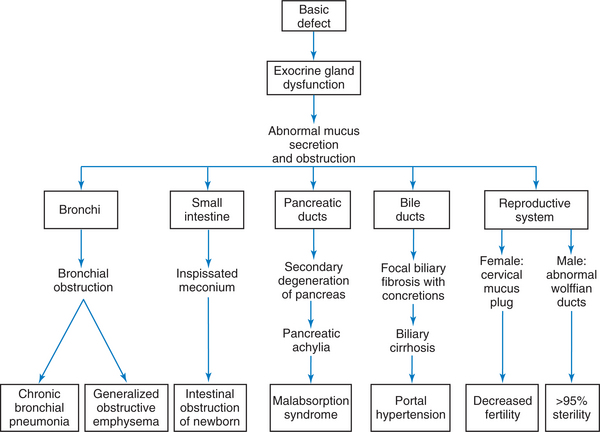
CF is an inherited disorder of ion transport (sodium and chloride) in the exocrine glands affecting the hepatic, digestive, male reproductive (the vas deferens is functionally disrupted in nearly all cases), and respiratory systems (Fig. 15-14). The basic genetic defect predisposes to chronic bacterial airway infections, and almost all persons develop obstructive lung disease associated with chronic infection that leads to progressive loss of pulmonary function.
CF is the most common inherited genetic disease in the white population, affecting approximately 30,000 children and young adults (equal gender distribution) in the United States. More than 1000 new cases are diagnosed each year. The disease is inherited as an autosomal recessive trait, meaning that both parents must be carriers so that the child inherits a defective gene from each one. In the United States, 5% of the population, or 12 million people, carry a single copy of the CF gene. Each time two carriers conceive a child, there is a 25% chance (1: 4) that the child will have CF, a 50% (1: 2) chance that the child will be a carrier, and a 25% chance that the child will be a noncarrier.
Ten percent of new cases are diagnosed in those over 18 years of age.104 The severity of the disease is strongly correlated with socioeconomic status and access to health care.376
In recent years, there have been major advances in understanding the underlying genetic factors related to this disease. In 1985, the CF gene was located on the long arm of chromosome 7. In 1989, the gene for CF was cloned and abnormalities in the CF transmembrane conductance regulator (CFTR) protein were attributed to CF. Clones are identical copies of genes used to study the DNA sequence that allows scientists to determine the nature and function of the protein encoded by the gene. Cloning opens up the possibility of gene therapy for a disorder. It should be noted that the CFTR genotype is not a good predictor of disease severity, and a modifier gene has yet to be identified.101,109
In healthy people, this CFTR protein provides a channel by which chloride (a component of salt) can pass in and out of the plasma membrane of many epithelial cells, including those of the kidney, gut, and conducting airways. Clients with CF have a defective gene that normally enables cells to form or regulate that channel.
At least two gating mechanisms of CFTR are now known; one relies on hydrolysis and the second depends on stable adenosine triphosphate (ATP) binding.188 There are complex relationships between CFTR, the epithelial sodium channel, and mucociliary clearance, which are currently being examined.206 The loss of CFTR function appears to be as important as the defective transport channel.37
Over 300 mutations in the CF gene affecting the CFTR protein have been described, but not all of the mutations have been identified, so mass screening cannot yet identify individuals carrying the gene for CF who would otherwise test negative. New tests are being developed to more reliably detect for mutations.232
Inflammation plays a role in lung damage associated with CF unrelated to the genetic defect.110 The role of polymorphism (individual variation) of a gene that regulates protection from lung injury (by producing a sub- stance called glutathione) has strong association with the severity of CF lung disease.292
Much about the complex pathogenesis of CF is still unknown, but it does appear that this impermeability of epithelial cells to chloride results in (1) dehydrated and increased viscosity of mucous gland secretions, primarily in the lungs, pancreas, intestine, and sweat glands; (2) elevation of sweat electrolytes (sodium chloride); and (3) pancreatic enzyme insufficiency. The dehydration resulting in thick, viscous mucous gland secretions causes the mechanical obstruction responsible for the multiple clinical manifestations of CF.
Bronchial and bronchiolar obstruction by the abnormal mucus predisposes the lung to infection and causes patchy atelectasis with hyperinflation. The disease progresses from mucous plugging and inflammation of small airways (bronchiolitis) to bronchitis, followed by bronchiectasis, pneumonia, fibrosis, and the formation of large cystic dilations that involve all bronchi. A summary of differences among these various respiratory diseases is provided (Table 15-10).
Table 15-10
Respiratory Disease Summary of Differences
| Disease | Primary Area Affected | Result |
| Acute bronchitis | Membrane lining bronchial tubes | Inflammation of lining. |
| Bronchiectasis | Bronchial tubes (bronchi or air passages) | Bronchial dilation with inflammation. |
| Pneumonia | Alveoli (air sacs) | Causative agent invades alveoli with resultant outpouring from lung capillaries into air spaces and continued healing process. |
| Chronic bronchitis | Larger bronchi initially; all airways eventually | Increased mucus production (number and size) causing airway obstruction. |
| Emphysema | Air spaces beyond terminal bronchioles (alveoli) | Breakdown of alveolar walls; spaces enlarged. |
| Asthma | Bronchioles (small airways) | Bronchioles obstructed by muscle spasm, swelling of mucosa, thick secretions. |
| Cystic fibrosis | Bronchioles | Bronchioles become obstructed and obliterated; later larger airways become involved; mucous plugs cling to airway walls, leading to bronchitis, bronchiectasis, atelectasis, pneumonia, or pulmonary abscess. |
From Goodman CC, Snyder TE: Differential diagnosis for the physical therapist, ed 4, Philadelphia, 2007, Saunders
New findings about how specific molecules signal the onset of inflammation and tissue-damaging enzymes and how these chemicals all interact are adding to the knowledge base of CF pathophysiology. For example, in CF lungs, a decreased level of nitric oxide (NO; this is not the same as nitrous oxide [N2O]), a chemical that decreases inflammation, may be explained by the loss of an enzyme needed to produce NO.
Several laboratories are working to identify how a defect in CFTR causes the loss of NO or the needed enzymes. The inflammatory response against bacteria in the airways of individuals with CF involves the generation of reactive oxygen species (formation of free radicals) leading to further inflammation and tissue damage. Without the necessary NO, a vicious cycle of inflammatory-immune processes and bacteria survival persists. Restoring the balance of oxidants and antioxidants could restore health in the CF lung.
New data on the structure of CFTR, including the size and shape of the channel through which the chloride must pass, how to stabilize the channel and increase the time it stays open, and the life cycle of this protein, are being used to provide scientists with ideas for new treatments.
Other researchers are investigating why the CF lung is so receptive to the onslaught of infection by examining the role of defensin and other bacteria-killing molecules in the CF airway and the inhibition of these antimicrobial peptides by high salt concentrations.
The consistent finding of abnormally high sodium and chloride concentrations in the sweat is a unique characteristic of CF. Parents frequently observe that their infants taste salty when they kiss them. Almost all clinical manifestations of CF are a result of overproduction of extremely viscous mucus and deficiency of pancreatic enzymes.
A complete list of clinical manifestations by organ and in order of progression is given in Box 15-7. Recurrent pneumothorax, hemoptysis, pulmonary hypertension, and cor pulmonale are serious and life-threatening complications of severe and diffuse CF pulmonary disease.
Pancreas.: Approximately 90% of clients have pancreatic insufficiency with thick secretions blocking the pancreatic ducts and causing dilation of the small lobes of the pancreas, degeneration, and eventual progressive fibrosis throughout. The blockage also prevents essential pancreatic enzymes from reaching the duodenum, thus impairing digestion and absorption of nutrients. Clinically, this process results in bulky, frothy (undigested fats because of a lack of amylase and tryptase enzymes), and foul-smelling stools (decomposition of proteins producing compounds such as hydrogen sulfide and ammonia).
As the life expectancy for people with CF has improved, the incidence of glucose intolerance and CF-related diabetes has increased because pancreatic damage can eventually affect the beta-cells. Hyperglycemia may adversely influence nutritional status and weight, pulmonary function, and development of late microvascular complications.448
Gastrointestinal.: The earliest manifestation of CF, meconium ileus (sometimes referred to as distal intestinal obstruction syndrome), is present in approximately 10% to 15% of newborns with CF; the small intestine is blocked with thick, puttylike tenacious meconium. Prolapse of the rectum is the most common gastrointestinal complication associated with CF, occurring most often in infancy and childhood.
Children of all ages with CF are susceptible to intestinal obstruction from thickened, dried, or impacted stools (inspissated meconium). Advances in investigative techniques have led to increasing reports of Crohn’s disease and ischemic bowel disease in persons with CF. Prolonged administration of excessive doses of pancreatic enzymes is associated with the development of fibrosing colonopathy. To avoid this complication, current recommendation for a daily dose of pancreatic enzymes for most people with CF is below 10,000 units of lipase per kilogram per day.
A new enzyme, TheraCLEC-Total (TCT), has been shown to be promising in improving absorption of fat and nutrients and is ready for type 2 clinical trials.50 Poor nutrition and weight loss are common as a result of malabsorption, inadequate oral intake, early satiety, and increased utilization of calories.
Pulmonary.: Chronic cough and purulent sputum production are symptomatic of lung involvement. The child is unable to expectorate the mucus because of its increased viscosity. This retained mucus provides an excellent medium for bacterial growth, placing the individual at increased risk for infection. Reduced oxygen–carbon dioxide exchange causes variable degrees of hypoxia, clubbing (see Fig. 15-4), cyanosis, hypercapnia, and resultant acidosis. Chronic pulmonary infection and hyperinflation lead to secondary manifestations of barrel chest, pectus carinatum, and kyphosis.
The most common complication of CF is an exacerbation of pulmonary disease requiring medical and physical therapy intervention. Early warning signs (Box 15-8) must be recognized and treatment initiated (referred to as a “tune-up”), preferably at home but sometimes in the hospital. Respiratory failure is a frequent complication of severe pulmonary disease in persons with CF and is the most common cause of CF-related deaths.
Liver.: Liver involvement in CF is much less frequent than both pulmonary and pancreatic diseases, which are present in 80% to 90% of individuals with CF. Liver disease affects only one third of the CF population; however, because of the decreasing mortality from extrahepatic causes, its recognition and management are becoming a relevant clinical issue.92a
Recent observations suggest that clinical expression of liver disease in CF may be influenced by genetic modifiers; their identification is an important issue because it may allow recognition of people at risk for the development of liver disease at the time of diagnosis of CF and early institution of prophylactic strategies.92a
Genitourinary.: Genitourinary manifestations are primarily related to reproduction; infertility once thought to be universal in men and common in women may be treated successfully with new techniques for in vitro fertilization. The vas deferens may be absent bilaterally, or if present, it is obstructed so that although sperm production is normal, blockage or fibrosis of the vas deferens prevents release of the sperm into the semen (azoospermia). Women experience decreased fertility because thick mucus in the cervical canal prevents conception. As the disease progresses, there is also an increased incidence of amenorrhea.
Musculoskeletal.: Muscle pain is reported and may be alleviated with proper nutrition and exercise, although this is based on anecdotal information and has not been verified in studies. Decreased BMD and bone mineral content are common at all ages in CF, attributed to multifactorial causes (e.g., nutrition, exposure to glucocorticoid therapy, gonadal dysfunction, age, body mass, or activity). Spinal consequences of bone loss include excessive kyphosis and neck and back pain. Lung transplant is also associated with increased osteoporosis from long-term immunosuppression.
Hypertrophic pulmonary osteoarthropathy occurs with increasing frequency with increasing age and severity of disease in 2% to 7% of affected individuals. This condition is accompanied by clubbing of the fingers and toes; arthritis; painful periosteal new bone formation (especially over the tibia); and swelling of the wrists, elbows, knees, or ankles. The periostitis is observed radiographically in the diaphysis of the tubular bones and may be a single layer or a solid cloaking of the bone.
Separately and usually without association with other manifestations of CF, attacks of episodic arthritis accompanied by severe joint pain, stiffness, rash, and fever may occur intermittently but repeatedly. Also related to CF are rheumatoid arthritis, spondyloarthropathies, sarcoidosis, and amyloidosis, which are caused by coexistent conditions and drug reactions.51
Now that the gene responsible for CF has been identified, prenatal diagnosis and screening of carriers are possible as part of genetic counseling. The tests only detect mutations already observed but account for 70% (those with the DF508 mutation) of all CF carriers. In 2004, the CDC issued a recommendation that all newborns should be screened for CF and currently 18 states and the District of Columbia do routine screening. Prepregnancy genetic testing that involves DNA analysis of oocytes is available for couples at risk for having children with CF.
About one-half of all children with CF present in infancy with failure to thrive, respiratory compromise, or both. The age at presentation can vary, and some people are not diagnosed until adulthood. CF is traditionally diagnosed using the sweat test; a positive test occurs when the sodium chloride concentration is greater than 60 mEq/L for anyone younger than 20 years (reference value: 40 mEq/L) and above 80 mEq/L for those over 20 years.396
Although elevated sweat electrolytes are associated with other conditions, a positive sweat test coupled with the clinical picture usually confirms the diagnosis. The test should be performed at a certified CF center and repeated a second time. Alternatively, CF can be diagnosed by genotype analysis (performed prenatally or postnatally). CF can be diagnosed on DNA alone.
Pancreatic elastase-1 (EL-1), a marker of exocrine pancreatic insufficiency in CF, can be measured in feces. EL-1 is a specific human protease synthesized by the acinar cells of the pancreas and is a reliable test of pancreatic sufficiency over the age of 2 weeks. Fecal elastase has good sensitivity and specificity and predictive values for severe cases of pancreatic insufficiency. This test can be used to rule out the diagnosis of CF, to confirm the need for pancreatic enzymes, and for annual monitoring of pancreatic-sufficient individuals to detect the onset of pancreatic insufficiency. Other tests, including a breath test, are being developed and tested.50
Pulmonary function tests are performed in affected individuals from the age of 6 and up to measure and monitor lung function over time (see Table 40-22). These tests are used to classify the severity of baseline lung disease. Almost all measures are based on the flow of air into and out of the lungs in a given period of time.
The two most common lung function measures are FEV1 (forced expiratory volume in 1 second) and FVC (forced vital capacity). These tests should be repeated two to four times each year for adults to assess the effectiveness of treatment; pulmonary function declines with progressive lung disease.
Diabetes mellitus should be identified early by screening with a glucose tolerance test from the age of 15 years and treated with insulin, dietary management, and exercise from the time of diagnosis of diabetes. Symptoms of CF-related diabetes are often confused with pulmonary infection. Diabetes significantly impacts the course of CF, though the relationship is not clear. The microvascular system should be screened annually for complications.96
Several scoring systems have been developed to assess disease severity, measure acute changes, and evaluate appropriateness for lung transplant. The most reliable and useful are the modified Shwachman and modified Huang scores. There is a need for a longitudinal assessment tool to follow individuals with milder CF.183
Diagnosis of CF in adulthood is generally due to a milder presentation of the disease and has a more favorable prognosis. Adults with unexplained chronic respiratory infections, bronchiectasis, pancreatitis, or absence of vas deferens should be screened for CF.319,396
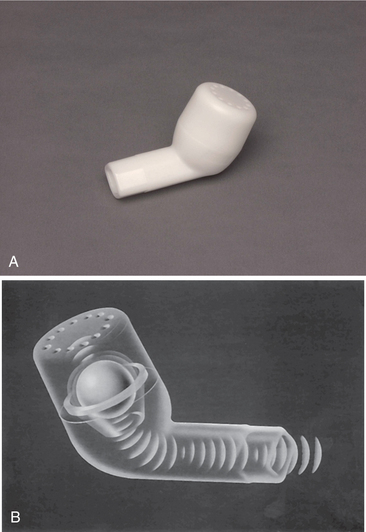
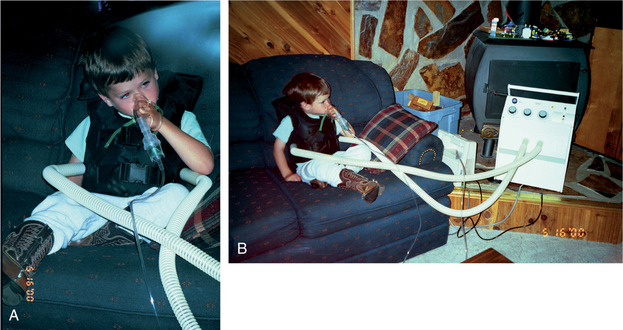
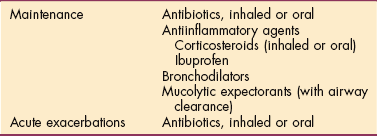
A multidisciplinary approach must be taken in treating CF toward the goal of promoting a normal life for the individual. The treatment of CF depends on the stage of the disease and which organs are involved. Medical management is oriented toward alleviating symptoms and includes the use of antibiotics, aggressive pulmonary therapy with drugs (mucolytics) to thin mucous secretions, airway clearance techniques, supplemental oxygen, and adequate hydration and enhanced nutrition with pancreatic enzymes administered before or with meals.
Pharmacotherapy.: Drug therapy for CF has been primarily directed at prophylaxis and treatment of infections with antibiotics, targeting inflammation, and supplementing digestive enzymes and vitamins. Pharmacotherapy (Table 15-11) to date has included broad-spectrum antimicrobials to protect the respiratory epithelium from damage and aerosolized antibiotics (e.g., tobramycin) that deliver a more concentrated dose directly to the site of infection.
Table 15-11
Pharmacotherapy for Cystic Fibrosis

Courtesy Susan Queen, PT, PhD, University of New Mexico, Albuquerque, NM.
Macrolides, a class of antibiotics, have the added benefit of suppressing inflammatory mediators and interfering with biofilm that is produced by Pseudomonas aeruginosa.152 Although no randomized control studies have been conducted, a totally implantable venous intravenous access device (TIVAD) for adults is widely used for CF as a means of providing long-term intravenous access for those individuals requiring intermittent antibiotics. The risks of mechanical failure, sepsis, and thrombosis have made this device more successful when inserted and cared for at a CF center.17,129,235
Other pharmacologic treatment may include sympathomimetics to control bronchospasm, parasympatholytics to offset smooth muscle constriction and bronchodilation, inhaled antiinflammatory agents to decrease the amount of inflammation in the airways, and mucolytics to thin mucous secretions. Inhaled bronchodilators are effective in individuals who have bronchial hyperresponsiveness.185
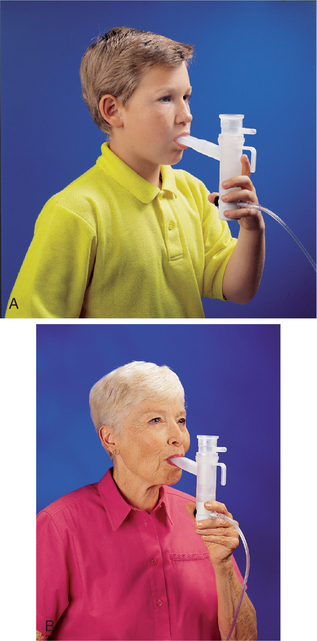
Recombinant human deoxyribonuclease I (rhDNAase I), or Dornase alfa, a mucolytic, is effectively used to reduce sputum viscosity and increase mucociliary clearance.409 The use of hypertonic saline, an inexpensive, “low-tech” intervention, has gained in popularity since the hypertonic saline study in Australia. First, a bronchodilator is administered to open the airways, then the saline solution is used to replenish salt depleted from the liquid that lines the airways. This combination of treatment results in fewer flare-ups and faster recovery and is just one of many newer CF treatments.126
Hypertonic saline improves airway clearance but is not as effective as DNAase in longer term lung improvement.442 Administered 30 minutes before airway clearance treatments, these combined treatment interventions improve the quality of life for people with CF by decreasing their hypoxemia and reducing their dyspnea. The end result is improved sleep patterns, increased activity, and improved nutritional status.
High-dose ibuprofen (the generic name for the drug found in Advil, Motrin, and Nuprin) may be used to slow the deterioration of the lungs by reducing inflammation and breaking the cycle of mucus buildup, infection, and inflammatory destruction. Neutrophils are responsible for much of the inflammatory response and are unresponsive to traditional chemotherapeutic treatment.
New knowledge as to the mechanisms controlling Ca(2+) homeostasis is stimulating novel approaches to stemming the inflammatory response.421 Leukotriene-receptor antagonists also have shown the potential to reduce inflammation and improve lung function.378 Investigations into the role of platelets in contributing to the inflammatory response in CF are currently underway.328
Pharmacologic intervention with microencapsulated pancreatic enzymes is critical when pancreatic involve ment is severe. Aggressive nutritional management is needed to ameliorate the effects of malabsorption and the side effects of therapeutic intervention. Calcium supplements are warranted because of the high incidence of osteopenia and fractures.20
Supplemental oxygen may improve exercise endurance and peak performance. Mild hypercapnia (too much carbon dioxide in the blood) can occur with exercise and during sleep. More research is needed to assess the benefits of oxygen therapy.271 Oral bile acid therapy, aimed at improving biliary secretion in terms of bile viscosity and bile acid composition, is currently the only available therapeutic approach for CF-associated liver disease.92a
Gene Therapy.: The identification of the mutated CF gene in 1989 was followed by the first phase of gene therapy in 1993 to correct the basic defect in CF cells, rather than relying on treatment of the symptoms. Finding a way to deliver the normal copy of the gene into the lung or intrahepatic biliary epithelial cells with adequate gene expression remains a challenge. Obstacles include vector toxicity and ineffective transgene expression.417
It is possible that delivery through an aerosolized technique will incorporate sufficient quantities of the CFTR gene into the cells without toxicity and stimulating an immune response.114 The expectation is that the normal CFTR will reverse the physiologic defect in CF cells.
In the future, current therapeutic measures, such as intravenous antimicrobial treatment, will be improved by the additional delivery of new drugs to the bronchial tree by aerosol. Antibiotics, as well as protease inhibitors delivered by aerosol, should help to prevent damage by infection and inflammation and increase the probability of successful somatic gene therapy in this disease.
Transplantation.: Double-lung or heart-lung transplants have been used with children and adults with advanced pulmonary vascular disease and who are severely disabled by dyspnea and hypoxia. In the United States, the United Network for Organ Sharing has addressed perceived inequities in organ distribution by allocating organs by illness severity rather than time on the waiting list. A lung allocation score ranks severity for patients 12 years of age and older for transplantation based on variables, including lung function, oxygen and ventilatory needs, diabetes, weight, and physical performance.261a
Liver transplantation should be offered to anyone with CF and progressive liver failure and/or with life-threatening sequelae of portal hypertension, who also have mild pulmonary involvement that is expected to support long-term survival.92a
Long-term survival has yet to be determined, but improved quality of life has been achieved. The new lungs do not acquire the CF ion-transport abnormalities but are subject to the usual posttransplant complications. CF problems in other organ systems persist and may be worsened by some of the immunosuppressive regimens.459
CNS complications occur more frequently in CF transplant recipients than in other lung transplant recipients.168 Criteria for lung transplant are published, and early referral and continuous monitoring are required to anticipate decline as a result of the long waiting period.160
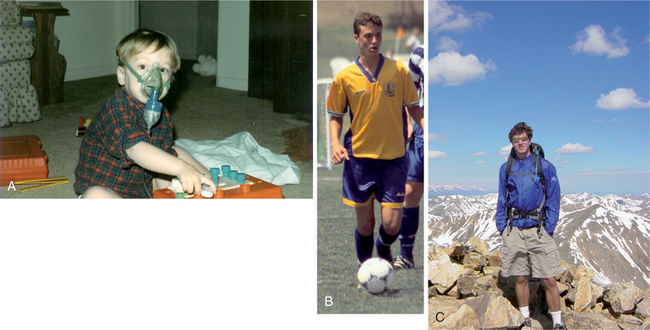
Using its innovative CF patient registry, which tracks information on approximately 23,000 clients who receive care through the CF Foundation’s Care Center Network, researchers have analyzed the numbers and continue to assess trends in the health status of registered individuals. When first distinguished from celiac disease in 1938, life expectancy with CF was approximately 6 months.110 Data shows that the prognosis has steadily improved over the past 20 years with a gradual increase in longevity; at the time of this publication the median survival had risen to 36.8 years.
More than 50% of children with CF live into adulthood. The new median age of survival is based on 2005 data that includes date of birth, date of death, gender, and date of diagnosis. A detailed CF Foundation Annual Patient Registry Data Report is available.
Improvement in both the length and quality of life for adults with CF is primarily the result of standardization of care, implementation of best practices, continuous multidisciplinary care provided by specialists in CF centers, improved CF therapies, and improved nutrition and pulmonary function, which are two main prognostic factors for improved survival.269
Children whose presenting symptoms were gastrointestinal at diagnosis have a good clinical course; those whose initial symptoms at diagnosis were pulmonary frequently demonstrate subsequent clinical deterioration. Pulmonary failure is still the most common cause of death. Males have a more favorable prognosis than females. New agents and gene therapy may substantially change the morbidity and mortality of this disease with continued improved survival time.
Lung disease is the primary cause of death for 80% for individuals with CF. Lung transplantation is an important therapeutic option for this group, comprising the third largest group of transplant recipients receiving lung transplantation (after people with chronic obstructive lung disease and IPF). The primary goal of transplant has always been to treat individuals with CF with end-stage lung disease for whom medical therapies have failed. The secondary goal has been to improve quality of life.261a
Since the first lung transplant for CF in 1983, survival rates have improved. Refinements in surgical technique, medications, and improved selection criteria have gradually improved postsurgical survival.261a Individuals with CF who are listed for lung transplantation may require mechanical ventilatory support before transplant. Pretransplant mechanical ventilation increases short-term morbidity and mortality in pediatric clients.125a Besides ventilator dependence, other negative predictive factors for prognosis after transplantation include Burkholderia cepacia infection, young age, and arthropathy.261a
The 3-year predicted survival rate after lung transplantation was reported as 55% at centers that performed more than 10 transplants. The 5-year rate was 48% in 1996 and expected to continue to improve over time.457a The 1-year survival rate after liver transplantation for this population is approximately 80%, with beneficial effects on lung function, nutritional status, body composition, and quality of life in most cases.92a
Improved quality of life after lung transplantation remains tightly linked to survival and is difficult to evalu ate. Current information suggests that quality of life increases after lung transplantation for survivors but that it decreases with time and complications such as bronchiolitis obliterans.261a
Atelectasis is the collapse of normally expanded and aerated lung tissue at any structural level (e.g., lung parenchyma, alveoli, pleura, chest wall, bronchi) involving all or part of the lung. Most cases are categorized as obstructive-absorptive or compressive.
The primary cause of atelectasis is obstruction of the bronchus serving the affected area. If a bronchus is obstructed (e.g., by tumors, mucus, or foreign material), atelectasis occurs as air in the alveoli is slowly absorbed into the bloodstream with subsequent collapse of the alveoli. Atelectasis can also develop when there is interference with the natural forces that promote lung expansion (e.g., hypoventilation associated with decreased motion or decreased pulmonary expansion such as occurs with paralysis, pleural disease, diaphragmatic disease, severe scoliosis, or masses in the thorax). Failure to breathe deeply postoperatively (i.e., because of muscular guarding and splinting from pain or discomfort with an upper abdominal, chest, or sternal incision), oversedation, immobility, coma, or neuromuscular disease can also interfere with the natural forces that promote lung expansion, leading to atelectasis.
Insufficient pulmonary surfactant, such as occurs in respiratory distress syndrome, inhalation of anesthesia, high concentrations of oxygen, lung contusion, aspiration of gastric contents or smoke inhalation, or increased elastic recoil as a result of interstitial fibrosis (e.g., silicosis, asbestosis, radiation pneumonitis), can also interfere with lung distention. When atelectasis is caused by inhalation of concentrated oxygen or anesthetic agents, quick absorption of these gases into the bloodstream can lead to collapse of alveoli in dependent portions of the lung.
Although atelectasis is usually caused by bronchial obstruction, direct compression can also cause it. The compressive type is due to air (pneumothorax), blood (hemothorax), or fluid (hydrothorax) filling the pleural space. Abdominal distention that presses on a portion of the lung can also collapse alveoli, causing atelectasis. Right middle lobe syndrome refers to atelectasis secondary to compression of the bronchus to the right middle lobe by lymph nodes containing metastatic cancer.
When sudden obstruction of the bronchus occurs, there may be dyspnea, tachypnea, cyanosis, elevation of temperature, drop in blood pressure, substernal retractions, or shock. In the chronic form of atelectasis, the client may be asymptomatic with gradual onset of dyspnea and weakness.
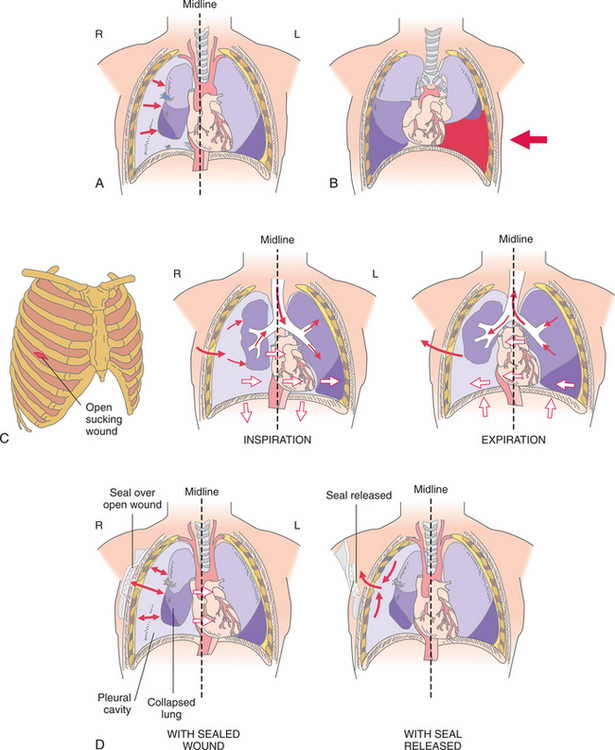
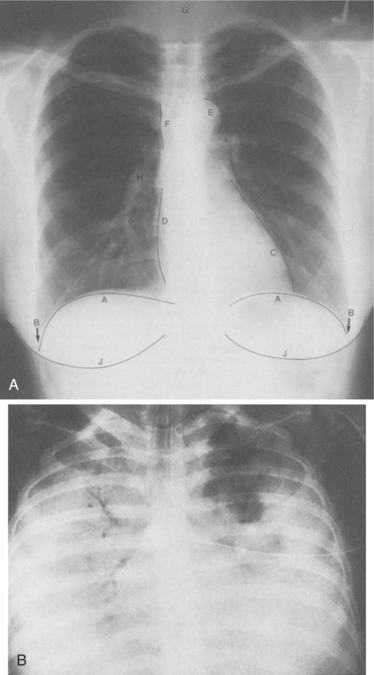
Atelectasis is suspected in penetrating or other chest injuries. X-ray examination may show a shadow in the area of collapse. If an entire lobe is collapsed, the radiograph will show the trachea, heart, and mediastinum deviated toward the collapsed area, with the diaphragm elevated on that side (see Figs. 15-13 and 15-22). Chest auscultation and physical assessment add to the clinical diagnostic picture. Blood gas measurements may show decreased oxygen saturation.

Figure 15-22 A, Pneumothorax. Lung collapses as air gathers in the pleural space between the parietal and visceral pleurae. B, Massive hemothorax, blood in the pleural space (arrow) below the left lung, causing collapse of lung tissue. C, Open pneumothorax (sucking chest wound). Air movement (solid arrows) and structural movement (open arrows). A chest wall wound connects the pleural space with atmospheric air. During inspiration, atmospheric air is sucked into the pleural space through the chest wall wound. Positive pressure in the pleural space collapses the lung on the affected side and pushes the mediastinal contents toward the unaffected side. This reduces the volume of air in the unaffected side considerably. During expiration, air escapes through the chest wall wound, lessening positive pressure in the affected side and allowing the mediastinal contents to swing back toward the affected side. Movement of mediastinal structure from side to side is called mediastinal flutter. D, Tension pneumothorax. If an open pneumothorax is covered (e.g., with a dressing), it forms a seal, and tension pneumothorax with a mediastinal shift develops. A tear in lung structure continues to allow air into the pleural space. As positive pressure builds in the pleural space, the affected lung collapses, and the mediastinal contents shift to the unaffected side. Tension pneumothorax is corrected by removing the seal (i.e., dressing), allowing air trapped in the pleural space to escape.
Once atelectasis occurs, treatment is directed toward removing the cause whenever possible. Suctioning or bronchoscopy may be employed to remove airway obstruction. Airway clearance techniques are helpful to remove secretions and promote segmental inflation after the obstruction has been removed.
Surfactant has been used to resolve atelectasis in infants with respiratory distress syndrome, meconium aspiration, and other pathologies.132 Antibiotics are used to combat infection accompanying secondary atelectasis. Reexpansion of the lung is often possible, but the final prognosis depends on the underlying disease. Chronic atelectasis may require surgical removal of the affected segment or lobe of lung.
Pulmonary edema or pulmonary congestion is an excessive fluid in the lungs that may accumulate in the interstitial tissue, in the air spaces (alveoli), or in both. The fluid is a barrier to gas exchange. Pulmonary edema is a common complication of many disease processes. It occurs at any age but with increasing incidence in older people with left-sided heart failure.
Most cases of pulmonary edema are caused by left ventricular failure (see Fig. 12-12, A), acute hypertension, or mitral valve disease, but noncardiac conditions, especially kidney or liver disorders prone to the development of sodium and water retention, can also produce pulmonary edema. These causes of pulmonary edema include intravenous narcotics, increased intracerebral pressure, brain injury, high altitude, diving and submersion, sepsis, medications, inhalation of smoke or toxins (e.g., ammonia), blood transfusion reactions, shock, and disseminated intravascular coagulation.32,90,146
Other risk factors include hyperaldosteronism, Cushing’s syndrome, use of glucocorticoids, and use of hypotonic fluids to irrigate nasogastric tubes. Pulmonary edema itself is a major predisposing factor in the development of pneumonia that complicates heart failure and ARDS.
Pulmonary edema occurs when the pulmonary vasculature fills with fluid that leaks into the alveolar spaces, decreasing the space available for gas exchange. Normally the lung is kept dry by lymphatic drainage and a balance among capillary hydrostatic pressure, capillary oncotic pressure, and capillary permeability.
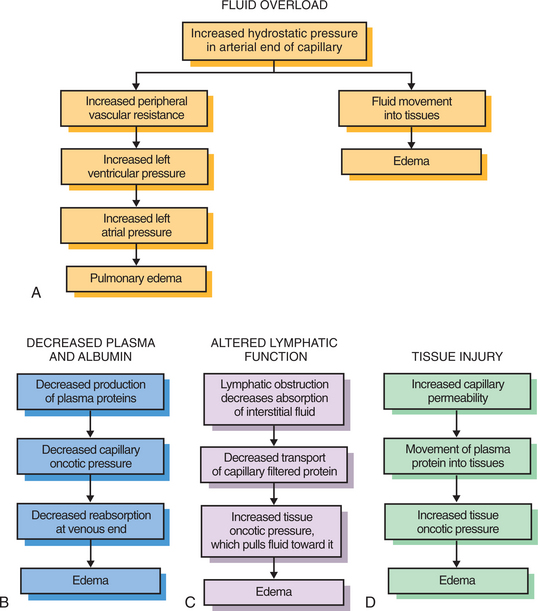
Pulmonary edema develops as a result of (1) fluid overload, (2) decreased serum and albumin, (3) lymphatic obstruction, and (4) disruption of capillary permeability (tissue injury or immunoresponse) (Fig. 15-19). New studies show that loss of sodium transport capacity may be a factor in the development of some types of pulmonary edema.449

Figure 15-19 Mechanisms of pulmonary edema formation. A, Fluid overload. B, Decreased serum and albumin. C, Lymphatic obstruction. D, Tissue injury. (From Black JM, Hawks JH, eds: Medical-surgical nursing, ed 7, St Louis, 2005, WB Saunders.)
Fluid Overload.: When the filling pressures on the left side of the heart increase, pulmonary capillary hydrostatic pressure increases. If it surpasses the oncotic pressure that holds fluid in the capillaries, fluid is drawn from capillaries in the lungs into the interstitial space. Normally, the lymphatic system removes this fluid from the lungs, but if the flow of fluid into the interstitium exceeds the ability of the lymphatic system to remove it, fluid overload and consequently pulmonary edema develop.* When osmotic pressure in the venous end of the capillary exceeds interstitial pressure, fluid cannot return to the bloodstream and peripheral and pulmonary edema may result. Fluid overload may also occur from decreased sodium and water excretion associated with renal disorders.
As the fluid pressure increases in the tissues, it also increases in the left ventricle, which increases pressure in the left atrium. The disturbed pressure gradient results in less forward flow, resulting in pulmonary edema. Pulmonary edema is commonly seen when the left side of the heart is distended and fails to pump adequately (e.g., myocardial ischemia or infarction or mitral or aortic valve damage).
In atrial fibrillation, the left atrium may be unable to efficiently pump blood into the left ventricle, resulting in fluid pooling and subsequent edema. If the right side of the heart fails, peripheral edema occurs through the same process. Left-sided heart failure leads to right-sided failure (and vice versa), so both pulmonary and peripheral edema may exist simultaneously.
Decreased Serum and Albumin.: In the case of liver cirrhosis, the serum protein and albumin levels are reduced in the vascular fluids. Thus less fluid reabsorption from the tissue spaces occurs, which results in pulmonary and peripheral edema and ascites.
Lymphatic Obstruction.: When lymphatic channels are obstructed, tissue oncotic pressure rises and results in edema. This obstruction can occur as a result of tumor infiltration but most often occurs in association with cardiogenic causes of pulmonary edema. When hemodynamic alterations (changes in the movement of blood and the forces involved) in the heart increase the perfusion pressure in the pulmonary capillaries, effective lymphatic drainage is blocked.
Tissue Injury.: Disruption of capillary permeability is the cause of pulmonary edema in acute lung injury associated with ARDS, inhalation of toxic gases, aspiration of gastric contents, viral infections, and uremia. In these conditions, destruction of endothelial cells or disruption of the tight junctions between them alters capillary permeability (see Figs. 6-10 and 6-11). Transfusion reactions are due to leukocyte antibodies and result in increased capillary permeability.100
Clinical manifestations of pulmonary edema occur in stages. During the initial stage, clients may be asymptomatic or they may complain of restlessness and anxiety and the feeling that they are developing a common cold. Other signs include a persistent cough, slight dyspnea, diaphoresis, and intolerance to exercise. As fluid continues to fill the pulmonary interstitial spaces, the dyspnea becomes more acute, respirations increase in rate, and there is audible wheezing. If the edema is severe, the cough becomes productive of frothy sputum tinged with blood, giving it a pinkish hue. If the condition persists, the person becomes hypoxic, less responsive, and may lose consciousness.
Prevention is a key component with persons at increased risk for the development of pulmonary edema. Preventive measures may be as simple as lowering salt intake or pharmacologic treatment such as the use of digoxin and diuretics.
Pulmonary edema is usually recognized by its characteristic clinical presentation. Cardiogenic pulmonary edema is differentiated from noncardiac causes by the history and physical examination; an underlying cardiac abnormality can usually be detected clinically or by the electrocardiogram (ECG), chest film, or echocardiogram. A chest film may show increased vascular pattern; increased opacity of the lung, especially at the bases; and pleural effusion.
There are no specific laboratory tests diagnostic of pulmonary edema; when the condition progresses enough to cause liver involvement the physician may observe the hepatojugular reflex (positional or palpatory pressure on the liver results in distention of the jugular vein). Auscultation reveals distinct abnormal breath sounds with crackles or rales. Blood gas measurements indicate the degree of functional impairment, and sputum cultures may indicate accompanying infection.
Once pulmonary edema has been diagnosed, treatment is aimed at enhancing gas exchange, reducing fluid overload, and strengthening and slowing the heartbeat. Oxygen by mask or through ventilatory support is used along with diuretics, diet, and fluid restriction to remove excess alveolar fluid.
Morphine to relieve anxiety and reduce the effort of breathing may be used for people who do not have narcotic-induced pulmonary edema. Other pharmacologic-based treatment may be used to help dilate the bronchi and increase cardiac output, strengthen contractions of the heart, and increase cardiac output.
The prognosis depends on the underlying condition. The presence of pulmonary edema is a medical emergency requiring immediate intervention to prevent further respiratory distress and death. It is often reversible with clinical management.
ARDS is a form of acute respiratory failure after a systemic or pulmonary insult. It is also called adult respiratory distress syndrome, shock lung, wet lung, stiff lung, hyaline membrane disease (adult or newborn), posttraumatic lung, or diffuse alveolar damage (DAD). It is often a fatal complication of serious illness (e.g., sepsis), trauma, or major surgery.
ARDS has only been identified within the last 40 years, affecting a reported 150,000 people per year in the United States. This figure has been challenged, and part of the reason for the uncertainty of numbers is the lack of uniform definitions for ARDS and the heterogeneity of diseases underlying ARDS. The incidence has increased as improvements in intensive care have allowed more people to survive the catastrophic illnesses that precede ARDS. Any age can be affected, but often young adults with traumatic injuries develop ARDS.
ARDS occurs as a result of injury to the lung by a variety of unrelated causes; the most common are listed in Box 15-9.
Alveolocapillary units, alveolar spaces, alveolar walls, and lungs are the site of initial damage (thus the name diffuse alveolar damage). Although the mechanism of lung injury varies with the cause, damage to capillary endothelial cells and alveolar epithelial cells is common in ARDS regardless of cause. Both necrosis (cell death by injury and swelling) and apoptosis (programmed cell death) play a role in this syndrome.280 Damage to the cell inactivates surfactant and allows fluids, proteins, and blood cells to leak from the capillary bed into the pulmonary interstitium and alveoli. The increased vascular permeability and inactivation of surfactant lead to interstitial and alveolar pulmonary edema and alveolar collapse. Fibroproliferation also occurs, thickening alveolar septa and impairing respiration (gas exchange).
Pulmonary edema decreases lung compliance and impairs gas exchange. The loss of surfactant leads to atelectasis and further impairment in lung compliance and hypoxia and hypercapnia. These are only the pulmonary manifestations of what is now recognized as a more systemic process called multiple organ dysfunction syndrome (MODS), formerly called multiple organ failure (MOF). See Chapter 5 for a discussion of MODS.
The clinical presentation is relatively uniform regardless of cause and occurs within 12 to 48 hours of the initiating event. The earliest sign of ARDS is usually an increased respiratory rate characterized by shallow, rapid breathing. Pulmonary edema, atelectasis, and decreased lung compliance cause dyspnea, hyperventilation, and the changes observed on chest radiographs (Fig. 15-20).

Figure 15-20 A, Normal chest film taken from a posteroanterior (PA) view. The backward L in the upper right corner is placed on the film to indicate the left side of the chest. Some anatomic structures can be seen on the x-ray study and are outlined: A, diaphragm; B, costophrenic angle; C, left ventricle, D, right atrium; E, aortic arch; F, superior vena cava; G, trachea; H, right bronchus; I, left bronchus; J, breast shadows. B, This chest film shows massive consolidation from pulmonary edema associated with acute (adult) respiratory distress syndrome (ARDS) after multisystem trauma. (A, from Black JM, Hokanson Hawks, J, editors: Medical-surgical nursing, ed 7, St Louis, 2005, WB Saunders; B, from Fraser RG, Paré JA, Paré PD, et al: Diagnosis of diseases of the chest, ed 3, Philadelphia, 1990, WB Saunders.)
As breathing becomes increasingly difficult, the individual may gasp for air and exhibit intercostal, clavicular, or sternal retractions and cyanosis. Unless the underlying disease is reversed rapidly, especially in the presence of sepsis (toxins in the blood), the condition quickly progresses to full-blown MODS, involving kidneys, liver, gut, CNS, and the cardiovascular system.
Since ARDS is a collection of symptoms rather than a specific disease, differential diagnosis is through a process of diagnostic elimination. Cardiogenic pulmonary edema and bacterial pneumonia must be ruled out because there are specific treatments for those disorders. By definition, respiratory failure in the proper clinical setting (history and physical findings) constitutes ARDS. Physical examination, blood gas analysis to assess the severity of hypoxemia, microbiologic cultures to identify or exclude infection, and radiographs may be part of the diagnostic process.
Specific treatment is administered for any underlying conditions (e.g., sepsis or pneumonia). Otherwise, treatment is supportive and toward prevention of complications. Supportive therapy to maintain adequate blood oxygen levels may include administration of humidified oxygen by a tight-fitting face mask, allowing for CPAP. Traditional ventilator management of ARDS emphasized normalization of blood gases and promoted high rates of further lung damage. It is now known that overdistention and cyclic inflation of injured lung can exacerbate lung injury and promote systemic inflammation. Mechanical ventilation with PEEP can minimize these effects, but evidence for protective ventilation is still lacking.156,309 A technique called “open lung maneuver,” which opens all alveoli and prevents them from collapsing, shows promise.184
Other strategies for protective ventilation (e.g., low-volume ventilation, permissive hypercapnia, prone positioning combined with airway pressure release ventilation [APRV], and high-frequency percussive ventilation) have reduced ARDS morbidity or mortality in some cases.371,429,430
Sedation to reduce anxiety and restlessness during ventilation is required in some cases. If tachypnea, restlessness, or respirations out of phase with the ventilator (bucking) cannot be managed by sedation, pharmacologic paralysis may be induced. Other pharmacologic agents have been ineffective in altering morbidity or mortality.5,215 Inhaled NO is a vasodilator and may be useful in life-threatening situations but has no advantage in changing the course of ARDS.179
Many studies are under way investigating new methods of prevention or treatment of ARDS, including intravascular oxygenators implanted in the vena cava to improve systemic oxygenation and extracorporeal membrane oxygenation, which fully replaces lung function.
Tracheal gas insufflation, an adjunct to mechanical ventilation, allows ventilation of the central airway while carbon dioxide is cleared and may help reduce the amount of peak airway pressure required to maintain blood oxygen levels. High-frequency ventilation may have some benefits over conventional ventilation in children.455 No randomized trials have been conducted with this technique, and no commercial product is available.231
Prophylactic immunotherapy, antibodies against endotoxin, and inhibition of various inflammatory mediators are among the possibilities being tested. β2-Agonists have been proposed as treatment for reducing the pulmonary edema.287
The final outcome is difficult to predict at the onset of disease, but associated multiorgan dysfunction and uncontrolled infection contribute to the mortality rate for ARDS of 50% to 70%. The major cause of death in ARDS is nonpulmonary MODS, often with sepsis. If ARDS is accompanied by sepsis, the mortality rate may reach 90%. Median survival in such cases is 2 weeks. The mortality rate increases with age, and clients older than 60 years of age have a mortality rate as high as 90%.
Most survivors are asymptomatic within a few months and have almost normal lung function 1 year after the acute illness. Lung fibrosis is the most common post-ARDS complication; the fibrosis may resolve completely; may result in respiratory dysfunction and in some cases, pulmonary hypertension; or may result in death.
Postoperative respiratory failure can result in the same pathophysiologic and clinical manifestations as ARDS but without the severe progression to MODS (see previous discussion of ARDS). Risk factors include surgical procedures of the thorax or abdomen, limited cardiac reserve, chronic renal failure, chronic hepatic disease, infection, period of hypotension during surgery, sepsis, and smoking, especially in the presence of preexisting lung disease. In the pediatric population, a difficult respiratory course may result in necrotizing enterocolitis, a postoperative gastrointestinal complication related to ischemia of the bowel. This condition occurs when oxygen depletion in the heart or brain causes blood to be shunted away from less vital organs, such as the intestine.
The most common postoperative pulmonary problems include atelectasis, pneumonia, pulmonary edema, and pulmonary emboli. Prevention of any of these problems involves frequent turning, deep breathing, humidified air to loosen secretions, antibiotics for infection as appropriate, supplemental oxygen for hypoxemia, and early ambulation.
If respiratory failure develops, mechanical ventilation may be required, and treatment is very similar to that for ARDS.
Sarcoidosis is a systemic disease of unknown cause involving any organ that is characterized by granulomatous inflammation present diffusely throughout the body. Technically, this condition could be discussed earlier in this chapter in the Infectious and Inflammatory Diseases section but without a better sense of the underlying etiology, it remains here under diseases that affect the lung parenchyma. The granulomas consist of a collection of macrophages surrounded by lymphocytes taking a nodular form. In fact, granulomatous inflammation of the lung is present in 90% of clients with sarcoidosis. Secondary sites include the skin, eyes, liver, spleen, heart, and small bones in the hands and feet.
Sarcoidosis occurs predominantly in the third and fourth decades (between the ages of 20 and 40 years) and has a slightly higher incidence in women than men. It is present worldwide with some interesting differences in prevalence among ethnic groups. It is three to four times more frequent in blacks than whites in the United States. Socioeconomic, environmental, and genetic factors appear to influence the occurrence.97
The etiologic factors and pathogenesis of sarcoidosis are unknown, but there appears to be an exaggerated cellular immune response on the part of the helper T lymphocytes to a foreign antigen whose identity remains unclear. Increasing evidence points to a triggering agent that may be genetic, infectious (bacterial or viral), immunologic, or toxic. Abnormalities of immune function, as well as autoantibody production, including rheumatoid factor and antinuclear antibodies, are seen in sarcoidosis and in connective tissue diseases, suggesting a common immunopathogenetic mechanism.
IFN-γ, TNF, and IL-12 and-18 all have a part in the granulomatous process.324 A series of interactions between the excessive accumulation of T lymphocytes and monocytes and macrophages leads to the formation of noncaseating (i.e., do not undergo necrotic degeneration) granulomas in the lung and other organs characteristic of the disease. Granuloma formation may regress with therapy or as a result of the disease’s natural course but may also progress to fibrosis and restrictive lung disease.
Sarcoidosis can affect any organ, including bones, joints, muscles, and vessels. Lungs and thoracic lymph nodes are most often involved with acute or insidious respiratory problems sometimes accompanied by symptoms affecting the skin, eyes, or other organs. The diverse manifestations of this disorder lend support to the hypothesis that sarcoidosis has more than one cause. The clinical impact of sarcoidosis is directly related to the extent of granulomatous inflammation and its effect on the function of vital organs.
Pulmonary sarcoidosis has a variable natural course from an asymptomatic state to a progressive life-threatening condition. Signs and symptoms may develop over a period of a few weeks to a few months and include dyspnea, cough, fever, malaise, weight loss, skin lesions (Fig. 15-21), and erythema nodosum (multiple, tender, nonulcerating nodules). This condition may be entirely asymptomatic, presenting with abnormal findings on routine chest radiographs. Respiratory symptoms of dry cough and dyspnea without constitutional symptoms (symptoms of systemic illness, including fatigue, weakness, malaise, weight loss, sweating, and fever) occur in over one-half of all people with sarcoidosis, and up to 15% develop progressive fibrosis. Chest pain, hemoptysis, or pneumothorax may be present.

Figure 15-21 Sarcoidosis. A, Cutaneous sarcoidosis usually consists of papules and plaques with a typical reddish-brown color. B, Lesions often favor the lips and perioral region. (From Bolognia JL, Jorizzo JL, Rapini RP: Dermatology, St Louis, 2003, Mosby. Courtesy Jean Bolognia, MD. Used with permission.)
Sarcoidosis may present with extrapulmonary symptoms referable to bone marrow, skin, eyes, cranial nerves or peripheral nerves (neurosarcoidosis), liver, or heart (Box 15-10). Neurosarcoidosis is an uncommon but severe and sometimes life-threatening manifestation of sarcoidosis occurring in 5% to 15% of cases. Sarcoidosis appears to be associated with a significantly increased risk for cancer in affected organs (e.g., skin, liver, lymphoma, or lung). Chronic inflammation is the mediator of this risk.22
There is no specific test other than history for sarcoidosis so diagnosis is based on clinical examination, radiographic, CT, pulmonary function and laboratory test findings, and biopsy of easily accessible granulomas (e.g., skin lesions, salivary gland, or palpable lymph nodes). When lung involvement is suspected, further testing may be required and new imaging techniques improve detection. Other granulomatous diseases (e.g., TB, berylliosis, lymphoma, carcinoma, or fungal disease) must be ruled out.
CNS involvement in sarcoidosis poses a difficult diagnostic problem. Although neurologic involvement may occur long before the onset of symptoms, contrast-enhanced CT does not always reveal parenchymal and meningeal involvement.
Treatment may not be required, especially in those clients who are asymptomatic. Short-term (less than 6 months) use of inhaled steroids may improve symptoms especially in people who mainly have cough. The long-term use of corticosteroids is the treatment of choice for those clients who have impaired lung function with pulmonary granulomas. Corticosteroids are quite effective in reducing the acute granulomatous inflammation as seen on radiograph, but their efficacy in improving lung function and altering the long-term prognosis is unproven. Oral steroids may be beneficial for stage 2 and 3 disease.324,333
Other immunosuppressant and cytotoxic agents, such as methotrexate, chloroquine, cyclosporine, indomethacin, and azathioprine, have been used for symptomatic skin and eye involvement but have not been shown to be effective in pulmonary sarcoidosis.48,334 New drugs targeting TNF-α are being developed.
People with sarcoidosis who smoke are encouraged to quit because smoking aggravates impaired lung function and promotes osteoporosis. Management of osteoporosis in this population requires special attention because there is often an underlying disorder in calcium metabolism that results in hypercalciuria and hypercalcemia.
Prolonged exposure to direct sunlight should be avoided because vitamin D aids absorption of calcium, which can contribute to elevated serum and urinary calcium levels and the formation of kidney stones. Bronchoscopy may be required if fibrosis or swelling leads to stenosis of the airways.258
In cases of end-stage sarcoidosis, lung transplantation has been proven successful.258 Selection of clients with pulmonary sarcoidosis for transplantation requires that medical therapy, including the use of corticosteroids and alternative medications, has been exhausted and that other contraindicated variables are not present (see the section on Lung Transplantation in Chapter 21). Sarcoidosis frequently recurs in the allograft but rarely causes symptoms or pulmonary dysfunction.230
The prognosis is usually favorable, with complete resolution of symptoms and chest radiographic changes within 1 to 2 years. Most clients do not manifest clinically significant sequelae. However, because sarcoidosis is a multisystem disease that can cause complex problems, it can have a variable prognosis ranging from spontaneous remissions to progressive lung disease with pulmonary fibrosis in active sarcoidosis. In such cases, respiratory insufficiency and cor pulmonale may eventually occur. In 65% to 70% of cases there are no residual manifestations, 20% are left with permanent lung or ocular changes, and 10% of all cases die. Active sarcoidosis responds well to the administration of corticosteroids.
Lung cancer, a malignancy of the epithelium of the respiratory tract, is the most frequent cause of cancer death in the United States. The term lung cancer, also known as bronchogenic carcinoma, excludes other pulmonary tumors such as sarcomas, lymphomas, blastomas, hematomas, and mesotheliomas.
At least a dozen different types of tumors are included under the broad heading of lung cancer. Clinically, lung cancers are classified as small cell lung cancer (SCLC), or 20% of all lung cancers, and non–SCLC (NSCLC), or 80% of all lung cancers. Within these two broad categories, there are four major types of primary malignant lung tumors: SCLC includes small cell carcinoma (oat cell carcinoma); NSCLC includes squamous cell carcinoma, adenocarcinoma, and large cell carcinoma. The characteristics of these four lung cancers are summarized in Table 15-12. Adenocarcinoma, the most common form of lung cancer in the United States, tends to arise in the periphery, usually in the upper lobes at different levels of the bronchial tree. An individual tumor may reflect the cell structure of any part of the respiratory mucosa from the large bronchi to the smallest bronchioles. Because of this, adenocarcinoma refers to a heterogeneous group of neoplasms that have in common the formation of glandlike structures. Adenocarcinoma is further subdivided into four categories: acinar, papillary, bronchioloalveolar, and solid carcinoma. Increasing incidence of adenocarcinoma cell type lung cancer is currently attributed to changes in smoking patterns (e.g., deeper and more intense inhalation) in response to reduced tar and nicotine in cigarettes. Presumably, the excess volume inhaled to satisfy addictive needs for nicotine delivers increased amounts of carcinogens and toxins to the peripheral areas of the lungs.399
Table 15-12
Characteristics of Lung Cancer

*A major histologic change has occurred over the last 3 decades as the most common cell type has shifted from squamous cell to adenocarcinoma. This shift appears to be the result of physiochemical changes in the late twentieth century smoke (e.g., increased levels of tobacco-specific nitrosamines).23
Statistical data from the U.S. Department of Health Services. Publication No. 96-691. Washington, D.C., 1996.
Large cell carcinomas are so poorly differentiated that they cannot be classified with the other three categories above and require special diagnostic testing procedures to differentiate from other lung pathologic conditions.
Lung cancer remains the leading cause of cancer death in the United States (estimated 167,050 deaths in 2006) and one of the world’s leading causes of preventable death.221 More people die of lung cancer than of colon, breast, and prostate cancer combined. In 1987, lung cancer overtook breast cancer to become the most common cause of death from cancer among women in the United States.
Among men and women, both incidence and mortality have slowed with the decline in cigarette smoking. Smoking among adolescents peaked in 1996 and has been on the decline, yet a survey in 2002 showed that 9.8% of middle school students and 22.5% of high school students reported that they currently smoke cigarettes.278 Deaths from lung cancer increase at ages 35 to 44 years, with a sharp increase between ages 45 and 55 years. Incidence continues to increase up until age 74 years, after which the incidence levels off and decreases among the very old. There are differences in mortality rates for racial and ethnic groups.
Black males have the highest death rate and Asian/Pacific Islanders, American Indian/Alaska natives, and Hispanic males have the lowest death rate. Among women, blacks and whites have the highest mortality, whereas Asian/Pacific Islander and Hispanic females have the lowest death rate from lung cancer.220 Women taking hormone replacement therapy have an earlier onset and greater mortality with lung cancer.150
Contributions to lung cancer include environment (smoking, secondhand smoke, occupational exposure, or air pollution), nutrition, genetic factors (enzymes for carcinogen metabolism, enzymes that detoxify, and the capacity to repair DNA damage).244 Age, family history, and medical history, especially lung disease, also influence the occurrence, morbidity, and mortality.
Cigarette Smoking.: Cigarette smoking (more than 20 cigarettes per day) remains the greatest risk factor for lung cancer; 85% to 90% of all lung cancers occur in smokers, although remarkably, fewer than 20% of cigarette smokers develop lung cancer. The relative risk of lung cancer increases with the number of cigarettes smoked per day and the number of years of smoking history. The people at highest risk began smoking in their teens, inhale deeply, and smoke at least one-half pack per day.
The number of pack years is calculated by multiplying the packs of cigarettes consumed per day by the number of years of smoking. Lung cancer increases proportionately to the history of packs smoked per year and also depends on other variables such as time of breath holding, amount of cigarette smoked, and size of puff. The risk for dying of lung cancer is 20 times higher among people who smoke two or more packs of cigarettes per day than among those who do not smoke.
Smoking is a major cause of cancers of the oropharynx and bladder among women. Evidence is also strong that women who smoke have increased risks for liver, colorectal, and cervical cancer and cancers of the pancreas and kidney. There is also an increased risk for stroke, death from ruptured abdominal aortic aneurysm, and peripheral vascular disease among smokers compared to nonsmokers.195 For other effects of smoking see the section on Tobacco in Chapter 3.
Former smokers have about one-half the risk for dying from lung cancer than do current smokers (see Table 3-4). Compared with current smokers, the risk for lung and bronchus cancer among former smokers declines as the duration of abstinence lengthens, but it takes over 20 years to reach the risk level of people who never smoked.244 These statistics support the fact that lung cancer is the most preventable of all cancers. The elimination of cigarette smoking would virtually eliminate SCLC. Smoking cessation also appears to slow the rate of progression of carotid atherosclerosis and other vascular disease.
There are approximately 50 known carcinogens and promoting substances found in tobacco smoke; the major causal agents of lung cancer are the polynuclear aromatic hydrocarbons (PAHs) and tobacco-specific N-nitrosamines (nicotine). Tobacco smoking also results in increased exposure to ethylene oxide, aromatic amines, and other agents that cause damage to DNA.340 For this reason, the risk of lung cancer is increased in a smoker who is also exposed to other carcinogenic agents, such as radioactive isotopes, polycyclic aromatic hydrocarbons and arsenicals, vinyl chloride, metallurgic ores, and mustard gas.
Marijuana.: Marijuana contains many of the same organic and inorganic compounds that are carcinogens, co-carcinogens, or tumor promoters found in tobacco smoke. Marijuana produces inflammation, edema, and cell injury in the tracheobronchial mucosa of smokers and contributes to oxidative stress, which is a precursor for DNA mutations.410 However, cannabinoids modulate and minimize free radical production and inhibit tumor angiogenesis. In addition, cannabinoid receptors are not found in the lung epithelial cells.295 Cannabinoids have been shown to inhibit certain breast, lung, and brain cancers,246 although other studies have shown an increase in head, neck, and lung cancers.190 Unfortunately, most studies do not examine the magnitude of exposure and concurrent tobacco use.
The risk of marijuana smoking does not appear to approach that of smoking tobacco and any increased risk may be associated with the route of delivery (the heat and particulate irritation of smoking) rather than the drug itself. Further studies are needed.
Environmental Tobacco Smoke.: In 1992, the U.S. EPA declared secondhand smoke or ETS to be a group A human carcinogen. ETS increases the relative risk for lung cancer about 1.5-fold and there are 3000 lung cancer deaths each year from ETS.81 This exposure increases the risk for the children and partners of smokers and becomes an occupational hazard in individuals working in bars, restaurants, or other places that are not smoke-free. See previous section on Environmental Tobacco Smoke in this chapter.
Occupational Exposure.: Studies on whether occupational factors increase the risk of cancer development in the nonsmoker are limited in number but confirm that certain occupational exposures are associated with an increased risk for lung cancer among both male and female nonsmokers.345 The inhalation of asbestos fibers is associated with higher cancer risks for both smokers and nonsmokers, although the rate is considerably higher for smokers.
The rate of lung cancer in people who live in urban areas is 2.3 times greater than that of those living in rural areas, possibly implicating air pollution as a risk factor in lung cancer. The exact role of air pollution is still unknown, but carcinogens with known genotoxicity continue to be released into outdoor air from industrial sources, power plants, and motor vehicles; epidemiologic research provides evidence for an association between air pollution and lung cancer.91,433
Indoor exposure to radon, which is a colorless, odorless gas that is a product of uranium and radium produced from the decomposition of rocks and soil, is a known carcinogen and the second leading cause of lung cancer. Concentrations vary geographically (more in the northern United States), and radon gas levels are highest in basements, nearest the soil.141 Other sources of radon exposure include radioactive waste and underground mines; exposure to tobacco smoke multiplies the risk of concurrent exposure to radon.
Other occupational or environmental risk factors associated with lung cancer include diesel exhaust, benzopyrenes, silica, formaldehyde, copper, chromium, cadmium, arsenic, alkylating compounds, sulfur dioxide, and ionizing radiation.
Previous Lung Disease.: The presence of other lung diseases, such as pulmonary fibrosis, scleroderma, and sarcoidosis, may increase the risk of developing lung cancer. COPD or fibrosis of the lungs inhibits the clearance of carcinogens from the lungs, thereby increasing the risk of alteration of DNA with resultant malignant cell growth.
Nutrition.: Other risk factors may include low consumption of fruits and vegetables, reduced physical activity, increased dietary fat (especially diets high in saturated or animal fat and cholesterol), and high alcohol intake. A recent prospective study demonstrated positive effects of fruit consumption, but not of vegetables.171
Studies have shown no beneficial effect of vitamin E (α-tocopherol), beta-carotene, and retinol, and several studies have determined that beta-carotene supplementation in smokers increases the risk for lung cancer. The mechanism for this carcinogenic action remains unknown.367
Genetic Susceptibility.: Several published studies suggest that lung cancer can aggregate in some families, and it has been hypothesized that the defect in the body’s ability to defend against the carcinogens in tobacco smoke may be inherited.453 A first-degree smoking relative of an individual with lung cancer has an increased risk of developing lung cancer. This predilection may be due to a genetic predisposition, but the trait (lung cancer) may be expressed only in the presence of its major predisposing factor (i.e., tobacco). Carcinogenic chemicals may induce genomic instability either directly or indirectly through inflammatory processes in the lung epithelial cells.
Lung cancer is used as a model for the study of the interplay between genetic factors and environmental exposure since the primary etiology is well established. Developments in molecular biology have led to the identification of biologic markers that may increase predisposition to smoking-related carcinogenesis. In the future, lung cancer screening may be possible by using specific biomarkers.243
As mentioned, there is a clear relationship between cigarette smoking and the development of SCLC. The effects of smoking include structural, functional, malignant, and toxic changes. DNA-mutating agents in cigarettes produce alterations in both oncogenes and tumor suppressor genes, as well as genes that detoxify and assist with DNA repair. Normal polymorphism (variations in genes) also plays a role in the development of or resistance to cancer.
Understanding of the molecular pathology of lung cancer is advancing rapidly, with several specific genes and chromosomal regions being identified. Lung cancer appears to require many mutations in both dominant and recessive oncogenes before they become invasive. Several genetic and epigenetic changes are common to all lung cancer histologic types, whereas others appear to be tumor-type specific. The sequence of changes remains unknown.244 There appears to be an interaction between estrogen receptors and epidermal growth factor in the lung that plays a role in women’s susceptibility to lung cancer.124
All lung cancers are thought to arise from a common bronchial precursor cell, with differentiation then proceeding along various histologic pathways from poorly differentiated small cell cancer to the more intermediate undifferentiated large cell tumors, to the more differentiated adenocarcinomas and squamous cell tumors. Perhaps the histologic changes (thickening of bronchial epithelium, damage to and loss of protective cilia, mucous gland hypertrophy and hypersecretion of mucus, and alveolar cell rupture) that occur more frequently in long-term smokers than nonsmokers predispose the lungs to changes. This results in a multistep process involving the development of hyperplasia, metaplasia, dysplasia, carcinoma in situ, invasive carcinoma, and metastatic carcinoma. As the details of the carcinogenic process are unraveled, one goal is to identify intermediate (preneoplastic) markers of exposure and inherent predisposition that will help assess the risk of lung cancer and allow for early detection.
Small Cell Lung Cancer.: When the cells become so dense that there is almost no cytoplasm present and the cells are compressed into an ovoid mass, the tumor is called small cell carcinoma or oat cell carcinoma. SCLC develops most often in the bronchial submucosa, the layer of tissue beneath the epithelium, and tends to be located centrally, most often near the hilum of the lung. These tumors can produce hormones that stimulate their own growth and the rapid growth of neighboring cells causing bronchial obstruction and pneumonia with early intralymphatic invasion. Lymphatic and distant metastases are usually present at the time of diagnosis.
Non–Small Cell Lung Cancer.: Squamous cell carcinomas arise in the central portion of the lung near the hilum, projecting into the major or segmental bronchi. Although these tumors tend to grow rapidly, they often remain located within the thoracic cavity, making curative treatment more likely compared with other NSCLC types. These tumors may be difficult to differentiate from TB or an abscess because they often undergo central cavitation (formation of a cavity or hollow space).
Symptoms of early stage localized lung cancer do not differ much from pulmonary symptoms associated with chronic smoking (e.g., cough, dyspnea, and sputum production), so the person does not seek medical attention. Women with lung cancer have lower incidence or severity of COPD, so symptoms may be fewer and diagnosis delayed.262 Symptoms may depend on the location within the pulmonary system, whether centrally located, peripheral, or in the apices of the lungs. Systemic symptoms, such as anorexia, fatigue, weakness, and weight loss, are common, especially with advanced disease (metastases) and associated with poor prognosis.36
Bone pain associated with bone metastasis is common; other symptoms resulting from metastases depend on the site of involvement (e.g., hepatomegaly and jaundice with liver metastasis and seizures, headaches, confusion, or focal neurologic signs with brain metastasis). Other signs and symptoms of disease include recurring bronchitis or pneumonia; productive cough with hemoptysis; wheezing; poorly defined persistent chest pain; difficulty swallowing or hoarseness; orthopnea; nerve involvement (phrenic, laryngeal, brachial plexus, or sympathetic ganglion); and vascular (superior vena cava), cardiac, and esophageal compression as a result of local tumor invasion.36,142,347
Small Cell Lung Cancer.: Signs and symptoms of SCLC depend on the size and location of the tumor and the presence and extent of metastases. Because SCLCs most commonly arise in the central endobronchial location in people who are almost exclusively long-term smokers, typical symptoms are a result of obstructed air flow and consist of persistent, new, or changing cough, dyspnea, stridor, wheezing, hemoptysis, and chest pain.61
Intercostal retractions on inspiration and bulging intercostal spaces on expiration indicate obstruction. As obstruction increases, bronchopulmonary infection (obstructive pneumonitis) often occurs distal to the obstruction. Centrally located tumors cause chest pain with perivascular nerve or peribronchial involvement that can refer pain to the shoulder, scapula, upper back, or arm.
SCLC is (more often than NSCLC) associated with several paraneoplastic syndromes, including ectopic hormone production (adrenocorticotropic hormone [ACTH]) with Cushing’s syndrome, production of hormones by tumors of nonendocrine origin, or production of an inappropriate hormone (antidiuretic hormone) by an endocrine gland. Neuroendocrine cells containing neurosecretory granules exist throughout the tracheobronchial tree. This phenomenon is important because resulting signs and symptoms may be the first manifestation of underlying cancer. See Special Implications for the Therapist: Ling Cancer in this section; see also the section on Paraneoplastic Syndromes in Chapter 9.
Non–Small Cell Lung Cancer.: The less common peripheral pulmonary tumors (large cell) often do not produce signs or symptoms until disease progression produces localized, sharp, and severe pleural pain increased on inspiration, limiting lung expansion; cough and dyspnea are present. Pleural effusion may develop and limit lung expansion even more.
Tumors in the apex of the lung, called Pancoast’s tumors, occur both in squamous cell and adenocarcinomatous cancers. Symptoms do not occur until the tumors invade the brachial plexus (see Special Implications for the Therapist: Lung Cancer in this section). Destruction of the first and second ribs can occur. Paralysis, elevation of the hemidiaphragm, and dyspnea secondary to phrenic nerve involvement can also occur.
Other manifestations may include digital clubbing, skin changes, joint swelling associated with hypertrophic pulmonary osteoarthropathy (see previous discussion of this condition in the section on Cystic Fibrosis), decreased or absent breath sounds on auscultation, or pleural rub (inflammatory response to invading tumor).
The rich supply of blood vessels and lymphatics in the lungs allows the disease to metastasize rapidly.60b Lung cancers spread by direct extension, lymphatic invasion, and blood-borne metastases. Tumors spread by direct invasion in the bronchus of origin; others may invade the bronchial wall and circle and obstruct the airway. Intrapulmonary spread may lead to compression of lung structures other than airways such as blood or lymph vessels, alveoli, and nerves.
Direct extension through the pleura can result in spread over the surface of the lung, chest wall, or diaphragm. Carcinomas of the lung of all types metastasize most frequently to the regional lymph nodes, particularly the hilar and mediastinal nodes. Supraclavicular, cervical, and abdominal channels may also be invaded. Tumors originating in the lower lobes tend to spread through the lymph channels.
Lung cancer generally has a widespread pattern of hematogenous metastases. This is caused by the invasion of the pulmonary vascular system. After tumor cells enter the pulmonary venous system, they can be carried through the heart and disseminated systemically. Tumor emboli can become lodged in areas of organ systems where vessels become too narrow for their passage or where blood flow is reduced.
The most frequent site of extranodal metastases is the adrenal gland. Lung cancer can also metastasize to the brain, bone, and liver before presenting symptomatically. Brain metastases constitute nearly one-third of all observed recurrences in people with resected NSCLC of the adenocarcinoma type. Metastases to the brain usually result in CNS symptoms of confusion, gait disturbances, headaches, or personality changes.
Tumor spread intrathoracically to the mediastinum and beyond can produce superior vena cava (SVC) syndrome with swelling of the face, neck, and arms and neck and thoracic vein distention more common in the early morning or after being recumbent for several hours. SVC syndrome is usually a sign of advanced disease. If left untreated, SVC syndrome results in cerebral edema and possible death. Increased intracranial pressure, headaches, dizziness, visual disturbances, and alteration in mental status are signs of progressive compression. Cardiac metastasis can occur and results in arrhythmias, congestive heart failure, and pericardial tamponade.
As a form of secondary malignancy, the lungs are the most frequent site of metastases from other types of cancer. Any tumor cell dislodged from a primary neoplasm can find its way into the circulation or lymphatics, which are filtered by the lungs. Carcinomas of the kidney, breast, pancreas, colon, and uterus are especially likely to metastasize to the lungs.
Prevention is the key to eliminating or at least reducing the need for treatment of lung cancer. Targeted state and federal antitobacco programs have contributed to significant drops in cigarette consumption.
HealthyPeople 2010 has set a goal of reducing the lung cancer mortality rate from 57.6 per 100,000 population (1998 figure) to 44.9 per 100,000 population, representing a 22% improvement. Healthy People 2010 has outlined a systematic approach to health improvement that includes methods for lung cancer prevention through prevention of tobacco use and tobacco addiction in all age, ethnic, and socioeconomic groups. Healthy People 2010 is available on-line at www.health.gov/healthypeople/).
Other strategies for lung cancer prevention have included chemoprevention (i.e., administration of agents, usually drugs but also nutraceuticals or nutritional supplements, before the diagnosis of invasive cancer to absorb free oxygen radicals and to block or reverse carcinogenesis), adopting a diet high in fruits and vegetables, and reduction of ETS.
Although significantly lower levels of vitamin C and E are found in people with lung cancer, a review of eight prospective studies show no reduction of cancer risk from diet or vitamin supplements.4,86 Reduction or prevention of occupational exposure may be achieved through a combination of approaches, including toxicologic testing of new compounds before marketing them, application of industrial hygiene techniques, industry regulation, and epidemiologic surveillance.