Etiology and Risk Factors

Evidence supports the view that GBS is an immune-mediated disorder. Bacterial (Campylobacter jejuni) and viral (Haemophilus influenza, Epstein-Barr virus, and cytomegalovirus [CMV]) infections, surgery, and vaccinations have been associated with the development of GBS. Of the two-thirds of persons reporting an acute infection within 2 months preceding onset of GBS, 90% had illnesses (e.g., respiratory or gastrointestinal) during the preceding 30 days.119

Pathogenesis

Lesions occur throughout the PNS from the spinal nerve roots to the distal termination of both motor and sensory fibers. Originally, GBS was classified as a single entity characterized by PNS demyelination. Now, however, it is defined as several heterogenous forms (Table 39-8). C. jejuni is associated more commonly with the axonal form, whereas greater sensory involvement is seen following CMV.69 The axonal pattern of involvement can involve motor fibers only or in the more severely involved form, motor and sensory fiber degeneration. Finally, Miller Fisher syndrome is characterized by an acute onset of extraocular muscle paralysis with sluggish pupillary light reflexes, a peripheral sensory ataxia, and loss of deep tendon reflexes with relative sparing of strength in the extremities and trunk. Facial weakness and sensory loss in the limbs may also occur.

Table 39-8

Guillain-Barré Syndrome and Its Variants

Abbreviation Name Clinical Characteristics
AIDP Acute inflammatory demyelinating polyneuropathy Primary demyelination: progressive paralysis, areflexia
AMAN Acute motor axonal neuropathy Axonal variant, more severe: frequent respiratory involvement/ventilator dependence and significant residual impairments
ASAN Acute sensory ascending neuropathy Sensory changes more prominent than weakness
AMSAN Acute motor and sensory axonal neuropathy  
  Acute autonomic neuropathy Manifested by postural hypotension, impaired sweating, lacrimation, bowel and bladder function
  Fisher/Miller-Fisher syndrome Ophthalmoplegia, ataxia, areflexia with significant weakness
CIDP Chronic inflammatory demyelinating polyneuropathy Slower onset, relapses and remissions, or progressive course over a year

Molecular mimicry, an autoimmune theory, is the primary theory for the cause of GBS because evidence exists for antibody-mediated demyelination. Myelin of the Schwann cell is the primary target of attack. Researchers theorize that circulating antibodies to gangliosides penetrate and bind to an antigen on the surface of the myelin and activate either complement or an antibody-dependent macrophage.70 The earliest pathologic changes in the PNS take the form of a generalized inflammatory response. Lymphocytes (T cells) and macrophages are the inflammatory cells present. Demyelination, initiated at the node of Ranvier, occurs because macrophages, responding to inflammatory signals, strip myelin from the nerves. After the initial demyelination, the body initi- ates a repair process. Schwann cells divide and remyelinate nerves, resulting in shorter internodal distances than were present initially.

In addition to the demyelination, there is another process that has longer-lasting effects. Although there is an axonal subtype, axonal degeneration to some degree occurs in most cases of demyelinating GBS. In the latter, many believe that the axons are damaged during the inflammatory process, according to what has been called a “bystander effect.” Products that are liberated by the macrophages as they strip myelin (e.g., free oxygen radicals and proteases) also damage axons.

Axonal patterns of involvement display a diminished or absent inflammatory response seen in demyelination. Researchers have reported the presence of macrophages that invade periaxonal spaces, causing the axon to degenerate within the ventral roots. Recovery for this wallerian-like degeneration would require an extremely long period. For those individuals with acute motor axonal neuropathy (AMAN), another mechanism may promote rapid recovery for what appears to be axonal involvement. Binding of antibodies to the nodes of Ranvier may cause blocking of nerve conduction by altering sodium channel conductance has been established in rabbits.

Although the autoimmune theory is the main one advanced for this disorder, it may not be the only reason for the development of GBS. Cases of GBS have been reported in immunosuppressed individuals after renal transplant.

Clinical Manifestations

Various subtypes of GBS exist; however, the “classic” picture is an acute form in which the time from onset to peak impairment is 4 weeks or less. A recurrent form of GBS is reported in up to 10% of cases. Acute relapses may occur in GBS and this characteristic may make it difficult to differentiate the acute from the chronic form, called chronic demyelinating polyradiculoneuropathy (CIDP). Most cases of CIDP progress over a period of months instead of weeks.

In GBS, symptoms are characterized by a rapidly ascending symmetric motor weakness and distal sensory impairments. The first neurologic symptom is often paresthesia in the toes. This is followed within hours or days by weakness distally in the legs. Weakness spreads to involve arms, trunk, and facial muscles. Flaccid paralysis is accompanied by absence of DTRs. Occasionally, sensory and motor symptoms begin in the hands and arms instead of the feet and legs. Palatal and facial muscles become involved in about half of all cases; even the muscles of mastication may be affected, but nerves to extraocular muscles typically are not involved. Up to 30% of all cases require mechanical ventilation.

Because the preganglionic fibers of the ANS are myelinated, they, too, may be subject to demyelination. If this occurs, tachycardia, abnormalities in cardiac rhythm, blood pressure changes, and vasomotor symptoms occur.

In 50% of the cases, progression of symptoms generally ceases within 2 weeks and in 90% of the cases, progression ends by 4 weeks. After the progression stops, a static phase begins, lasting 2 to 4 weeks before recovery occurs in a proximal to distal progression. This recovery may take months or even years.

MEDICAL MANAGEMENT

DIAGNOSIS.

Careful clinical and neurophysiologic examinations and laboratory tests are needed to diagnosis GBS. Criteria have been developed by the National Institute of Neurologic and Communicative Disorders and Stroke (NINCDS) (Box 39-6); however, these criteria omit the variants that have been identified.15

Box 39-6   CRITERIA FOR DIAGNOSIS OF GUILLAINBARRÉ SYNDROME

Symptoms Required for Diagnosis

• Progressive weakness in more than one extremity

• Loss of deep tendon reflexes

Symptoms Supportive of Diagnosis (in Order of Importance)

• Weakness developing rapidly that ceases to progress by 4 wk

• Symmetric weakness

• Mild sensory symptoms and signs

• Facial weakness common and symmetric; oral-bulbar

• musculature may also be involved

• Recovery usually begins 2-4 wk after GBS ceases to progress

• Tachycardia, cardiac arrhythmias, and labile blood pressure may occur

• Absence of fever

CSF Features

• CSF protein levels increased after 1 wk; continue to increase on serial examinations

• CSF contains 10 or fewer mononuclear leukocytes/mm3

Electrodiagnostic Features

• Nerve conduction velocity slowed

Adapted from Hund EF, Borel CO, Cornblath DR, et al: Intensive management and treatment of severe Guillain-Barré syndrome, Crit Care Med 21:435, 1993.

GBS, Guillain-Barré syndrome; CSF, cerebrospinal fluid.

After symptoms have existed for 1 week, a lumbar puncture can be performed to withdraw cerebrospinal fluid (CSF). Albumin (a protein) is elevated in the CSF with 10 or fewer mononuclear leukocytes present. Electrophysiologic tests will reveal slowed NCVs the entire length of the nerve when demyelination is present, as well as fibrillation potentials when axonal degeneration occurs. When both axonal involvement and demyelination occur, the amplitude of the evoked (NCV) potential will be reduced and the velocity is slowed, respectively.

These abnormalities may not be apparent during the first few weeks of the illness. In addition, to determine the extent of demyelination of the more proximal nerve roots, an F wave electrophysiologic test may be performed; it is often prolonged or absent. As recovery occurs, slowed NCVs persist, even though the person has made a full clinical recovery. Although electrophysiologic studies are used for diagnosis, the distal compound motor action potential (CMAP) is a predictor of prognosis. If the CMAP amplitude is less than 20% of normal limits at 3 to 5 weeks, it predicts a prolonged or poor outcome.124

DIFFERENTIAL DIAGNOSIS.

Hysteria is the most common misdiagnosis. Because of the speed of onset, a stroke involving the brainstem will also be considered. Less common causes of acute neuropathies must also be considered, including tick paralysis, and metabolic disorders such as porphyria.

TREATMENT.

Because GBS is believed to be an autoimmune disease, treatment has been aimed at controlling the response. In two major trials, plasmapheresis, a technique (also called plasma exchange [PE]) that removes plasma from circulation and filters it to remove or dilute circulating antibodies, has been shown to significantly improve the impairments in GBS. Typically, the client will have 4 to 6 exchanges of 500 ml per treatment over the period of a week. Time on a respirator and time to independent ambulation (53 days) were both shorter than in the control group (85 days). Plasmapheresis is instituted when respiratory function drops precipitously (to 1.0 to 1.5 L), and the person is placed on a respirator.

High-dose intravenous (IV) administration of immunoglobulin (Ig; a protein the immune system normally uses to attack foreign organisms) has been found safe and effective in the treatment of GBS.163 The therapeutic dose is 0.4 g/kg/day for 5 days.71 Practice parameter recommendations made after a review of PE and IVIg studies are that PE should be administered in nonambulatory adults seeking treatment within 4 weeks of GBS onset or ambulatory adults within 2 weeks of onset. IVIg was recommended in nonambulatory adults within 2 weeks of onset. Outcomes for either approach were equivalent. For children with severe GBS, either treatment approach is an option.71

PROGNOSIS.

The primary methods of managing GBS have helped to improve mortality rates, which can exceed 5%. Factors that predict a poor outcome include onset at an older age, a protracted time before recovery begins, and the need for artificial respiration. An important objective evaluation finding that predicts a poor outcome is significantly reduced evoked motor potential amplitude, which correlates with the presence of axonal degeneration. Although most persons recover, up to 20% can have remaining neurologic deficits. After 1 year, 67% of clients have complete recovery, but 20% remain with significant disability.42 Even after 2 years, 8% have not recovered.

39-7   SPECIAL IMPLICATIONS FOR THE THERAPIST

Guillain-Barré Syndrome

PREFERRED PRACTICE PATTERNS

5F:

Impaired Peripheral Nerve Integrity and Muscle Performance Associated with Peripheral Nerve Injury

5G:

Impaired Motor Function and Sensory Integrity Associated with Acute or Chronic Polyneuropathies

6B:

Impaired Aerobic Capacity/Endurance Associated with Deconditioning

6E:

Impaired Ventilation and Respiration/Gas Exchange Associated with Ventilatory Pump Dysfunction or Failure

7A:

Primary Prevention/Risk Factors Reduction for Integumentary Disorders

Physical therapy is initiated at an early stage in this condition to maintain joint ROM within the client’s pain tolerance and to monitor muscle strength until active exercises can be initiated. During the ascending phase when the person is losing function and becoming weaker, he or she can become easily fatigued and overwhelmed. Focus is toward prevention of complications associated with immobilization.

Meticulous skin care is required by all staff members to prevent skin breakdown and contractures. A strict turning schedule is usually established by the nursing staff and should be followed by all other health care staff as well. After each position change, inspect the skin (especially the sacrum, heels, ankles, shoulders, and greater trochanter). Massage to pressure points stimulates circulation; family or other caregivers can be instructed to perform this on a regular basis.

Care in the intensive care unit (ICU) requires observation of arterial blood gas measurements. Because the disease results in primary hypoventilation with hypoxemia and hypercapnia, watch for PO2 below 70 mm Hg, which signals respiratory failure. Report any signs of rising PCO2 (e.g., confusion, tachypnea). Pulse oximetry may be used to monitor peripheral oxygen saturation (see Appendix B). Auscultate breath sounds, turn and position the person, and encourage coughing and deep breathing to maintain clear airways and prevent atelectasis. See also Special Implications for the Therapist: Atelectasis in Chapter 15. The therapist must also follow universal precautions to help prevent any respiratory infection for the client (see Appendix A). Respiratory support is needed at the first sign of dyspnea (in adults, vital capacity less than 800 ml; in children, less than 12 ml/kg of body weight) or decreasing PO2.

Ventilation is instituted when pulmonary function is compromised by loss of respiratory skeletal muscle control. Coughing and clearing of tracheal secretions becomes difficult. In addition, weakness of laryngeal and pharyngeal muscles makes swallowing difficult and increases the risk of aspiration. Early tracheostomy is indicated in people with clinical and EMG evidence of axonal involvement together with respiratory failure.

Clinical indications for weaning from the ventilator include improved forced vital capacity and improved inspiratory force concomitant with improved muscle stretch. Finally, the chest should be clear of atelectasis. Communication using a communication board or other method is needed during ventilatory support.

Exercise and Guillain-Barré Syndrome

When the person’s condition stabilizes, a therapeutic pool or Hubbard tank can be used to initiate movement in a controlled environment. A major precaution during the early treatment phase is to provide gentle stretching and active or active-assistive exercise at a level consistent with the person’s muscle strength. Overstretching and overuse of painful muscles may result in a prolonged recovery period or a lack of recovery. During the descending phase, when the paralysis slowly recedes and physical function returns, neuromuscular facilitation techniques (such as proprioceptive neuromuscular facilitation) may be integrated into the active and resistive exercises.

Deep muscular discomfort or pain in the proximal muscles may be reported by clients. Paresis or paralysis requires positioning and appropriate splinting, which can help alleviate muscle and joint pain. Bed cages may reduce dysesthesias that are present in the feet. Palliative modalities, such as hot packs and gentle massage, may also bring relief of musculoskeletal pain.

Foster and Mulroy report that the average length of stay (LOS) for individuals in a rehabilitation facility was 63 days. Longer LOS correlated with presence of muscle belly tenderness, extreme lower limb weakness as measured by manual muscle test, and functional independence measure (FIM) scores at admission. Although the presence of axonal involvement was not significantly related to LOS, it does affect severity of involvement and the need for ventilator and orthosis, which tended to require longer stays.48 The length of time to maximum impairment (respiratory compromise and motor involvement) has not been found to correlate with outcome. Generally, the shorter the time it takes for recovery to begin after maximum impairment has been reached, the less likely it is that long-term disability will occur.111

Discharge Planning

When the person is discharged from therapy, recovery may not be complete. Impaired function may require the continued use of assistive devices and possibly even mobility equipment such as a wheelchair or scooter. The home may require modifications, which should be evaluated and planned for before discharge.

Post-Polio Syndrome/Post-Polio Muscular Atrophy

Overview

Poliomyelitis (polio) virus infection was virtually eradicated in the United States with the advent of the Salk vaccine in the 1950s and the Sabin vaccine in the 1960s. Clinically, the disease was characterized as one of three patterns: (1) an asymptomatic or (2) nonparalytic infection that produced gastrointestinal, flulike symptoms and muscular pain or (3) a paralytic infection that also began with flulike symptoms. The paralytic form generally developed within a week after the onset of the symptoms. The virus invaded and damaged motor cell bodies. The extent of the asymmetric paresis and paralysis that ensued depended on the degree of anterior horn cell involvement. When cell bodies were killed, motor axons underwent wallerian degeneration and muscles rapidly atrophied. Of those persons developing acute paralysis, equal numbers (30%) recovered, had mild residual paralysis, or were left with moderate to severe paralysis. Ten percent died from respiratory involvement. Recovery was attributed to the recovery of some anterior horn cells, as well as collateral sprouting from intact peripheral nerves and to hypertrophy of spared muscle fibers.30

Polio was a unique neuropathy that created only focal and asymmetric motor impairments, rather than the typical distal, symmetric motor and sensory losses associated with other neuropathies. For decades it was considered a static disease; after the initial episode there was no further progression of the disease. The last major epidemics of polio occurred in the early 1950s; thus most of the people who had paralytic polio are at least 50 years old today. Most people had significant recovery of function and went on to live very productive lives.

Definition

Post-polio syndrome (PPS), or post-polio muscular atrophy (PPMA), refers to new neuromuscular symptoms that occur decades (average postpolio interval is 25 years) after recovery from the acute paralytic episode.120

Incidence and Risk Factors

It is estimated that there are 1.63 million polio survivors in the United States and that one-fourth to one-half of them will develop PPS.60 A previous diagnosis of polio is essential for this diagnosis. As well, the degree of initial motor involvement as measured by weakness in the acute stage is a factor in the development of PPS. These combine with long-term overuse of muscle that places increased demands on joints, ligaments, and muscle.

Etiology

PPS appears to be related to the initial disorder of the motor neuron cell body affected by the poliovirus. Much of the recovery of muscle strength that occurred after the axonal degeneration can be attributed to reinnervation of denervated muscle fibers by collateral spouts from other nearby surviving axons. That is, surviving axons increased the size of their innervation ratio. For example, instead of one axon innervating 3000 muscle fibers in the quadriceps, one axon innervated 5000 fibers. Studies confirm that denervation progresses in patients with prior poliomyelitis in both clinically affected and unaffected muscles, and indicate that this progression is more rapid than that occurring in normal aging. Overall, there was a 13.4% reduction in motor-unit number and a 18.4% diminution in M-wave amplitude (p < 0.001). The rate of motor-unit loss was twice that occurring in healthy subjects aged >60 years.104

Pathogenesis

Muscle biopsy and EMG both indicate ongoing muscle denervation. PPS seems to be an evolution of the original motor neuron dysfunction that began after the poliovirus affected the alpha motor neuron. PPS is manifested when the compensated reinnervation that occurred cannot maintain that muscle fiber innervation. The nervous system is pruning back axonal sprouts in this enlarged motor unit that it no longer has the metabolic ability to support; thus new denervation results. Symptoms are related to an attrition of oversprouting motor neurons that can no longer support these axonal spouts.22

Clinical Manifestations

Symptoms vary, but in general, muscle strength declines in all people, with periods of stability for 3 to 10 years in muscles that had previously been affected by polio and had fully or partially recovered. Administration of an index of post-polio sequelae has shown that pain, atrophy, and bulbar (respiratory and swallowing) problems are the three most prominent sequelae from poliomyelitis.74 Affected persons have also reported myalgias, joint pain, increased muscle atrophy, and new weakness, as well as excessive fatigue with minimal activity, vasomotor abnormalities, and diminishing endurance. These all combine to contribute to a loss of function. Researchers report that the rate of strength deterioration is faster than would occur in normal aging. Deterioration in the lower extremity predisposes individuals to overuse of upper extremity musculature to compensate.80

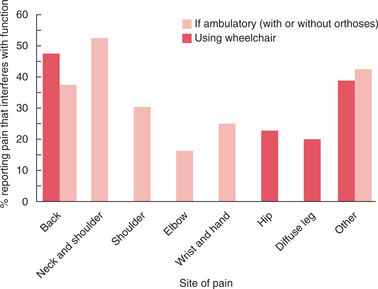
Typically, symptoms are related to the individual’s activities of daily living: crutch walking, wheelchair pro- pulsion (Fig. 39-17). Pain is commonly located in the low back and joints of the upper extremity in women; it is worse at night and increases with physical activity and changes in climate.

image

Figure 39-17 Location of pain reported in ambulatory and wheelchair-bound persons diagnosed with post-polio syndrome. (Data from Department of Physical Therapy, Institute for Rehabilitation and Research, Houston: An instructional course on physical therapy management of post-poliomyelitis: new challenges. Presented at the 65th American Physical Therapy Association Annual Conference, Chicago, June 1986.)

MEDICAL MANAGEMENT

DIAGNOSIS.

PPS is a clinical diagnosis requiring the exclusion of other medical, neurologic, orthopedic, or psychiatric disorders that could explain the new symptoms. Routine EMG can be used to confirm any new denervation, as can muscle biopsies. Single-fiber EMG and spinal fluid studies are rarely needed to establish a diagnosis.22

TREATMENT.

Medical management is aimed at symptomatic treatment and modification of lifestyle. Surgery for residual calcaneovalgus deformities at the ankle include triple arthrodesis.40 Perimalleolar tendon transfers have been performed to compensate for triceps surae insufficiency.31

PROGNOSIS.

PPS is a slowly progressive disorder with stable periods that last 3 to 10 years. A decline in functional status is reported to correlate with a poorer quality of life in individuals affected by PPS.81

39-8   SPECIAL IMPLICATIONS FOR the THERAPIST

Post-Polio Syndrome

PREFERRED PRACTICE PATTERNS

5A:

Primary Prevention/Risk Reduction for Loss of Balance and Falling

6B:

Impaired Aerobic Capacity/Endurance Associated with Deconditioning

6C:

Impaired Ventilation, Respiration/Gas Exchange, and Aerobic Capacity/Endurance Associated with Airway Clearance Dysfunction

7A:

Primary Prevention/Risk Reduction for Integumentary Disorders

Of importance to therapists is the ongoing question of the use of exercise in the management of this disorder. Partially denervated muscle does not have the physiologic capacity to respond to a conventional strengthening program. Instead, programs aimed at nonexhaustive exercise and general body conditioning are preferable.58 The client should never exercise to the point of fatigue, and vital signs are monitored before and after exercise to assess the client’s response to even mild activity. Caution the client to stop if pain persists or weakness increases. Because individuals with PPS have decreased peak workloads and decreased oxygen uptake, functional exercises of submaximal intensity are stressed with the goal of maintaining and improving endurance and functional capacity. For those with relatively good strength, a program to improve aerobic fitness is appropriate; for those with weaker leg musculature, a generalized fitness program should be aimed at endurance and improving work capacity.176 Additionally, clients with PPS may also benefit from lifestyle modifications, including energy conservation techniques (see Box 9-8). Late onset weakness, pain, and fatigue have been reported in individuals who had not developed the paralytic form of the disease.60

Posturally induced mechanical strain and overuse have led to degenerative changes and pain, as well as unstable joints. For these deformities to be reversed, the therapist should explore the use of orthoses, especially for gait. Many clients who have developed PPS are former brace users and may have an aversion to orthoses, but the braces they formerly used were not the cosmetic lightweight braces that can be constructed today.

Herpes Zoster/Post-Herpetic Neuralgia

Varicella-zoster virus (VZV) is a common herpes virus that affects the nervous system. VZV is the virus that causes chickenpox in children. After recovery from that childhood disease, the virus is not eliminated from the body; it lies dormant within sensory ganglia of cranial and spinal nerves and can become activated later in life to cause herpes zoster (HZ), or shingles.

Incidence

Annually, approximately 1% of the adult population over age 80 years develops HZ each year129 and of those, about 20% develop postherpetic neuralgia. Immunocompromised individuals are also at risk.

Pathogenesis

HZ primarily affects the sensory ganglia of the spinal cord or cranial nerves. When reactivated, the virus causes a generalized inflammatory response beginning in the sensory ganglion and spreading along spinal and peripheral nerves to produce demyelination and degeneration.

Clinical Manifestations

The inflammation produces pain and tingling in the involved dermatome with a rash followed by development of vesicles (blisters) that burst and encrust in the same dermatome. The skin lesions last up to 1 month and disappear as the effects of the virus resolve. Thoracic and trigeminal dermatomes are involved most often. Occasionally, the inflammation may affect motor neurons and produce LMN signs and symptoms. The pain resolves over time, but in individuals that develop postherpetic neuralgia, it may linger for weeks or months. Postherpetic pain is possibly related to hyperirritable primary afferent nociceptors that provide input to an already synthesized CNS.121 The type of pain has been described as a constant aching or burning or a cutting or stabbing pain.

MEDICAL MANAGEMENT

DIAGNOSIS AND TREATMENT.

The diagnosis is made by clinical presentation. The disorder is treated symptomatically unless there is widespread involvement. Oral antiviral medications, such as Acyclovir, are used to control the response and accelerate the resolution of the pain, hypoesthesia, burning, and itching associated with the neuralgia. Although analgesic drugs may be prescribed to relieve pain, a randomized controlled trial using topical lidocaine patches, gabapentin, and controlled-released oxycodone shows better pain relief. Nortriptyline, a tricyclic antidepressant, also provides analgesia and may be tolerated better than other medications.75

PROGNOSIS.

For immunosuppressed clients, there is a greater risk of developing postherpetic neuralgia and painful dysesthesias as a complication of HZ. Postherpetic pain is very resistant to treatment. Signs of the disorder in immunocompetent persons resolve within a month, but the area that was affected may be partly insensitive. Up to 20% of people who experience HZ will experience a second attack. See further discussion in Special Implications for Therapists boxes in Chapters 8 and 10.

Trigeminal Neuralgia/Tic Douloureux

Trigeminal neuralgia (TN), or tic douloureux, is a disorder of the trigeminal (fifth cranial) nerve in which there are intense paroxysms of lancinating pain within the nerve’s distribution.

Incidence

TN is not a common disorder (5 cases per 100,000). It typically occurs in women between the ages of 50 and 70 years.

Etiology

TN arises from many causes: herpes zoster, multiple sclerosis, vascular lesions, or tumors that can affect the nerve to produce the painful sensations. Many times it will be referred to as idiopathic because the cause remains undetermined. Physical triggers can elicit paroxysms of pain.

Pathogenesis

Researchers hypothesize that the pain is due to ectopic activity generated at the site of involvement. Demyelinated fibers become hyperexcitable. Light mechanical stimulation recruits nearby pain fibers causing them to discharge and create the sensation of intense pain.

Clinical Manifestations

The pain associated with TN has a sudden onset and has been described as sharp, knifelike, lancinating, and “like a lightning bolt inside my head that lasts for seconds to minutes.” The sensation is typically restricted to the maxillary (V2) division of the nerve, but it may involve the maxillary and mandibular divisions together. Less likely is involvement of the ophthalmic (V1) division.

The painful sensation often occurs in clusters. Any mechanical stimulation, chewing, smiling, or even a breeze can trigger an attack. Clients avoid stimulating the trigger zone. Remissions occur between attacks, but these remission periods shorten and attacks become more frequent over the course of the disorder. In about 10% of the cases the pain occurs bilaterally.

MEDICAL MANAGEMENT

DIAGNOSIS.

Subjective reports of pain in the typical pattern are the basis for the diagnosis. No impairment or loss of sensation or motor control is obvious on evaluation, The person can identify the trigger site. Skull radiographs, CT scans, and MRI are used to rule out tumors and vascular causes.

TREATMENT.

The preferred treatment of TN is oral carbamazepine (Tegretol, an anticonvulsant). Pain can be controlled with appropriate dosage in about 75% of clients with TN. Side effects of this medication include blurred vision, dizziness, drowsiness, as well as hematologic changes (anemia) and altered liver function. In addition, because carbamazepine has teratogenic effects, it should not be used in the first trimester of pregnancy nor should it be used by nursing mothers.52 Other medications, such as phenytoin (Dilantin), are less effective but should be tried in those who cannot tolerate carbamazepine. Promising new medications to manage TN include pimozide, tizanidine hydroxychloride, and topical capsaicin.28

In persons whose pain is refractory to medications, neurosurgical procedures are advised. Radiofrequency rhizotomy is preferred over trigeminal nerve section or alcohol ablation. Microvascular surgery has also been used when small blood vessels have been found to constrict the trigeminal nerve near its root. This procedure provides immediate pain relief; however, it is a major and difficult surgery.

PROGNOSIS.

The efficacy of evaluating treatments for TN is complicated by the fact that the disorder may remit spontaneously. Remissions that occur soon after onset of TN may last for years. For those who do not remit, TN can be managed medically in most cases. The Trigeminal Neuralgia Association provides information and support for persons with this diagnosis.

Human Immunodeficiency Virus Advanced Disease (Acquired Immunodeficiency Syndrome)

Peripheral neuropathy, disease-or drug-induced myopathy, and musculoskeletal pain syndromes occur most often in advanced stages of human immunodeficiency virus (HIV) disease but can occur at any stage of HIV infection and may be the presenting manifestation. During the early phases of HIV when the immune system has altered responsiveness, GBS tends to develop. When immunoincompetence is severe, distal symmetric peripheral neuropathies occur; however, other parts of the body may be affected such as the face or trunk. The polyneuropathies are predominantly sensory. Painful dysesthesias characterized by burning, tingling, contact sensitivity and proprioceptive losses begin in the soles and ascend. Upper extremity involvement rarely occurs.36 In severe cases, secondary motor deficits. In the individual with HIV and newly acquired neuropathy with a strong major motor component, vasculitis may be the underlying etiology (see the section on Vasculitis in Chapter 12). Involvement of the upper extremities can occur, but this is less common and usually later in the disease progression.

Vasculitis

Vasculitis can occur as a primary inflammation and necrosis of blood vessel walls (polyarteritis nodosa) or as a secondary process associated with autoimmune responses (rheumatoid vasculitis or systemic lupus erythematosus vasculitis), infections (hepatitis C with vasculitis), toxins, or drug exposure. Vasculitis can involve blood vessels of any size, type, or location and can affect any organ system, including blood vessels that supply the PNS, as well as the CNS. However, because the watershed zones between major vascular supplies exist in the PNS, peripheral nerves are apt to sustain ischemia.109 Vasculitis may range from acute to chronic. Distribution of lesions may be irregular and segmental rather than continuous.

Pathology

Immune (antibody-antigen) complexes to each disorder are deposited in the blood vessels resulting in varying symptoms, depending on the organs affected. In the case of vasculitic neuropathy, the formation of antibody-antigen complexes activates the complement cascade with generation of C3a and C5a (chemotactic agents that recruit polymorphonuclear [PMN] leukocytes to the vessel walls). Phagocytosis of the immune complexes takes place, and release of free radicals and proteolytic enzymes disrupt cell membranes and damage blood vessel walls. The complement cascade generates the formation of a complement membrane attack complex that also contributes to endothelial damage (see discussion in Chapter 6 and Fig. 6-15). The resulting damage to endothelial cells results in thickening of the vessel wall, occlusion, and ischemia to the affected nerves with axonal degeneration and the resultant neuropathy. Classification is usually according to the size of the predominant vessels involved (see Chapter 12). In either case, the resulting ischemia may affect peripheral nerves.

Symptomatic Presentation of Vasculitic Neuropathy.: Symptoms of a vascular neuropathy reflect the distribution of the peripheral nerve involved. Onset is generally acute, and individuals complain of burning pain in the nerve’s distribution. In addition motor weakness can be anticipated. Although a single nerve may be involved (mononeuritis), overlapping asymmetric polyneuropathies are relatively common.56

Peripheral neuropathy is a well-known and frequently early manifestation of many vasculitis syndromes. The pattern of neuropathic involvement depends on the extent and temporal progression of the vasculitic process that produces ischemia. A severe, burning dysesthetic pain in the involved area is present in 70% to 80 % of all cases. Other symptoms may include paresthesias and sensory deficit; severe proximal muscle weakness and muscular atrophy can occur secondary to the neuropathy. In the early phase, one nerve is affected and causes symptoms in one extremity (mononeuritis multiplex) but can involve other nerves as the disorder progresses. The therapist should watch for anyone with neuropathy who exhibits constitutional symptoms such as fever, arthralgia, or skin involvement. This may herald a possible vasculitis syndrome and requires medical referral for accurate diagnosis. Early recognition of vasculitis can help prevent a poor outcome. Untreated or with a poor outcome to intervention, CNS involvement (e.g., encephalopathy, ischemic and hemorrhagic stroke, or cranial nerve palsy) can occur late in the course of vasculitis.

When corticosteroids (e.g., prednisone alone or sometimes in combination with other medications) are used (such as in the case of vasculitic neuropathy), the therapist must be aware of the need for osteoporosis prevention and attend to the other potential side effects from the chronic use of these medications (see the section on Corticosteroids in Chapter 5). Alternative methods of pain control may be offered in a rehabilitation setting such as biofeedback, transcutaneous electrical nerve stimulation (TENS), and physiologic modulation (e.g., using handheld temperature sensor to control ANS function; see section on Fibromyalgia in Chapter 7).

CANCER-INDUCED

Paraneoplastic Neuropathies

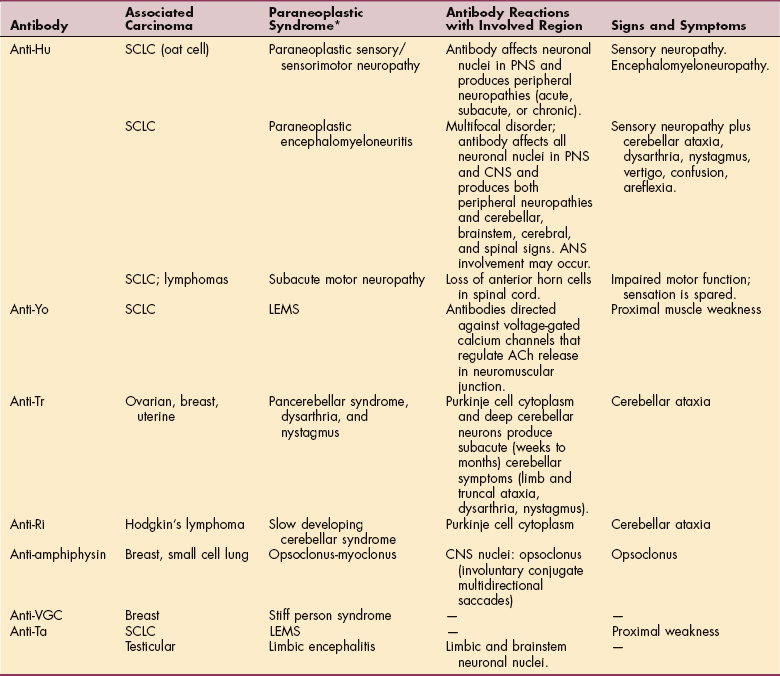
A little over 50 years ago the symptoms of two individuals were reported whose autopsy revealed bronchial carcinoma. Both had developed a sensory neuropathy. Although subsequent reports of similar sensory neuropathies associated with other carcinomas have been reported, paraneoplastic syndromes can affect any portion of the nervous system (Table 39-9).

Table 39-9

Paraneoplastic Antibodies, Associated Carcinoma, and Symptoms that Develop

image

SCLC, Small cell lung carcinoma; PNS, peripheral nervous system; CNS, central nervous system; ANS, autonomic nervous system; LEMS, Lambert-Eaton myasthenic syndrome, ACh, acetylcholine.

*Paraneoplastic syndromes are associated with a variety of tumors and the antibodies that are produced affect both PNS, CNS, and ANS. Shaded chart has PNS involvement.

Etiology

In most individuals diagnosed with paraneoplastic neuropathy, the development of symptoms occurs subacutely or chronically over weeks to months and precedes the discovery of the tumor from months to years. The clinic features and electrophysiologic abnormalities indicate that the cell body is the primary site of involvement. Large diameter neurons are preferentially affected.

Incidence

Numbers vary depending on how the disorder is defined, but estimates range from 10% to 50% that individuals with cancer will develop a paraneoplastic syndrome at some time during the course of their disease. Using a restrictive definition, paraneoplastic syndromes are rare.

Pathogenesis

The current theory is that an autoimmune response, initially directed against the cancer’s antigen, subsequently attacks membrane receptors on or receptors within (antinuclear) neurons. See Chapter 30 for discussion of CNS neoplasms.

Clinical manifestations

The most common symptoms are numbness and paresthesias, initially asymmetric, but progressing to involvement of all extremities. Burning and aching or lancinating pain is common. Although individuals exhibit symptoms of areflexia, weakness is not common and when it occurs, generally is related to an inability to sustain the contraction secondary to impaired proprioceptive feedback. Many individuals with paraneoplastic neuropathy develop additional symptoms demonstrating a progressive involvement of central neural structures. This includes dysarthria, cerebellar ataxia (limb and truncal), ocular nystagmus, memory loss, and ANS involvement. When these central structures are involved, the diagnosis is termed paraneoplastic encephalomyeloneuritis.23

MEDICAL MANAGEMENT

DIAGNOSIS.

The differential diagnosis of paraneoplastic neuropathy is extensive and includes many disorders identified in this chapter that affect sensory nerve fibers or neurons. In addition to electrophysiology findings of severely reduced amplitude or absence of sensory nerve potentials, with normal to slightly slowed sensory nerve conduction velocities, nerve biopsies show nonspecific axonal degeneration and a reduction in myelinated fibers. Lumbar puncture and serum assays for antibodies may be included in the diagnostic workup. High serum titers for antibodies are suggestive of an occult tumor, but the sensitivity and specificity of these tests yields false positives and negatives. CT and MRI scanning are used to locate the tumor.34

TREATMENT.

Typical treatments for autoimmune disorders, such as immunosuppression using prednisone, cyclophosphamide, IVIg, or plasmapheresis, generally do not work with antinuclear antibodies because receptors are located within the nucleus of the neuron.

PROGNOSIS.

The course is fairly stereotypical. Individuals deteriorate over weeks or months and then stabilize at a level of severe disability; for example, sensory polyneuropathies progress proximally, then ataxias develop and become progressively greater. Neurologic improvement is rare.

39-9   SPECIAL IMPLICATIONS FOR THE THERAPIST

Polyneuropathy in Malignant Diseases

PREFERRED PRACTICE PATTERNS

5A:

Primary Prevention/Risk Reduction for Loss of Balance and Falling

7A:

Primary Prevention/Risk Reduction for Integumentary Disorders

TOXINS

In addition to toxic substances in the environment, some medications prescribed to treat medical conditions can be toxic to the PNS (Table 39-10).4

Table 39-10

Medications Toxic to Peripheral Nerves

Medication Use
Doxorubicin (Adriamycin) Cancer
Amiodarone Irregular heartbeat
Chloramphenicol Antibiotic
Cisplatin Cancer
Dapsone Skin diseases
Phenytoin (Dilantin) Seizures and pain
Disulfiram (Antabuse) Alcoholism
Ethionamide Tuberculosis
Metronidazole (Flagyl) Trichomonas infection
Gold Rheumatoid arthritis
Isoniazid Tuberculosis
Lithium Manic depression and headache prevention
Nitrofurantoin (Furadantin) Urinary tract infection
Nitrous oxide Anesthetic
Penicillamine Rheumatoid arthritis
Suramin Cancer
Paclitaxel (Taxol) Cancer
Vincristine Cancer

Adapted from Asbury AK: Disorders of peripheral nerve. In Asbury AK, McKhann GM, McDonald WI: Diseases of the nervous system: clinical neurobiology, Philadelphia, 1986, WB Saunders.

Lead Neuropathy

Definition

Toxic substances, such as lead, affect peripheral myelin or axons.

Etiology and Risk Factors

Although lead has been virtually eliminated in urban environments, it may exist in third world countries or in some industries such as ceramics. The leading cause of lead neuropathy is the ingestion of lead from paint by children who live in old homes predating 1925. However, lead exposure may also occur after inhaling fumes from car batteries, and after drinking contaminated water or moonshine whiskey. Lead neuropathies also occur in workers in industries that use materials containing lead or who live near lead smelters. Most recently, the Consumer Product Safety Commission has identified inexpensive plastic miniblinds as a source of lead exposure. As the blind is exposed to sunlight, the plastic disintegrates and sheds dust that is high in lead.

Pathogenesis

Both the CNS and PNS can be affected. In the PNS, lead exposure initially causes segmental demyelination, but with prolonged exposure damage to axon cell bodies causes axonal degeneration.52

Clinical Manifestations

Unlike most neuropathies, lead neuropathies primarily affect neurons innervating muscles in the upper extremity. After months of exposure, persons with a lead peripheral neuropathy will develop wristdrop.

MEDICAL MANAGEMENT

DIAGNOSIS, TREATMENT, AND PROGNOSIS.

Diagnosis is based on the history, clinical examination, and motor NCVs, which will be slowed. If axonal degeneration has occurred, EMG will reveal fibrillation potentials, demonstrating loss of axonal innervation. Other tests to check for concentration of lead in the body are urine evaluation and radiographs to reveal a lead line at the metaphysis in the iliac creases, long bones, and tips of the scapula.

Treatment consists of the removal of the source of the lead toxin along with the introduction of the chelating agent, edetate calcium disodium (EDTA), administered twice daily, to rid the body of lead. Symptomatic management consists of cock-up splints for the wristdrop. Recovery depends on the length of exposure and removal of the toxin.

Pesticides and Organophosphates

Etiology

Insecticides are used extensively worldwide in industry and agriculture. Some compounds have contaminated cooking oils, and outbreaks of organophosphate poisoning have been reported after ingestion. Parathion has been responsible for more accidental poisonings and deaths than any other organophosphate.

Pathogenesis and Clinical Manifestations

All organophosphate compounds inhibit cholinesterase activity, thus creating an acute cholinergic crisis. Acutely, organophosphate toxins affect systemic functions throughout the body; they are also capable of producing a less acute, more chronic neuropathy. Nausea and vomiting, diarrhea, muscle fasciculations, weakness, and paralysis, including sudden paralysis of the respiratory musculature, can occur after overstimulation at the neuromuscular junction. Death can result from vasomotor collapse that coincides with respiratory paralysis. Symptoms of peripheral nerve involvement appear within 1 to 4 days and because they arise quickly, may resemble GBS. A chronic peripheral neuropathy may persist for months or years or a delayed neuropathy may have its onset weeks after exposure.138

MEDICAL MANAGEMENT

DIAGNOSIS.

Overexposure to organophosphates will reduce cholinesterase activity of erythrocytes to less than 25% of normal. History and clinical evaluation may be accompanied by electrophysiologic studies to indicate the severity of the neuropathy (e.g., segmental demyelination or axonal degeneration or both).

TREATMENT.

Insecticides should be washed from the skin and hair; if toxins have been ingested, emesis or lavage should be carried out. Acutely, atropine is given in doses every 10 minutes until the pupils are dilated, the skin flushed and dry, and the pulse rate rises. Neuromuscular paralysis can be reversed by injection of pralidoxime, a cholinesterase reactivator. Endotracheal intubation and ventilation may be required in the presence of respiratory paralysis. Strictly neuropathic management is aimed at symptomatic management.

PROGNOSIS.

Recovery is based on removal from the toxin and the degree of involvement. If only segmental demyelination occurs, recovery will occur in weeks to months, but if axonal degeneration is present, recovery will take months to years.

MOTOR ENDPLATE DISORDERS

Myasthenia Gravis

Overview and Definition

Myasthenia gravis (MG) is the most common of the disorders of neuromuscular transmission. It is characterized by fluctuating weakness and fatigability of skeletal muscles.

Incidence

The incidence of MG is estimated at 1: 200,000. Estimates from the National Myasthenia Gravis Foundation are that there are over 100,000 clients with MG and an additional 25,000 undiagnosed cases. MG can affect people in any age group, but peak incidences occur in women in their twenties and thirties and in men in their fifties and sixties. Overall, the ratio of women affected compared to men is 3: 2.

Etiology

MG is an autoimmune disorder whose action takes place at the site of the neuromuscular junction and motor endplate.

Risk Factors

Disorders associated with an increased incidence of MG are thymic disorders such as hyperthyroidism, thymic tumor, or thyrotoxicosis. There is an association with diabetes and immune disorders such as rheumatoid arthritis or lupus. Exacerbations may occur before the menstrual period or shortly after pregnancy. Chronic infections of any kind can exacerbate MG. Five to seven percent appear to have a familial association.

Pathogenesis

In MG, the fundamental defect is at the neuromuscular junction. Receptors at the motor endplate normally receive acetylcholine (ACh) from the motor nerve terminal. An action potential occurs that leads to a muscle contraction. In MG the number of ACh receptors are decreased and those that remain are flattened, which results in decreased efficiency of neuromuscular transmission. The neuromuscular junction can normally transmit at high frequencies so that the muscle does not fatigue. Without ACh, the nerve impulses fail to pass across the neuromuscular junction to stimulate muscle contraction. The neuromuscular abnormalities in MG are brought about by an autoimmune response mediated by specific anti-ACh receptor antibodies. The antibodies may block the site that normally binds ACh, or the antibodies may damage the postsynaptic muscle membrane. There may be endocytosis (pinching off of regions of the cell’s membrane) of the receptor site.

Although the cause of the autoimmune response in MG is not well understood, the thymus appears to play a role in the disease; 75% of persons with MG have abnormalities of the thymus (e.g., thymic hyperplasia or thymoma). Cells within the thymus bear ACh receptors on their surface, and may serve as a source of autoantigen to trigger the autoimmune reaction within the thymus gland when an immunologic abnormality causes a breakdown an autoimmune attack on acetylcholine (ACh) receptors.33

Clinical Manifestations

Although MG encompasses a spectrum of mild to severe, its cardinal features are skeletal muscle weakness and fatigability. Repetition of activity causes fatigue, whereas rest restores activity. Other than weakness, neurologic findings are normal. A system of four major categories is used to classify MG: ocular, mild generalized, acute fulminating, or late severe.

The distribution of muscle weakness has a dichotomous pattern affecting only the ocular muscles, or a more variable, generalized pattern occurs. In approximately 85% of persons with MG, the weakness is generalized and affects the limb musculature. This fluctuating weakness is often more noticeable in proximal muscles.

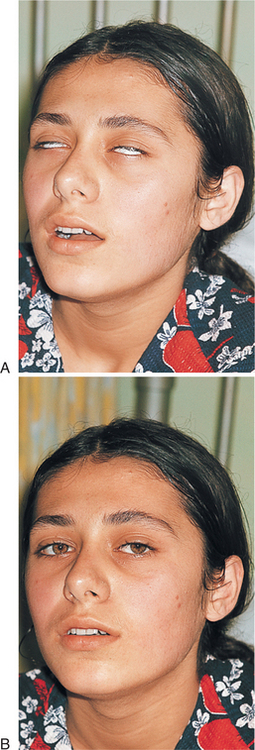
Cranial muscles, particularly the eyelids and the muscles controlling eye movements, are the first to show weakness. Diplopia (double vision) and ptosis (drooping eyelids) are common early signs causing the person to tilt the head back to see (Fig. 39-18). Weak neck muscles may cause head bobbing in this position.

image

Figure 39-18 A, Facial weakness with myasthenia gravis is easily identified when the patient is asked to perform repeated facial movement. Note inability to fully open eyelids and the open jaw. B, Edrophonium (Tensilon) test can be used to confirm the diagnosis. Edrophonium chloride is a short-acting anticholinesterase that is injected intravenously. In myasthenia gravis, the facial weakness is rapidly relieved by this test. Similar responses occur elsewhere in the body. (From Goldman L, Ausiello D: Cecil textbook of medicine, ed 22, Philadelphia, 2004, WB Saunders.)

Chewing of meat produces fatigue, and the facial expression is one that seems to be snarling because the lips do not close. Speech tends to be nasal. Difficulty in swallowing may occur as a result of palatal, pharyngeal, and tongue weakness. Nasal regurgitation or aspiration of food is common.

MEDICAL MANAGEMENT

DIAGNOSIS.

History and clinical observation of symptoms of weakness with continued use and improvement with rest are important in diagnosing MG. Several conditions that cause weakness of cranial, or somatic, muscles must also be considered. These include drug-induced myasthenia, hyperthyroidism, botulism, intracranial mass lesions, and progressive disorders of the eye. Lambert-Eaton syndrome is a presynaptic disorder of the neuromuscular junction that can cause symptoms similar to those of MG. Lambert-Eaton syndrome is an autoimmune disorder associated with neoplasm, most commonly small cell (oat cell) carcinoma of the lung, which is believed to trigger the autoimmune response.

The three methods used to diagnose MG are (1) immunologic, (2) pharmacologic, and (3) electrophysiologic testing.105 Immunologic testing detects anti-ACh receptor antibodies in the serum. The presence of anti-ACh receptor antibodies is virtually diagnostic of MG, but a negative test does not exclude diagnosis of the disease. There is no correlation between the amount of anti-ACh receptor antibodies and the severity of the disease. However, in a person with MG a treatment-induced fall in the antibody level often correlates with clinical improvement.

The drug edrophonium (Tensilon) is used to demonstrate improvement in the myasthenic muscles by inhibiting acetylcholinesterase (AChE), an enzyme required for ACh uptake. Muscle strength and endurance are measured before and after administration of the drug. This test confirms that ACh uptake is part of the pathologic status; however, a control test of saline should also be used for comparison.

Electrophysiologic testing of myasthenic disorders demonstrates a normal EMG at rest. Specialized testing must be employed using repetitive stimulation to demonstrate a rapid decrement in the motor action potential’s amplitude. Absence of sensory deficits and retention of tendon reflexes throughout the course of the disease also tend to confirm the diagnosis of MG. Because respiratory impairment is a serious complication of MG, measurements of ventilatory function should be performed.158

TREATMENT.

AChE inhibitor medication provides for improvement of weakness but does not treat the underlying disease. Administration of this medication is tailored to the individual’s requirements throughout the day. For example, a person with difficulty chewing and swallowing would take the medication before meals. Side effects of AChE inhibitors include gastrointestinal effects such as nausea and vomiting, abdominal cramping, and increased bronchial and oral secretions.

Surgical removal of the thymus is successful in 85% of persons with MG. Up to 35% of those undergoing thymectomy achieve a drug-free remission, although this may take years.

Immunosuppression using drugs, such as corticosteroids (prednisone) and azathioprine, are effective in nearly all persons with MG. Initially, high daily doses are begun and then followed by alternate-day high doses that are tapered slowly over a period of months. Unfortunately, adverse side effects are associated with high-dose steroids. These include cushingoid appearance, weight gains, hypertension, and osteoporosis (see Chapter 7).

Plasmapheresis is performed to remove substances that affect ACh receptors. However, plasmapheresis produces only short-term reduction in anti-AChE antibodies and is not effective for long-term symptom control.

PROGNOSIS.

The course of MG is variable, typified by remissions and exacerbations, especially within the first year after onset. Symptoms often fluctuate in intensity during the day. This daily variability is superimposed on longer-term spontaneous relapses that may last for weeks. Remissions are rarely complete or permanent. This disorder follows a slowly progressive course. Onset of other systemic disorders and infections may precipitate an exacerbation of the disease and are the most common cause of a crisis. A myasthenic crisis is a medical emergency requiring attention to life-endangering weakening of the respiratory muscles. A myasthenic crisis requires ventilatory assistance. Treatment of a crisis occurs in the ICU because the client requires careful, immediate control of medications for survival.178

When MG begins in children, it is important to establish the form it takes. Because AChE antibodies cross the placenta, 10% of newborns of mothers with MG develop a myasthenic reaction. Newborns with neonatal MG have a weak suck and cry and are hypotonic. Fortunately, this resolves in a few weeks.

39-10   SPECIAL IMPLICATIONS FOR the THERAPIST

Myasthenia Gravis

PREFERRED PRACTICE PATTERNS

4C:

Impaired Muscle Performance

Physical and occupational therapy may be indicated as supportive care to assist the client with MG. In the acute care setting, the therapist must establish an accurate neurologic and respiratory baseline. Tidal volume, vital capacity, and inspiratory force should be monitored regularly during treatment. Deep breathing and coughing should be encouraged. When eating, the person should be instructed to sit upright and to swallow when the chin is tipped slightly downward toward the chest and never with the neck extended because of the risk of aspiration. Finally, the client should never speak with food in the mouth.

The therapist must also be alert to signs of an impending myasthenic crisis (increasing muscle weakness; respiratory distress; or difficulty while talking, chewing, or swallowing). Make sure the client recognizes the side effects and signs of toxicity of AChE inhibitor medications. For those receiving a prolonged course of corticosteroids, report adverse side effects to the physician.

Plan therapy and teach the client to plan activities to coincide with periods of maximum energy (see Box 9-8 for energy conservation tips). The home should be arranged to help prevent unnecessary energy expenditure. Frequent rest periods help conserve energy and give muscles a chance to regain strength. The person with MG should avoid strenuous exercise, stress, and excessive exposure to the sun or cold weather. All of these can exacerbate signs and symptoms.

Researchers report that a strength training program eliciting maximal isometric contractions could be instituted in clients with mild-to-moderate MG. As long as participants were monitored for fatigue during periods of exercise, improvements were noted in all muscles.93 After 3 months, participants’ knee extensor muscles showed the most significant strength gains without adverse reactions. Recently, a cooling vest was worn to decrease core body temperature to determine whether pulmonary function and subjective perceptions of strength and fatigue would improve. All measures were improved in the majority of participants.107

Because individuals diagnosed as having MG are placed on long-term corticosteroid medication, the treatment may induce a secondary condition: osteoporosis. These individuals should be encouraged to undergo dual energy x-ray absorptiometry (previously DEXA, now DXA) scan and to receive calcium supplements to counteract osteoporosis.91

The Myasthenia Gravis Foundation (800-541-5454) publishes educational materials that can be helpful to the client and family.

BOTULISM

Definition and Incidence

Botulism is a rare, often fatal condition (20% mortality) caused by ingestion of a potent neurotoxin produced by Clostridium botulinum, which is found in improperly preserved or canned foods, as well as in contaminated wounds. The Centers for Disease Control and Prevention (CDC) recognizes four categories of botulism: (1) foodborne, (2) wound, (3) infant, and (4) unclassified.29 Approximately 10 adult cases and 100 cases of infant botulism are reported each year in the United States.

Etiology and Pathogenesis

The anaerobic bacillus releases a protein neurotoxin that is heat-labile; it is destroyed by boiling food for 10 minutes. Therefore inadequate food preparation allows the neurotoxin to be ingested.

Infant botulism affects babies aged from 3 weeks to 9 months; the most common source of infant botulism arises from the ingestion of honey, which is why children of less than 1 year are not allowed to have honey.

Botulism is not always ingested orally. Some cases occur after wounds are contaminated with soil, in chronic drug abusers, after cesarean delivery, and may even occur when antibiotics are administered to prevent wound infection.

When the neurotoxin is ingested, digestive acids and proteolytic enzymes cannot destroy the molecules of the toxin and it is absorbed into the blood from the small intestine. Minute amounts of circulating toxin reach the cholinergic nerve endings at the motor endplate and bind to gangliosides of the presynaptic nerve terminals. Flaccid paralysis is caused by inhibition of ACh released from cholinergic terminals at the motor endplate. Inhibition of ACh release causes a symmetric paralysis with normal sensory and mental status.

Clinical Manifestations

Onset of symptoms develops 12 to 36 hours after ingestion of food containing the toxin. Signs and symptoms include malaise, weakness, blurred and double vision (diplopia), dry mouth, and nausea and vomiting. Progression is variable, but respiratory failure can occur in 6 to 8 hours. People may also report difficulty swallowing (dysphagia), dysarthria (slurred speech), and photophobia. Because the motor endplate is involved, there are no sensory changes. Motor weakness of the face and neck muscles progresses to involve the diaphragm, accessory muscles of respiration, and muscles controlling the extremities. Secondary effects from the flaccid paralysis, such as severe muscle wasting, pressure sores, and aspiration pneumonia, occur.

MEDICAL MANAGEMENT

DIAGNOSIS, TREATMENT, AND PROGNOSIS.

A history suggesting a food source and toxin identification made by serum or stool analysis aids in the diagnosis. EMG testing demonstrates a decreasing amplitude and facilitation of muscle action potential after tetanic stimulation. Differential diagnosis includes disorders that also display a rapidly evolving flaccid paralysis, such as GBS, MG, and tick paralysis.

Immediate treatment is directed toward neutralizing the toxin using injectable trivalent ABE serum, an antitoxin. Antitoxin prevents further binding of free botulism toxin to the presynaptic endings. If paralysis occurs because of wound botulism, care should include debridement and antibiotics.

Removal of unabsorbed toxin from the gastrointestinal tract is accomplished by gastric lavage and induced emesis. Finally, supportive measures should be instituted in the hospital; intubation and mechanical ventilation are needed when the individual’s vital capacity is compromised.

If untreated, this disorder can be fatal within 24 hours of ingestion. Respiratory failure leads to death. In mild-to-moderate cases, a gradual recovery of muscle strength can take as long as 12 months after onset. After hospitalization, graded rehabilitation is instituted to treat muscle wasting, deconditioning, and orthostatic hypotension.

ABNORMAL RESPONSE IN PERIPHERAL NERVES

Complex Regional Pain Syndrome/Reflex Sympathetic Dystrophy/Causalgia

Reflex sympathetic dystrophy (RSD) is a syndrome, first described in 1864, that changes over time and varies by etiology. Now, the preferred terminology for the syndrome that develops after trauma is complex regional pain syndrome, type I (CRPS I). Early on, pain is greater than expected for the degree of tissue trauma that has been sustained. The pain spreads from localized to a regional distribution, characterized by a burning sensation that occurs spontaneously and at an intensity that does not correspond with the stimulus that elicited it. If the trauma that was sustained involves a major nerve and the clinical syndrome develops, it is causalgia, or CRPS type II (CRPS II).99

Incidence

CRPS I may occur after 5% of all injuries. Because the diagnosis is often delayed, some very mild cases may resolve and others may progress to become a chronic, debilitating disorder. Although the average age of an individual with CRPS is in the mid-thirties, it has been reported in all age groups, including children as young as 3 years.

Etiology

RSD has its origin in a variety of conditions: it can follow surgery, such as arthroscopy; it can occur after an UMN lesion arising from traumatic brain injury, cerebrovascular accidents (creating a shoulder-hand syndrome), or destructive lesions of the CNS; or it can occur after LMN disorders from peripheral nerve injuries, neuropathies, and entrapments. CRPS I occurs without an overt nerve injury, and CRPS II is associated with peripheral nerve trauma.

Pathology

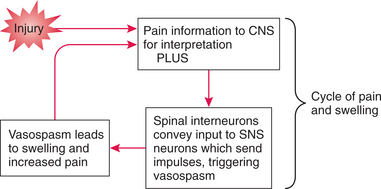
An injury at one somatic level initiates sympathetic efferent activity that affects many segmental levels. CRPS is thought to represent a reflex neurogenic inflammation. Facilitation of the sympathetic nervous system (SNS) and its neurotransmitters, catecholamines, activates primary afferent nociceptors to create the sensation of pain. Thermal dysfunctions are related to either the inhibition of SNS vasoconstriction or facilitation of the SNS causing excessive vasoconstriction (Fig. 39-19). Clinical studies have shown abnormal SNS reflexes that indicate CNS dysfunction exists as well.174

image

Figure 39-19 The exaggerated pain associated with sympathetic over activity occurs after minor trauma. Normally, the response of the sympathetic nervous system after injury causes cutaneous blood vessels to contract. This response shuts down appropriately within minutes to hours. In complex regional pain syndrome, the sympathetic nervous system functions abnormally and causes vasospasm, which creates cycles of swelling and pain. Initially, vasodilation occurs that increases skin temperature. Later in the course of the disorder, symptoms consist of cyanosis and coldness in the involved extremity.

Clinical Manifestations

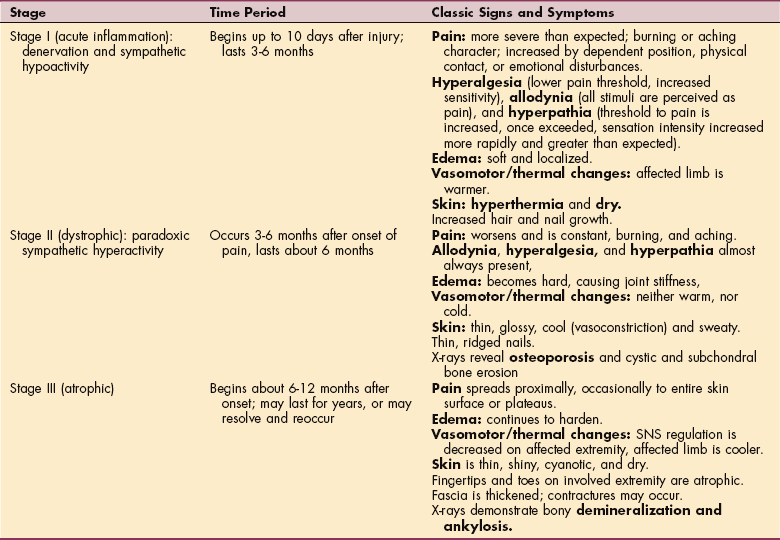
CRPS has overlapping but identifiable clinical stages (Table 39-11). Although sensory impairments are often most the hallmark of CRPS, movement disorders also occur. Motor symptoms may precede the appearance of other impairments by weeks or months or may appear on the contralateral extremity in a mirror fashion but most often they occur concomitantly with autonomic changes and pain.

Table 39-11

Complex Regional Pain Syndrome: Progressive Clinical Stages

image

SNS, Sympathetic nervous system.

The primary clinical features of CRPS I are pain, ANS dysfunction, edema, movement disorders including inability to initiate movement, weakness, tremor, muscle spasms, dystrophy, and atrophy.62 The pain that occurs is disproportionate to the pain that would be expected. Even tactile stimulation may be perceived as pain (allodynia).79 All contribute to functional impairments. Despite the fact that three stages of CRPS were originally identified and are still referred to, the course of this disorder is more unpredictable than the stages imply.79 Individuals typically remain in a specific stage for 6 to 8 months; however, some may progress rapidly to and through the next stage. As the condition progresses, symptoms may spreading proximally and even spread to affect other extremities. In a few cases, the entire body may become involved.99

Three abnormal vasomotor patterns have been identified; these relate to the temperature and color of the extremity and the acuity of CRPS. Other vasomotor changes include changes in the nails in which they become thick, brittle, and ridged.

MEDICAL MANAGEMENT

DIAGNOSIS.

Diagnosis of CRPS is based primarily on the clinical examination and history. A combination of diagnostic tests aimed at assessing secondary changes (radiographic examinations, thermographic studies, and laser Doppler flowmetry) may aid in establishing a diagnosis. Because of the evolutionary nature of CRPS, a correct diagnosis may be delayed, especially in children.35

TREATMENT.

Treatment for CRPS tends to be multifactorial and prolonged. Successful treatment depends on early diagnosis, treatment of the underlying cause, and aggressive and sustained physical therapy.67 Although stellate ganglion blocks or sympathectomy are used to alleviate pain and early symptoms, this approach is based on weak evidence.98 All of the following treatments have limited evidence for their effectiveness.47 Acupuncture, corticosteroids, and NSAIDs have been used early in stage I. They provide pain relief in up to 20%. Amitriptyline has been used to facilitate sleep and relieve depression. Calcium channel blockers help to improve peripheral circulation through their effect on the SNS.

Long-term intrathecal baclofen is used to control symptoms of motor dystonia. Its use is supported by the fact that γ-aminobutyric acid (GABA)-ergic inhibition is involved in motor function.

Although external TENS units have been minimally effective, implanted dorsal column stimulation has been shown to decrease pain intensity and perception of pain in randomized trials. Health-related quality of life improved only in individuals receiving spinal cord stimulation. It is best for intractable pain in one extremity.99

PROGNOSIS.

CRPS is a complex syndrome with varying severity and disability. In many cases, the pain continues for years, or less frequently, it may remit, then recur after another injury. In some cases, malingering for secondary gain has been documented.181 Outcome measures for CRPS I typically concentrate on impairments, leaving measurement of disability, which is the most relevant to function, with few assessments.138 Physical therapy is indicated, particularly as part of a program of pain control. Although the goal is to maintain function so that the individual can perform normal activities, a vigorous approach is not indicated. Current research is aimed at understanding physiologic processes and finding the most effective interventions.

39-11   SPECIAL IMPLICATIONS FOR THE THERAPIST

Complex Regional Pain Syndrome

PREFERRED PRACTICE PATTERNS

4A:

Primary Prevention/Risk Reduction for Skeletal Demineralization

4D:

Impaired Joint Mobility, Motor Function, Muscle Performance, and Range Of Motion Associated with Connective Tissue Dysfunction

5G:

Impaired Motor Function and Sensory Integrity Associated with Acute or Chronic Polyneuropathies

7B:

Impaired Integumentary Integrity Associated with Superficial Skin Integrity.

Goals for physical therapy include educating the client and encouraging normal use of the involved extremity while minimizing pain. Although modalities are used to provide pain relief, the greatest success occurs when they are administered during earlier stages of CRPS. External TENS units are reported to be minimally effective.35 Recently, when TENS was applied contralateral to the lesion, high-frequency stimulation decreased mechanical allodynia and low-frequency stimulation decreased thermal allodynia in Sprague-Dawley rats.149 When the lower extremity is involved, pool exercises are helpful for improving mobility when weight bearing on land is problematic.

References

1. Ahmed, A. When is facial paralysis Bell’s palsy? Current diagnosis and treatment. Cleveland Clin J Med. 2005;72:398–405.

2. Albeck, MJ, Taher, G, Lauritzen, M, et al. Diagnostic value of electrophysiological tests in patients with sciatica. Acta Neuro Scand. 2000;101:249–254.

3. American Diabetes Association, American Academy of Neurology. Report and recommendations of the San Antonio conference on diabetic neuropathy (consensus statement). Diabetes Care. 1988;11:592–597.

4. Asbury, AK, McKhann, GM, McDonald, W. Diseases of the nervous system: clinical neurobiology. Philadelphia: WB Saunders, 1986.

5. Ashworth, NL. Carpal tunnel syndrome. Medicine: WebMD, 2005.

6. Axelrod, DA, Proctor, MC, Geisser, ME, et al. Outcomes after surgery for thoracic outlet syndrome. Vasc Surg. 2001;33:1220–1225.

7. Baldwin J, Horwitz J: Lumbar (interventral) disk disorders, June 2006. Available on-line at http://www.emedicine.com/emerg/topic303.htm.

8. Bansal, V, Kalita, J, Misra, UK. Diabetic neuropathy. Postgrad Med J. 2005;82:95–100.

9. Berciano, J, Combarros, O. Hereditary neuropathies. Curr Opinion Neurol. 2003;16:613–622.

10. Bland, JD. Carpal tunnel syndrome. Curr Opinion Neurol. 2005;18:581–585.

11. Boulton, AJ, Vinik, AI, Arezzo, JC, et al. Diabetic neuropathies. A statement by the American Diabetes Association. Diabetes Care. 2005;28:956–962.

12. Boulton, AJ, Malik, RA, Arezzo, JC, et al. Diabetic somatic neuropathies. Diabetes Care. 2004;27:1458–1486.

13. Bradshaw, DY, Shefner, JM. Ulnar neuropathy at the elbow. Neurol Clin. 1999;17:447–461.

14. Burnett, MG, Zager, EL. Pathophysiology of peripheral nerve injury. A brief review. Neurosurg Focus. 2004;16:1–7.

15. Casmiro, M, Guarino, M, D’Alessandro, R. Guillain-Barré syndrome variants in Emilia-Romagna, Italy, 1992-1993: Incidence, clinical features, and prognosis. J Neurol Neurosurg Psychiatry. 1998;65:218–224.

16. Cederwall, E, Olsen, M, Hanner, P, et al. Evaluation of a physiotherapeutic treatment intervenion in “Bell’s” facial palsy. Physio Theory Pract. 2006;22:43–52.

17. Chetlin, RD, Yeater, RA, Ullrich, IH, et al. Charcot-Marie-Tooth disease. Functional capacity and activities of daily living. Med Sci Sports Exercise. 2002;34:S230.

18. Childs, SG. Interdigital perineural fibroma (AKA Morton’s neuroma). Orthop Nurs. 2002;21:32–34.

19. Cohen, Y, Lavie, O, Granovsky-Grisaru, S, et al. Bell palsy complicating pregnancy. A review. Obstet Gynecol Surv. 2000;55:184–188.

20. Colli, BO, Carlotti, CG, Assirati, JA, et al. Neurogenic thoracic outlet syndromes. A comparison of true and nonspecific syndromes after surgical treatment. Surg Neurol. 2006;65:262–272.

21. Curatoto, M, Bogduk, N. Pharmacologic pain and treatment of musculoskeletal disorders. Current perspective and future prospects. Clin J Pain. 2001;17:25–32.

22. Dalakas, MC. Pathogenetic mechanisms of post-polio syndrome. Morphological, electrophysiological, virological, and immunological correlations. Ann NY Acad Sci. 1995;753:176–185.

23. Dalmau, J, Gultekin, HS, Posner, B. Paraneoplastic neurologic syndromes: pathogenesis and physiopathology. Brain. 1999:275–284.

24. Dammers, JW, Veering, MM, Vermeulen, M. Injection with methylprednisolone proximal to the carpal tunnel. Randomized double blind trial. BMJ. 1999;319:883–886.

25. D’Arcy, CA, McGee, S. Does this patient have carpal tunnel syndrome? JAMA. 2000;283:3110–3117.

26. Davis, LE, King, MK, Schultz, JL. Fundamentals of neurologic disease. New York: Demos Medical Publishing, 2005.

27. Dawson, DM. Entrapment neuropathies of the upper extremities. N Engl J Med. 1993;329:2013–2018.

28. Delzell, JE, Jr., Grelle, AR. Trigeminal neuralgia. New treatment options for a well-known cause of facial pain. Arch Fam Med. 1999:264–268.

29. Department of Health and Human Services: Facts about botulism. Available on-line at: http://www.cdc.gov/ncidod/dbmd/diseaseinfo/botulism_g.htm Accessed June 2006.

30. Department of Physical Therapy, Research Institute of Research and Rehabilitation: An instructional course on physical therapy management of post-poliomyelitis: new challenges. Presented at the 65th American Physical Therapy Association Annual Conference, Chicago, June 1986.

31. DiCesare, PE, Young, S, Perry, J, et al. Perimalleolar tendon transfer to the os calcis for triceps surae insufficiency in patients with postpolio syndrome. Clin Orthop. 1995:111–119.

32. Dillingham, TR, Dasher, KJ. The lumbosacral electromyographic screen: Revisiting a classic paper. Clin Neurophys. 2000;111:2219–2222.

33. Drach, DB. Myasthenia gravis. N Engl J Med. 1994;330:1797–1810.

34. Dropcho, EJ. Neurologic paraneoplastic syndromes. J Neurol Sci. 1998;153:264–278.

35. Dunn, D. Chronic regional pain syndrome I. Part I, AORN. J. 2000;72:422–432.

36. Dyck, PJ, Thomas, PK. Peripheral neuropathy, ed 3. Philadelphia: WB Saunders, 1993.

37. El Miedany, YM, Aty, SA, Ashour, S. Ultrasonography versus nerve conduction study in patients with carpal tunnel syndrome. Substantive or complementary tests. Rheumatology. 2004;43:887–895.

38. Estruch, R, Nicolas, JM, Villegos, E, et al. Relationship between ethanol-related diseases and nutritional status in chronically alcoholic men. Alcohol. 1993:28.

39. Falkiner, S, Myers, S. When exactly can carpal tunnel syndrome be considered work-related? ANZ J Surg. 2002;72:204–209.

40. Faraj, AA. Review of Elmslie’s triple arthrodesis for postpolio pes calcaneovalgus deformity. J Foot Ankle Surg. 1995;34:319–321.

41. Farrar, J, Portenoy, R, Berlin, J, et al. Defining the clinical important difference in pain outcome measures. Pain. 2000;88:287–294.

42. Feasby, TE. Inflammatory-demyelinating polyneuropathies. Neurol Clin. 1992;10:651–670.

43. Fernandez, E, Pallini, R, Talamonti, G. Sleep palsy: the deep radial nerve. Case report. J Neurosurg. 1987;66:460–461.

44. Feuerstein, M, Burrell, LM, Miller, VI, et al. Clinical management of carpal tunnel syndrome. As12-year review of outcomes. Am J Industrial Med. 1999:35.

45. Finkbeiner, GS, Marks, RM. Nerve problems of the foot and ankle. Evaluation, diagnosis, and treatment. Curr Opin Orthop. 2002;13:93–98.

46. Fisher, MA. Peripheral neuropathy. In Weinter WJ, Goetz CG, eds.: Neurology for the non-neurologist, ed 4, Philadelphia: Lippincott Williams & Wilkins, 2004.

47. Forouzanfar, T, Koke, A, Kleef, Mv, et al. Treatment of complex regional pain syndrome type I. J Pain. 2002;6:105–122.

48. Foster, EC, Mulroy, SJ. Muscle belly tenderness, functional mobility, and length of hospital stay in the acute rehabilitation of individuals with Guillain-Barré syndrome. J Neurol Phys Ther. 2004;28:154–160.

49. Gemignani, F, Marbini, A. Charcot-Marie-Tooth disease (CMT). Distinctive phenotypic and genotypic features in CMT type II. J Neurol Sci. 2001;184:1–9.

50. Gibson, JN, Graust, IC, Waddle, IG. Surgery for lumbar disc prolapsed. Cochrane Database of Syst Rev. 2000;3:CD001350.

51. Gillard, J, Perez-Cousin, M, Hachulla, E, et al. Diagnosing thoracic outlet syndrome. Contribution of provocative tests, ultrasonography, electrophysiology, and helical computed tomography in 48 patients. J Bone Spine. 2001;68:416–424.

52. Gilroy, J. Basic neurology, ed 3. New York: McGraw-Hill, 2002.

53. Giraudeau, B, Rozenberg, S, Valat, J. Assessment of the clinically relevant change in pain for patients with sciatica. Ann Rheum Dis. 2004;63:1180–1181.

54. Goodgold, J, Eberstein, A. Electrodiagnosis of neuromuscular diseases, ed 3. Baltimore: Williams & Wilkins, 1983.

55. Goodyear-Smith, F, Arroll, B. What can family physicians offer patients with carpal tunnel syndrome other than surgery? A systematic review of nonsurgical management. Am Fam Med. 2004;2:267–273.

56. Griffin, J. Vasculitis neuropathies. Rheum Dis Clin North Am. 2001;27:751–760.

57. Grogan, P, Gronseth, GS. Practitioner parameter in steroids acyclovir survey for Bell’s palsy. Report of quality standards subcommittee. Neurol. 2001;56:830–836.

58. Gross, MT, Schuck, CP. Exercise programs for patients with post polio syndrome: a case report. Phys Ther. 1989;69:695–698.

59. Gupta, SC, Littman, TA. Hand: nerve injury repair. In: Sudekum AE, Talavera F, Chang DW, et al, eds. Hand eMedicine. WebMD, 2006.

60. Halstead, LSRC. New problem in old polio patients: Results of a survey of 539 polio survivors. Orthopedics. 1985;8:845–853.

61. Harati, Y. Frequently asked questions about diabetic peripheral neuropathies. Neurol Clin. 1992;10:783–807.

62. Harden, R, Bruehl, S. Diagnosis of complex regional pain syndrome: signs, symptoms, and new empirically derived diagnostic criteria. Clin J Pain. 2006;22:415–419.

63. Hato, N, Honda, N, Gyo, K, et al. Treatment of Bell’s palsy with acyclovir and prednisone (abstract). J Oto Rhino Laryngol Soc Japan. 2000;103:133–138.

64. Hato, N, Matsumoto, S, Kisaki, H, et al. Efficacy of early treatment of Bell’s palsy with oral acyclovir and prednisolone. Otol Neurotol. 2003;24:948–951.

65. Holland, N, Weiner, G. Recent developments in Bells palsy. BMJ. 2004;329:553–557.

66. Holst, H. Primary peripheral nerve repair in the hand and upper extremity. J Trauma. 1975;15:909–911.

67. Hord, E, Oaklander, A. Complex regional pain syndrome. A review of evidence-supported treatment options. Curr Pain Headache Rep. 2003;7:188–196.

68. Huang, JH, Zager, EL. Thoracic outlet syndrome. Neurosurgery. 2004;55:897–903.

69. Hughes, R, Gregson, NA, Smith, KJ. Pathogenesis of Guillain-Barré syndrome. J Neuroimmunology. 1999;100:74–97.

70. Hughes, R, Meche, Fvd. Corticosteroids for treating Guillain-Barré syndrome. Cochrane Database of Syst Rev. 2000;2:CD001446.

71. Hughes, R, Wijdicks, E, Barohn, R, et al. Practice parameter. Immunotherapy for Guillain-Barré syndrome. Neurology. 2003;61:736–740.

72. Junqueira, CJLC. Basic histology, ed 8. Norwalk CT: Appleton & Lange, 2005.

73. Junter, JMe. Rehabilitation of the hand: Surgery and therapy, ed 4. St. Louis: Mosby, 1995.

74. Kalpakjian, CZ, Toussaint, LL, Klipp, DA, et al. Development and factor analysis of an index of post-polio sequelae. Disabil Rehabil. 2005;27:1225–1233.

75. Kanazi, G, Johnson, R, Sworkin, R. Treatment of postherpetic neuralgia. An update. Drugs. 2000;59:1113–1126.

76. Kele, H, Verheggen, R, Bittermann, HJ, et al. The potential value of ultrasonography in the evaluation of carpal tunnel syndrome. Neurology. 2003;61:389–391.

77. Khalil, Z, Merhi, M. Effects of aging in neurogenic vasodilator responses evoked by transcutaneous electrical nerve stimulation: relevance to wound healing. J Gerontol A Biol Sci Med Sci. 2000;55:B257–263.

78. Khoury, MJ, Little, J, Burke, W. Human genome epidemiology: a scientific foundation for using genetic information to improve health and prevent disease. Oxford: Oxford University Press, 2004.

79. Kirkpatrick AF, ed. Clinical practice guidelines, ed 3, Tampa, FL: International Research Foundation for RSD/CRPS, 2006.

80. Klein, M, Whyte, J, Keenan, M, et al. Changes in strength over time among polio survivors. Arch Phys Med Rehabil. 2000;81:1059–1064.

81. Kling, C, Persson, A, Gardulf, A. The health-related quality of life of patients suffering from the late effects of polio. J Adv Nursing. 2000;32:164–173.

82. Koike, H, Iijima, M, Sugiura, M, et al. Alcoholic neuropathy is clinicopathologically distinct from thiamine-deficiency neuropathy. Ann Neurol. 2003;54:19–29.

83. Krajewski, KM, Lewis, RA, Fuerst, DR, et al. Neurological dysfunction and axonal degeneration in Charcot-Marie-Tooth disease type 1a. Brain. 2000;123:516–527.

84. Kwon, H, Hwang, M, Yoon, D. Frequency and severity of carpal tunnel syndrome according to level of cervical radiculopathy. Double crush syndrome? Clin Neurophysiol. 2006;117:1256–1259.

85. LaJoie, AS, McCabe, SJ, Thomas, B, et al. Determining the sensitivity and specificity of common diagnostic tests for carpal tunnel syndrome using latent class analysis. Plast Reconstr Surg. 2005;116:502–507.

86. Landry, G, Moneta, GL, Taylor, LM, Jr., et al. Long-term outcome of neurogenic thoracic outlet syndrome in surgically and conservatively treated patients. J Vasc Surg. 2001;33:312–314.

87. Lee, CH, Kim, TK, Yoon, ES, et al. Correlation of high-resolution ultrasonographic findings with the clinical symptoms and electrodiagnostic data in carpal tunnel syndrome. Ann Plast Surg. 2005;54:20–23.

88. Lee, SK, Wolfe, SW. Peripheral nerve injury and repair. J Am Acad Ortho Surg. 2000;8:243–252.

89. Leffert, R. Thoracic outlet syndrome. Hand Clin. 1992;8:285–297.

90. Levitsky, KA, Alman, BA, Jevsevar, DS, et al. Digital nerves of the foot. Anatomic variations and implications regarding the pathogenesis of interdigital neuroma. Foot Ankle. 1993;14:208–214.

91. Lewis, S, Smith, P. Osteoporosis prevention in myasthenia gravis. A reminder. Acta Neuro Scand. 2001;105:320–322.

92. Liveson, JA. Peripheral neurology, ed 3. New York: Oxford University Press, Inc, 2000.

93. Lohi, E, Lindberg, C, Anderson, O. Physical training in myasthenia gravis. Arch Phys Med Rehabil. 1993;74:1178–1189.

94. Lorentzos, P, Kennerson, ML, Nicholson, GA. A rapid and definitive test for Charcot-Marie-Tooth 1a and hereditary neuropathy with liability to pressure palsies using multiplexed real-time PCR. Gen Testing. 2003;7:135–139.

95. Lynch, D, Farmer, J. Practical approaches to neurogenetic disease. J Neuroophthalmol. 2002;44:297–304.

96. Magee, D. Orthopedic physical assessment, ed 4. Philadelphia: WB Saunders, 2002.

97. Maier, M, Berger, P, Suter, U. Understanding Schwann cell-neurone interactions. The key to Charcot-Marie-Tooth disease? J Anat. 2002;200:357–366.

98. Mailis-Gagnon, A, Furlan, A. Sympathectomy for neuropathic pain. Cochrane Database of Syst Rev. 2002:CD002918.

99. Maleki, J, LeBel, A, Bennett, G, et al. Patterns of spread in complex regional pain syndrome. Type I (reflex sympathetic dystrophy). Pain. 2000;88:259–266.

100. Malik, R. Can diabetic neuropathy be prevented by angiotensin converting-enzyme inhibitors? Ann Med. 2000;32:1–5.

101. Marklin, RW, Simoneau, GC. Effect of setup configurations of split computer key boards on wrist angle. Phys Ther. 2001;81:1038–1048.

102. Martin, MD, Boxell, CM, Malone, DG. Pathophysiology of lumbar disk degeneration. A review of the literature. Neurosurg Focus. 2002;13:1–6.

103. Mason, L, Moore, RA, Derry, S, et al. Systematic review of topical capsaicin for the treatment of chronic pain. BMJ. 2004;328:991–996.

104. McComas, A, Quartly, C, Griggs, R. Early and late losses of motor units after poliomyelitis. Brain. 1997;120:1415–1421.

105. Meriggioli, M, Sanders, D. Advances in the diagnosis of neuromuscular junction disorders. Am J Phys Med Rehabil. 2005;84:627–638.

106. Merlevede, K, Theys, P, VanHees, J. Diagnosis of ulnar neuropathy. A new approach. Muscle Nerve. 2000;23:478–481.

107. Mermier, C, Schneider, S, Gurney, A, et al. Preliminary results: Effect of whole-body cooling in patients with myasthenia gravis. Med Sci Sports Exercise. 2006;38:13–20.

108. Meuleman, J, Timmerman, V, Nelis, E, et al. Molecular genetics of inherited peripheral neuropathies: who are the actors? Acta Neurologic Belgica. 2000;100:171–180.

109. Moore, P. Vasculitic neuropathies. J Neurol Neurosurg Psychiatry. 2000;68:271–274.

110. Nathan, P, Istvan, J, Meadow, K. Intermediate and long term outcomes following simple decompression of the ulnar nerve at the elbow. Chir Main. 2005;24:29–34.

111. Ng, KK, Howard, RS, Fish, DR, et al. Management and outcome of severe Guillain-Barré syndrome. QJM. 1995;88:243–250.

112. Nicholson, G. The dominantly inherited motor and sensory neuropathies. Clinical and molecular advances. Muscle Nerve. 2006;33:589–597.

113. Nygaard, O, Kloster, R, Solberg, T, et al. Recovery of function in adjacent nerve roots after surgery for lumbar disc herniation. Quantitative sensory testing in exploration of different populations of nerve fibers. J Spinal Disorder. 2000;13:427–431.

114. Olney, B. Treatment of the cavus foot. Deformity in the pediatric patient with Charcot-Marie-tooth. Foot Ankle. 2000;5:305–315.

115. Omer, G. Acute management of peripheral nerve injuries. Hand Clin. 1956;2:193–205.

116. Pagnotta, A, Tos, P, Fornaro, M, et al. Neurotrophins and their receptors in early axonal regeneration along muscle-vein-combined grafts. Microsurgery. 2002;22:300–303.

117. Palliyath, S, Schwartz, BD. Peripheral nerve functions improve in chronic alcoholic patients on abstinence. J Stud Alcohol. 1993;54:684–686.

118. Pareyson, D. Charcot-Marie-tooth disease and related neuropathies: Molecular basis for distinction and diagnosis. Muscle Nerve. 1999;22:1498–1509.

119. Pentland, B, Donald, SM. Pain in the Guillain-Barré syndrome. A clinical review. Pain. 1994;30:159–164.

120. Perry, J, Fleming, C. Polio: long-term problems. Orthopedics. 1985;8:877–881.

121. Peterson, K, Fields, H, Brennum, J, et al. Capsaicin evoked pain and allodynia in post-herpetic neuralgia. Pain. 2000;88:125–133.

122. Pitkaranta, A, Piiparinen, H, Mannonen, L, et al. Detection of human herpes virus 6 and varicella-zoster virus in tear fluid wit Bell’s palsy. Clin Micro Biol. 2000;38:2753–2755.

123. Phelps, PE, Walker, E. Comparison of the finger wrinkling test results to established sensory tests in peripheral nerve injury. Am J Occup Ther. 1977;31:565–572.

124. Preston, DC, Shapiro, BE. Electromyography and neuromuscular disorders: clinical-electrophysiologic correlations. Philadelphia: Butterworth Heinemann, 2005.

125. Quinn, TJ, Jacobson, JA, Craig, JG, et al. Sonography of Morton’s neuromas. AJR. 2000;174:1723–1728.

126. Ramsey, M, DeSimonian, R, Holtel, M, et al. Corticosteroid treatment for idiopathic facial nerve paralysis. A meta-analysis. Laryngoscope. 2000;110:335–341.

127. Rathur, HM, Boulton, AJ. Recent aspects in the diagnosis and management of diabetic neuropathy. J Bone Joint Surg. 2005;87B:1605–1610.

128. Reilly, MM. Genetic neuromuscular disease. J Neurol Neurosurg Psychiatry. 2002;73:12–21.

129. Ritchie, A. Boyd’s textbook of pathology, ed 9. Philadelphia: Lea & Febiger, 1990.

130. Rota, E, Quadri, R, Fanti, E, et al. Electrophysiological findings of peripheral neuropathy in newly diagnosed type II diabetes mellitus. J Peripheral Nerv Sys. 2005;10:348–353.

131. Rummler, LS, Dinh, PT, Gupta, R. The anatomy and biochemistry of myelin and myelination. Oper Tech Orthop. 2004;14:146–152.

133. Salinas, RA, Ferreira, J. Corticosteroids for Bell’s palsy (idiopathic facial paralysis). The Cochrane Library. 2006:1.

134. Salman, MS. Should children with Bell’s palsy be treated with corticosteroids? A systematic review. J Child Neurol. 2001;16:565–568.

135. Sanders, RJ, Hammond, SL. Supraclavicular first rib resection and total scalenectomy. Techniques and results. Hand Clin. 2004;20:61–70.

136. Sanes, JR. Axon guidance during reinnervation of skeletal muscle. Trends Neurosci. 1985;43B:121.

137. Schaller TM, O’Connor PL: Morton’s neuroma. Available on-line at www.emedicine.com/orthoped/topic623.htm, 2006.

138. Schasfoort, F, Bussmann, J, Stam, H. Outcome measures for complex regional pain syndrome Type I. An overview in the context of the international classification of impairment, disability and handicaps. Disabil Rehabil. 2000;22:387–398.

139. Scholten, R, Bouter, LM, Gerritsen, A, et al. Surgical treatment options for carpal tunnel syndrome. Cochrane Database of Syst Rev. 2006.

140. Seddon, H. Three types of nerve injury. Brain. 1943;66:237.

141. Sekine, M, Yamashita, T, Takebayashi, T, et al. Mechanosensitive afferent units in the lumbar posterior longitudinal ligament. Spine. 2001;26:1516–1521.

142. Seror, P. Simplified orthodromic inching test in mild carpal tunnel syndrome. Muscle Nerve. 2001;24:1595–1600.

143. Several interventions reduce complications in type 2 diabetes mellitus. ACP J Club. 2000;113:111.

144. Sharon I, Fishfeld C: Acute nerve injury. April 2006. Available on-line at http://www.emedicine.com/med/topic2908.htm. Accessed 2006.

145. Sharp, RJ, Wade, CM, Hennessy, MS, et al. The role of MRI and ultrasound imaging in Morton’s neuroma and the effect of size of lesion on symptoms. J Bone Joint Surg. 2003;85B:999–1005.

146. Shy, M. Charcot-Marie-tooth disease. An update. Curr Opinion Neurol. 2004;17:579–585.

147. Sima, A. Pathological mechanisms involved in diabetic neuropathy. Can we slow the process? Curr Opinion Investig Drugs. 2006;7:324–337.

148. Sipe, J, Dunn, L. Acyclovir for Bell’s palsy (idiopathic facial paralysis). Cochrane Database of Syst Rev. 2001.

149. Somers, D, Clemente, F. Transcutaneous electrical nerve stimulation for the management of neuropathic pain. The effects of frequency and electrode position on prevention of allodynia in a rat model of complex regional pain syndrome type II. Phys Ther. 2006;86:698–709.

150. Stern, M, Steinmann, S. Ulnar nerve entrapment. WebMD, 2004.

151. Stevens, J, Witt, J, Smith, B, et al. The frequency of carpal tunnel syndrome in computer users at a medical facility. Neurology. 2001;56:1568–1570.

152. Sun, Y, Lai, M-S, Lu, C-J. Effectiveness of vitamin b12 on diabetic neuropathy. Systematic review of clinical controlled trials. Acta Neurol Taiwan. 2005:14.

153. Sunderland, S. Nerves and nerve injuries, ed 2. Edinburgh: Churchill Livingstone, 1978.

154. Szigeti, K, Garcia, CA, Lupski, LR. Charcot-Marie-tooth disease and related hereditary neuropathies: Molecular diagnostics determine aspects of medical management. Genet Med. 2006;8:86–92.

155. Terris D: Wound healing, nerve. WebMD. October 28, 2004. Available on-line at http://www.emedicine.com/ent/topic12.htm. Accessed June, 2006.

156. Teunissen, LL, Notermans, NC, Wokke, JHJ. Relationship between ischemia and neuropathy. Eur Neurol. 2000;44:1–7.

157. Thain, LM, Downey, DB. Sonography of peripheral nerves. Technique, anatomy and pathology. Ultrasound Q. 2002;18:225–245.

158. Thieben, M, Blacker, D, Liu, P, et al. Pulmonary function tests and blood gases in worsening myasthenia gravis. Muscle Nerve. 2005;32:664–667.

159. Thomson, C. Interventions for the treatment of Morton’s neuroma. Cochrane Database Syst Rev. 2004.

160. Todd, K, Funk, K. Clinical significance of reported changes in pain severity. Ann Emerg Med. 1996;27:485–489.

161. Totten, PA. Therapeutic techniques to enhance nerve gliding in thoracic outlet syndrome and carpal tunnel syndrome. Hand Clin. 1991;7:505–519.

162. Upton, AR. The double crush in nerve entrapment syndromes. Lancet. 1973;2:359–362.

163. van der Meche, FG. A randomized trial comparing intravenous immune globulin and plasma exchange in Guillain-Barré syndrome. Dutch Guillain-Barré study group. N Engl J Med. 1992;326:1123–1129.

164. Verdu, E, Ceballos, D, Vilches, JJ, et al. Influence of aging on peripheral nerve function and regeneration. J Peripheral Nerv Sys. 2000;5:191–208.

165. Vinik, AI. Diabetic neuropathy. Pathogenesis and therapy. Am J Med. 1999;107:17S–26S.

166. Vinik, AI, LeBeau, JM, et al. Diabetic neuropathies. Diabetes Care. 1992;15:1926–1961.

167. Vinik, AI, Park, TS, Stansberry, KB, et al. Diabetic neuropathies. Diabetologia. 2000;43:957–973.

168. Vittadini, G, Buonocore, M, Colli, G, et al. Alcoholic polyneuropathy. A clinical and epidemiological study. Alcohol & Alcoholism. 2001;36:393–400.

169. Walsh, M. Therapist management of thoracic outlet syndrome. J Hand Ther. 1994;7:131–144.

170. Warner, LE, Lupski, JR. Hereditary peripheral neuropathies. Clinical forms, genetics and molecular mechanisms. Annu Rev Med. 1999;50:263–275.

171. Wasner, G, Heckmann, K, Maier, C, et al. Vascular abnormalities in acute reflex sympathetic dystrophy (CRPS I). Complete inhibition of sympathetic nerve activity with recovery. Arch Neurol. 1999;56:613–620.

172. Weimer, LH. Medication-induced exacerbation of neuropathy in Charcot-Marie-Tooth disease. J Neurol Sci. 2006;242:47–54.

173. Weiner W, Goetz CG, eds. Neurology for the non-neurologist. Philadelphia: Lippincott Williams & Wilkins, 2004.

174. Whitley, JM. Carpal tunnel syndrome. A guide to prompt intervention. Postgrad Med. 1995;97:89–92.

175. Wilder-Smith, E, Seet, R, Lim, E. Diagnosing carpal tunnel syndrome-clinical criteria and ancillary tests. Nat Clin Pract Neurol. 2006;2:366–374.

176. Willen, C, Cider, A, Sunnerhagen, K. Physical performance in individuals with late effects of polio. Scan J Rehabil Med. 1999;31:244–249.

177. Young, P, Butterfass-Bahloul, T, de Jonghe, P. Treatment for Charcot-Marie-tooth disease (protocol). Cochrane Database Syst Rev. 2006:1–8.

178. Zeitler, H, Ulrich-Merzenich, G, Hoffmann, L, et al. Long-term effects of a multimodal approach including immunoadsorption for the treatment of myasthenic crisis. Artificial Organs. 2006;30:597–605.

179. Zimny, S, Schatz, H, Pfohl, M. The role of limited joint mobility in diabetic patients with an at-risk foot. Diabetes Care. 2004;27:942–946.

180. Ziswiler, HR, Reichenbach, S, Vogelin, E, et al. Diagnostic value of sonography in patients with suspected carpal tunnel syndrome. A prospective study. Arthritis Rheum. 2005;52:304–311.

181. Zyluk, A. The sequelae of reflex sympathetic dystrophy. J Hand Surg. 2001;26B:151–154.